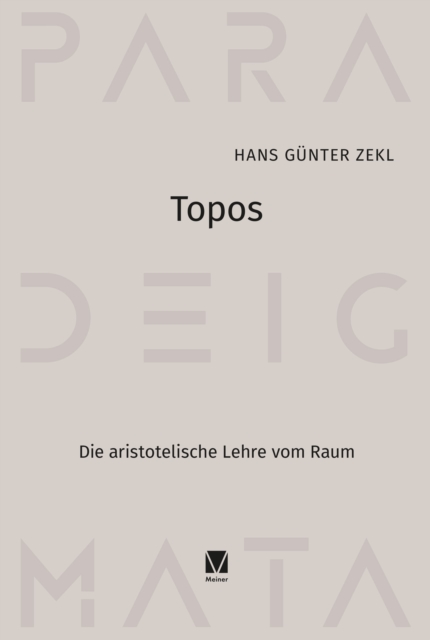
Der Kern dieser Studie der – traditionell als unbefriedigend angesehenen – Toposlehre des Aristoteles liegt darin, die überlieferten, teils fragmentarisch gebliebenen, teils offensichtliche Inkonsistenzen aufweisenden Textzeugnisse zur Toposlehre (Kategorienlehre, Physik) systematisch als Zeugnisse für die Momente der von Aristoteles vollzogenen Denkbewegung zu interpretieren und nicht nur als Teil- oder Bruchstücke des »Aristotelischen Systems«.
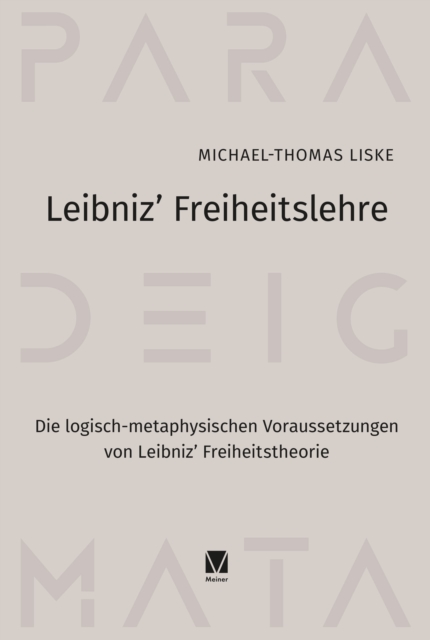
Leibniz' Denken ist von der Idee beherrscht, dass schlechthin alles, das Naturgeschehen ebenso wie das vernünftige Handeln, restlos erklärbar sein muss.
Metz erörtert Thomas' Begriff von Theologie, seinen bestimmten Bezug auf das Neue Testament, die Auseinandersetzung mit Augustinus sowie die Integration der aristotelischen Wissenschaft in die theologische Synthese.
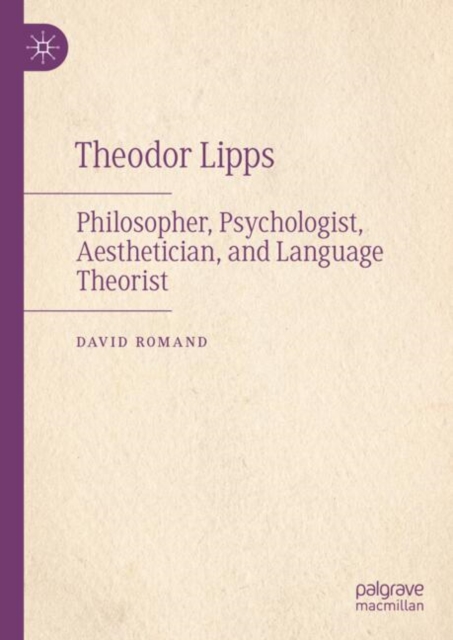
This book is the first comprehensive monograph devoted to the work of Theodor Lipps (1851-1914), a major figure in German intellectual life of the late nineteenth and early twentieth centuries, who is today mostly remembered as a pioneering theorist of empathy and a key figure in the history of aesthetics.
This book is the first comprehensive monograph devoted to the work of Theodor Lipps (1851-1914), a major figure in German intellectual life of the late nineteenth and early twentieth centuries, who is today mostly remembered as a pioneering theorist of empathy and a key figure in the history of aesthetics.
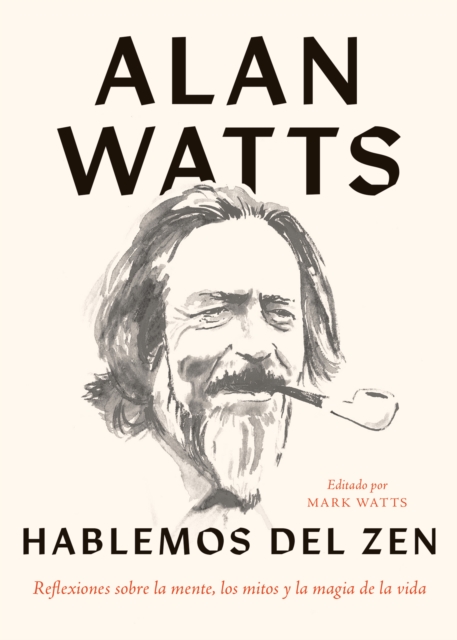
Aus den prophetischen und unterhaltsamen Vorträgen von Alan Watts zusammengestellt, skizziert »Das Tao jetzt – Die Weisheit des Wasserlaufs« den Weg des geringsten Widerstands für die zeitgenössische Kultur und präsentiert einen Leitfaden für die Umsetzung der Prinzipien und Praktiken des Tao und des Wu Wei (Tun ohne zu erzwingen): Nie waren diese Lehren so wertvoll wie heute!
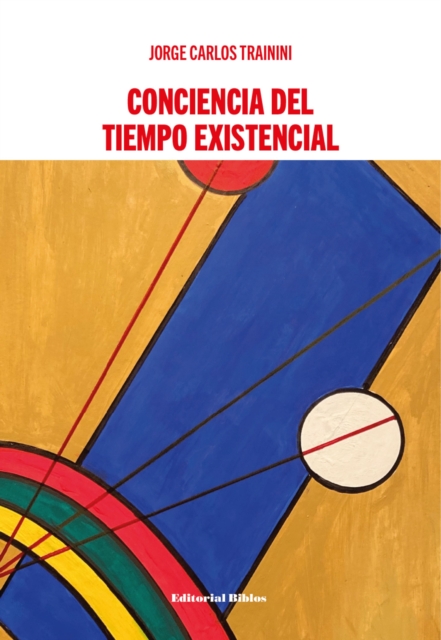
En la mejor tradición de denuncia del existencialismo de Kierkegaard, Sartre, Camus e Ionesco, Conciencia del tiempo existencial es un grito desgarrador de rebeldía ante una humanidad que parece haber perdido el rumbo.
En 1940, Marc Bloch, uno de los mayores historiadores franceses, escribio La extrana derrota, una intervencion que dejaba al desnudo lo que entonces era un tabu: la colaboracion con el nazismo de los intelectuales, dirigentes y parte de la sociedad de su pais.
Wittgenstein hielt diesen Vortrag 1929 in Cambridge: Er wollte zeigen, wie man uber Ethisches reden kann, ohne gegen das am Ende seines Tractatus ausgesprochene Schweigegebot zu verstoen.
El pensamiento heterodoxo de Jacques Derrida interpela, afantasmado, los actuales imaginarios de la globalización y promete deconstruir lo que queda de nuestras certezas y nuestras dudas.
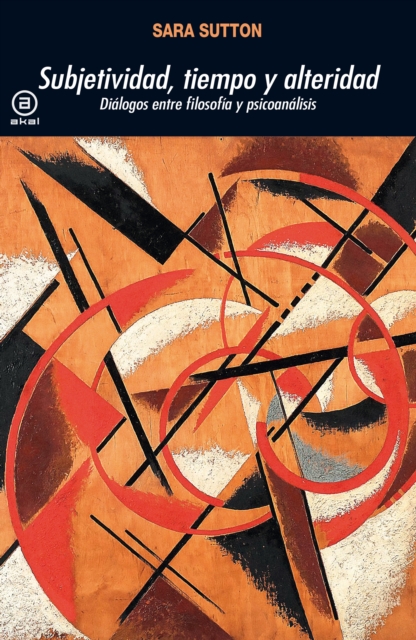
La presente publicación toma como punto de partida la visión crítica que la teología y la filosofía latinoamericanas tienen del pensamiento subjetivo propio de la tradición europea desde la Ilustración.
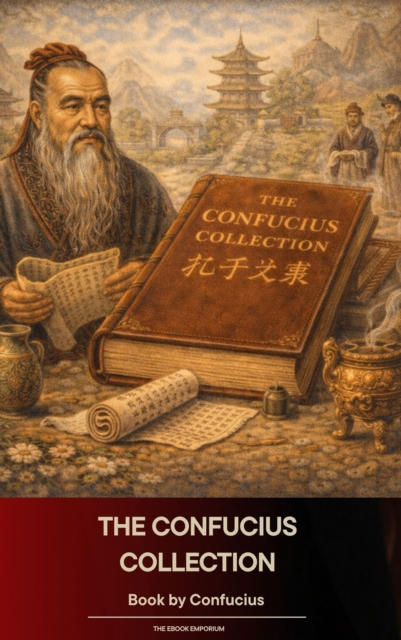
Explore the writings that shaped Western thought, defined the foundations of logic, ethics, politics, and science, and influenced scholars for over two thousand years.
Im vorliegenden Kommentar zu den Propositiones 35-65 der Elementatio theologica des Proklos entwickelt Berthold von Moosburg eine ausführliche Lehre der Kausalität, welche die Gültigkeit des aristotelischen Vier-Ursachen-Modells auf die Welt der Empirie relativiert und die Begründungszusammenhänge der Prinzipien der intelligiblen Welt anhand der neuplatonischen Begriffe von Hervorgang und Rückwendung ergründen will.
Das bekannte Werk von Rudolf Eucken geht von der unbestreitbaren Tatsache aus, dass dem Kulturleben seiner Zeit leitende und zusammenhaltende Ideen fehlen, und dass damit der moderne Mensch einen geistigen Lebensinhalt zu verlieren droht.
EL MUNDO NATURAL A TRAVÉS DE LOS OJOS DE LOS ESTOICOSCuestiones naturales es una obra en la que, con su habitual lucidez, Séneca aspira a conseguir un conocimiento racional del mundo, entendido como la actividad más digna y liberadora del ser humano y, especialmente, como la única forma de acercamiento a ese dios que se oculta a nuestros ojos y al que solo podemos llegar con la fuerza de la razón.
Im Sinne einer komplementären Ergänzung verfolgt der Band das Ziel, die kulturphilosophische und die mathematikphilosophische Forschung zum Werk Cassirers miteinander ins Gespräch zu bringen.
Este libro pretende ante todo dos cosas: primero, generar la impresion de que el pensamiento continental dominante, representado por las autoridades filosoficas que emergen alrededor del mayo frances del 68, ya no responde a las necesidades de pensar nuestro presente.
Bhagavad Gita – The Song of God is a clear modern presentation of this classic spiritual text making it accessible to anyone regardless of their background or prior knowledge.
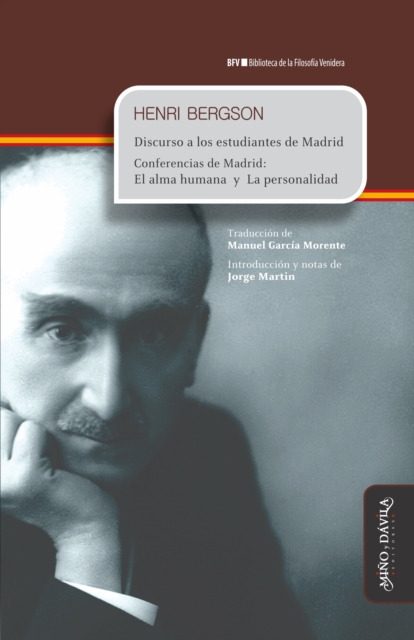
En 1916, el gobierno francés envió a España una comitiva formada por miembros del Instituto de Francia, para que desarrollara una misión cultural y política.
Texto filosófico por excelencia, compendio ancestral de sabiduría, manual de ética y de política, libro de poesía… el Tao Te Ching de Lao Tse, obra fundamental de la cultura china, ha sido descrito de éstas y otras innumerables maneras durante los más de 25 siglos transcurridos desde su fijación en caracteres.
Este ensayo pretende pensar en una metáfora para Colombia, o varias, quizá, que nos hagan recordar la fragilidad que nos conforma y, a su vez, hace un llamado sobre el compromiso de cuidarnos como congéneres.
Um das Menschenrecht auf Bildung zu betonen und Chancengerechtigkeit im Bildungswesen einzufordern, hat die UN-Vollversammlung 2018 einen »Internationalen Tag der Bildung« ausgerufen.
El estudio que se presenta profundiza en la obra de Jenofonte y como sus ideas y experiencias sobre la guerra han influido en las sociedades posteriores.
Jean Hyppolites Übersetzung der Hegel'schen »Phänomenologie des Geistes« ins Französische (1939-1941) ermöglichte in Frankreich zum ersten Mal eine differenzierte Auseinandersetzung mit Hegel.
Die deutschsprachige begriffsgeschichtliche Forschung hat in den letzten fünfzig Jahren ihre Leistungsfähigkeit durch vier monumentale Wörterbücher dokumentiert.