Don't Just Ask, Become the Answer: Osho's Definitive Responses to Life's Greatest Questionsby Abhijeet Sarkar, CEO & Founder, Synaptic AI Lab Are You Tired of Asking the Same Questions?
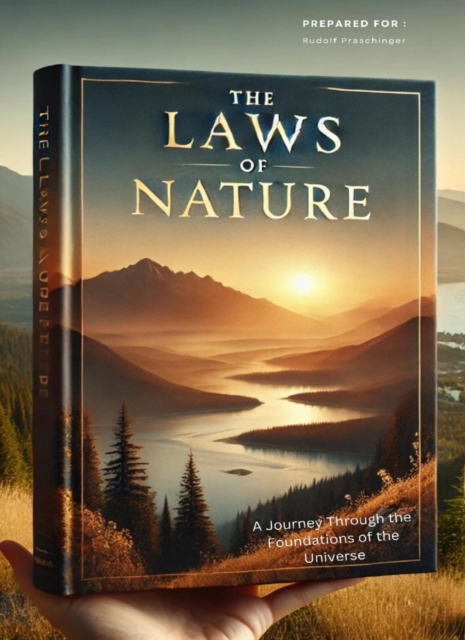
Einleitung:Warum Naturgesetze unsere Welt erklären Historischer Überblick: Von Aristoteles bis EinsteinZiel des Buches: Wissenschaft verständlich machenKapitel 1: Die Grundlagen der PhysikNewtonsche Gesetze der BewegungGravitation: Von Äpfeln zu PlanetenEnergie und Impuls: Die Währung der NaturKapitel 2: Die Welt der ThermodynamikDie Gesetze der Wärme und EntropieOrdnung und Chaos im UniversumBeispiele aus dem AlltagKapitel 3: ElektromagnetismusMaxwells GleichungenLicht, Wellen und FelderTechnologische AnwendungenKapitel 4: Die QuantenweltUnschärfe und Wahrscheinlichkeit Schrödingers Katze und andere Paradoxien Der Übergang zur klassischen PhysikKapitel 5: RelativitätstheorieEinsteins Revolution: Raum und Zeit Spezielle und allgemeine Relativität Schwarze Löcher und kosmische PhänomeneKapitel 6: Kosmologie und NaturgesetzeDer Urknall und die Expansion des Universums Dunkle Materie und Energie Die Suche nach einer WeltformelSchluss: Die Bedeutung der NaturgesetzePhilosophische Reflexion Die Grenzen unseres WissensAusblick: Was kommt als Nächstes?
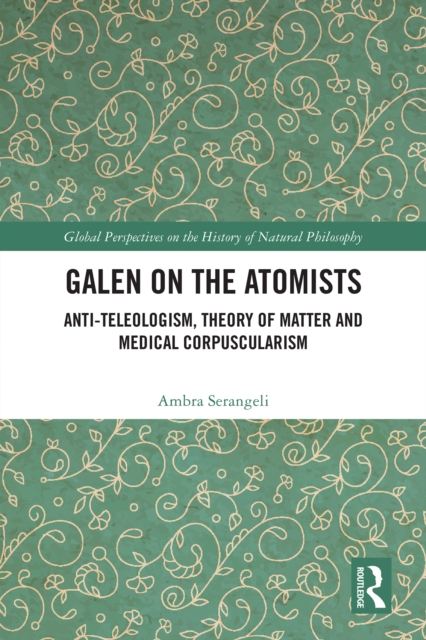
Personal physician of the emperors Marcus Aurelius, Commodus, and Septimius Severus, Galen was a multi-faceted intellectual and his extensive writings constitute, by far, the largest surviving corpus of any ancient author.
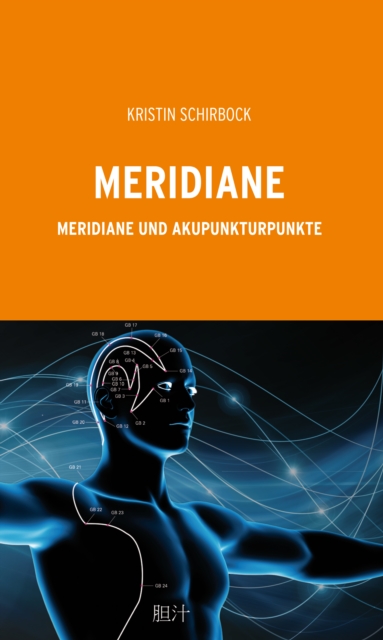
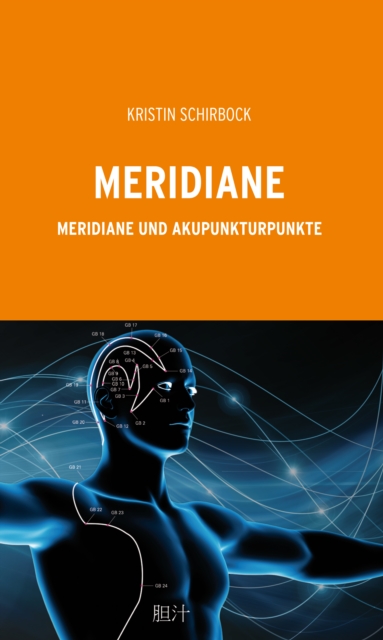
Das Buch 'Meridiane und Akupunkturpunkte' zeigt die Positionen der Meridianpunkte, den Verlauf der Hauptmeridiane und wichtige Behandlungspunkte einfach und verständlich auf.
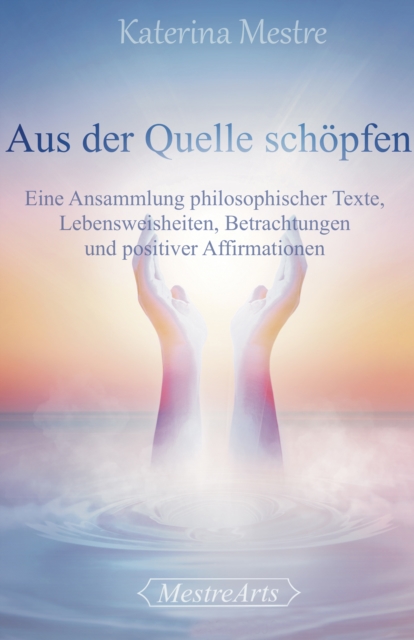
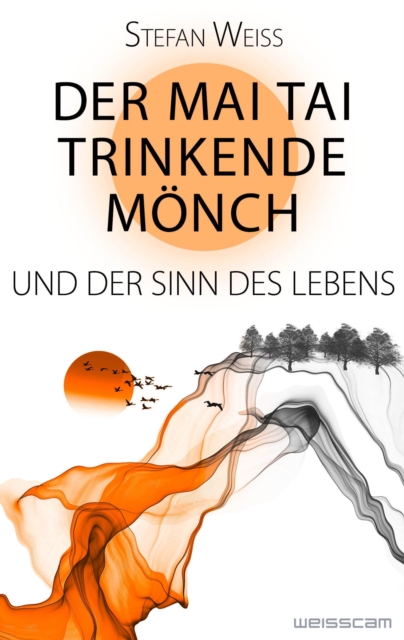
Die Quelle der Weisheit, nicht nur unserer eigenen erschlossenen Weisheit, sondern vor allem die universelle Weisheit dieser Welt, die seit dem Ursprung des Seins bis hin in alle Ewigkeit existieren wird, ist Essenz und die Grundlage für ein ausgewogenes, zufriedenes und erfülltes Leben.
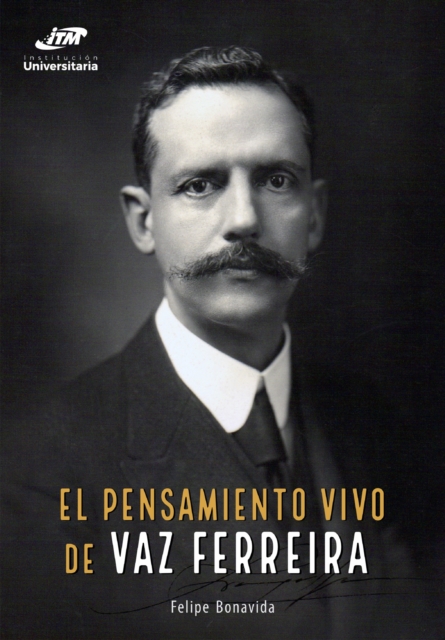
Resena:Hoy, cuando es imperante la necesidad de un pensamiento propio y nuevo que logre acabar las paradojas del pensamiento inmediatamente anterior y que de respuestas a las nuevas realidades y exigencias del presente historico, este libro retoma la obra de Vaz Ferreira para demostrarnos como nuestro pensamiento esta limitado por una estructura ideologica con parametros ajenos, anacronicos y reduccionistas, por lo que es necesario romper esquemas preexistentes para contemplar la realidad desde otras perspectivas y generar paradigmas mas convenientes para nuestra humanidad actual.
So sehr deshalb jene Männer unserer persönlichen Achtung gewiss sein dürfen, welche ihre Lebenskraft diesen hochwichtigen Bestrebungen widmen, so ist es dennoch die Frage, ob die Behauptung der historischen Kontinuität im strengen Sinne in unserer Lage denn überhaupt möglich sei, oder ob wir nicht am Ende an einem jener Punkte in der Geschichte stehen, wo eine großartige Idee alle Phasen ihrer Entwickelung durchlaufen hat und unwiderruflich dazu verurteilt ist, zugunsten neu eintretender leitender Ideen vom Schauplatz abzutreten, wenngleich nicht ohne einige ihrer wichtigsten Bestandteile in die neue Entwickelungsphase zu übertragen und mit den übrigen als Dünger für das neu aufsprossende Leben zu dienen.
Das Buch 'Meridiane und Akupunkturpunkte' zeigt die Positionen der Meridianpunkte, den Verlauf der Hauptmeridiane und wichtige Behandlungspunkte einfach und verständlich auf.
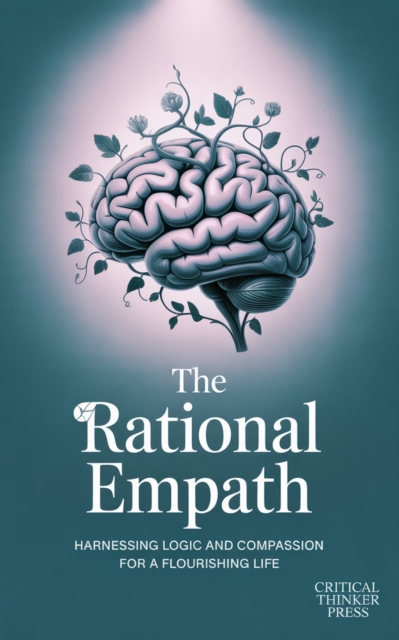
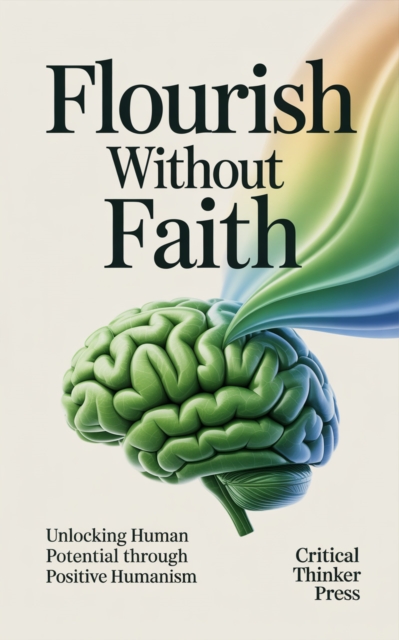
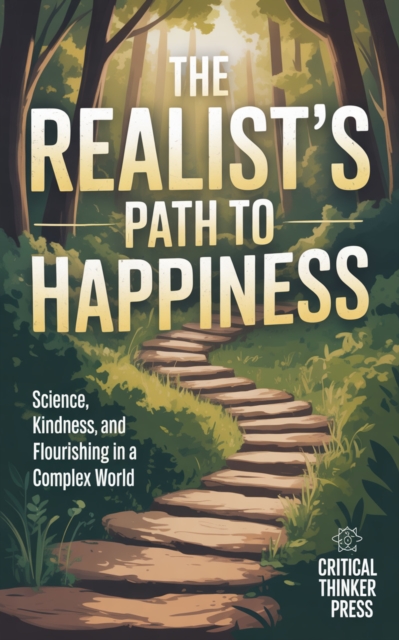
Discover a Science-Backed Journey to Genuine FulfillmentImagine a life where happiness is not a fleeting emotion but a stable foundation built on reason, kindness, and personal growth.
Discover a Science-Backed Journey to Genuine FulfillmentImagine a life where happiness is not a fleeting emotion but a stable foundation built on reason, kindness, and personal growth.
Discover a New Path to Meaningful, Resilient Living Rooted in Reason and CompassionWhat if thriving in todays fast-paced world didnt require magic, fate, or empty promises?
Discover a Transformative Approach to Clear Thinking and Compassionate LivingIn a world overflowing with information and conflicting messages, how can we find clarity without losing kindness?
Discover a Transformative Approach to Clear Thinking and Compassionate LivingIn a world overflowing with information and conflicting messages, how can we find clarity without losing kindness?
Discover the Science Behind a Brighter, More Compassionate FutureWhat if moral progress wasnt just a hopeful ideal, but a measurable, scientific reality?
Discover the Science Behind a Brighter, More Compassionate FutureWhat if moral progress wasnt just a hopeful ideal, but a measurable, scientific reality?
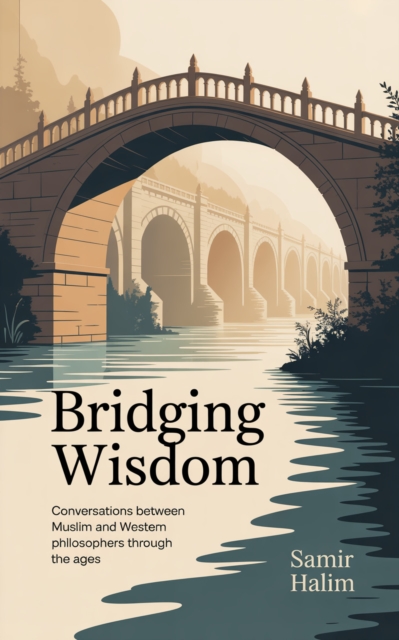
Exploring the Rich Dialogue That Shapes Our Shared Philosophical HeritageStep into a journey that transcends borders and epochs, revealing the profound conversations between Muslim and Western philosophers that have shaped the course of human thought.
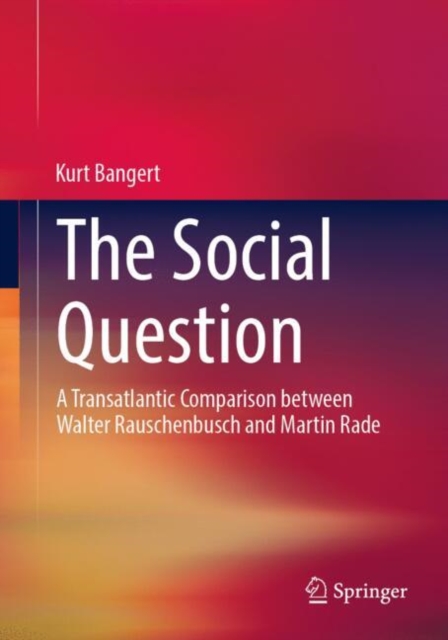
This socio-historical monograph compares the two theologians Walter Rauschenbusch (1861-1918) and Martin Rade (1857-1940) in a transatlantic juxtaposition, with a particular focus on the political and social dimensions of their thought and work.
This book is an examination of the globalization of the Yijing from cross-cultural and comparative perspectives, with a special focus on the Yijing encounters with world religions and thoughts over the past centuries.
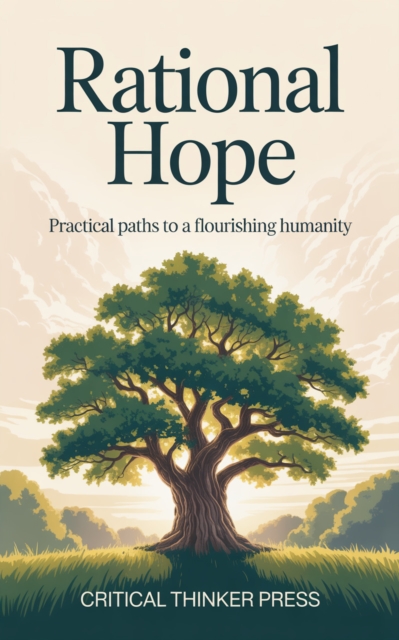
Charting a Brighter Future Through Reason and KindnessImagine a world where hope is not a fleeting feeling, but a deliberate, reasoned choiceone that guides us toward genuine well-being and collective prosperity.
Discover a Science-Backed Guide to Genuine Joy and Meaningful ConnectionStep beyond fleeting happiness and explore a path grounded in evidence, kindness, and realistic optimism.
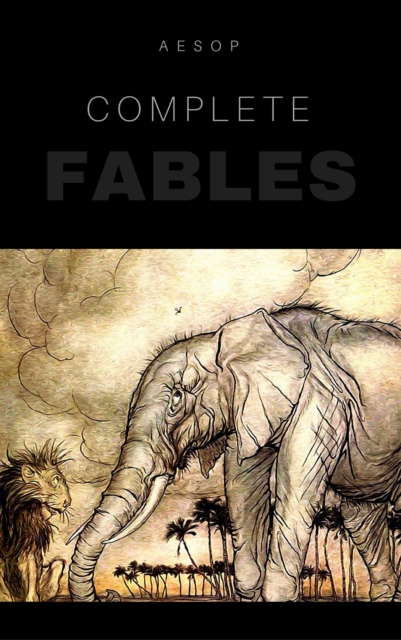
Aesop's Fables or the Aesopica is a collection of fables credited to Aesop, a slave and storyteller believed to have lived in ancient Greece between 620 and 564 BCE.
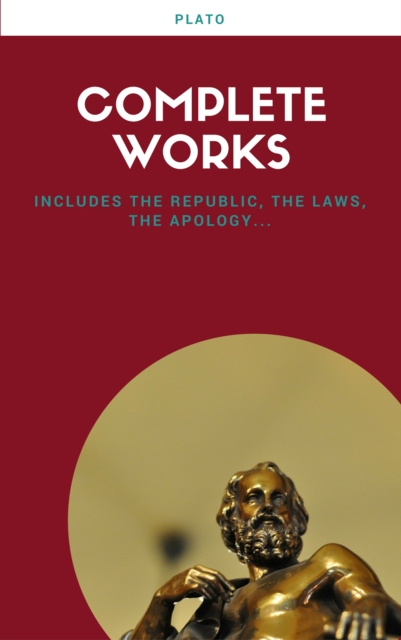
This collection contains the following works by Plato:Early Works Apology Charmides, or Temperance Crito Euthyphro Gorgias Hippias, Lesser Hippias, Greater Ion Laches Lysis ProtagorasTransitional Works Cratylus Euthydemus Meno Parmenides Phaedo Phaedrus Symposium The RepublicMiddle Works TheaetetusLate Works Critias Laws Philebus Sophist Statesman TimaeusWorks of Disputed Authorship Alcibiades I & II Eryxias Menexenus Theages