After discussing the terminology of talismanic magic (or necromancy) and its position in divisions of science in the Middle Ages, this book traces the history of talismanic texts from the Classical period through the Arabic world to the Latin Middle Ages.
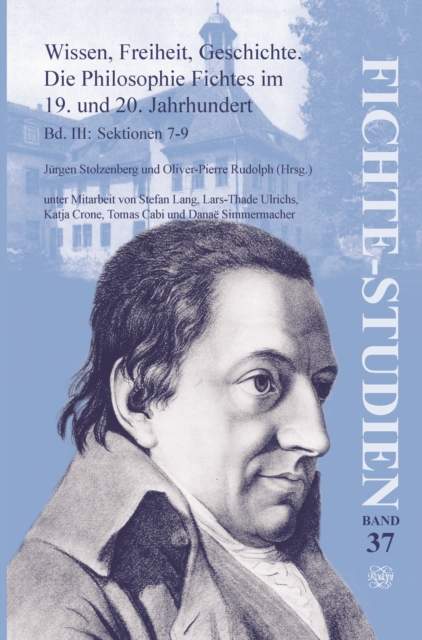
Das umfangreiche Werk von Carl Christian Erhard Schmid (1761–1812) hat in der Philosophiegeschichtsforschung mit Ausnahme seiner Lehre vom intelligiblen Fatalismus bislang keine Beachtung erfahren.
This book brings contemporary ways of reconceptualizing the human relationship to things into conversation with seventeenth-century writing, exploring how the literature of the period intersected with changing understandings of the conceptual structure of matter and how human beings might reconfigure their place in a web of nonhuman relations.
Immanuel Kant gehört zu den bedeutendsten Denkern der Aufklärung und prägte mit seinen revolutionären Ideen über Erkenntnis, Moral und Freiheit die Philosophie bis heute.
Ferran Sáez Mateu traza un recorrido desde la solitaria torre de Montaigne en el siglo XVI hasta la actualidad, marcada por tecnologías que nos fascinan aunque siempre exigen algo a cambio.
A Kind of Pantheism: Escape from Cosmic Pessimism and the Quest for a Biocentric Ethic explores how such nineteenth-century transcendentalists as Henry David Thoreau and John Muir advanced a biocentric ethic that recognized the intrinsic worth of both plants and animals.
This is the first extended study comparing the philosophies of mind promoted by Sigmund Freud and William James, whose opposing views had profound influences on the development of twentieth-century philosophy, cognitive science, and psychology.
During the 1940s, Greece experienced some of the most significant moments in the contemporary history of the country, defining the socio-political environment to this day.
An easy, jargon-free introduction to stoicism that covers the full range of stoic thought in a single compact volume Divided into short chapters that can be read in brief sittings, What Is Stoicism?
In Being and Time, Martin Heidegger developed a way of considering human existence as 'being there', a process of interrelationships with aspects of the environment in which the very process itself constitutes the essence of human being.
In A Moth to the Flame, the first novel about the life of the Sufi Poet Rumi, based on original sources in both Farsi and English, we discover the key moments that shaped his genius.