Most people intuitively understand the nature of morality; this tends to belie the fact that morality is more complex, controversial and interesting than generally appreciated.
This book explores research from the researchers' perspective: why to engage in research, what methods to follow, how to operate in daily life, what the responsibilities are, how to engage with society, and the ethical issues confronting professionals in their day-to-day research.
This book offers a critical discussion of Joseph Carens's main works in migration ethics covering themes such as migration, naturalization, citizenship, culture, religion and economic equality.
This book offers a critical discussion of Joseph Carens's main works in migration ethics covering themes such as migration, naturalization, citizenship, culture, religion and economic equality.
The Internet of Things (IoT) is a network of devices and smart things that provides a pervasive environment in which people can interact with both the cyber and physical worlds.
This book explores the major differences between the kinds of risk encountered in different sectors of industry - production (including agriculture) and services - and identifies the main features of accidents within different industries.
This book presents a collection of chapters, which address various contexts and challenges of the idea of human enhancement for the purposes of human space missions.
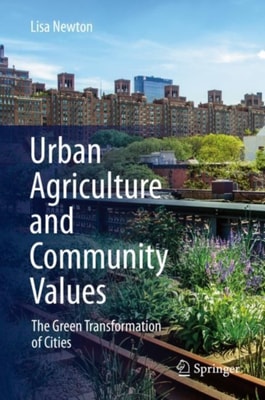
This book addresses the evolving crisis in agriculture and sketches the 'community economy' that grounds agricultural enterprise more accurately than the industrial model.
Winner of the 2020 British Sociological Association Philip Abrams PrizeProviding a theory of moral practice for a contemporary sociological audience, Owen Abbott shows that morality is a relational practice achieved by people in their everyday lives.
This book turns to virtue language as an important resource for understanding moral injury, a form of subjectivity where one feels they can no longer strive to be good as a result of wartime experience.
This book is the first of its kind, combining international perspectives on the current ethical considerations and challenges facing bioarchaeologists in the recovery, analysis, curation, and display of human remains.
This book presents an original worldview, Homo risibilis, wherein self-referential humor is proposed as the path leading from a tragic view of life to a liberating embrace of human ridicule.
In this book, the author examines the ethical implications of Artificial Intelligence systems as they integrate and replace traditional social structures in new sociocognitive-technological environments.
This book addresses the topic of personhood-who is a "e;person"e; or "e;human,"e; and what rights or dignities does that include-as it has been addressed through the lens of science fiction.
This book discusses the most challenging task ahead of researchers from India and around the globe: providing disease-free field crops for the ever-growing world population.
This book is the first of its kind, combining international perspectives on the current ethical considerations and challenges facing bioarchaeologists in the recovery, analysis, curation, and display of human remains.
Whilst he broaches the theme of the difference between the sexes, Hegel does not go deep enough into the question of their mutual desire as a crucial stage in our becoming truly human.
This edited volume presents an overview of cutting-edge research areas within digital ethics as defined by the Digital Ethics Lab of the University of Oxford.
This book deals with three key questions about communitarian ideas: how to distinguish what constitutes communitarian thinking; what lessons to take from the historical development of communitarian arguments; and why their practical implications are relevant in devising reforms at the local, national, and global levels.
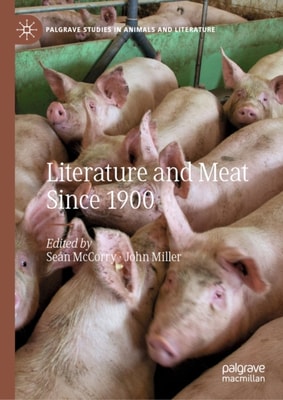
This collection of essays centers on literary representations of meat-eating, bringing aesthetic questions into dialogue with more established research on the ethics and politics of meat.
This book affords a neopragmatic theory of animal ethics, taking its lead from American Pragmatism to place language at the centre of philosophical analysis.