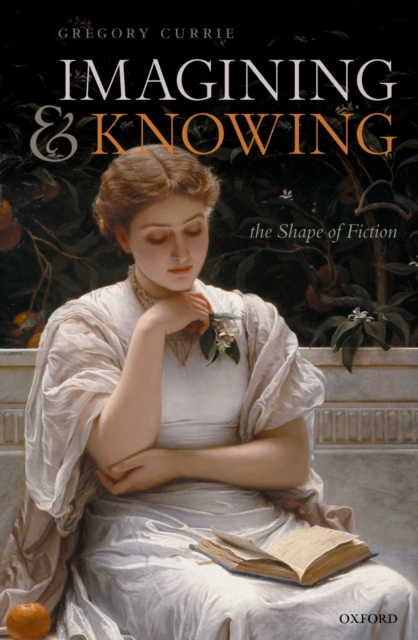
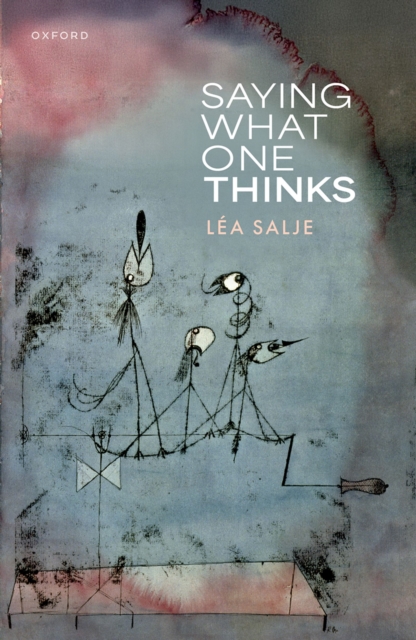
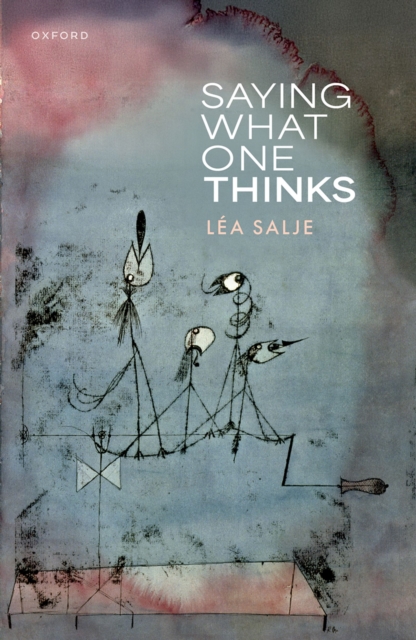
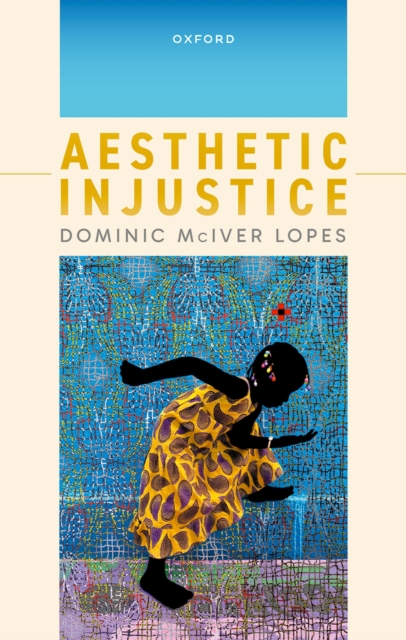
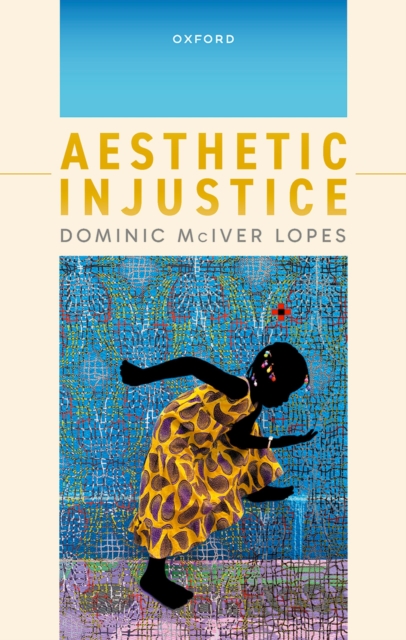
What does it mean to know that something is beautiful, just, or wrong, not as an article of theory, but as something that presses upon us and demands a response?
In this novel approach to metaphysics, the philosophy of science, and philosophical logic, Franz Huber explores means-end derivations of the logics of default conditionals and counterfactuals, modal idealism about possible worlds, and the royal rule, a normative principle relating descriptive normality to conditional belief.
In this novel approach to metaphysics, the philosophy of science, and philosophical logic, Franz Huber explores means-end derivations of the logics of default conditionals and counterfactuals, modal idealism about possible worlds, and the royal rule, a normative principle relating descriptive normality to conditional belief.
What does it mean to know that something is beautiful, just, or wrong, not as an article of theory, but as something that presses upon us and demands a response?
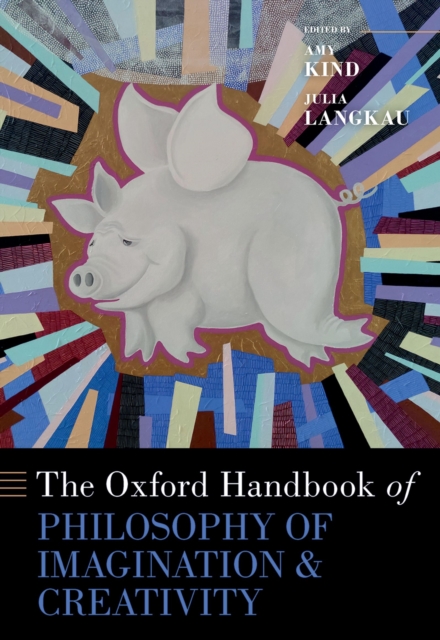
Philosophy has long paid minimal attention to creativity, and even with the rise of research on imagination, the creative imagination has still largely been ignored.
Philosophy has long paid minimal attention to creativity, and even with the rise of research on imagination, the creative imagination has still largely been ignored.
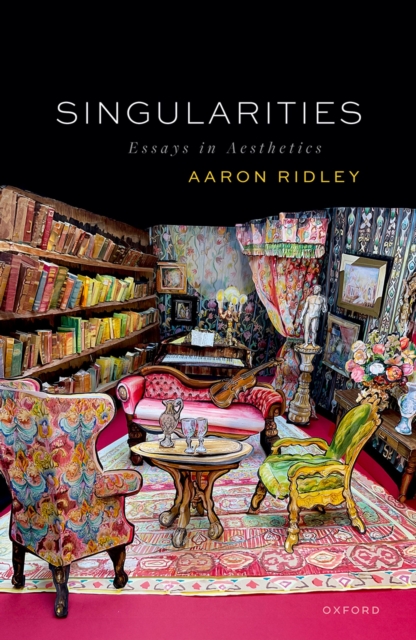
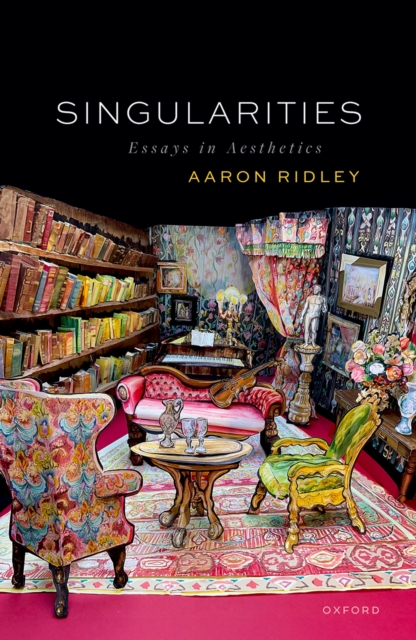
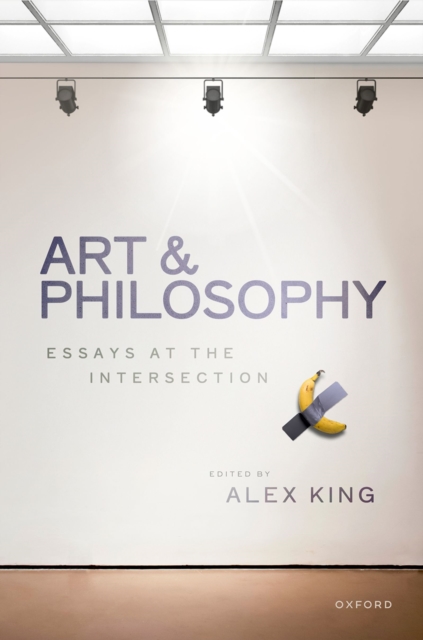
These essays, half of them appearing here for the first time, address issues concerning the two key singularities that Kant identified in aesthetics: artistic creativity and aesthetic judgement.
These essays, half of them appearing here for the first time, address issues concerning the two key singularities that Kant identified in aesthetics: artistic creativity and aesthetic judgement.
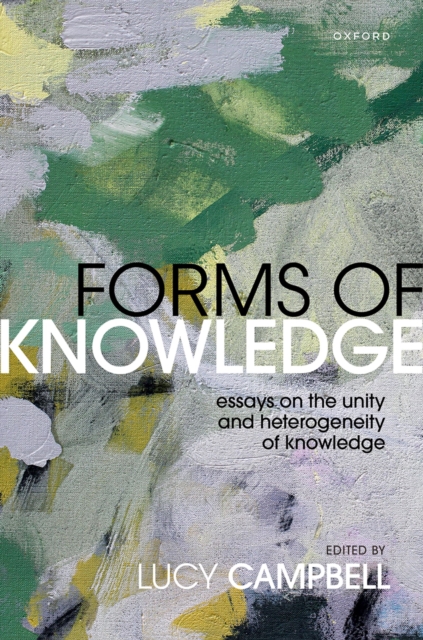
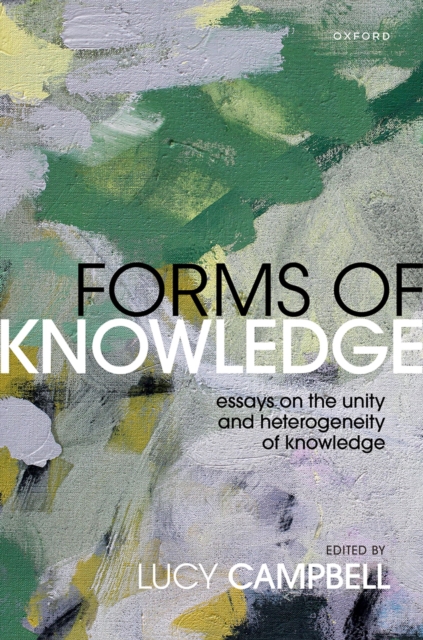
Human knowledge, as we understand it in the everyday, appears to make up a complex category, admitting of numerous forms, species, modes, or variations.
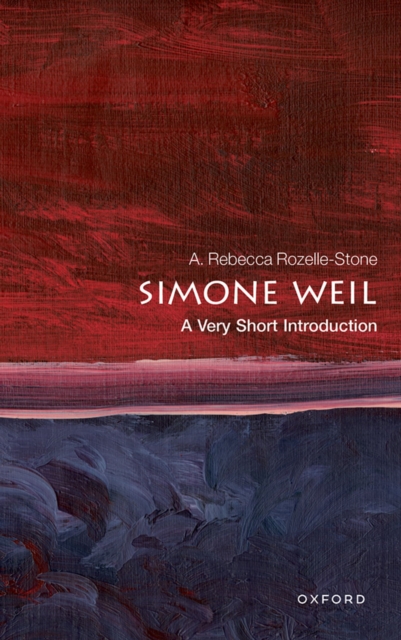
This Very Short Introduction provides an overview of the intriguing and provocative life and ideas of twentieth century French philosopher, mystic, and social activist Simone Weil.
This Very Short Introduction provides an overview of the intriguing and provocative life and ideas of twentieth century French philosopher, mystic, and social activist Simone Weil.
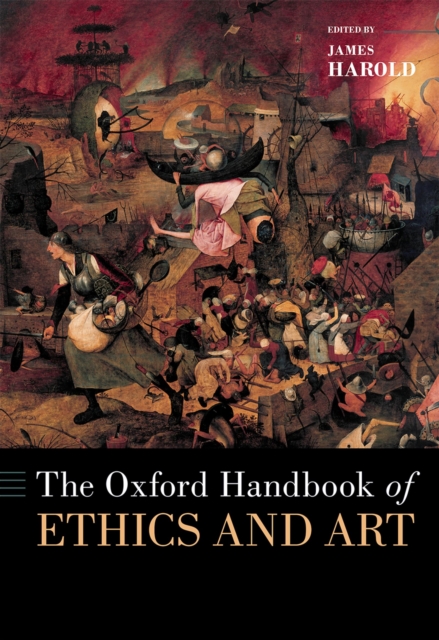
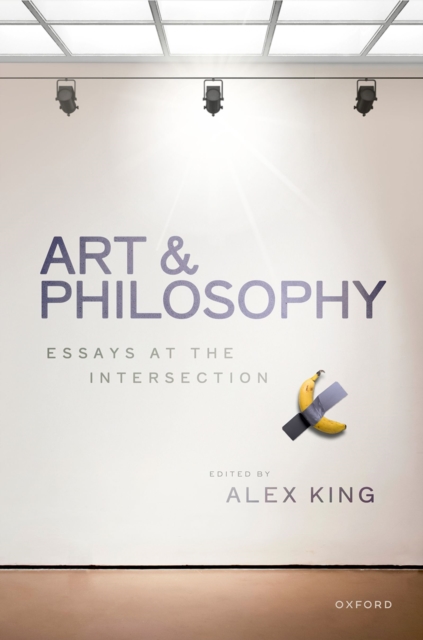
Though a field often thought far from the center of contemporary philosophy, philosophy of art—perhaps more than any other field similarly situated—nevertheless enjoys extensive overlap with and points of exchange at that center.
Immanuel Kant (1724-1804) is a towering figure of modern Western philosophy, someone whose thought continues to exert an influence across all areas of the discipline.
Immanuel Kant (1724-1804) is a towering figure of modern Western philosophy, someone whose thought continues to exert an influence across all areas of the discipline.
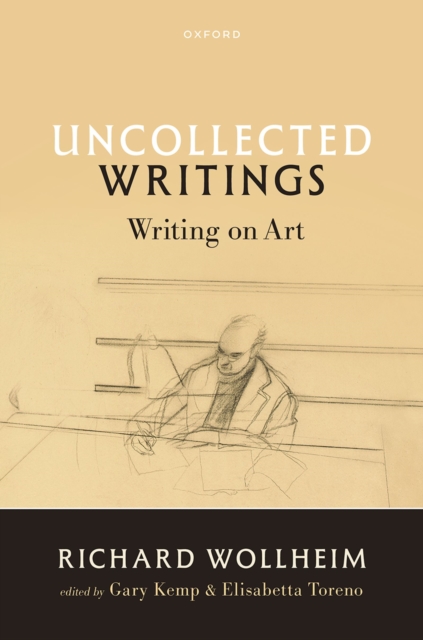
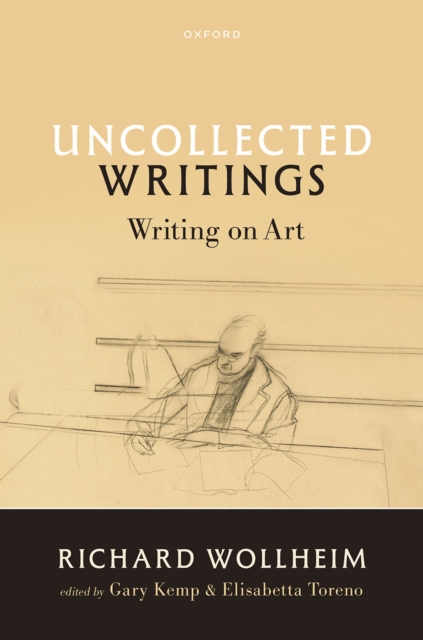
Richard Wollheim's (1923-2003) was the leading voice in the philosophy of art in the Anglo-American tradition during the second half of the twentieth century.
Contrast the glittering palette used to decorate rickshaws on the streets of Mumbai, the phlegmatic angst of Nordic noir, the taut ovoids of Kwakwaka'wakw carving, or the kawaii invasion of parts of Tokyo.
Contrast the glittering palette used to decorate rickshaws on the streets of Mumbai, the phlegmatic angst of Nordic noir, the taut ovoids of Kwakwaka'wakw carving, or the kawaii invasion of parts of Tokyo.
Richard Wollheim's (1923-2003) was the leading voice in the philosophy of art in the Anglo-American tradition during the second half of the twentieth century.
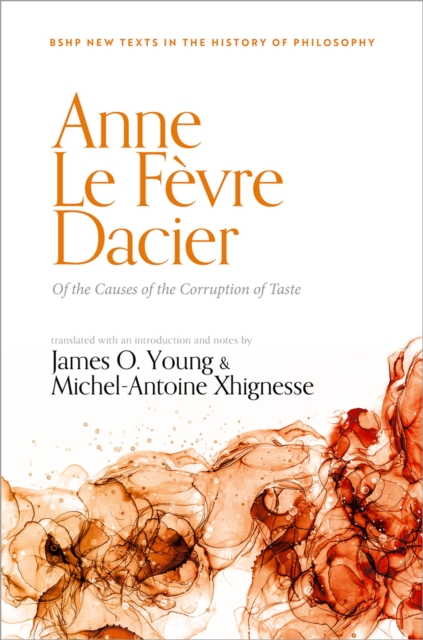
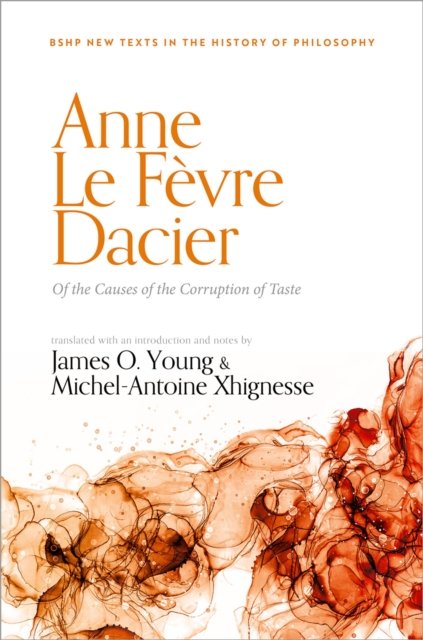
Anne Le Fevre Dacier (1645-1720) was the most important woman of letters of her time and Of the Causes of the Corruption of Taste is her most significant work.
Human knowledge, as we understand it in the everyday, appears to make up a complex category, admitting of numerous forms, species, modes, or variations.
Anne Le Fevre Dacier (1645-1720) was the most important woman of letters of her time and Of the Causes of the Corruption of Taste is her most significant work.
Though a field often thought far from the center of contemporary philosophy, philosophy of art—perhaps more than any other field similarly situated—nevertheless enjoys extensive overlap with and points of exchange at that center.
Mit dem vorkantischen Begriff des Sensus communis verbindet sich das Potenzial, das Verhältnis von Kunst, Moral, Politik und Geschichte neu zu bestimmen.
Mit dem vorkantischen Begriff des Sensus communis verbindet sich das Potenzial, das Verhältnis von Kunst, Moral, Politik und Geschichte neu zu bestimmen.