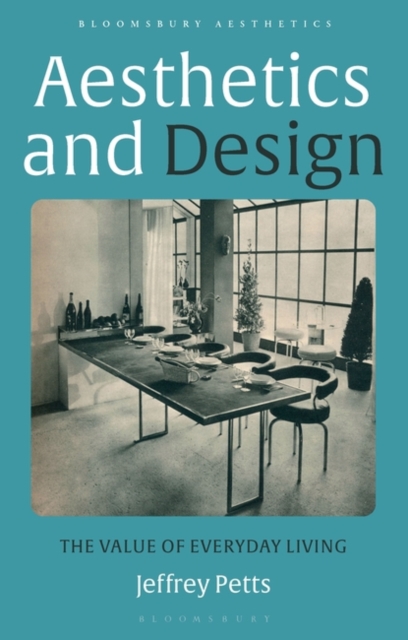
What designers do and how we all, as users of designed things, live with their products raises fundamental philosophical questions about how we should live, and how the nature of design work and good design relates to our lives.
Karl Leonhard Reinhold publizierte Ende der 1780er-Jahre eine Reihe von Schriften, mit denen er beanspruchte, Immanuel Kants geschmackstheoretische Ausführungen der Kritik der Urteilskraft zu antizipieren.
Hegel, herausragender Vertreter der goldenen Ära der euro¬päischen Philosophie, war fasziniert von den Gemälden Rem¬brandts und der goldenen Ära der niederländischen Malerei.
A provocative case for why immortalizing Greek and Roman culture as ';classical' marginalizes and devalues Black lifeGreek and Roman antiquity has been enshrined in disciplines and curricula at all levels of education, perpetuating what the historian of political thought J.
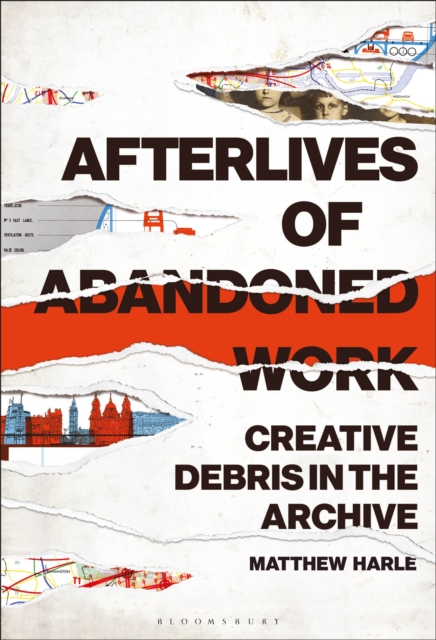
Afterlives of Abandoned Work considers the relevance of unfinished projects to literary history and criticism, looking beyond famous posthumous work to investigate the abandoned everyday, from scrapped plans and rejected ideas to half-written novels or unfinished artistic works.
Embodying Pragmatism is the first monograph in English devoted to Richard Shusterman, an internationally renowned philosopher and one of today's most innovative thinkers in pragmatism and aesthetics.
Brentanos Schriften zur Ästhetik schließen eng an das Grundprinzip der Logik und Ethik, die unmittelbare Einsicht in die Richtigkeit eines Urteils bzw.
Das zentrale, in der Kantforschung nach wie vor umstrittene Problem der Struktur des ästhetischen Urteils wird kontrovers diskutiert und der, von Kant selbst so genannte, Schlüssel zur Kritik des Geschmacks in unterschiedlichen Kontexten erprobt.
Nach seinen grundlegenden Studien Nietzsches Kunst (2000) und Wenn Götzen dämmern (2008) legt Rüdiger Görner mit diesen "denkästhetischen Untersuchungen" von Nietzsches (Selbst)Wahrnehmungen sorgfältig aufeinander abgestimmte Studien vor, die seine früheren Ansätze entscheidend weiter entwickeln und abrunden.
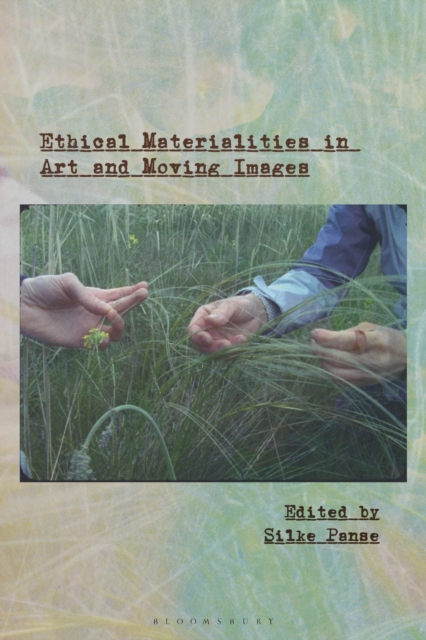
Starting from the premise that after modernism and postmodernism in the Anthropocene an artwork cannot rest upon its separation from the planet, this volume develops new ethical practice and thought with respect to art, philosophy and moving images.
Obwohl Schlegel im Titel seines Essays nur die griechische Poesie erwähnt, hat er im Grunde einen geschichtlichen Überblick über die griechische und moderne Literatur gestaltet.
Sobre las emociones se concibe, tal como indica su autor, como un libro de "filosofía aplicada", recurre a la experimentación y la observación, no considera irrelevante la sabiduría del pasado y tiene muy en cuenta el sentido común.
This fully updated and revised fourth edition of Theory/Theatre is a unique and highly engaging introduction to cultural theory as it relates to theatre and performance.
Entre la multiplicidad de afluentes que convergen en el pensamiento de Benjamin, el que proviene del temprano romanticismo alemán ha recibido una atención signicativamente menor.
Si es que existen las historias y los relatos es porque, gracias a sus facultades imaginativas, los seres humanos han sabido crear dimensiones alternativas dentro de la amplia superficie de realidad que habitan.
This book is about the uses and abuses of political communication in contemporary American society, employing numerous anecdotes and examples and drawings upon the latest research and theories of communication and political science in America.