This book considers the presence of media illiteracy in a world in which we are supposedly consumed by media, live a media life, in a media ecosystem, surrounded by mediated communication.
Dieses eBook: "Lälius oder von der Freundschaft" ist mit einem detaillierten und dynamischen Inhaltsverzeichnis versehen und wurde sorgfältig korrekturgelesen.
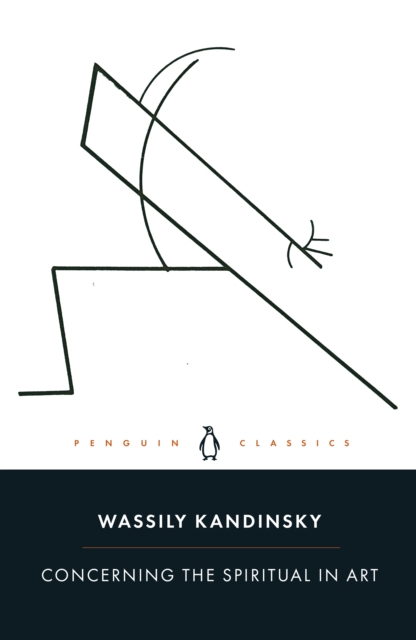
A seminal text in the history of modern art, from one of the most famous artists of the twentieth century Art is the language that speaks to the soul Why do we make art?
El presente escrito, surgido a partir de una reflexión sobre la situación política actual, y nutriéndose del pensamiento del filósofo francés personalista Jacques Maritain, se propone demostrar que sin el concepto de persona humana todas las acciones del hombre pierden por completo su sentido originario.
En nombre de un ataque a las nociones de "totalidad" e "identidad", un gran número de teóricos contemporáneos se ocuparon de echar los proyectos utópicos y dialécticos del marxismo por el desagüe del posmodernismo y la "pospolítica".
En busca de las palabras reúne los textos críticos y filosóficos sobre literatura y arte escritos por Oscar del Barco a lo largo de más de cuarenta años.
Starting from the premise that after modernism and postmodernism in the Anthropocene an artwork cannot rest upon its separation from the planet, this volume develops new ethical practice and thought with respect to art, philosophy and moving images.
No pocos libros se han dedicado a intentar despejar invariantes que permitan reunir a un conjunto de autores diversos en una misma orientación de pensamiento.
En el prólogo a "L'uso dei corpi", Giorgio Agamben retoma la figura de Guy Debord bajo la afectividad de una vida clandestina, o mejor, de una vida privada vivida como clandestina, una vida singular que rehúye y resiste las formas de la legalidad y de lo público.
Reading Baudelaire with Adorno examines Charles Baudelaire's oeuvre - including verse poems, prose poems, and critical writings - in dialogue with the aesthetic theory of Theodor Adorno, for whom the autonomy of the artwork critically resists any attempt to view it merely as a product of its socio-historic context.
Reading Baudelaire with Adorno examines Charles Baudelaire's oeuvre - including verse poems, prose poems, and critical writings - in dialogue with the aesthetic theory of Theodor Adorno, for whom the autonomy of the artwork critically resists any attempt to view it merely as a product of its socio-historic context.
Unfreezing Music Education argues that discussing the conflicting meanings of music should occupy a more central role in formal music education and music teacher preparation programs than is currently the case.
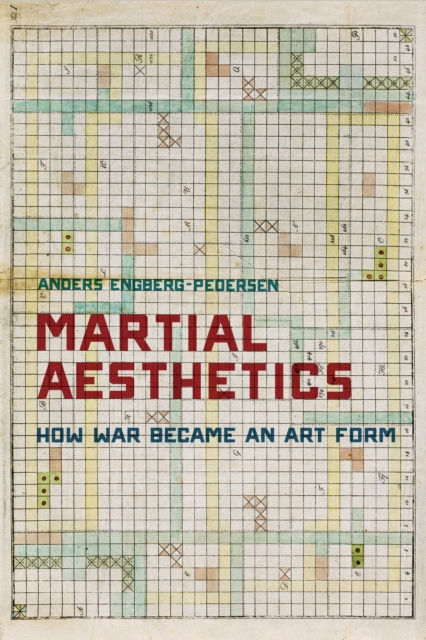
The twenty-first century has witnessed a pervasive militarization of aesthetics with Western military institutions co-opting the creative worldmaking of art and merging it with the destructive forces of warfare.
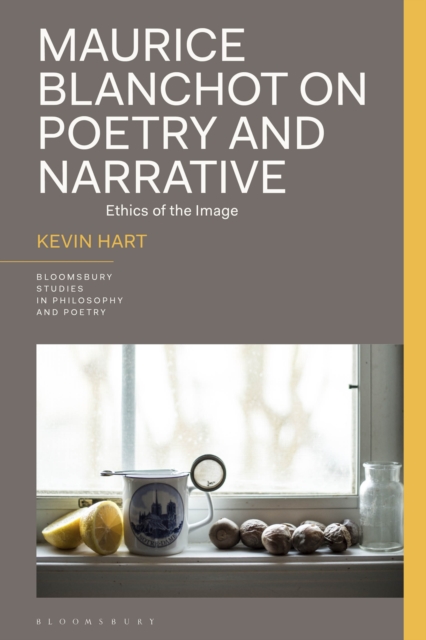
Blanchot and his writings on three major poets, Mallarm , H lderlin, and Char, provide a decisive new point of departure for English language criticism of his philosophical writings on narrative in this study by leading Blanchot scholar, Kevin Hart.
Blanchot and his writings on three major poets, Mallarm , H lderlin, and Char, provide a decisive new point of departure for English language criticism of his philosophical writings on narrative in this study by leading Blanchot scholar, Kevin Hart.
Questions about how to negotiate belief and non-belief in social and public spheres are attracting an increasing amount of attention from academics in a range of disciplines, and from concerned members of the public.
The Decision Between Us combines an inventive reading of Jean-Luc Nancy with queer theoretical concerns to argue that while scenes of intimacy are spaces of sharing, they are also spaces of separation.
This book provides a thorough analysis focused on the sound expression produced by human-crafted musical instrument - a pipe organ, in which various components blend into a complex whole to produce a wide range of timbres.
This book explores the nature of Jung's understanding of modern art, in particular his reception to the work of Picasso and his striking prejudice shown in his controversial essay of 1932.
This book explores the nature of Jung's understanding of modern art, in particular his reception to the work of Picasso and his striking prejudice shown in his controversial essay of 1932.