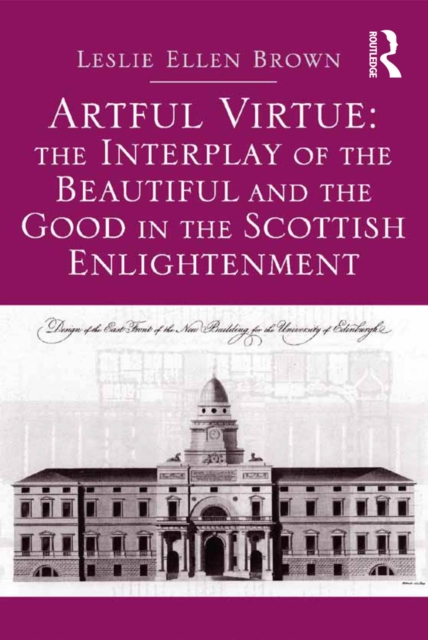
During the Scottish Enlightenment the relationship between aesthetics and ethics became deeply ingrained: beauty was the sensible manifestation of virtue; the fine arts represented the actions of a virtuous mind; to deeply understand artful and natural beauty was to identify with moral beauty; and the aesthetic experience was indispensable in making value judgments.
Augenblick, meaning literally 'In the blink of an eye', describes a 'decisive moment' in time that is both fleeting yet momentously eventful, even epoch-makingly significant.
Augenblick, meaning literally 'In the blink of an eye', describes a 'decisive moment' in time that is both fleeting yet momentously eventful, even epoch-makingly significant.
Cinesexuality explores the queerness of cinema spectatorship, arguing that cinema spectatorship represents a unique encounter of desire, pleasure and perversion beyond dialectics of subject/object and image/meaning; an extraordinary 'cinesexual' relationship, that encompasses each event of cinema spectatorship in excess of gender, hetero- or homosexuality, encouraging all spectators to challenge traditional notions of what elicits pleasure and constitutes desiring subjectivity.
Cinesexuality explores the queerness of cinema spectatorship, arguing that cinema spectatorship represents a unique encounter of desire, pleasure and perversion beyond dialectics of subject/object and image/meaning; an extraordinary 'cinesexual' relationship, that encompasses each event of cinema spectatorship in excess of gender, hetero- or homosexuality, encouraging all spectators to challenge traditional notions of what elicits pleasure and constitutes desiring subjectivity.
This collection of essays and interviews addresses important theoretical, philosophical and creative issues in Western art music at the end of the twentieth- and the beginning of the twenty-first centuries.
This collection of essays and interviews addresses important theoretical, philosophical and creative issues in Western art music at the end of the twentieth- and the beginning of the twenty-first centuries.
Addressing the essential question of the relationship between ethics and aesthetics in Deleuze's philosophy this book provides clear indications of the practical implications of Deleuze's approach to the arts through detailed analyses of the ethical dimension of artistic activity in literature, music, and film.
Addressing the essential question of the relationship between ethics and aesthetics in Deleuze's philosophy this book provides clear indications of the practical implications of Deleuze's approach to the arts through detailed analyses of the ethical dimension of artistic activity in literature, music, and film.
Katya Mandoki advances in this book the thesis that it is not only possible but crucial to open up the field of aesthetics (traditionally confined to the study of art and beauty) toward the richness and complexity of everyday life.
Katya Mandoki advances in this book the thesis that it is not only possible but crucial to open up the field of aesthetics (traditionally confined to the study of art and beauty) toward the richness and complexity of everyday life.
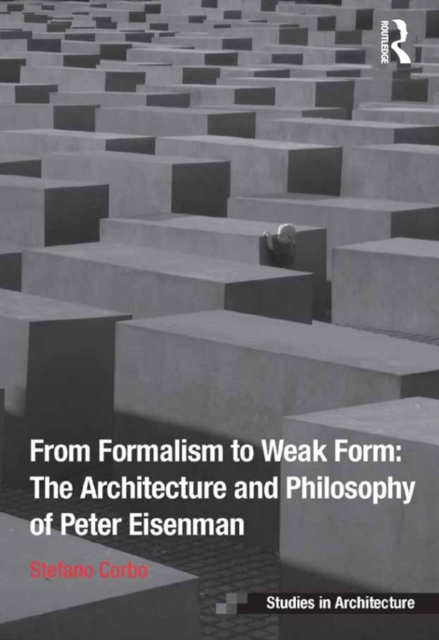
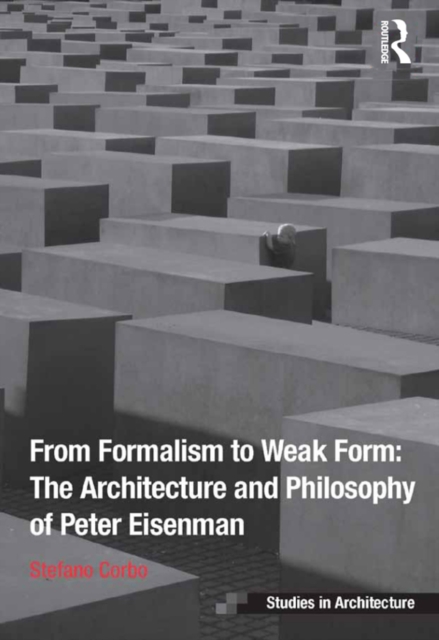
Peter Eisenman is one of the most controversial protagonists of the architectural scene, who is known as much for his theoretical essays as he is for his architecture.
Peter Eisenman is one of the most controversial protagonists of the architectural scene, who is known as much for his theoretical essays as he is for his architecture.
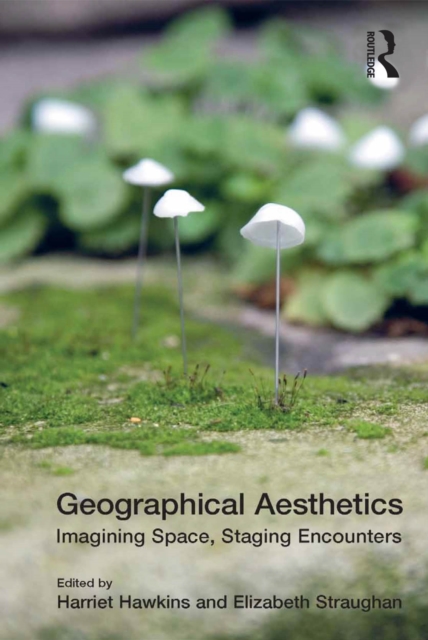
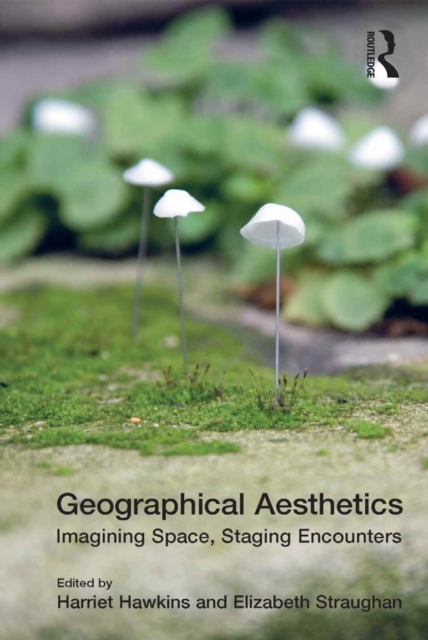
Geographical Aesthetics places the terms 'aesthetics' and 'geography' under critical question together, responding both to the increasing calls from within geography to develop a 'geographical aesthetics', and a resurgence of interdisciplinary interest in conceptual and empirical questions around geoaesthetics, environmental aesthetics, as well as the spatialities of the aesthetic.
Geographical Aesthetics places the terms 'aesthetics' and 'geography' under critical question together, responding both to the increasing calls from within geography to develop a 'geographical aesthetics', and a resurgence of interdisciplinary interest in conceptual and empirical questions around geoaesthetics, environmental aesthetics, as well as the spatialities of the aesthetic.
Two crucial moments in the formation and disintegration of musical modernity and the musical canon occurred at the turn of the seventeenth and the first half of the twentieth century.
Two crucial moments in the formation and disintegration of musical modernity and the musical canon occurred at the turn of the seventeenth and the first half of the twentieth century.
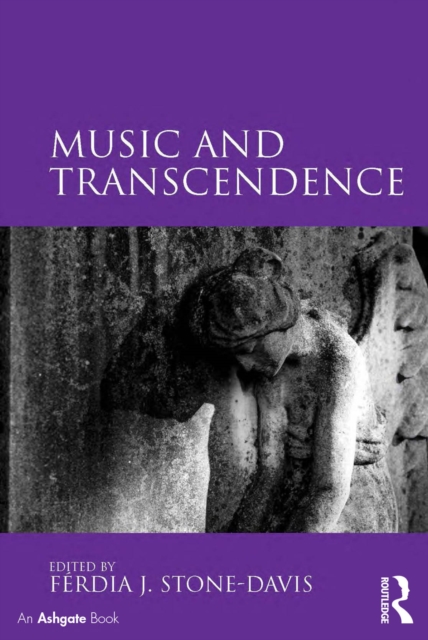
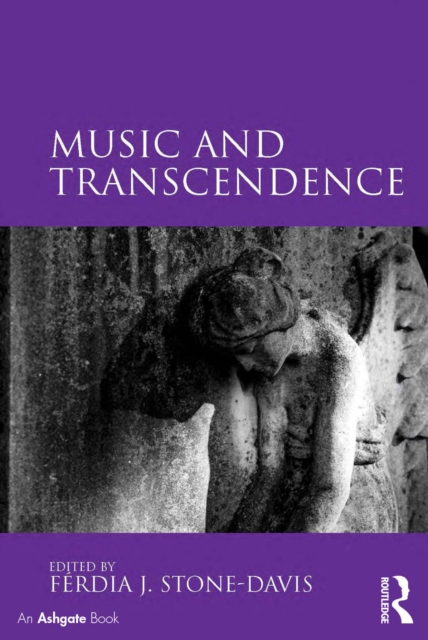
Music and Transcendence explores the ways in which music relates to transcendence by bringing together the disciplines of musicology, philosophy and theology, thereby uncovering congruencies between them that have often been obscured.
Music and Transcendence explores the ways in which music relates to transcendence by bringing together the disciplines of musicology, philosophy and theology, thereby uncovering congruencies between them that have often been obscured.
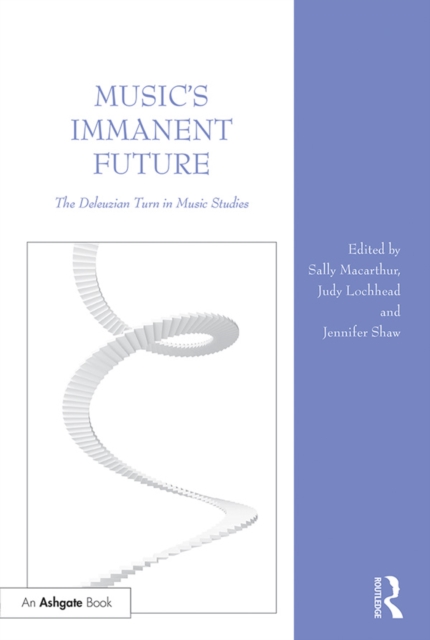
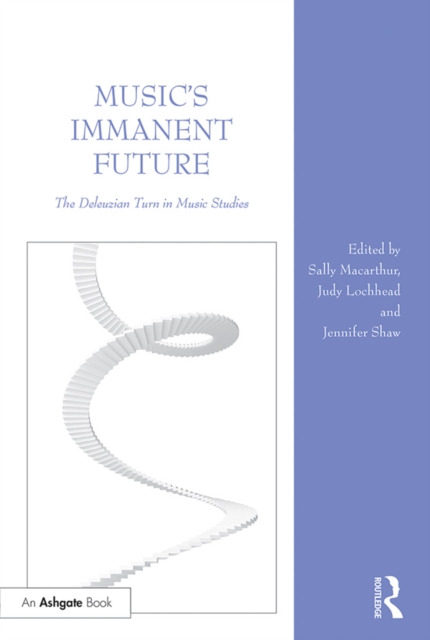
The conversations generated by the chapters in Music's Immanent Future grapple with some of music's paradoxes: that music of the Western art canon is viewed as timeless and universal while other kinds of music are seen as transitory and ephemeral; that in order to make sense of music we need descriptive language; that to open up the new in music we need to revisit the old; that to arrive at a figuration of music itself we need to posit its starting point in noise; that in order to justify our creative compositional works as research, we need to find critical languages and theoretical frameworks with which to discuss them; or that despite being an auditory system, we are compelled to resort to the visual metaphor as a way of thinking about musical sounds.
The conversations generated by the chapters in Music's Immanent Future grapple with some of music's paradoxes: that music of the Western art canon is viewed as timeless and universal while other kinds of music are seen as transitory and ephemeral; that in order to make sense of music we need descriptive language; that to open up the new in music we need to revisit the old; that to arrive at a figuration of music itself we need to posit its starting point in noise; that in order to justify our creative compositional works as research, we need to find critical languages and theoretical frameworks with which to discuss them; or that despite being an auditory system, we are compelled to resort to the visual metaphor as a way of thinking about musical sounds.
Through cross-disciplinary explorations of and engagements with nature as a forming part of architecture, this volume sheds light on the concepts of both nature and architecture.
Through cross-disciplinary explorations of and engagements with nature as a forming part of architecture, this volume sheds light on the concepts of both nature and architecture.
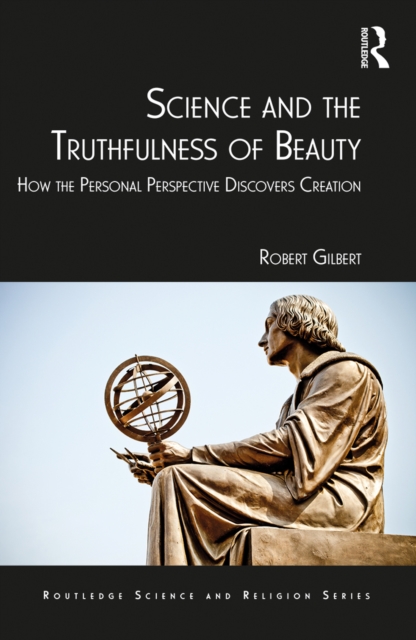
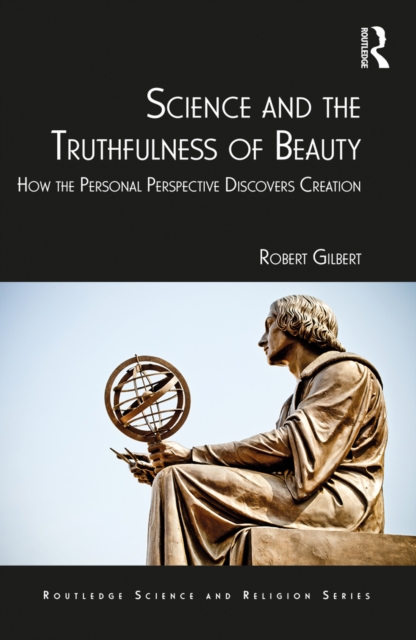
When scientists describe their results or insights as 'beautiful', are they using the term differently from when they use it of a landscape, music or another person?
When scientists describe their results or insights as 'beautiful', are they using the term differently from when they use it of a landscape, music or another person?
It is the contention of the editors and contributors of this volume that the work carried out by Gilles Deleuze, where rigorously applied, has the potential to cut through much of the intellectual sedimentation that has settled in the fields of music studies.
It is the contention of the editors and contributors of this volume that the work carried out by Gilles Deleuze, where rigorously applied, has the potential to cut through much of the intellectual sedimentation that has settled in the fields of music studies.
This collection of essays by distinguished authors explores the present-day field of theological aesthetics: from von Balthasar's contribution and parallel developments to correctives and alternatives to his approach.
This collection of essays by distinguished authors explores the present-day field of theological aesthetics: from von Balthasar's contribution and parallel developments to correctives and alternatives to his approach.
Part of the "e;Longman Library of Primary Sources in Philosophy,"e; this first volume of Schopenhauer's The World as Will and Presentation is framed by a pedagogical structure designed to make this important work of philosophy more accessible and meaningful for undergraduates.
Part of the "e;Longman Library of Primary Sources in Philosophy,"e; this first volume of Schopenhauer's The World as Will and Presentation is framed by a pedagogical structure designed to make this important work of philosophy more accessible and meaningful for undergraduates.
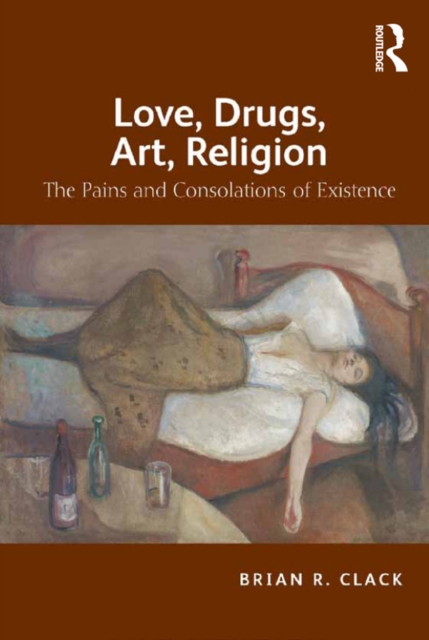
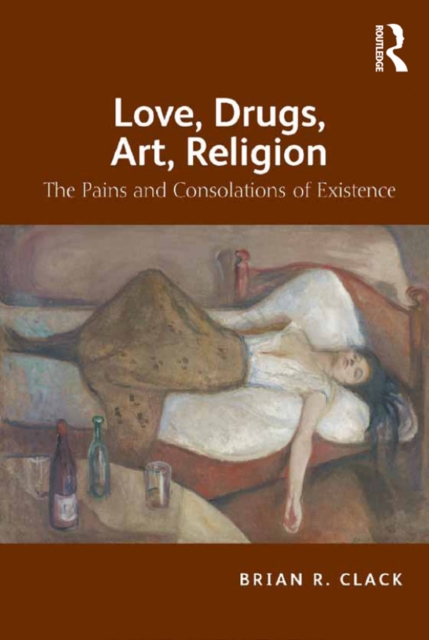
The author's primary purpose in this short book is to clearly define the nature of value and restore it to a central place in discussions of ethical and aesthetic problems.