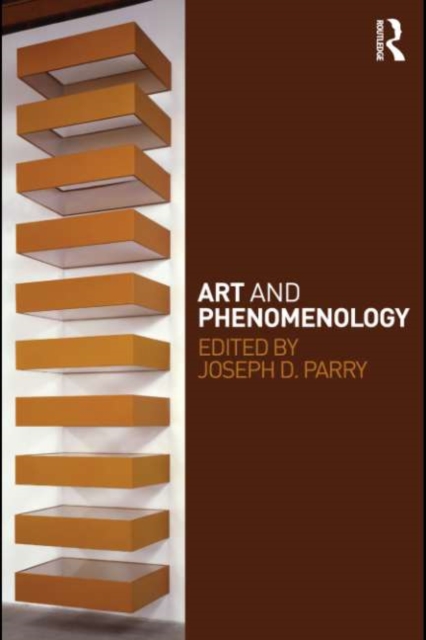
A collaborative undertaking between an artist and a philosopher, this monograph attempts to deepen our understanding of 'contemplative seeing' by addressing the works of Plato, Thoreau, Heidegger, and more.
Community Without Community in Digital Culture presents the view that our digital culture is determined not by greater connection, but by the separation and gap that is a necessary concomitant of our fundamental technicity.
Explores the growing importance of aesthetic factors in the success of brands and the reluctance of brand managers and academics to deal with these issues.
Rives uncovers a context of aesthetic and social debate that modernist studies has yet to fully articulate, examining what it meant, for various intellectuals working in early twentieth-century Britain and America, to escape from personality.
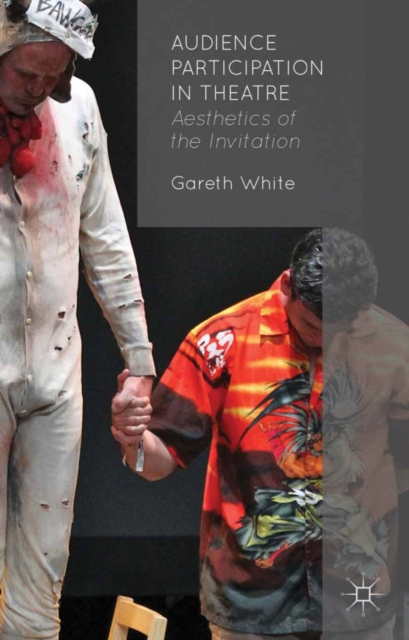
This book asks that we consider the practices that facilitate audience participation on equal terms with other elements of the theatre maker's art; it offers a theoretical basis for this new approach, illustrated by examples from diverse participatory performances.
Paul de Man - literary critic, literary philosopher, "e;American deconstructionist"e; - changed the landscape of criticism through his rigorous theories and writings.
Paul de Man - literary critic, literary philosopher, "e;American deconstructionist"e; - changed the landscape of criticism through his rigorous theories and writings.
Literary scholarship has paid little serious attention to Habermas' philosophy, and, on the other hand, the reception of Habermas has given little attention to the role that literary practice can play in a broader theory of communicative action.
Literary scholarship has paid little serious attention to Habermas' philosophy, and, on the other hand, the reception of Habermas has given little attention to the role that literary practice can play in a broader theory of communicative action.
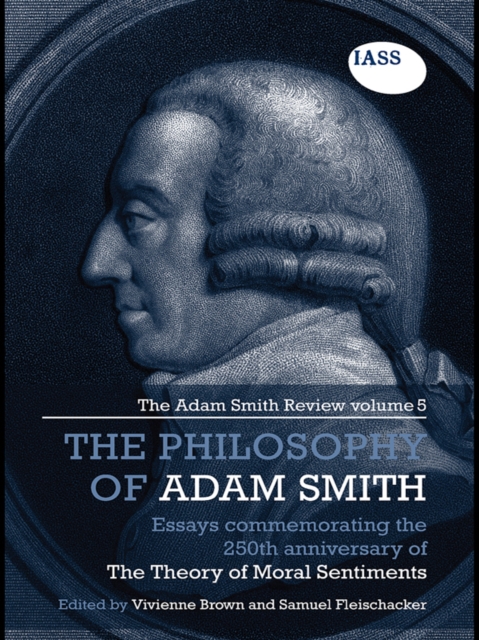
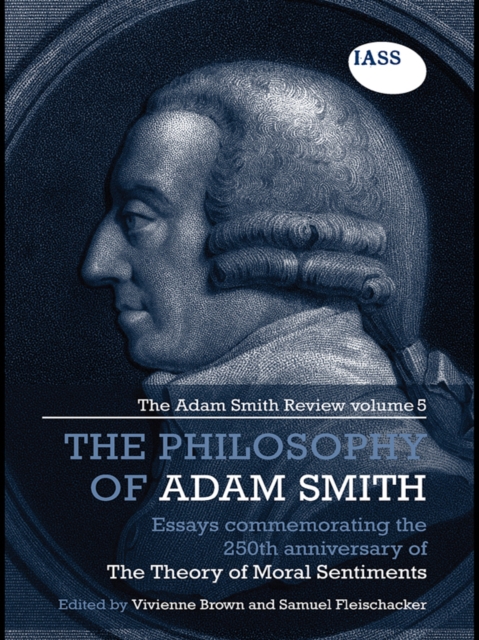
Adam Smith's contribution to economics is well-recognised but in recent years scholars have been exploring anew the multidisciplinary nature of his works.
Adam Smith's contribution to economics is well-recognised but in recent years scholars have been exploring anew the multidisciplinary nature of his works.
Walter Benjamin has become a decisive reference point for a whole range of critical disciplines, as he constructed a unique and provocative synthesis of aesthetics, politics and philosophy.
Walter Benjamin has become a decisive reference point for a whole range of critical disciplines, as he constructed a unique and provocative synthesis of aesthetics, politics and philosophy.
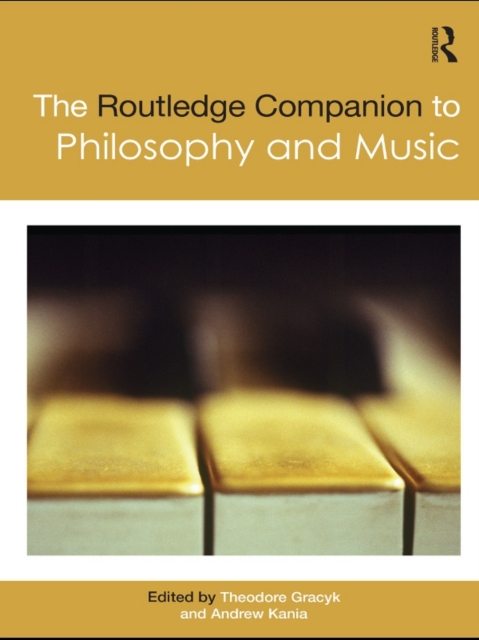
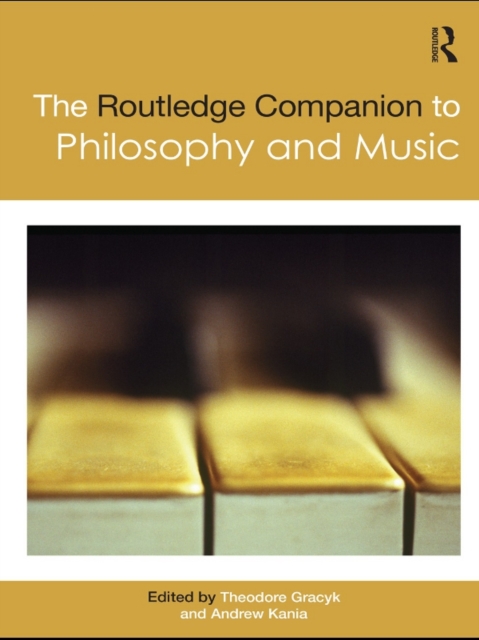
The Routledge Companion to Philosophy and Music is an outstanding guide and reference source to the key topics, subjects, thinkers and debates in philosophy and music.
The Routledge Companion to Philosophy and Music is an outstanding guide and reference source to the key topics, subjects, thinkers and debates in philosophy and music.
Since the publication of his mammoth work, Being and Time, Martin Heidegger has remained one of the most influential figures in contemporary thought, and is a key influence for modern literary and cultural theory.
Since the publication of his mammoth work, Being and Time, Martin Heidegger has remained one of the most influential figures in contemporary thought, and is a key influence for modern literary and cultural theory.
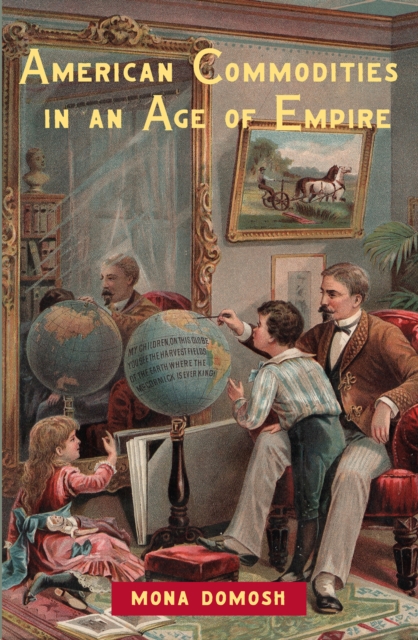
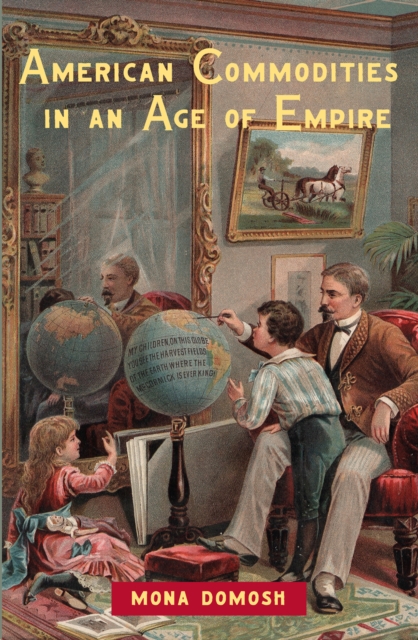
This is a novel interpretation of the relationship between consumerism, commercialism, and imperialism during the first empire building era of America in the late nineteenth and early twentieth centuries.
This is a novel interpretation of the relationship between consumerism, commercialism, and imperialism during the first empire building era of America in the late nineteenth and early twentieth centuries.
The latest scholarship on one of today's most pressing issues Today, it is obvious that sexual content is a prevalent aspect of the media and that the intensity of this content has increased in recent years.
The latest scholarship on one of today's most pressing issues Today, it is obvious that sexual content is a prevalent aspect of the media and that the intensity of this content has increased in recent years.
In engaging with the full range of 'the arts', contributors to this volume consider the relationship between law, justice, the ethical and the aesthetic.
In engaging with the full range of 'the arts', contributors to this volume consider the relationship between law, justice, the ethical and the aesthetic.
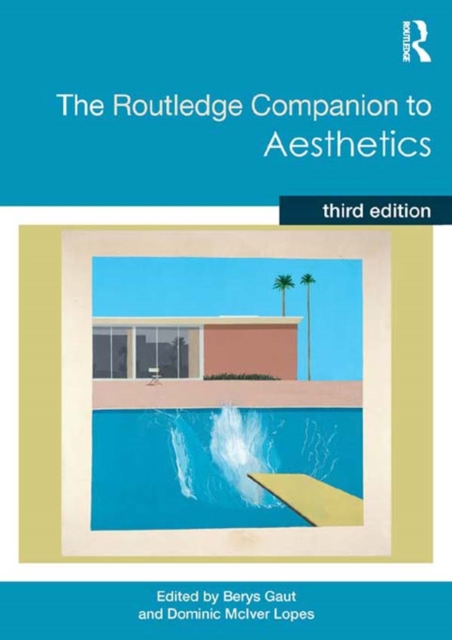
The third edition of the acclaimed Routledge Companion to Aesthetics contains over sixty chapters written by leading international scholars covering all aspects of aesthetics.
The third edition of the acclaimed Routledge Companion to Aesthetics contains over sixty chapters written by leading international scholars covering all aspects of aesthetics.
Sex in Consumer Culture: The Erotic Content of Media and Marketing considers the use of sex to promote brands, magazines, video games, TV programming, music, and movies.
Sex in Consumer Culture: The Erotic Content of Media and Marketing considers the use of sex to promote brands, magazines, video games, TV programming, music, and movies.
Released in 1999, Fight Club is David Fincher's popular adaption of Chuck Palahniuk's cult novel, and one of the most philosophically rich films of recent years.
Released in 1999, Fight Club is David Fincher's popular adaption of Chuck Palahniuk's cult novel, and one of the most philosophically rich films of recent years.
The historic encounter around 1911 between the composer Arnold Schonberg and the painter Wassily Kandinsky occurred at a moment when the first wild revolts against traditional art, Dada and Futurism, had just manifested themselves.
The historic encounter around 1911 between the composer Arnold Schonberg and the painter Wassily Kandinsky occurred at a moment when the first wild revolts against traditional art, Dada and Futurism, had just manifested themselves.
The fourteen essays collected in this volume, notwithstanding their diversity of subject matter and approach, share a concern with the contexts to which we need to refer in order to understand not only the origins, but also the potential of Mikhail Bakhtin's thought: contexts both immediate and oblique, personal and impersonal, intellectual and theoretical.
The fourteen essays collected in this volume, notwithstanding their diversity of subject matter and approach, share a concern with the contexts to which we need to refer in order to understand not only the origins, but also the potential of Mikhail Bakhtin's thought: contexts both immediate and oblique, personal and impersonal, intellectual and theoretical.