Religions in the Modern World: Traditions and Transformations, Third Edition is the ideal textbook for those coming to the study of religion for the first time, as well as for those who wish to keep up-to-date with the latest perspectives in the field.
Religions in the Modern World: Traditions and Transformations, Third Edition is the ideal textbook for those coming to the study of religion for the first time, as well as for those who wish to keep up-to-date with the latest perspectives in the field.
The Buddhist World joins a series of books on the world's great religions and cultures, offering a lively and up-to-date survey of Buddhist studies for students and scholars alike.
The Buddhist World joins a series of books on the world's great religions and cultures, offering a lively and up-to-date survey of Buddhist studies for students and scholars alike.
This book, first published in 1908, is a result of Helen Barrett Montgomery's visits to Japan, and the way in which she experienced Japanese life and culture.
This book, first published in 1908, is a result of Helen Barrett Montgomery's visits to Japan, and the way in which she experienced Japanese life and culture.
The governance arrangements put in place for Siberia and Mongolia after the collapse of the Qing and Russian Empires were highly unusual, experimental and extremely interesting.
The governance arrangements put in place for Siberia and Mongolia after the collapse of the Qing and Russian Empires were highly unusual, experimental and extremely interesting.
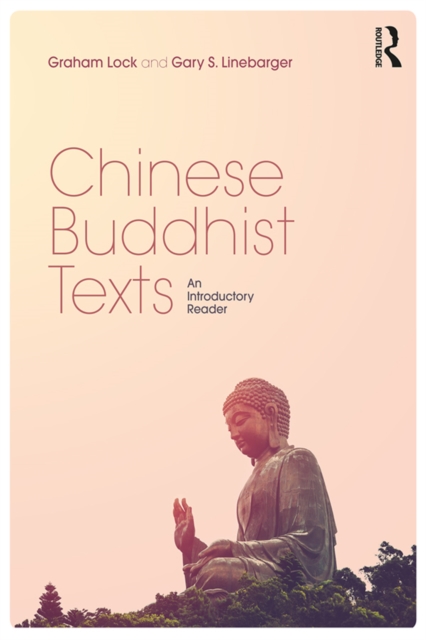
The influence of Buddhism on the Chinese language, on Chinese literature and on Chinese culture in general cannot be overstated, and the language of most Chinese Buddhist texts differs considerably from both Classical and Modern Chinese.
The influence of Buddhism on the Chinese language, on Chinese literature and on Chinese culture in general cannot be overstated, and the language of most Chinese Buddhist texts differs considerably from both Classical and Modern Chinese.
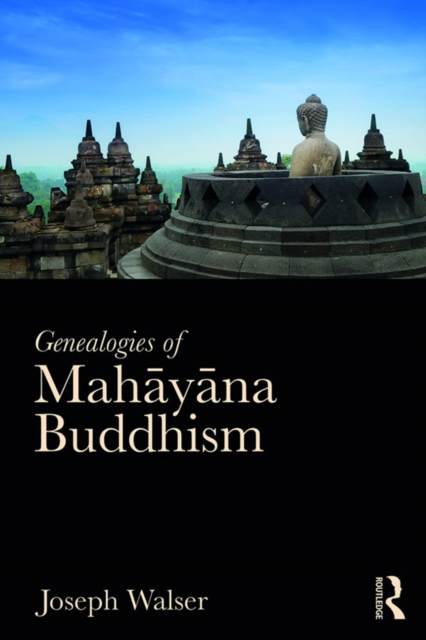
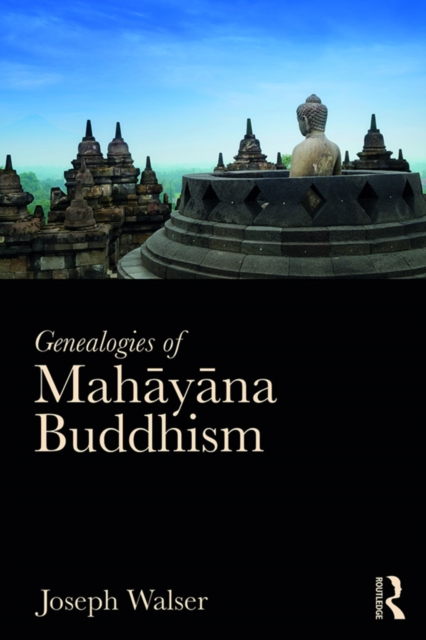
Genealogies of Mahayana Buddhism offers a solution to a problem that some have called the holy grail of Buddhist studies: the problem of the "e;origins"e; of Mahayana Buddhism.
Genealogies of Mahayana Buddhism offers a solution to a problem that some have called the holy grail of Buddhist studies: the problem of the "e;origins"e; of Mahayana Buddhism.
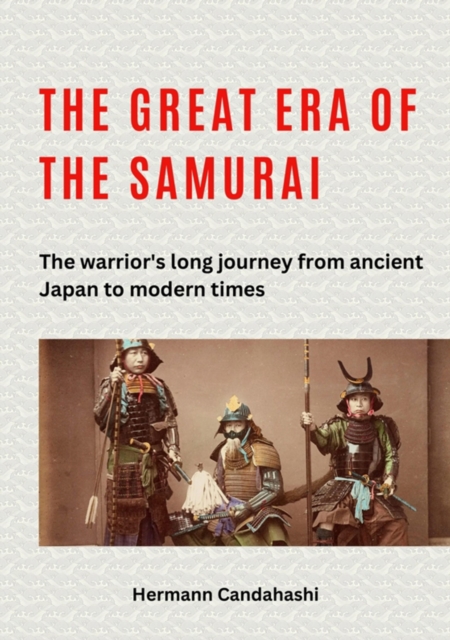
Immerse yourself in the fascinating world of the samurai with "e;The Great Age of the Samurai - The Warrior's Long Journey from Ancient Japan to Modern Times"e;.
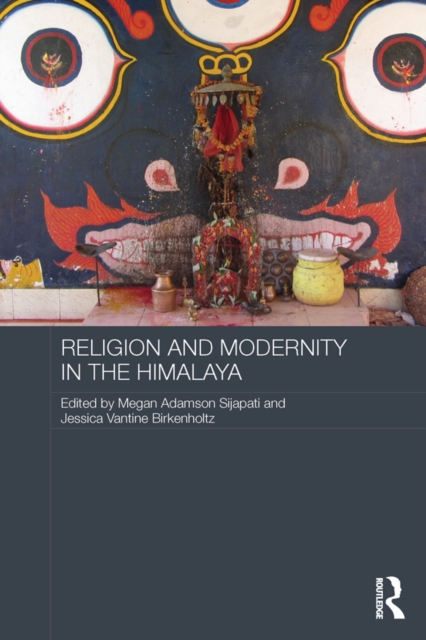
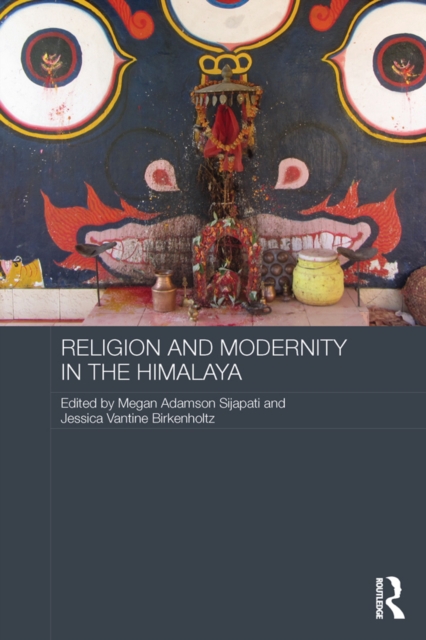
Theravada Buddhism has experienced a powerful and far-reaching revival in modern Nepal, especially among the Newar Buddhist laity, many of whom are reorganizing their lives according to its precepts, practices and ideals.
Theravada Buddhism has experienced a powerful and far-reaching revival in modern Nepal, especially among the Newar Buddhist laity, many of whom are reorganizing their lives according to its precepts, practices and ideals.
Although recent scholarship has shown that the term 'Theravada' in the familiar modern sense is a nineteenth- and twentieth-century construct, it is now used to refer to the more than 150 million people around the world who practice that form of Buddhism.
Although recent scholarship has shown that the term 'Theravada' in the familiar modern sense is a nineteenth- and twentieth-century construct, it is now used to refer to the more than 150 million people around the world who practice that form of Buddhism.
This study presents details about the life and philosophy of the founder of Buddhism, Prince Gautama of India or the Buddha, in the form of a poem as told from an imaginary Buddhist character.
This study presents details about the life and philosophy of the founder of Buddhism, Prince Gautama of India or the Buddha, in the form of a poem as told from an imaginary Buddhist character.
Using a commentary on the influential text, the Manjusri-namasamgiti, 'The Chanting of the Names of Manjusri', this book deals with Buddhist tantric meditation practice and its doctrinal context in early-medieval India.
Using a commentary on the influential text, the Manjusri-namasamgiti, 'The Chanting of the Names of Manjusri', this book deals with Buddhist tantric meditation practice and its doctrinal context in early-medieval India.
Drawing from more than a decade of field and archival research, this monograph concerns Cambodian cultural history and historiography, with an ultimate aim of broadening and deepening bases for understanding the Cambodian Theravadin politico-cultural complex.
Drawing from more than a decade of field and archival research, this monograph concerns Cambodian cultural history and historiography, with an ultimate aim of broadening and deepening bases for understanding the Cambodian Theravadin politico-cultural complex.
This book, first published in 1994, is a compendium of new translations of certain works regarded as fundamental texts in the Serene Reflection Buddhist Tradition (Soto Zen).
This book, first published in 1994, is a compendium of new translations of certain works regarded as fundamental texts in the Serene Reflection Buddhist Tradition (Soto Zen).
This book, first published as two volumes in 1977 and 1978, was published purely for the purpose of showing how Buddhist training was done by the Reverend Jiyu-Kennett in the Far East.
This book, first published as two volumes in 1977 and 1978, was published purely for the purpose of showing how Buddhist training was done by the Reverend Jiyu-Kennett in the Far East.
A succinct, uncompromising study of what it means to help other people, this book, first published in 1978, examines the helping process in the light of the principles of Zen Buddhism.
A succinct, uncompromising study of what it means to help other people, this book, first published in 1978, examines the helping process in the light of the principles of Zen Buddhism.
In the late 1980s and early 1990s, the relative calm world of Japanese Buddhist scholarship was thrown into chaos with the publication of several works by Buddhist scholars Hakamaya Noriaki and Matsumoto Shiro, dedicated to the promotion of something they called Critical Buddhism (hihan bukkyo).
In the late 1980s and early 1990s, the relative calm world of Japanese Buddhist scholarship was thrown into chaos with the publication of several works by Buddhist scholars Hakamaya Noriaki and Matsumoto Shiro, dedicated to the promotion of something they called Critical Buddhism (hihan bukkyo).
This book examines the potential of conducting studies in comparative hagiology, through parallel literary and historical analyses of spiritual life writings pertaining to distinct religious contexts.