This book examines the potential of conducting studies in comparative hagiology, through parallel literary and historical analyses of spiritual life writings pertaining to distinct religious contexts.
Dialogue between characters is an important feature of South Asian religious literature: entire narratives are often presented as a dialogue between two or more individuals, or the narrative or discourse is presented as a series of embedded conversations from different times and places.
Dialogue between characters is an important feature of South Asian religious literature: entire narratives are often presented as a dialogue between two or more individuals, or the narrative or discourse is presented as a series of embedded conversations from different times and places.
This book suggests that previous critiques of the rules of Buddhist monks (Vinaya) may now be reconsidered in order to deal with some of the assumptions concerning the legal nature of these rules and to provide a focus on how Vinaya texts may have actually operated in practice.
This book suggests that previous critiques of the rules of Buddhist monks (Vinaya) may now be reconsidered in order to deal with some of the assumptions concerning the legal nature of these rules and to provide a focus on how Vinaya texts may have actually operated in practice.
Jataka stories (stories about the previous births of the Buddha) are very popular in Theravada Buddhist countries, where they are found in both canonical texts and later compositions and collections, and are commonly used in sermons, children's books, plays, poetry, temple illustrations, rituals and festivals.
Jataka stories (stories about the previous births of the Buddha) are very popular in Theravada Buddhist countries, where they are found in both canonical texts and later compositions and collections, and are commonly used in sermons, children's books, plays, poetry, temple illustrations, rituals and festivals.
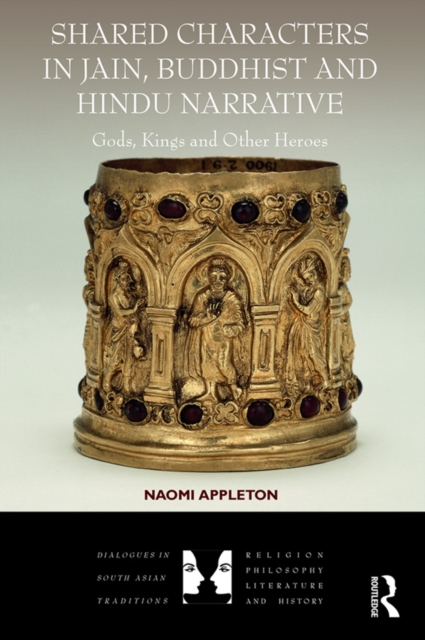
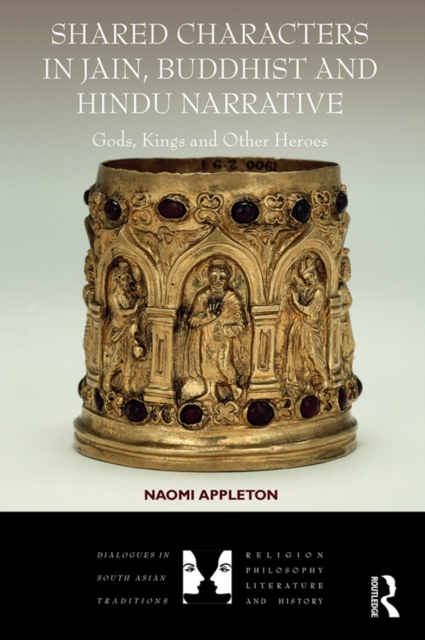
Taking a comparative approach which considers characters that are shared across the narrative traditions of early Indian religions (Brahmanical Hinduism, Jainism and Buddhism) Shared Characters in Jain, Buddhist and Hindu Narrative explores key religious and social ideals, as well as points of contact, dialogue and contention between different worldviews.
Taking a comparative approach which considers characters that are shared across the narrative traditions of early Indian religions (Brahmanical Hinduism, Jainism and Buddhism) Shared Characters in Jain, Buddhist and Hindu Narrative explores key religious and social ideals, as well as points of contact, dialogue and contention between different worldviews.
This book explores the role of altered states of consciousness in the communication of social and emotional energies, both on a societal level and between individual persons.
This book explores the role of altered states of consciousness in the communication of social and emotional energies, both on a societal level and between individual persons.
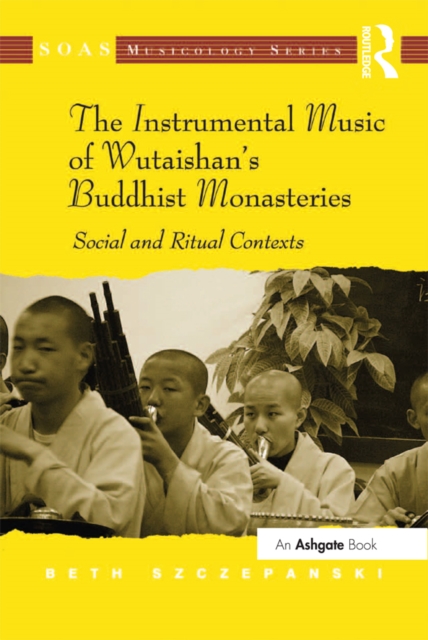
Beth Szczepanski examines how traditional and modern elements interact in the current practice, reception and functions of wind music, or shengguan, at monasteries in Wutaishan, one of China's four holy mountains of Buddhism.
Beth Szczepanski examines how traditional and modern elements interact in the current practice, reception and functions of wind music, or shengguan, at monasteries in Wutaishan, one of China's four holy mountains of Buddhism.
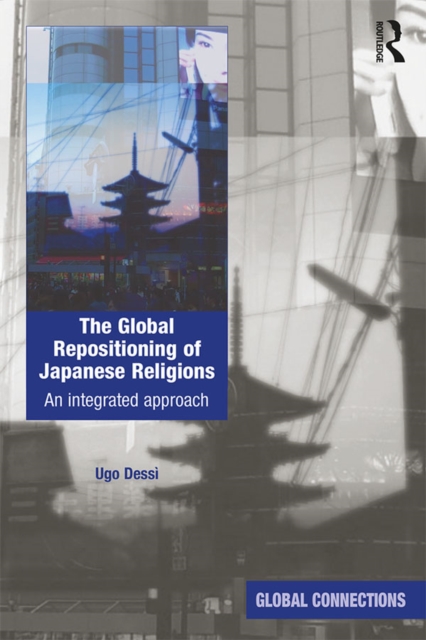
The Global Repositioning of Japanese Religions: An Integrated Approach explores how Japanese religions respond to the relativizing effects of globalization, thereby repositioning themselves as global players.
The Global Repositioning of Japanese Religions: An Integrated Approach explores how Japanese religions respond to the relativizing effects of globalization, thereby repositioning themselves as global players.
Exploring the relations between the concepts of peace and violence with aesthetics, nature, the body, and environmental issues, The Poesis of Peace applies a multidisciplinary approach to case studies in both Western and non-Western contexts including Islam, Chinese philosophy, Buddhist and Hindu traditions.
Exploring the relations between the concepts of peace and violence with aesthetics, nature, the body, and environmental issues, The Poesis of Peace applies a multidisciplinary approach to case studies in both Western and non-Western contexts including Islam, Chinese philosophy, Buddhist and Hindu traditions.
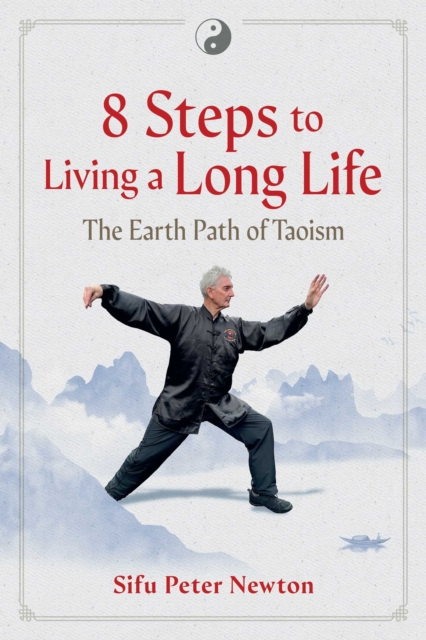
Shares an eight-step process based on the life-prolonging and health-enhancing methodology of the Earth Path of Taoism Includes practices focused on posture, breathing, mental health, energy flow, and meditation, as well as eight mind-body Daoyin longevity exercises, complete with illustrated instructions Explores what causes premature aging and how to avoid it, along with longevity secrets of the legendary Eight ImmortalsACCORDING TO THE ANCIENT CHINESE SAGES, the way to achieve health, longevity, and enlightenment starts with the Earth Path of Taoism, which advises us to nurture the body, calm the mind, and stir the spirit.
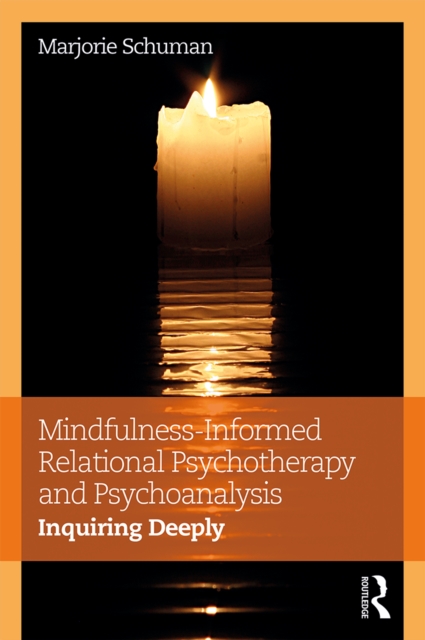
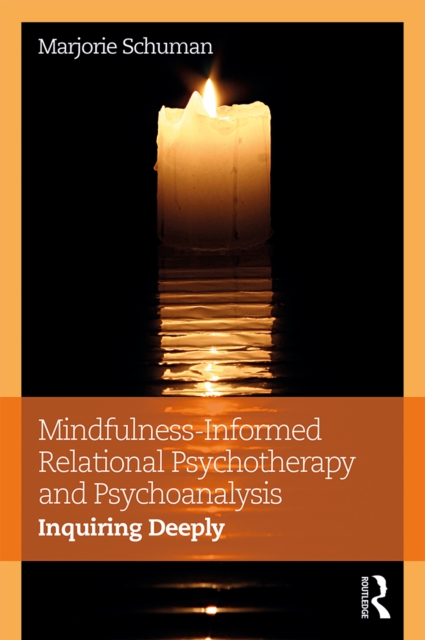
Mindfulness-Informed Relational Psychotherapy and Psychoanalysis: Inquiring Deeply provides a refreshing new look at the emerging field of Buddhist-informed psychotherapy.
Mindfulness-Informed Relational Psychotherapy and Psychoanalysis: Inquiring Deeply provides a refreshing new look at the emerging field of Buddhist-informed psychotherapy.
Part of the "e;Longman Library of Primary Sources in Philosophy,"e; this translation/edition of Chuang Tzu's works is framed by a pedagogical structure designed to make this important work of philosophy more accessible and productive for undergraduates.
Part of the "e;Longman Library of Primary Sources in Philosophy,"e; this translation/edition of Chuang Tzu's works is framed by a pedagogical structure designed to make this important work of philosophy more accessible and productive for undergraduates.
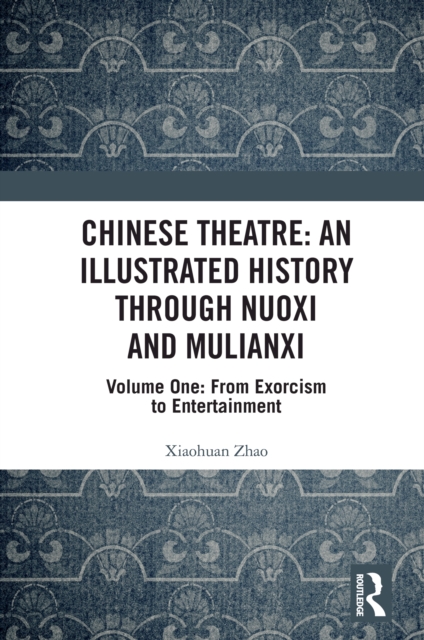
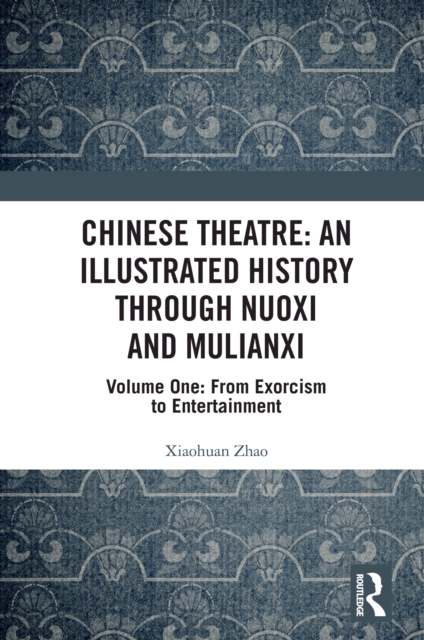
Chinese Theatre: An Illustrated History Through Nuoxi and Mulianxi is the first book in any language entirely devoted to a historical inquiry into Chinese theatre through Nuoxi and Mulianxi, the two most representative and predominant forms of Chinese temple theatre.
Chinese Theatre: An Illustrated History Through Nuoxi and Mulianxi is the first book in any language entirely devoted to a historical inquiry into Chinese theatre through Nuoxi and Mulianxi, the two most representative and predominant forms of Chinese temple theatre.
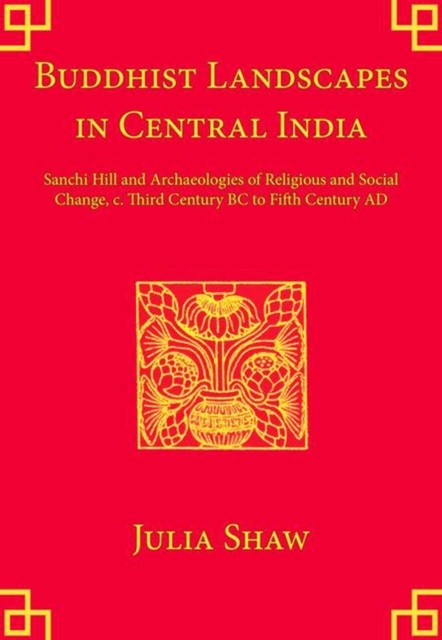
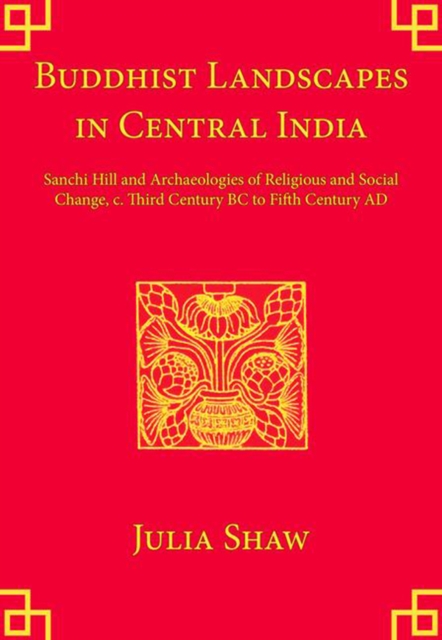
The "e;monumental bias"e; of Buddhist archaeology has hampered our understanding of the socio-religious mechanisms that enabled early Buddhist monks to establish themselves in new areas.
The "e;monumental bias"e; of Buddhist archaeology has hampered our understanding of the socio-religious mechanisms that enabled early Buddhist monks to establish themselves in new areas.
Qualitative researchers incorporate the principles of holism, storytelling, ethics, body and mind links, relational focus, and creativity as key features of their practice.
Qualitative researchers incorporate the principles of holism, storytelling, ethics, body and mind links, relational focus, and creativity as key features of their practice.
The making of modern Thailand is grounded in specific political institutions, Brahmanical tropes, and sacred Buddhist traditions stylized with Hindu rituals.
The making of modern Thailand is grounded in specific political institutions, Brahmanical tropes, and sacred Buddhist traditions stylized with Hindu rituals.