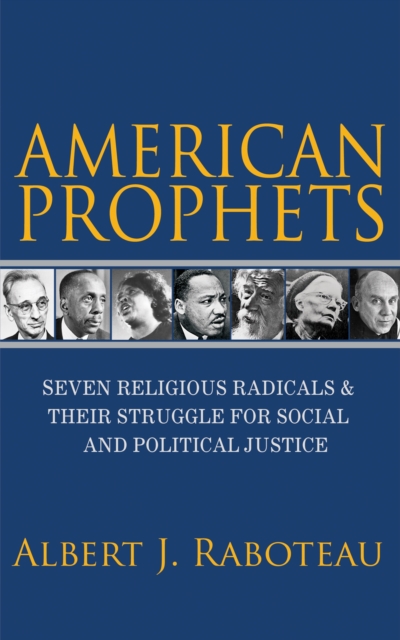
A "e;powerful text"e; (Tavis Smiley) about how religion drove the fight for social justice in modern AmericaAmerican Prophets sheds critical new light on the lives and thought of seven major prophetic figures in twentieth-century America whose social activism was motivated by a deeply felt compassion for those suffering injustice.
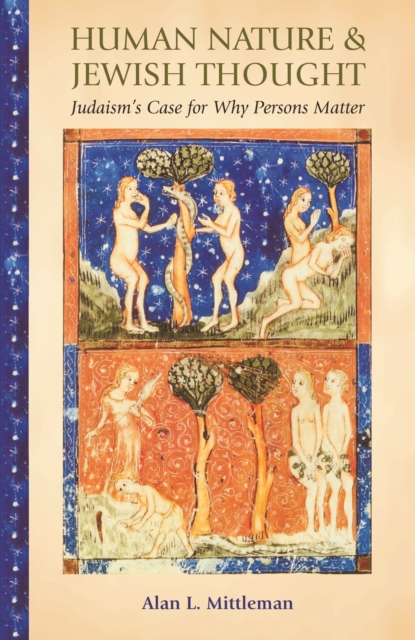
What Jewish tradition can teach us about human dignity in a scientific ageThis book explores one of the great questions of our time: How can we preserve our sense of what it means to be a person while at the same time accepting what science tells us to be true-namely, that human nature is continuous with the rest of nature?
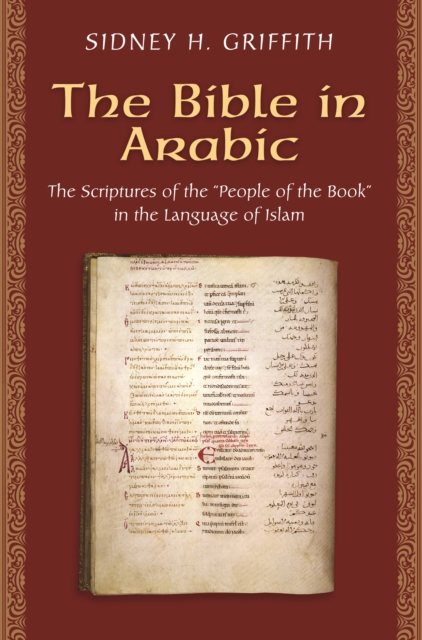
From the first centuries of Islam to well into the Middle Ages, Jews and Christians produced hundreds of manuscripts containing portions of the Bible in Arabic.
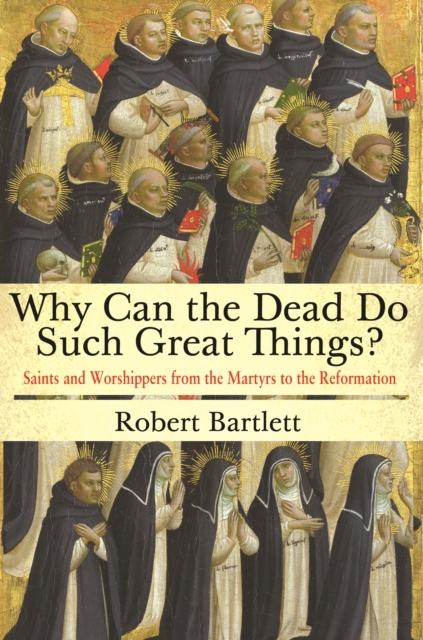
A sweeping, authoritative, and entertaining history of the Christian cult of the saints from its origin to the ReformationFrom its earliest centuries, one of the most notable features of Christianity has been the veneration of the saints-the holy dead.
A comprehensive and accessible account of the life and thought of Judaism's most celebrated philosopherMaimonides was the greatest Jewish philosopher and legal scholar of the medieval period, a towering figure who has had a profound and lasting influence on Jewish law, philosophy, and religious consciousness.
A groundbreaking account of how religion made society possibleHow did human societies scale up from tight-knit groups of hunter-gatherers to the large, anonymous, cooperative societies of today-even though anonymity is the enemy of cooperation?
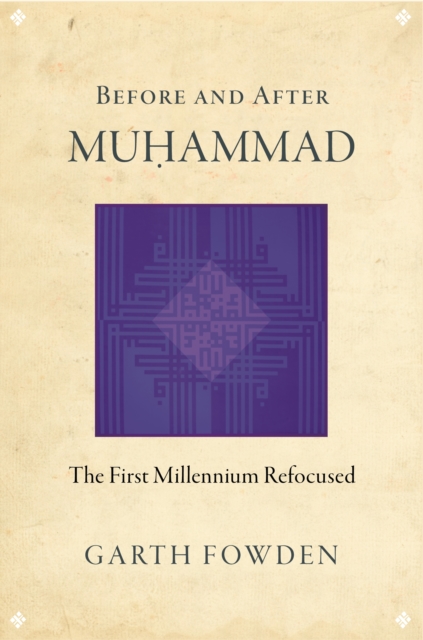
A new historical framework integrating Islam into European and Asian historyIslam emerged amid flourishing Christian and Jewish cultures, yet students of Antiquity and the Middle Ages mostly ignore it.
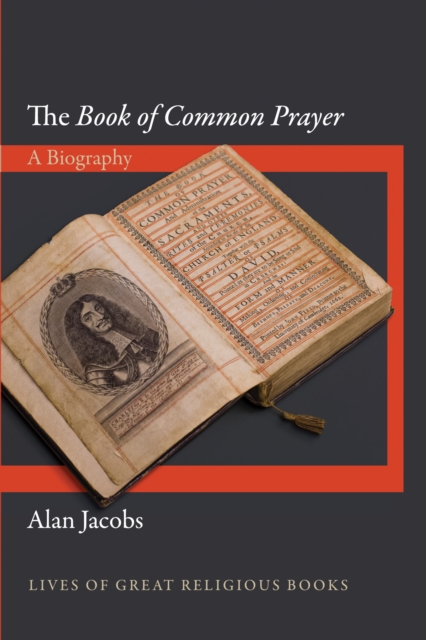
How The Book of Common Prayer became one of the most influential works in the English languageWhile many of us are familiar with such famous words as, "e;Dearly beloved, we are gathered together here.
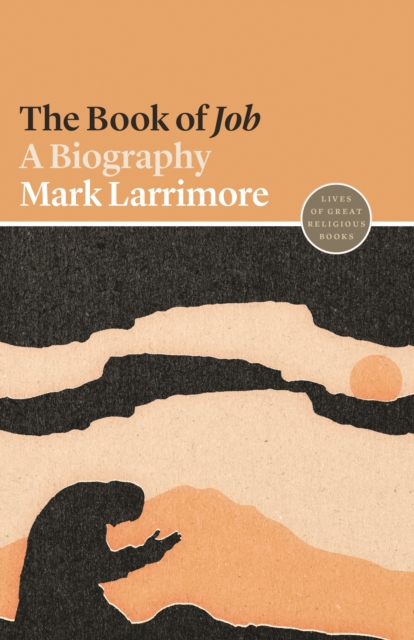
The life and times of this iconic and enduring biblical bookThe Book of Job raises stark questions about the nature and meaning of innocent suffering and the relationship of the human to the divine, yet it is also one of the Bible's most obscure and paradoxical books, one that defies interpretation even today.
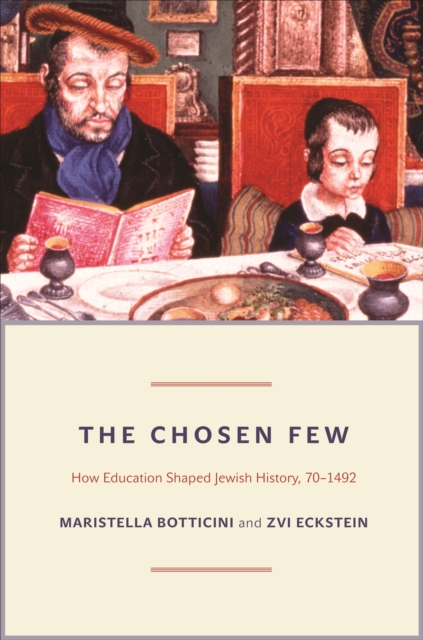
How the Jewish people went from farmers to merchantsIn 70 CE, the Jews were an agrarian and illiterate people living mostly in the Land of Israel and Mesopotamia.
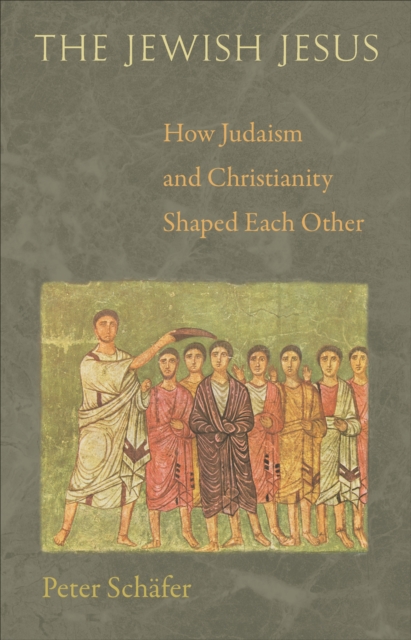
How the rise of Christianity profoundly influenced the development of Judaism in late antiquityIn late antiquity, as Christianity emerged from Judaism, it was not only the new religion that was being influenced by the old.
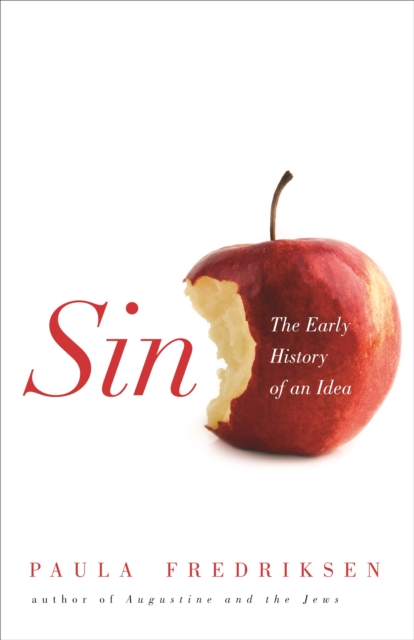
Why the meaning of sin changed radically during the first centuries of ChristianityAncient Christians invoked sin to account for an astonishing range of things, from the death of God's son to the politics of the Roman Empire that worshipped him.
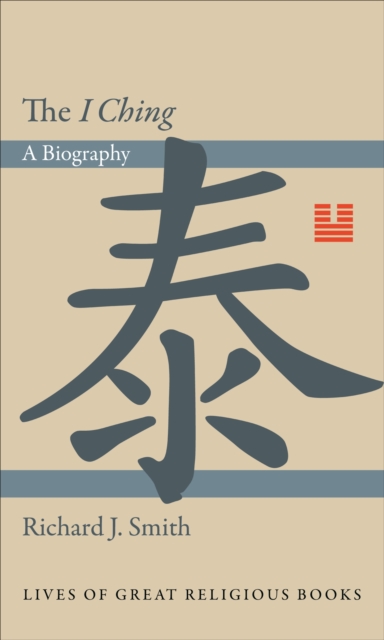
How the I Ching became one of the most widely read and influential books in the worldThe I Ching originated in China as a divination manual more than three thousand years ago.
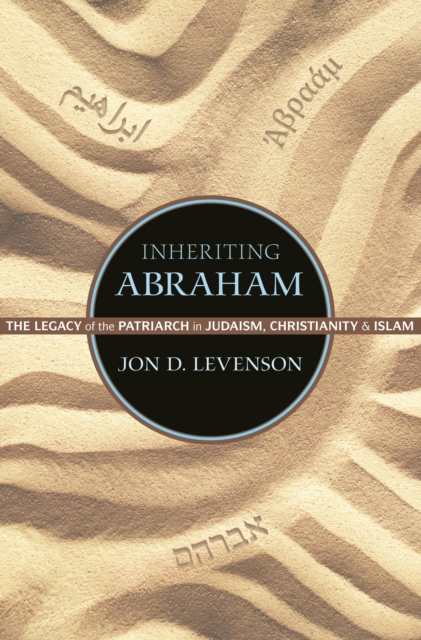
How Judaism, Christianity, and Islam have reimagined Abraham in their own imagesJews, Christians, and Muslims supposedly share a common religious heritage in the patriarch Abraham, and the idea that he should serve only as a source of unity among the three traditions has become widespread in both scholarly and popular circles.
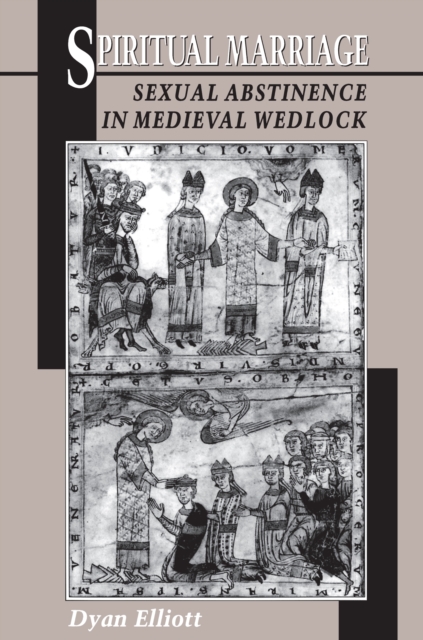
The early Christian and medieval practice of spiritual marriage, in which husband and wife mutually and voluntarily relinquish sexual activity for reasons of piety, plays an important role in the development of the institution of marriage and in the understanding of female religiosity.
A new approach to understanding Jewish thought since the eighteenth centuryIs Judaism a religion, a culture, a nationality-or a mixture of all of these?
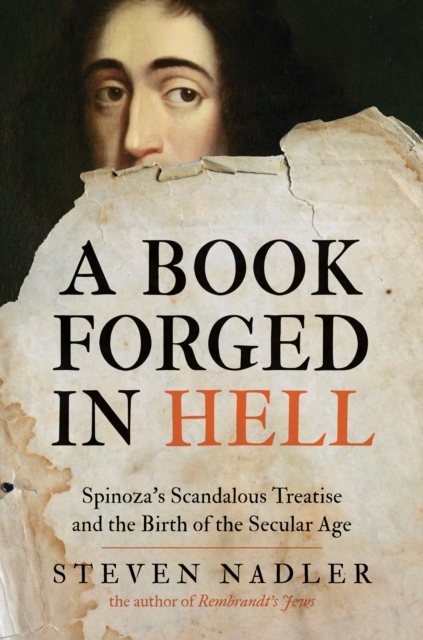
The story of one of the most important-and incendiary-books in Western historyWhen it appeared in 1670, Baruch Spinoza's Theological-Political Treatise was denounced as the most dangerous book ever published-"e;godless,"e; "e;full of abominations,"e; "e;a book forged in hell .
Scientology's long and complex journey to recognition as a religionScientology is one of the wealthiest and most powerful new religions to emerge in the past century.
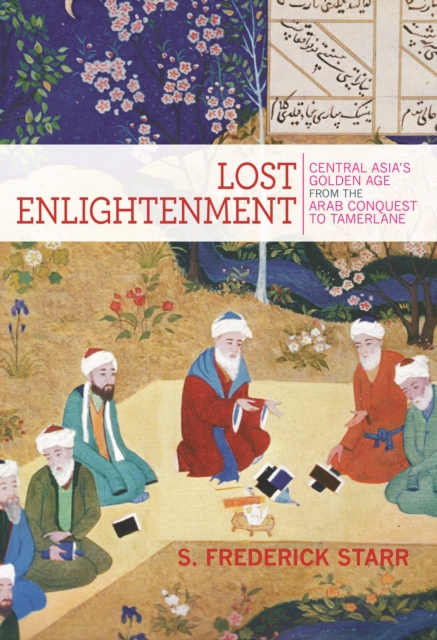
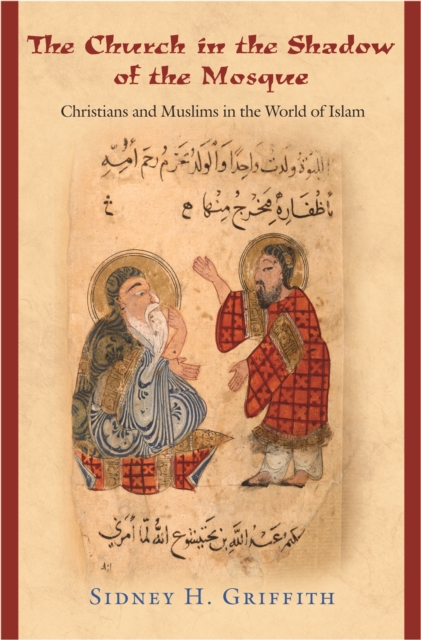
Amid so much twenty-first-century talk of a "e;Christian-Muslim divide"e;--and the attendant controversy in some Western countries over policies toward minority Muslim communities--a historical fact has gone unnoticed: for more than four hundred years beginning in the mid-seventh century, some 50 percent of the world's Christians lived and worshipped under Muslim rule.
A new approach to understanding Jewish thought since the eighteenth centuryIs Judaism a religion, a culture, a nationality-or a mixture of all of these?
The Methodists and Revolutionary America is the first in-depth narrative of the origins of American Methodism, one of the most significant popular movements in American history.
Most anyone interested in such topics as creation mythology, Jungian theory, or the idea of "e;secret teachings"e; in ancient Judaism and Christianity has found "e;gnosticism"e; compelling.
Saints' cults, with their focus on miraculous healings and pilgrimages, were not only a distinctive feature of Christian religion in fifth-and sixth-century Gaul but also a vital force in political and social life.
A study of how asceticism was promoted through Biblical interpretation, Reading Renunciation uses contemporary literary theory to unravel the writing strategies of the early Christian authors.
A distinguished professor debunks the assertion that America's Founders were deists who desired the strict separation of church and state and instead shows that their political ideas were profoundly influenced by their Christian convictions.
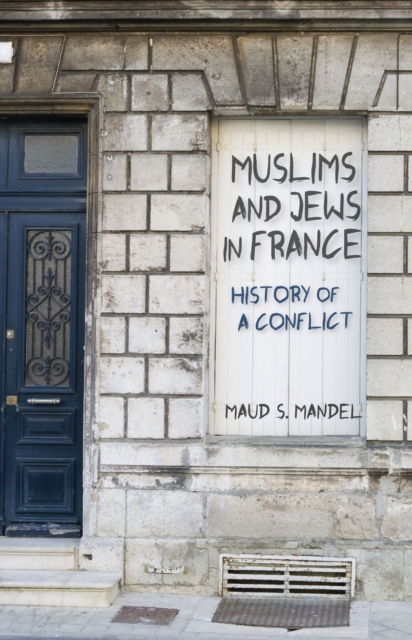
This book traces the global, national, and local origins of the conflict between Muslims and Jews in France, challenging the belief that rising anti-Semitism in France is rooted solely in the unfolding crisis in Israel and Palestine.
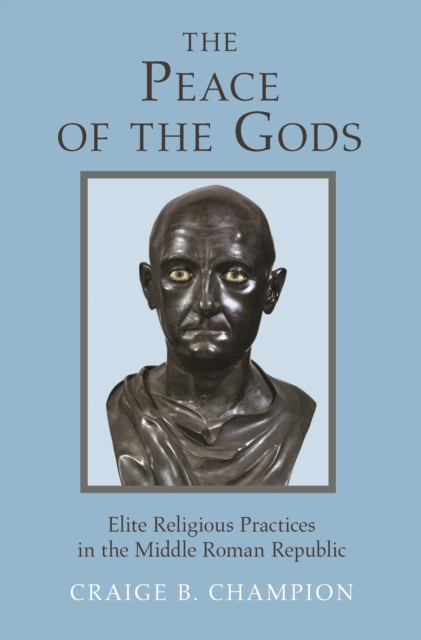
The Peace of the Gods takes a new approach to the study of Roman elites' religious practices and beliefs, using current theories in psychology, sociology, and anthropology, as well as cultural and literary studies.
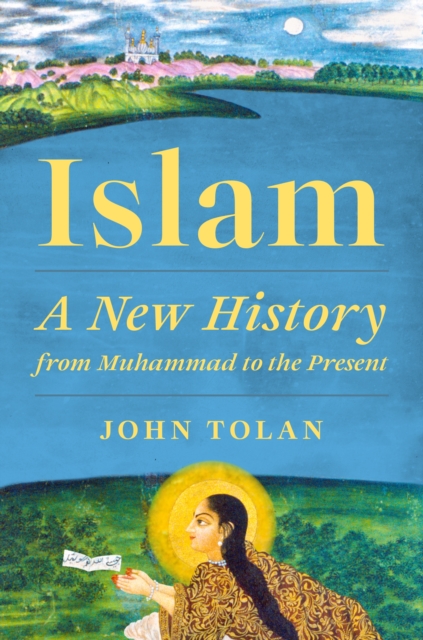
A concise new narrative history of Islam that draws on the transformative insights of recent research to emphasize the diversity and dynamism of the traditionToday's Muslim world is in upheaval: legalists and mystics engage in intense debates, radical groups invoke Sharia, Muslim immigrants in the West face prejudice and discrimination, and Muslim feminists advocate new interpretations of the Koran.
'Stand by for fireworks as it hits the shelves' SUNDAY TIMES'If Orwell were with us today, he'd be writing books like this' PATRICK RADDEN KEEFE'Breath-taking and jaw-dropping' PETER FRANKOPAN'A true-life thriller' ANNE APPLEBAUMFrom the bestselling author of Kleptopia comes a true story about Cuckooland - a world where the rich can buy everything - including the truth.
How ancient thinkers grappled with competing conceptions of divine lawIn the thousand years before the rise of Islam, two radically diverse conceptions of what it means to say that a law is divine confronted one another with a force that reverberates to the present.
Si alguna vez confundiste el arca del pacto con el arca de Noé, o Jericó con Jeroboam, el clásico de Max Anders, 30 días para entender la Biblia, es para ti.
Das seit 1880 kontinuierlich herausgegebene Jahrbuch ist zentrales Forum für Fragen der Geschichte des Protestantismus in Österreich und der Habsburgermonarchie.