This is a wonderful book: curious and insightful Ian Mortimer, author of The Time Traveller s Guide to Medieval EnglandWe know what happens to the body when we die, but what happens to the soul?
Born to parents who were enthusiastic naturalists, and linked through his wider family to a clutch of accomplished scientists, Richard Dawkins was bound to have biology in his genes.
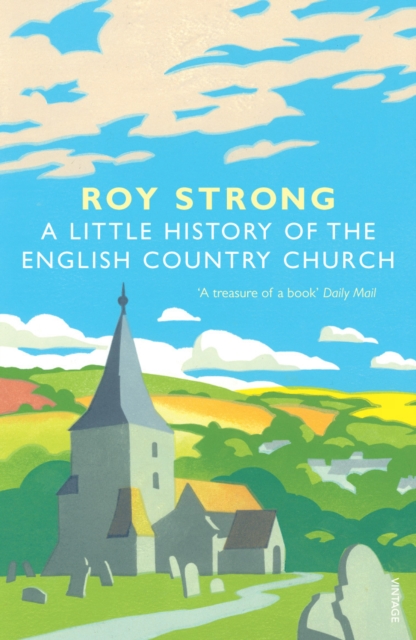
Beautifully illustrated narrative history of the English country church In his engaging account, Sir Roy Strong celebrates the life of the English parish churchFrom the arrival of the missionaries from Ireland and Rome, to the beautiful architecture and rich spirituality of medieval Catholicism; from the cataclysm of the Reformation, to the gentrified cleric we meet in Jane Austen novels, Roy Strong takes us on a journey - historical, social and spiritual - to explore what men and women experienced through the age when they went to church on Sunday.
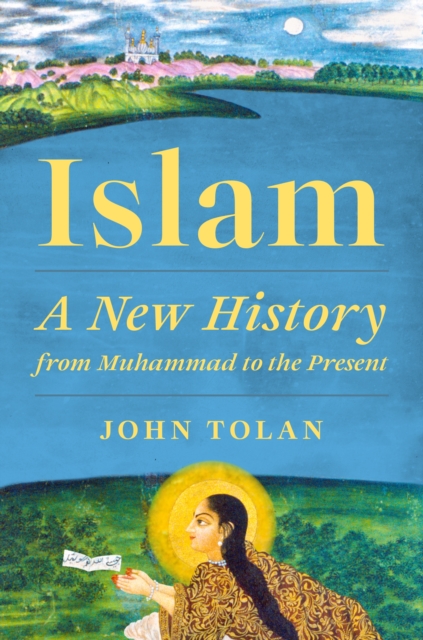
SHORTLISTED FOR THE BAILLIE GIFFORD PRIZE 2017'An eye-opening, well-written and very timely book' Yuval Noah Harari'The best sort of book for our disordered days: timely, urgent and illuminating' Pankaj Mishra'It strikes a blow for common humanity' Sunday TimesThe Muslim world has often been accused of a failure to modernise and adapt.
Over 3 million copies sold I couldn t give this book a higher recommendation BILLY CONNOLLYThis acclaimed spiritual masterpiece is widely regarded as one of the most complete and authoritative presentations of the Tibetan Buddhist teachings ever written.
The story of Jesus's crucifixion as it's never been told before Millions of readers have been thrilled by author Bill O'Reilly and historian Martin Dugard's Killing Kennedy and Killing Lincoln, page-turning works of non-fiction that have changed the way we read history.
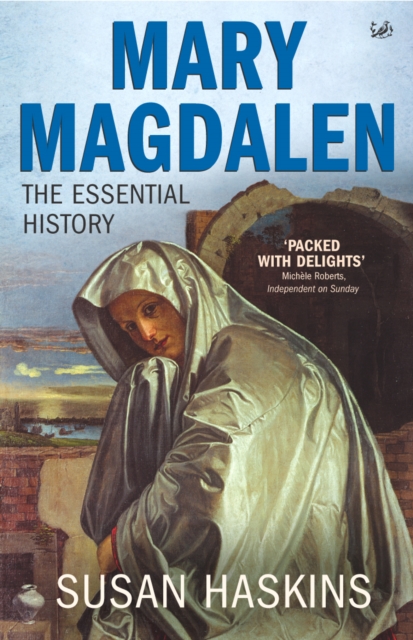
A dramatic, thought-provoking portrait of one of the most compelling figures in early Christianity which explores two thousand years of history, art, and literature to provide a close-up look at Mary Magdalen and her significance in religious and cultural thought.
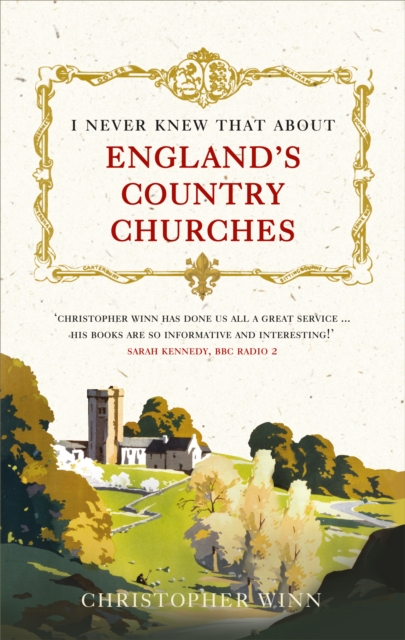
This charming book takes you through the counties of England, exploring Saxon churches, reflective of simple faith; Norman churches with rugged arches and powerful pillars, stamping their authority, gothic churches with their soaring arches; Decorated and Perpendicular churches made glorious with Early English style and craftsmanship; Victorian churches, resplendent with imperial pomp; eccentric Arts and Crafts churches.
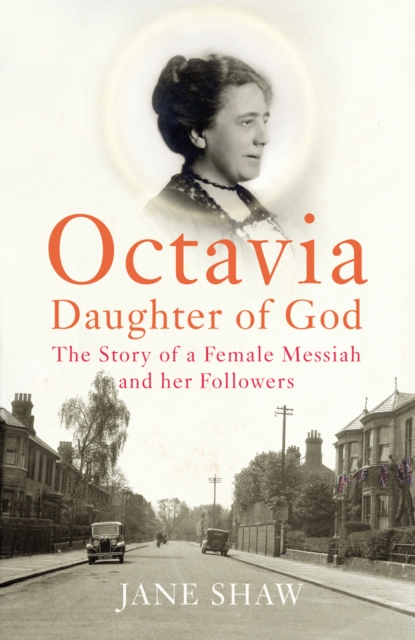
In 1919, in the wake of the upheaval of World War I, a remarkable group of English women came up with their own solution to the world's grief:a new religion.
The foundation stone of Jewish and Christian scriptures, the power of the Book of Genesis lies in its stories - Creation, the Fall, Cain and Abel, Noah, Abraham, Jacob and Joseph.
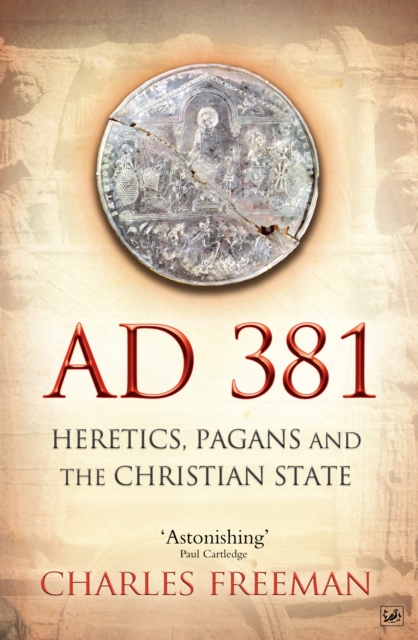
In AD 381, Theodosius, emperor of the eastern Roman empire, issued a decree in which all his subjects were required to subscribe to a belief in the Trinity of the Father, Son and Holy Spirit.
The conversion of the emperor Constantine to Christianity in 368 AD brought a transformation to Christianity and to western civilization, the effects of which we still feel today.
Despite the growth of religion in general and Christianity in particular around the world, Western Europe and the UK remain overwhelmingly secular, with the church increasingly seen as backwards and irrelevant.
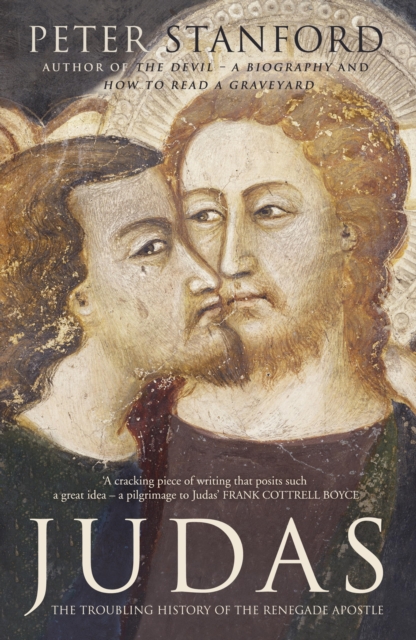
In this fascinating historical and cultural biography, writer and broadcaster Peter Stanford deconstructs that most vilified of Bible characters: Judas Iscariot, who famously betrayed Jesus with a kiss.
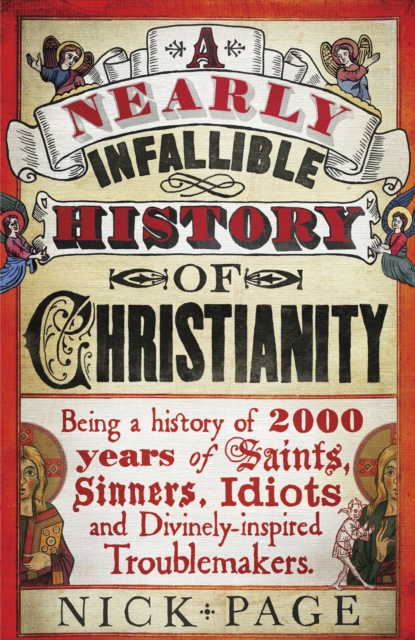
From Abelard to Zwingli, via a multitude of saints and sinners, Nick Page guides us through the creeds, the councils, the buildings and the background of the Christian church in an illuminating, and perhaps ever so slightly irreverent way.
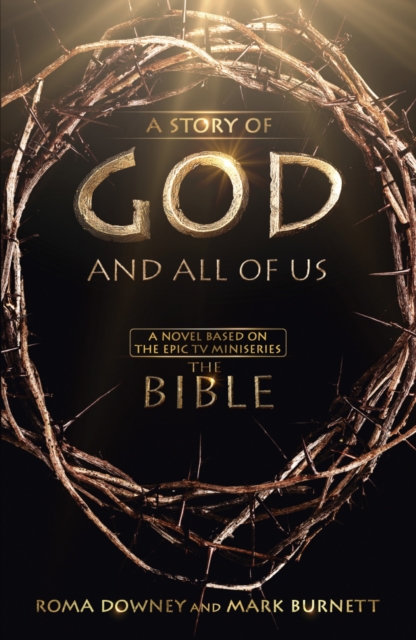
Abridged to be age appropriate for older primary school readers, THE STORY OF GOD AND ALL OF US is the tale of Jesus Christ, abridged, told through his eyes, starting with his crucifixion and flashing back through the story of the world and the reason he was sent to die on the cross.
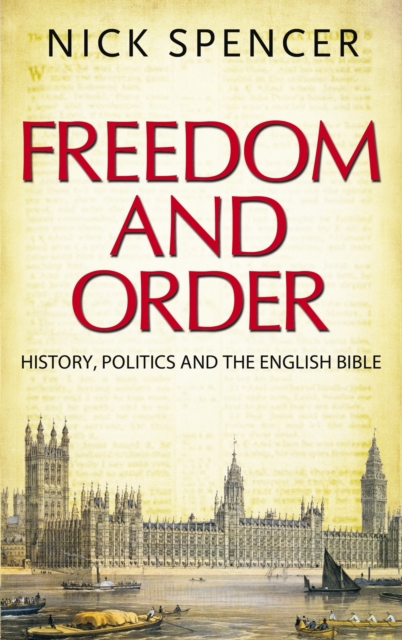
2011 marks the 400th anniversary of the publication of the King James' Bible and will see a great deal of celebration and comment about the impact of the Bible on British culture.
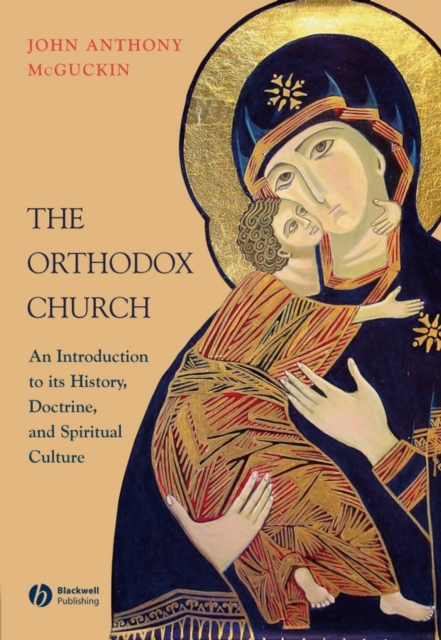
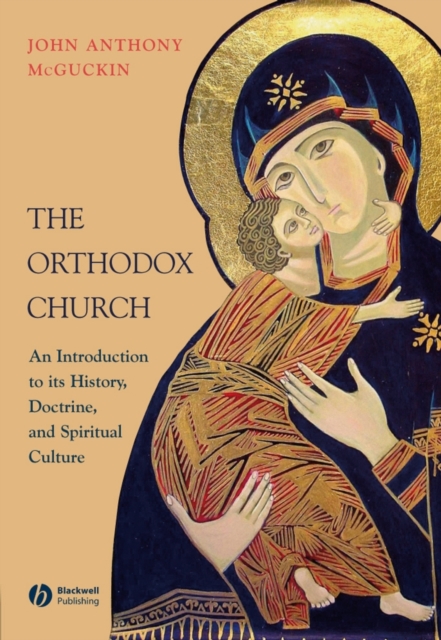
This important work offers the most comprehensive and up-to-date account of the Orthodox Church available, providing a detailed account of its historical development, as well as exploring Orthodox theology and culture Written by one of the leading Orthodox historians and theologians in the English-speaking world Offers an in-depth engagement with the issues surrounding Orthodoxy's relationship to the modern world, including political, cultural and ethical debates Considers the belief tradition, spirituality, liturgical diversity, and Biblical heritage of the Eastern Churches; their endurance of oppressions and totalitarianisms; and their contemporary need to rediscover their voice and confidence in a new world-order Recipient of a CHOICE Outstanding Academic Title for 2009 award
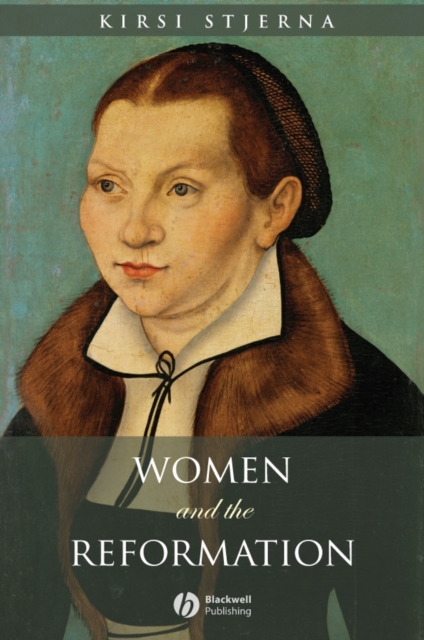
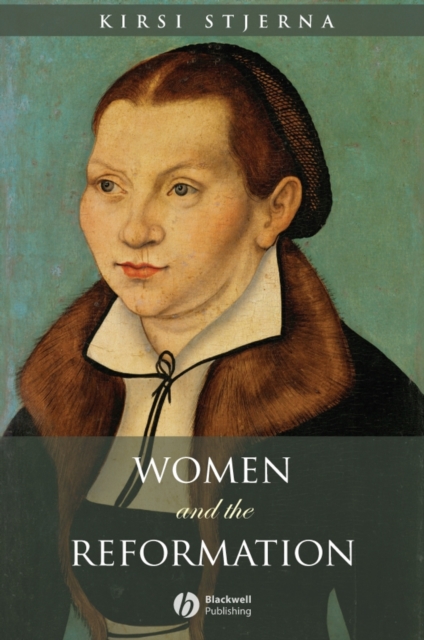
Women and the Reformation gathers historical materials and personal accounts to provide a comprehensive and accessible look at the status and contributions of women as leaders in the 16th century Protestant world.
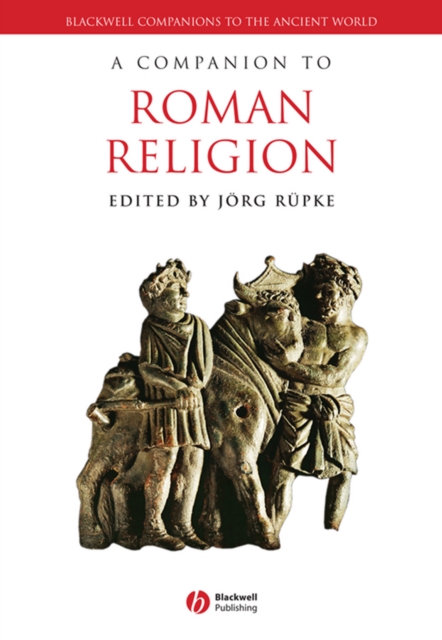
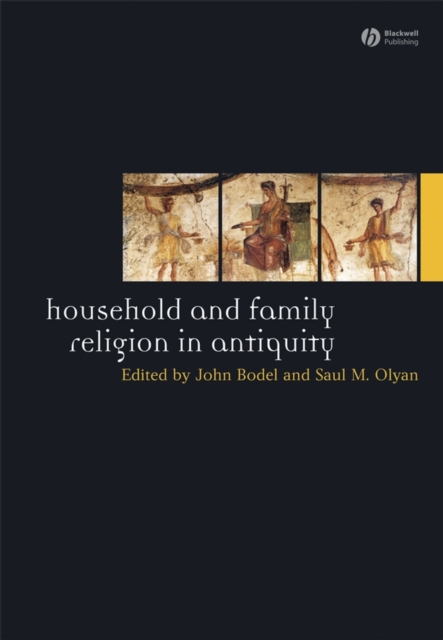
A comprehensive treatment of the significant symbols and institutions of Roman religion, this companion places the various religious symbols, discourses, and practices, including Judaism and Christianity, into a larger framework to reveal the sprawling landscape of the Roman religion.
Women and the Reformation gathers historical materials and personal accounts to provide a comprehensive and accessible look at the status and contributions of women as leaders in the 16th century Protestant world.
This important work offers the most comprehensive and up-to-date account of the Orthodox Church available, providing a detailed account of its historical development, as well as exploring Orthodox theology and culture Written by one of the leading Orthodox historians and theologians in the English-speaking world Offers an in-depth engagement with the issues surrounding Orthodoxy's relationship to the modern world, including political, cultural and ethical debates Considers the belief tradition, spirituality, liturgical diversity, and Biblical heritage of the Eastern Churches; their endurance of oppressions and totalitarianisms; and their contemporary need to rediscover their voice and confidence in a new world-order Recipient of a CHOICE Outstanding Academic Title for 2009 award
Open this book and you will Learn how the Qur'an came into being Understand how it is used today Ocercome misconceptions Tackle issues of interpretation
A concise new narrative history of Islam that draws on the transformative insights of recent research to emphasize the diversity and dynamism of the traditionToday's Muslim world is in upheaval: legalists and mystics engage in intense debates, radical groups invoke Sharia, Muslim immigrants in the West face prejudice and discrimination, and Muslim feminists advocate new interpretations of the Koran.
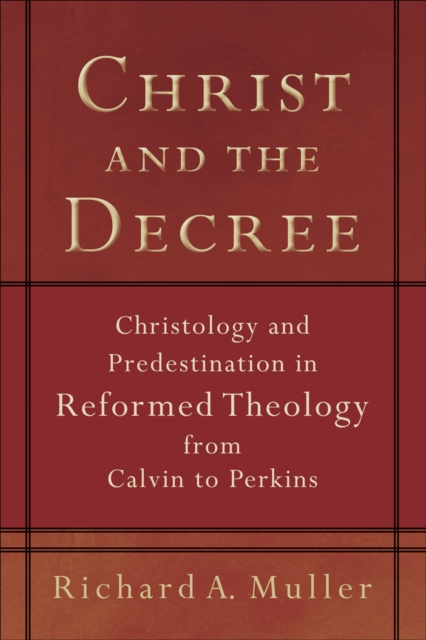
In Christ and the Decree, one of the foremost scholars of Calvinism today expounds the doctrines of Christ and predestination as they were developed by Calvin, Bullinger, Musculus, Vermigli, Beza, Ursinus, Zanchi, Polanus, and Perkins.
From the Native American tribal faiths and the Judeo-Christian traditions to Scientology and other nascent religions, man's search for God takes many fascinating forms.
Former secretary of education and New York Times bestselling author William Bennett blends his historical expertise with his gift for storytelling into a heartwarming book about the man who ultimately became known as Santa Claus.
The first major history of the scholarly quest to answer the question of Jewish originsThe Jews have one of the longest continuously recorded histories of any people in the world, but what do we actually know about their origins?
A major new account of the most intensely creative years of Luther's careerThe Making of Martin Luther takes a provocative look at the intellectual emergence of one of the most original and influential minds of the sixteenth century.