This volume traces the historical evolution of American academic thought concerning public address -- what it is, how it ought to be studied, and what can be learned by engaging rhetorical texts in an analytical fashion.
A Brief History of Knowledge for Social Science Researchers outlines a history of knowledge from Ancient Greece to present day, in Europe and the Western world.
A Brief History of Knowledge for Social Science Researchers outlines a history of knowledge from Ancient Greece to present day, in Europe and the Western world.
In 18th-century Europe, before the "e;Counter-Enlightenment,"e; two coexisting perspectives emerged within the Enlightenment: the first was the belief that humans were endowed with the capacity to think independently, which led to the possibility of egalitarianism; the second was the restriction of the faculty's scope of application, which argued that the people must rely on intellectuals as their new shepherds.
'A timely, future-oriented and necessary contribution which provides clarity to the multivalent tendencies in this field' - Carole Boyce DaviesThemarginalisation of Black voices from the academy is a problem in the Western world.
The Routledge Handbook of Information History offers a definitive, inclusive, and far-reaching study of how information practices have influenced-and have been influenced by-society, politics, culture, and technology over millennia.
Translated by Kayla Toohy and Boniface NoyongoyoThis translation of Les Femmes Homicides, by Praskov'ia Tarnovskaia, or Pauline Tarnowsky as her name has been Westernized, presents an important historical work in English for the first time.
The Making of Psychohistory is the first volume dedicated to the history of psychohistory, an amalgam of psychology, history, and related social sciences.
The Making of Psychohistory is the first volume dedicated to the history of psychohistory, an amalgam of psychology, history, and related social sciences.
Examines the history of evolutionism in cultural anthropology, beginning with its roots in the 19th century, through the half-century of anti-evolutionism, to its reemergence in the 1950s, and the current perspectives on it today.
Examines the history of evolutionism in cultural anthropology, beginning with its roots in the 19th century, through the half-century of anti-evolutionism, to its reemergence in the 1950s, and the current perspectives on it today.
This book contains a collection of articles on social psychology, the psychology of terror and violence, psychoanalytic psychotherapy, and the history of psychoanalysis.
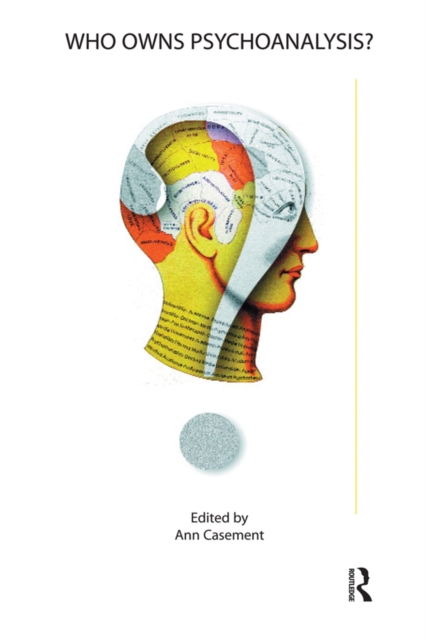
From its peculiar birth in Freud's self-analysis to its current state of deep crisis, psychoanalysis has always been a practice that questions its own existence.
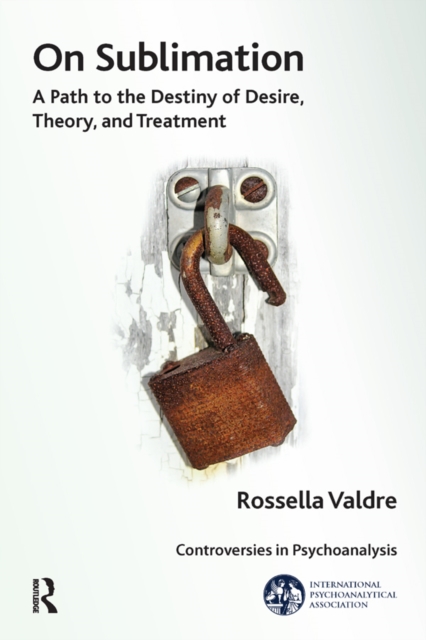
This book explores and revisits the concept of sublimation, in its various aspects and implications that it has in theory and clinical psychoanalysis, and also in its broader socio-cultural aspects.
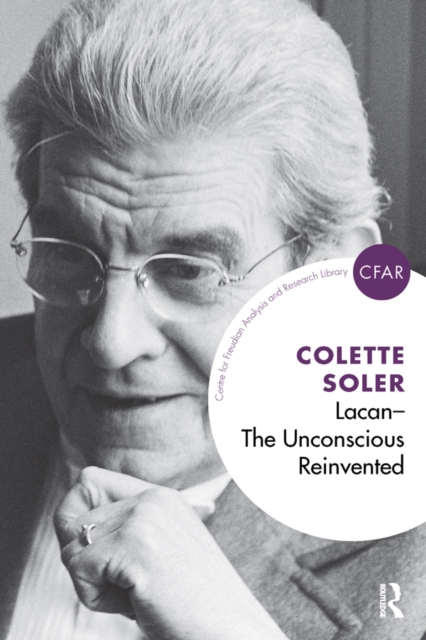
This book focuses on Lacan's revisions and renewals of psychoanalytic concepts, and shows the ways in which Lacan succeeded in the reinvention of psychoanalysis.