This book provides theoretical and empirical discussions around the impact of MOOCs and other pedagogical strategies for online learning in international contexts.
Exploring how digital resources are being used to engage students in learning and improve educational quality, Digital Agency in Higher Education promotes an awareness of relations and interplay between humans and digital artifacts.
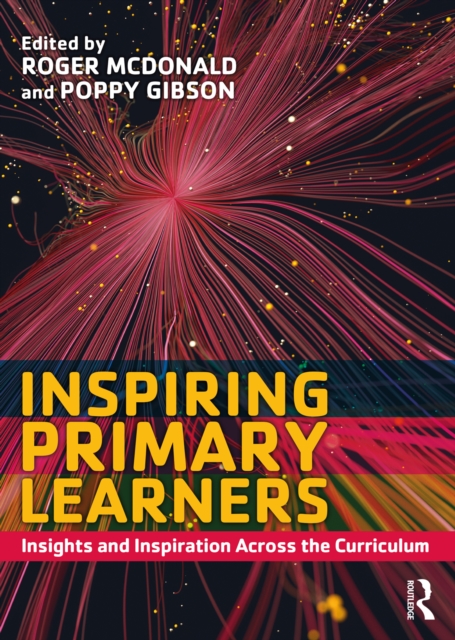
Inspiring Primary Learners offers trainee and qualified teachers high-quality case studies of outstanding practice in contemporary classrooms across the country.
Inspiring Primary Learners offers trainee and qualified teachers high-quality case studies of outstanding practice in contemporary classrooms across the country.
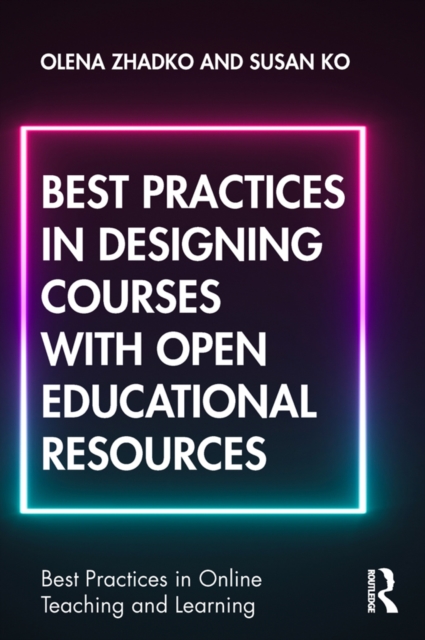
Best Practices in Designing Courses with Open Educational Resources is a practical guide that assists faculty and institutions looking to adopt and implement open educational resources (OER) and to foster meaningful, effective learning experiences through the course design process.
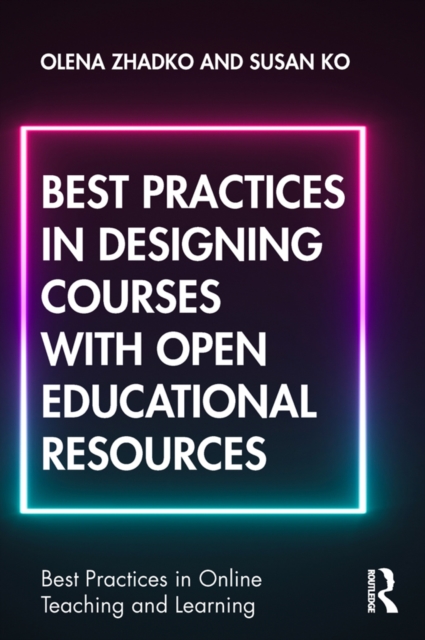
Best Practices in Designing Courses with Open Educational Resources is a practical guide that assists faculty and institutions looking to adopt and implement open educational resources (OER) and to foster meaningful, effective learning experiences through the course design process.
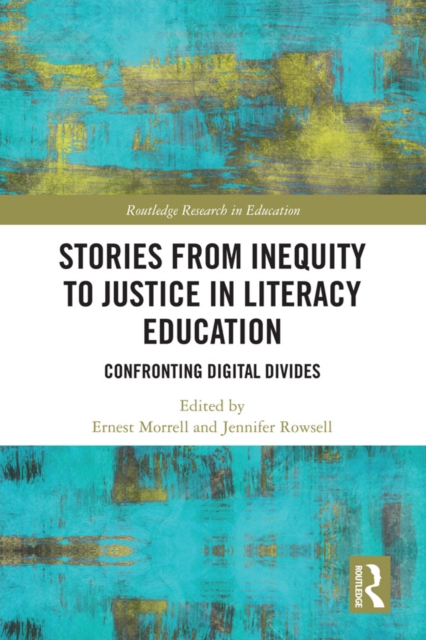
Challenging the assumption that access to technology is pervasive and globally balanced, this book explores the real and potential limitations placed on young people's literacy education by their limited access to technology and digital resources.
Technology-enabled simulations are increasingly used for students in K-12 education and have the potential to improve teaching and learning across domains.
Technology-enabled simulations are increasingly used for students in K-12 education and have the potential to improve teaching and learning across domains.
Addressing the contemporary issues relating to the delivery of education, Culture, Change and Community in Higher Education explores the challenges of creating effective learning communities.
Addressing the contemporary issues relating to the delivery of education, Culture, Change and Community in Higher Education explores the challenges of creating effective learning communities.
This collection offers a critical examination of online language teacher education programs (OLTE), looking at a range of issues which have informed their development and the challenges and opportunities in their implementation from a TESOL perspective.
Research Methods in Learning Design and Technology explores the many forms, both new and established, that research takes within the field of instructional design and technology (IDT).
Focused on developing professional academic skills for supporting and supervising student learning and effective teaching, the fifth edition of A Handbook for Teaching and Learning in Higher Education recognises the complex demands of teaching, research, scholarship and academic management in higher education institutions.
Focused on developing professional academic skills for supporting and supervising student learning and effective teaching, the fifth edition of A Handbook for Teaching and Learning in Higher Education recognises the complex demands of teaching, research, scholarship and academic management in higher education institutions.
Research Methods in Learning Design and Technology explores the many forms, both new and established, that research takes within the field of instructional design and technology (IDT).
Evolution of Information Technology in Educational Management As the editors of this volume we are very happy to publish a selection of the papers that were presented at the eighth Conference of Working Group 3.
International Federation for Information Processing The IFIP series publishes state-of-the-art results in the sciences and technologies of information and communication.
Few things are as certain as societal changes-and the pressing need for educators to prepare students with the knowledge and ways of thinking necessary for the challenges in a changing world.
The field of Computer-Supported Collaborative Learning (CSCL) has traditionally focused on virtual learning environments and has somewhat neglected the physical environments in which students interact with each other and with their teachers.
The text explores the concept of innovation, and analyse and compare different dimensions of innovation found in the various case studies; the transfer of innovation and the mechanisms of change; on an innovative online case study database on education innovations that has been designed to be used by education practitioners to support organizational leadership, international collaboration and reflective practice in the Asia Pacific Economic Cooperation (APEC) eEducation Leadership initiative; on a project aimed to support the establishment of communities of practice for education practitioners facilitated through an extendable online database that can be used to contribute and share case studies of their own ICT-supported pedagogical innovations.
This book relates "e;new"e; information and communication technologies (ICT) to their specific teaching and learning functions, in particular how ICT is appropriated for and/or by educational or learning communities.
Dialogic Education and Technology is about using new technology to draw people into the kind of dialogues which take them beyond themselves into learning, thinking and creativity.
Research on Computer-Supported Collaborative Learning (CSCL) is a multidisciplinary field located at the intersection of cognitive psychology, computer science, and education.
It is a pleasure to offer you this book containing papers about ICT and education from the World Computer Congress 2006 (WCC 2006), held in Santiago, Chile and sponsored by the International Federation for Information Processing (IFIP).
The short history of the International Working Conference on Educating Professionals for Network Centric Organizations is a good illustration of the tremendous rate of development of global networking, its impact and of its deep penetration into management of business, industty and administration.
Many of the early issues in the field of telE-learning are now not only recognised but are being addressed, through professional and staff development routes, through innovative technological solutions, and through approaches and concepts that are better suited to particular educational contexts.
Security Education and Critical Infrastructures presents the most recent developments in research and practice on teaching information security, and covers topics including: -Curriculum design; -Laboratory systems and exercises; -Security education program assessment; -Distance learning and web-based teaching of security; -Teaching computer forensics; -Laboratory-based system defense games; -Security education tools; -Education in security policies, management and system certification; -Case studies.