This edited volume offers new analytical and methodological approaches to the study of education in the post-pandemic educational context, through case studies from countries in South Asia such as Bhutan, India, Nepal, Pakistan and Sri Lanka.
Thomas Chius book is one of the first to look at the impacts of artificial intelligence (AI) on K-12 education in two areas: AI education, and AI in education.
This book builds upon the range of Indigenous theory and research found in Volume I and applies these learnings to interventions in schools, communities, teacher education and professional development.
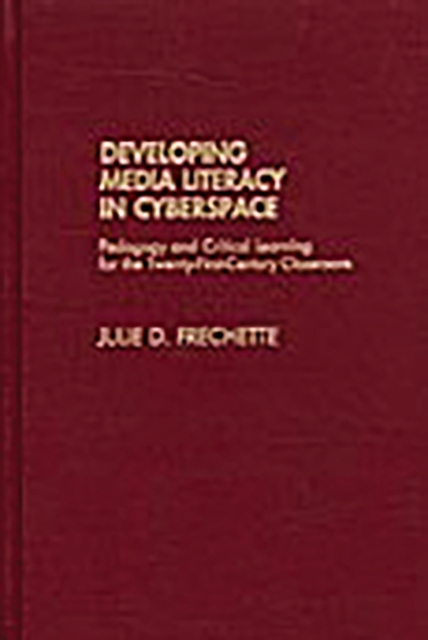
By joining bodies of research in media theory, cultural studies, and critical pedagogy, Developing Media Literacy in Cyberspace offers a vision of learning that values social empowerment over technical skills.
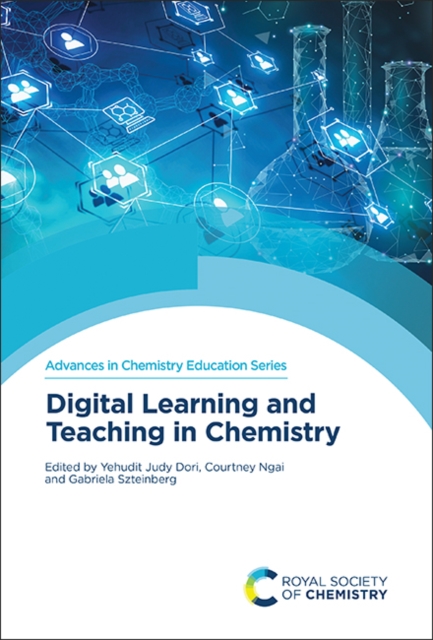
This volume discusses the emergence of information and communication technology (ICT)-based teaching and learning during the Covid-19 pandemic as a potential alternative to traditional classroom-based learning.
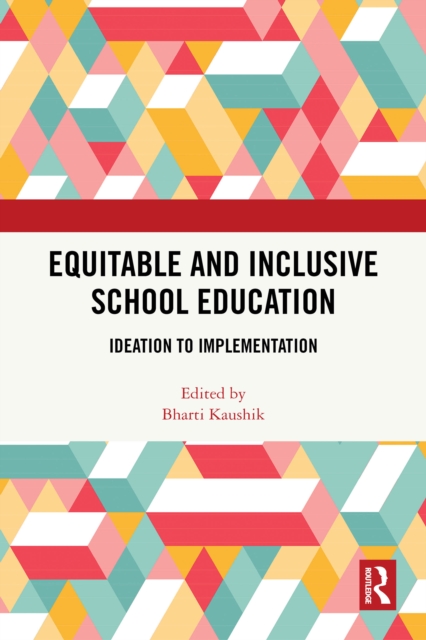
This book highlights the strategies and approaches to the practice of equitable and inclusive school education, elaborating the role of various stakeholders such as teachers, special educators, parents, peers, teacher educators, educational administrators and Ed-tech firms.
This book contains papers in the fields of collaborative learning, digital transition in education, and AI and learning analytics in engineering education.
This volume includes a variety of first-hand case studies, critical analyses, action research and reflective practice in the digital humanities which ranges from digital literature, library science, online games, museum studies, information literacy to corpus linguistics in the 21st century.
Engineering institutions worldwide are undergoing significant transformation as they work to adapt themselves to the learning needs of students in the 21st century, changing trends in the requirements of the industry and society, and growing concerns about issues related to sustainable development and climate change.
Responding to both the trend towards increasing online enrollments as the demand for face-to-face education declines, and to the immediate surge in remote learning owing to the COVID-19 pandemic, this book provides vital guidance to higher education institutions on how to develop faculty capacity to teach online and to leverage the affordances of an ever-increasing array of new and emerging learning technologies.
Building on what already is the most comprehensive introduction to competitive programming, this enhanced new textbook features new material on advanced topics, such as calculating Fourier transforms, finding minimum cost flows in graphs, and using automata in string problems.
This important text synthesizes the state of knowledge related to thinking and technology and provides strategies for helping young people cultivate thinking skills required to navigate the new digital landscape.
The main focus of this book is presenting practical procedures for improving learning effectiveness using note taking activities during e-learning courses.
In an era defined by unprecedented technological advancements, the intersection of artificial intelligence (AI) and the Smart Systems presents both challenges and opportunities.
Racially and economically segregated schools across the United States have hosted many interventions from commercial digital education technology (edtech) companies who promise their products will rectify the failures of public education.
E-Learning für Unternehmen: Der praktische Guide für EntscheidungsträgerInnen- Für alle, die E-Learning im Unternehmen kostengünstig, effizient und zielgerichtet einsetzen möchten - Vermittelt fundiertes Verständnis für die Umsetzung und Optimierung von digitalen Lernangeboten- Nützliche Werkzeuge: praktische Hilfen, Übersichten und ChecklistenE-Learning ist mehr als nur ein Trend – es ist eine Notwendigkeit für moderne Unternehmen.
Design and assemble an inexpensive yet fast and reliable PCConstruct the PC of your dreams using the practical information contained in this hands-on guide.
This textbook supplement deconstructs some of the most commonly-encountered and challenging problems arising within engineering domains such as thermodynamics, separation processes, chemical kinetics, fluid dynamics, and engineering mathematics that are foundational to most engineering programs, as well as many courses in STEM disciplines.
This edited volume explores a range of educational effects on student learning that resulted from a long-term study using a creative visual arts curriculum designed for mobile media (smartphones and tablets) and used in art classrooms.
This book examines AI's transformative impact on higher education, from enhancing teaching and learning to raising ethical challenges like academic integrity and bias.
This book examines AI's transformative impact on higher education, from enhancing teaching and learning to raising ethical challenges like academic integrity and bias.
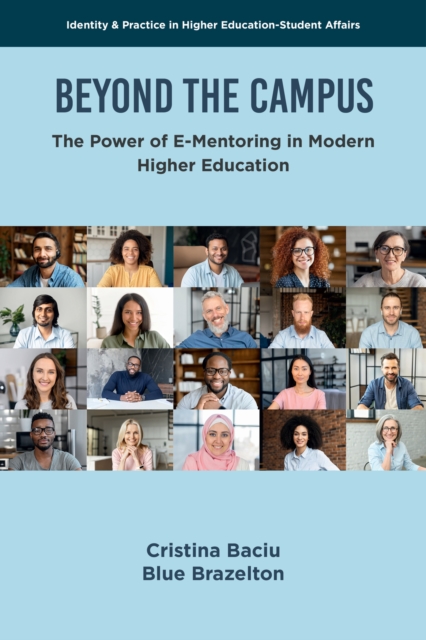
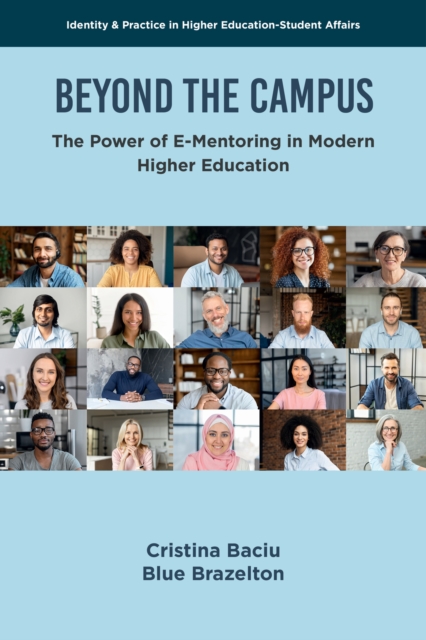
Mentoring has always been one of higher education's most powerful forces-yet it has often been informal, uneven, and inaccessible to the students who need it most.
Mentoring has always been one of higher education's most powerful forces-yet it has often been informal, uneven, and inaccessible to the students who need it most.
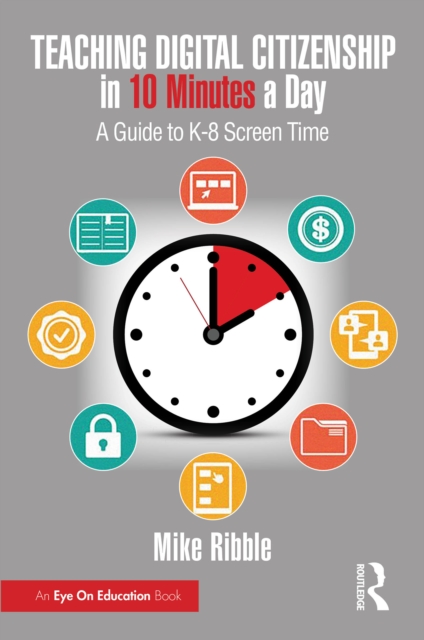
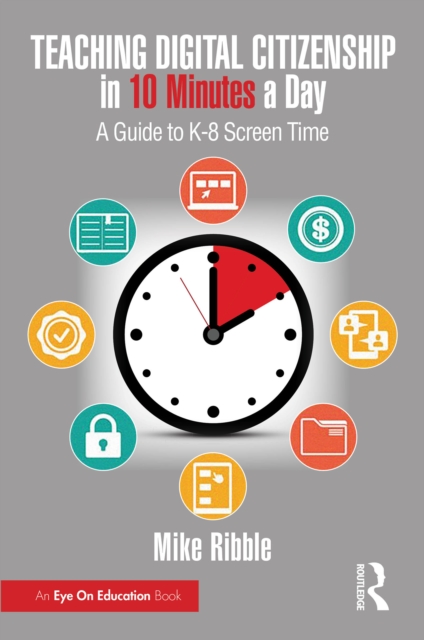
Teaching Digital Citizenship in 10 Minutes a Day is a practical resource for educators seeking to help students in grades K-8 make the best out of their screen time.
Teaching Digital Citizenship in 10 Minutes a Day is a practical resource for educators seeking to help students in grades K-8 make the best out of their screen time.
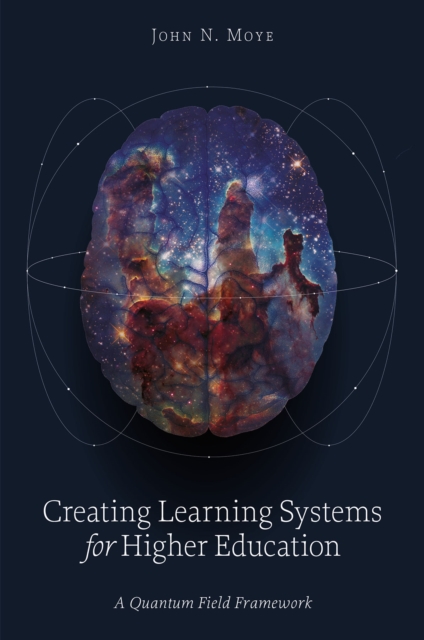
Creating Learning Systems for Higher Education: A Quantum Field Framework presents a groundbreaking approach to education that integrates quantum physics, competence, differentiated thinking, and individual performance proficiencies into a multidimensional, dynamic, and self-organising learning field.
Creating Learning Systems for Higher Education: A Quantum Field Framework presents a groundbreaking approach to education that integrates quantum physics, competence, differentiated thinking, and individual performance proficiencies into a multidimensional, dynamic, and self-organising learning field.