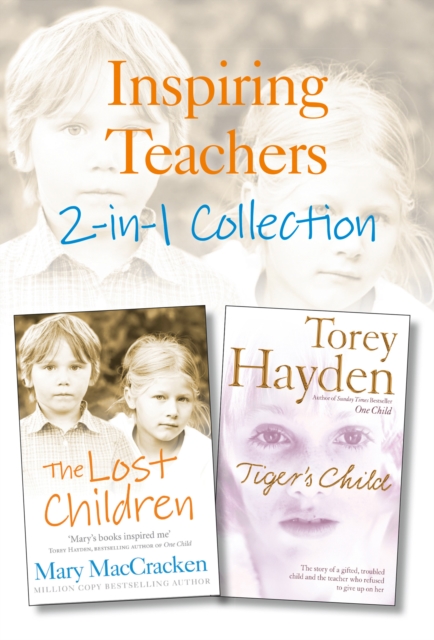
Tiger's Child, the deeply-moving sequel to Torey Hayden's Sunday Times bestselling first book, One Child, plus the first of four books from learning disabilities specialist Mary MacCracken, The Lost Children, combined in a single eBook volume.
Break it, Make it: Sync Development with TestsWelcome to Break it, Make it — your guide to building better software by aligning development with testing.
Under the Violet Sky: Bilingual Stories for Beginners in Brazilian Portuguese and English is a collection of six bilingual short stories designed for beginner (A1–A2) adult learners of Brazilian Portuguese.
Ego vs Higher Self: A Journey Toward True Alignment is a transformative self-development guide that explores the internal battle between fear-based identity and authentic spiritual awareness.
The Third Version of the Truth: Bilingual Stories in Swedish and English is a collection of six original bilingual short stories for intermediate (B1–B2) learners of Swedish.
Der Pfarrberuf steht angesichts gesellschaftlicher und kirchlicher Transformationsprozesse unter erheblichem Druck und befindet sich in einem grundlegenden Wandel.
Este libro se creo para dar a conocer el modelo MIPS (liderazgo incluyente) cuyo proposito es formar parte del cambio que desarrolle una comunidad incluyente y sensible hacia las personas con discapacidad.
Der Pfarrberuf steht angesichts gesellschaftlicher und kirchlicher Transformationsprozesse unter erheblichem Druck und befindet sich in einem grundlegenden Wandel.
"e;En este libro, la autora nos invita a entrever su vida, los detalles en que se enmarcan sus travesias, laberintos y encrucijadas, y que desde muy pronto se entremezclan con la busqueda de un sueno relacionado con el movimiento, la danza, los cuerpos, la diferencia.
Con los trabajos compilados en este volumen se delinean los contornos de la investigacion en educacion y pedagogia, y se le da forma a los temas/objetos de investigacion de los grupos de investigacion a lo largo del ano 2022.
En el marco de la crisis desatada por el COVID-19, se plantea la presente reflexion sobre el papel de las instituciones publicas, especificamente las universidades.
Peter Bremicker und Kathrin Jörns laden Sie in diesem Workbook ein, sich auf eine Reise der Selbstentdeckung und des persönlichen Wachstums zu begeben: In acht Einheiten erfahren Sie, wie Sie Ihre eigenen Verhaltensweisen verstehen und verändern können.
Peter Bremicker und Kathrin Jörns laden Sie in diesem Workbook ein, sich auf eine Reise der Selbstentdeckung und des persönlichen Wachstums zu begeben: In acht Einheiten erfahren Sie, wie Sie Ihre eigenen Verhaltensweisen verstehen und verändern können.
Este libro surge como una iniciativa para intentar responder a las necesidades formativas de todos los docentes que imparten formación en metodologías de educación a distancia y virtual.
A lo largo de cuatro capitulos el autor revisa criticamente algunos planteamientos sobre el multiculturalismo desde el posmodernismo, su transito a la interculturalidad, y propone una aproximacion antropologica a su estudio y tratamiento, asi como una metodologia etnografica para estudiar la educacion intercultural.
Este libro pretende recuperar tres ejes críticos de la educación: la noción del currículum invisibilizado, el estado de situación o de avance de experiencias de formación profesional docente en el interior de un equipo y las experiencias situadas de currículum integrado en laformación profesional docente.
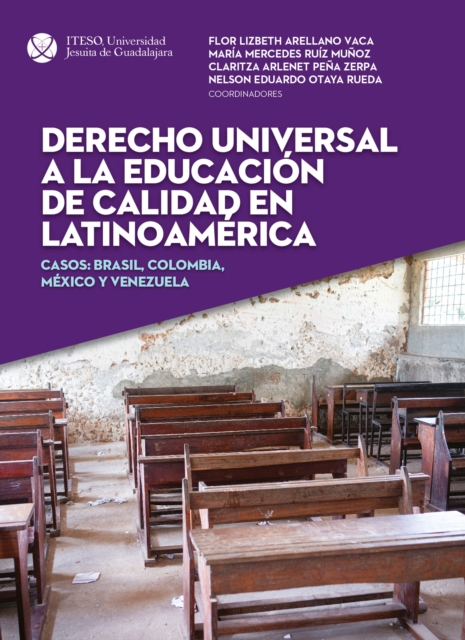
Este libro analiza las politicas publicas educativas en Brasil, Colombia, Mexico y Venezuela, destacando las tensiones entre los discursos gubernamentales y la realidad educativa.
En aras de una construccion del saber mas horizontal y colectivo, surge este libro, que explora diversos contextos en diferentes niveles de la educacion, tanto dentro como fuera del aula.
En una época marcada por la crisis educativa, esta obra sostiene que el aprendizaje se configura a través de cinco «niveles de profundidad» —informacional, competencial, cognitivo, emocional y volitivo—, cada uno con sus propias reglas, objetivos y métodos.
A través de diez amenos capítulos, te demostramos el significado que tiene el amor en la escuela y la importancia de lograr una educación del corazón mediante la afectividad.
La escuela o centro educativo es el primer espacio público en que los jóvenes participan; es un sistema compuesto por múltiples elementos relacionados entre sí, tales como alumnos, profesores, administrativos, padres y apoderados, entre otros.