Published in 1994, this book was designed to help primary and secondary school teachers to develop, introduce, manage and monitor the cross-curricular themes of the National Curriculum.
Published in 1994, this book was designed to help primary and secondary school teachers to develop, introduce, manage and monitor the cross-curricular themes of the National Curriculum.
In recent years, there has been increasing attention placed on international and transnational aspects of school and higher education curricula, and the different research approaches and lenses through which these issues are studied.
In recent years, there has been increasing attention placed on international and transnational aspects of school and higher education curricula, and the different research approaches and lenses through which these issues are studied.
The Role of Social Science in the Education of Professional Practitioners explores the inter-relation between the social sciences and professional practice, particularly in areas of health and social welfare, and the form that professional education takes.
The Role of Social Science in the Education of Professional Practitioners explores the inter-relation between the social sciences and professional practice, particularly in areas of health and social welfare, and the form that professional education takes.
Dance Education redefines the nature of dance pedagogy today, setting it within a holistic and encompassing framework, and argues for an approach to dance education from a soci-cultural and philosophical perspective.
The Bloomsbury Handbook of Popular Music Educationdraws together current thinking and practice on popular music education from empirical, ethnographic, sociological and philosophical perspectives.
The Bloomsbury Handbook of Popular Music Educationdraws together current thinking and practice on popular music education from empirical, ethnographic, sociological and philosophical perspectives.
This book aims to develop a situative educational model to guide the design and implementation of powerful student-centered learning environments in higher education classrooms.
This provocative new book will help you design and implement the most effective library user education possible--one that builds on basic library use skills through a progressively sophisticated program that is fully integrated into course curriculum at all levels, from the freshman year to graduation and beyond.
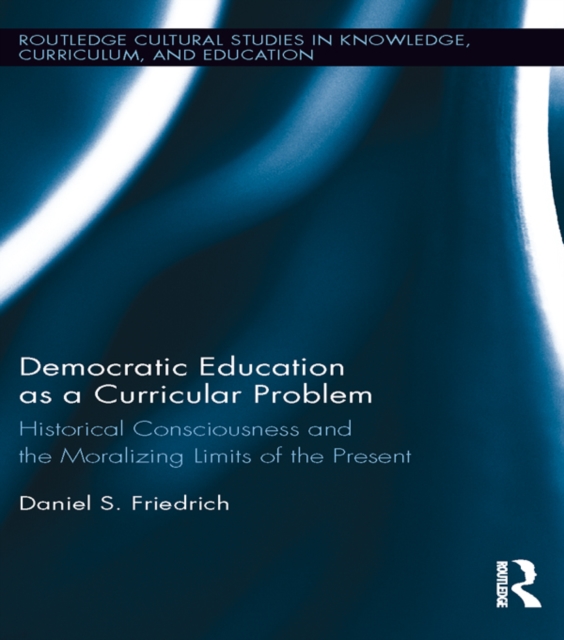
By repositioning democratic education not as something that can be achieved by following a certain, proven process, but as an inherently paradoxical enterprise in its dealings with the tension between schooling as the intentional production of citizens and the uncertainties of democracy, an alternative way of reading the curriculum emerges.
By repositioning democratic education not as something that can be achieved by following a certain, proven process, but as an inherently paradoxical enterprise in its dealings with the tension between schooling as the intentional production of citizens and the uncertainties of democracy, an alternative way of reading the curriculum emerges.
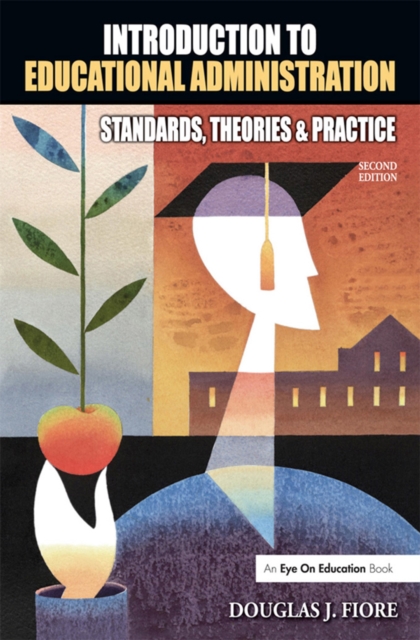
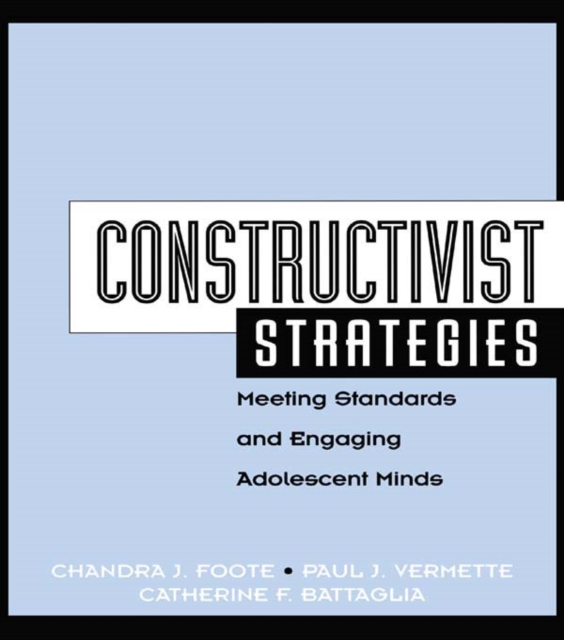
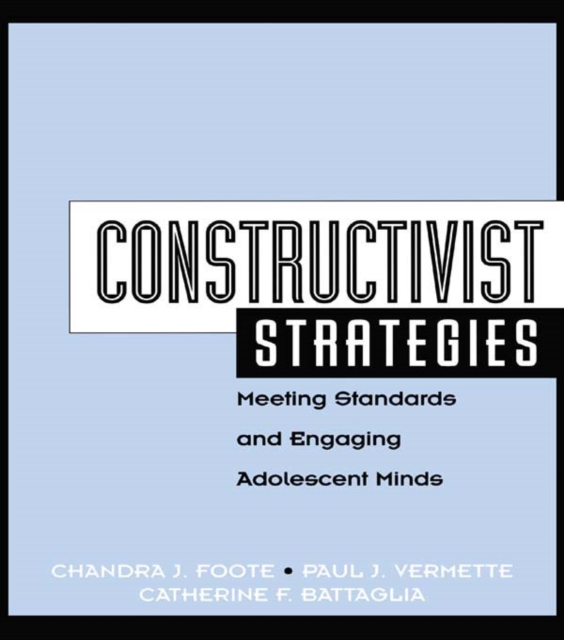
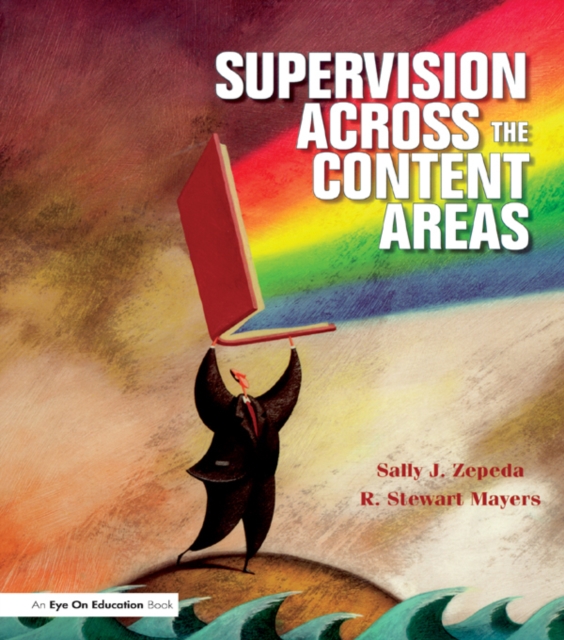
This book provides strategies, tools, and examples to help high school principals achieve the goals put forward in the No Child Left Behind legislation.
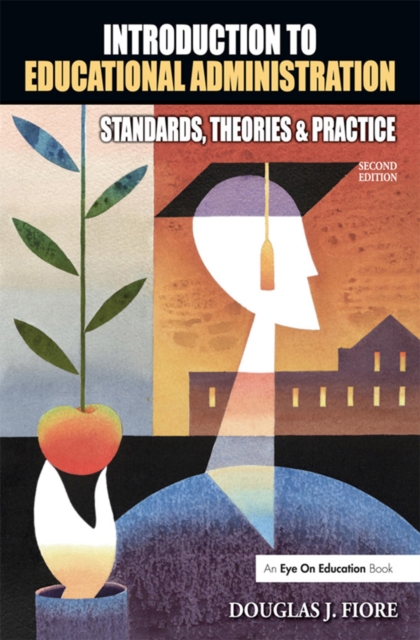
This book provides strategies, tools, and examples to help high school principals achieve the goals put forward in the No Child Left Behind legislation.
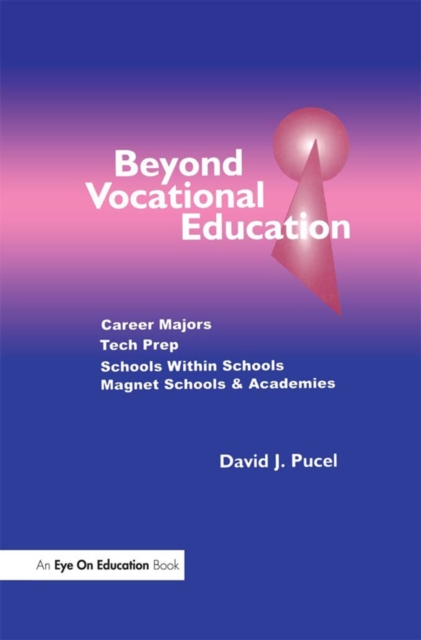
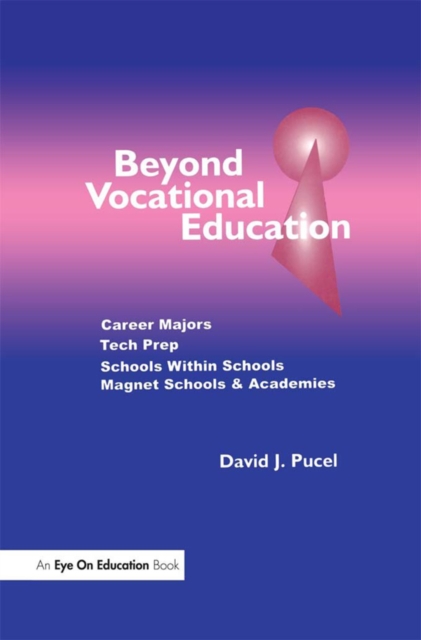
This book provides the practical information you need to make the transition from traditional "e;vocational"e; education programs to the new approaches to career and technical education.
This book provides the practical information you need to make the transition from traditional "e;vocational"e; education programs to the new approaches to career and technical education.
Despite the largest-scale decentralisation of education since 1999, which broadly led to the marketisation of education, it is not clear how school education responds to the multicultural realities of Indonesian society and ethno-religious conflicts.
Despite the largest-scale decentralisation of education since 1999, which broadly led to the marketisation of education, it is not clear how school education responds to the multicultural realities of Indonesian society and ethno-religious conflicts.