Analyzing Influences: Research on Decision Making and the Music Education Curriculum examines influences on research in music teacher preparation, practices, and policies.
Curriculum Windows: What Curriculum Theorists of the 2000s Can Teach Us about Schools and Society Today is an effort by students of curriculum studies, along with their professor, to interpret and understand curriculum texts and theorists of the 2000s in contemporary terms.
As a consequence of the federal 'No Child Left Behind' (NCLB) law, there is tremendous pressure on school principals, teachers, school superintendents, district staff, state departments of education and governors to maximize the increase in student achievement that is obtained with every dollar of expenditure.
Within the context of recent, and ongoing, plural pandemics such as COVID-19 up/ending lives, social and racial chaos and catastrophe, political pressures, and economic convulsions, The Kaleidoscope of Lived Curricula: Learning Through a Confluence of Crises offers a journey through a collection of scholarly reflective creative pieces--stories of lived curricula.
Leading faculty members in educational psychology, who are expert classroom teachers, describe inherent difficulties encountered when teaching different subject matter in educational psychology to diverse populations of students, including undergraduate teacher candidates, psychology and child development majors, and graduate students in education and psychology.
Curriculum Windows Redux: What Curriculum Theorists Can Teach Us about Schools and Society Today is an effort by students of curriculum studies, along with their professor, to interpret and understand curriculum texts and theorists in contemporary terms.
The International Society for Language Studies (ISLS) introduces its second volume in the series Readings in Language Studies with Language and Power, a text that represents international perspectives on power and bilingualism, identity in professions, media, the learner, and pedagogy.
The book suggests that culturally responsive and sustaining education should be the guiding principle in our schools, and that community partnerships be developed in a similar light.
While Research on the effectiveness of electronic portfolios for assessment and accreditation is emerging, many who are now using, or who are beginning to use, electronic portfolios are looking to justify the cost and effort involved.
Curriculum and Teaching Dialogue (CTD) is a publication of the American Association of Teaching and Curriculum (AATC), a national learned society for the scholarly fields of teaching and curriculum.
Curriculum and Teaching Dialogue (CTD) is a publication of the American Association of Teaching and Curriculum (AATC), a national learned society for the scholarly field of teaching and curriculum.
Making of the Future is the first English-language coverage of the new methodological perspective in cultural psychology-TEA (Trajectory Equifinality Approach) that was established in 2004 as a collaboration of Japanese and American cultural psychologists.
From a field developed out of the need to train military personnel at scale to its current role in enabling virtual learning and training experiences, instructional design has developed into a complex, multifaceted discipline.
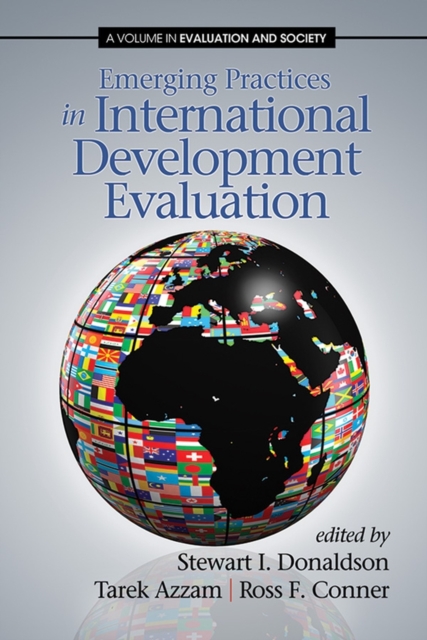
The impetus for this volume comes from reflecting on many years of experience, successes and failures in development evaluation in Asia and Africa, and from recent work supported by the Rockefeller Foundation on Rethinking, Reshaping, and Reforming Evaluation.
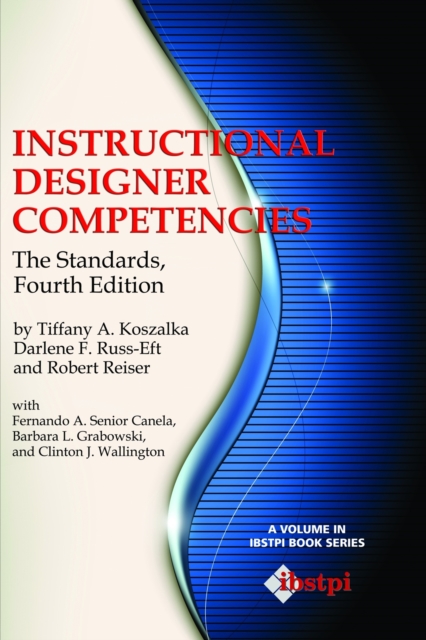
This book provides the most current and complete version of statements defining a competent instructional designer, for those who are or aspire to practice in virtually any context, anywhere in the world.
It has been widely noted that society has moved away from seeing truth as an objective and, in some ways, important part of what it means to be educated.
Curriculum Windows: What Curriculum Theorists of the 1990s Can Teach Us about Schools and Society Today is an effort by students of curriculum studies, along with their professor, to interpret and understand curriculum texts and theorists of the 1990s in contemporary terms.
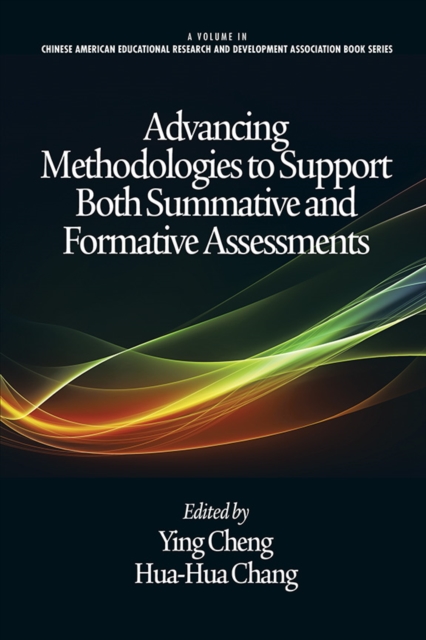
The general theme of this book is to encourage the use of relevant methodology in data mining which is or could be applied to the interplay of education, statistics and computer science to solve psychometric issues and challenges in the new generation of assessments.
The interplay between sociopolitical forces and economic agendas becomes apparent when one examines the June 28, 2007 United States Supreme Court Decision, Parents Involved In Community Schools v.
The purpose of this book is to encourage teachers and administrators to move beyond traditional course structures and to ask them to consider designing experiential curriculum that is interdisciplinary and focused on solving real world problems.
Curriculum Windows: What Curriculum Theorists of the 1990s Can Teach Us about Schools and Society Today is an effort by students of curriculum studies, along with their professor, to interpret and understand curriculum texts and theorists of the 1990s in contemporary terms.
In many elementary classrooms, social studies has taken a back seat to English Language Arts and Mathematics in the wake of No Child Left Behind and Race to the Top This volume is not another hand-wringing lament.
Curriculum Windows: What Curriculum Theorists of the 1960s Can Teach Us about Schools and Society Today is an effort by students of curriculum studies, along with their professor, to interpret and understand curriculum texts and theorists of the 1960s in contemporary terms.
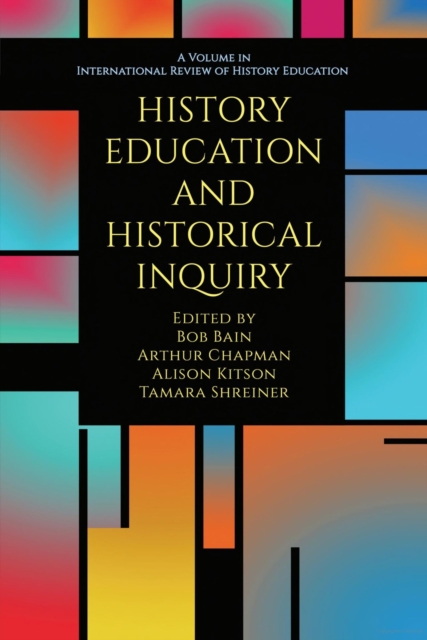
Inquiry plays a vital role in history as a discipline which constructs knowledge about the past and it is a vital organizing principle in history education in many countries around the world.
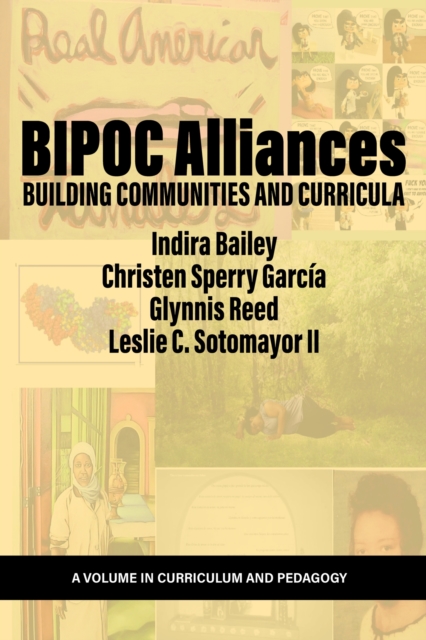
BIPOC Alliances: Building Communities and Curricula is a collection of reflective experiences that confront, challenge, and resist hegemonic academic canons.
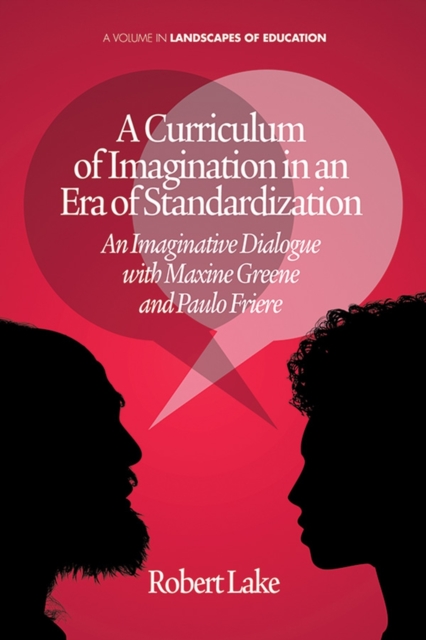
Robert Lake explores with the reader what is meant by imagination in the work of Maxine Greene and Paulo Freire and their relevance in an era of increasingly standardized and highly scripted practices in the field of education.