Fachbuch aus dem Jahr 2024 im Fachbereich Soziale Arbeit / Sozialarbeit, , Sprache: Deutsch, Abstract: Unsere Gesellschaft ist heute unübersehbar im Umbruch.
Masterarbeit aus dem Jahr 2023 im Fachbereich Soziale Arbeit / Sozialarbeit, Note: 1,7, DIPLOMA Fachhochschule Nordhessen; Zentrale, Sprache: Deutsch, Abstract: In dieser Arbeit wird ein Blick auf die Aufklärungsarbeit im Bezug auf Esssstörungen gelegt.
Studienarbeit aus dem Jahr 2023 im Fachbereich Soziale Arbeit / Sozialarbeit, Note: 1,0, DIPLOMA Fachhochschule Nordhessen; Zentrale, Veranstaltung: Medienpädagogik und ästhetische Bildung, Sprache: Deutsch, Abstract: Dieses Portfolio basiert auf dem Studienheft "Medienpädagogik und ästhetische Bildung für Soziale Arbeit" und untersucht spezifisch das Thema Cybermobbing.
Bachelorarbeit aus dem Jahr 2024 im Fachbereich Soziale Arbeit - Kinder- und Jugendhilfe, Note: 1,0, Evangelische Hochschule Berlin, Sprache: Deutsch, Abstract: Die vorliegende Bachelorarbeit untersucht die Herausforderungen und Interventionsmöglichkeiten für Sozialarbeiter:innen in der stationären Kinder- und Jugendhilfe im Umgang mit traumatisierten Kindern.
This book introduces the concept of 'purposed-leadership' to explore the emotional lifeworlds and professional interventions of India's start-up NGO educationalists.
Essay aus dem Jahr 2022 im Fachbereich Soziale Arbeit / Sozialarbeit, Note: 1,0, HAWK Hochschule für angewandte Wissenschaft und Kunst - Fachhochschule Hildesheim, Holzminden, Göttingen (Hildesheim), Veranstaltung: Verstehen?
Studienarbeit aus dem Jahr 2024 im Fachbereich Soziale Arbeit / Sozialarbeit, Note: 1,7, , Sprache: Deutsch, Abstract: Inwiefern lässt sich anhand der Konzeption von 'Geistiger Mütterlichkeit' durch Alice Salomon eine kritische Reflexion über deren Anwendbarkeit und Relevanz für die moderne Soziale Arbeit vornehmen?
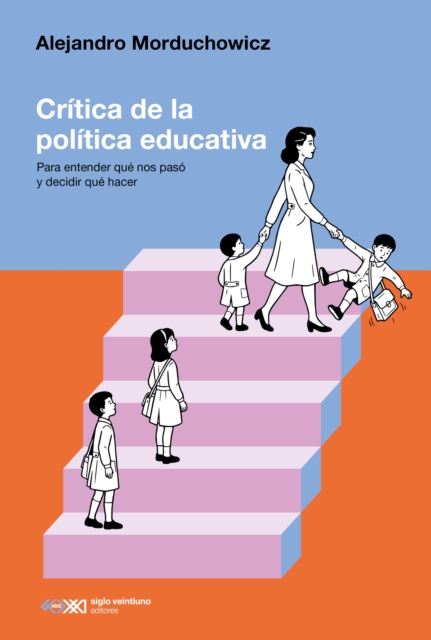
This book addresses the intricate dynamics of materiality in education governance, which has highlighted the prioritisation of human needs over ecological considerations.
This book introduces the concept of 'purposed-leadership' to explore the emotional lifeworlds and professional interventions of India's start-up NGO educationalists.
Bachelorarbeit aus dem Jahr 2021 im Fachbereich Soziale Arbeit / Sozialarbeit, Evangelische Hochschule Rheinland-Westfalen-Lippe, Sprache: Deutsch, Abstract: Inwiefern die themenzentrierte Interaktion sich als Methode eignet, um mit Jugendlichen in Form von Gruppen zu arbeiten, soll in dieser Arbeit geklärt werden.
Essay aus dem Jahr 2020 im Fachbereich Soziale Arbeit / Sozialarbeit, Note: 1,0, Hochschule Coburg (FH), Sprache: Deutsch, Abstract: Dieser Essay behandelt die Frage, ob durch Theaterpädagogik die Entstehung einer Identitätsdiffusion von Jugendlichen verhindert werden kann.
Studienarbeit aus dem Jahr 2021 im Fachbereich Soziale Arbeit / Sozialarbeit, Note: 1,0, Universität Siegen (Fakultät II), Veranstaltung: Entwicklungsrisiken und Resilienz Stressbewältigung, Sprache: Deutsch, Abstract: Diese Arbeit setzt sich mit dem Thema Reduktion von Arbeitsstress in Pflegeberufen auseinander und zeigt Möglichkeiten zur Stressbewältigung auf.
Studienarbeit aus dem Jahr 2020 im Fachbereich Soziale Arbeit / Sozialarbeit, Note: 2,0, Fachhochschule Dortmund, Sprache: Deutsch, Abstract: In dieser Hausarbeit liegt der Fokus auf dem Kindeswohl innerhalb der Zeugen Jehovas.
Studienarbeit aus dem Jahr 2020 im Fachbereich Soziale Arbeit / Sozialarbeit, Note: 2,3, Fachhochschule Dortmund, Veranstaltung: Wissenschaftliches Arbeiten, Sprache: Deutsch, Abstract: Es geht um die präventive Arbeit in Bezug auf Rechtsextremismus.
Essay aus dem Jahr 2020 im Fachbereich Soziale Arbeit / Sozialarbeit, Note: 1,7, FOM Hochschule für Oekonomie & Management gemeinnützige GmbH, Köln, Sprache: Deutsch, Abstract: In dem Essay geht es um die Rechtsbereiche, die bei Gewalt in der Familie zur Anwendung kommen.
Studienarbeit aus dem Jahr 2022 im Fachbereich Soziale Arbeit / Sozialarbeit, Note: 1,0, Duale Hochschule Baden-Württemberg, Stuttgart, früher: Berufsakademie Stuttgart, Sprache: Deutsch, Abstract: Die psychoanalytische Sozialarbeit ist ein Ansatz, der die Grundprinzipien der Psychoanalyse mit den Methoden und Zielen der Sozialarbeit vereint.
Bachelorarbeit aus dem Jahr 2020 im Fachbereich Soziale Arbeit / Sozialarbeit, Note: 1,3, Hochschule Hannover, Sprache: Deutsch, Abstract: Die vorliegende Arbeit thematisiert das kindliche Miterleben von häuslicher Gewalt und geht der bedeutungsvollen Frage nach, welchen Auswirkungen das Miterleben einer gewaltgeprägten Beziehung der Kindesentwicklung unterliegt und welche Wege der Resilienzunterstützung am Beispiel Frauenhaus ermöglicht werden.
Studienarbeit aus dem Jahr 2020 im Fachbereich Soziale Arbeit / Sozialarbeit, Katholische Fachhochschule Mainz, Veranstaltung: Seminar ,,Wissenschaft der Sozialen Arbeit", Sprache: Deutsch, Abstract: Die Leitgedanken der Sozialen Arbeit im Nationalsozialismus und heute könnten nicht unterschiedlicher sein.
Studienarbeit aus dem Jahr 2021 im Fachbereich Soziale Arbeit / Sozialarbeit, Note: 2,3, Fachhochschule Dortmund, Sprache: Deutsch, Abstract: Die folgende Fallanalyse entspringt einem Beispiel, welches sich in meiner 3-jährigen Praxiserfahrung in einer Regelwohngruppe für Kinder und Jugendliche abspielte.
Studienarbeit aus dem Jahr 2021 im Fachbereich Soziale Arbeit / Sozialarbeit, Note: 2,0, Fachhochschule Dortmund, Sprache: Deutsch, Abstract: Das Nutzen digitaler Medien ist heutzutage in unserem Alltag nicht mehr wegzudenken.
Studienarbeit aus dem Jahr 2020 im Fachbereich Soziale Arbeit / Sozialarbeit, Note: 1,0, FOM Essen, Hochschule für Oekonomie & Management gemeinnützige GmbH, Hochschulleitung Essen früher Fachhochschule, Sprache: Deutsch, Abstract: In dieser Arbeit wird zunächst näher auf das Spannungsverhältnis zwischen Hilfe und Kontrolle eingegangen.
Masterarbeit aus dem Jahr 2021 im Fachbereich Soziale Arbeit / Sozialarbeit, Note: 1,0, Georg-Simon-Ohm-Hochschule Nürnberg (Sozialwissenschaften), Sprache: Deutsch, Abstract: Die vorliegende Arbeit beschäftigt sich grundlegend mit der Frage: Welche Auswirkungen haben die Maßnahmen zur Eindämmung der Corona-Pandemie auf die Sozialisation und psychosoziale Entwicklung sowie zukünftige Teilhabechancen von Jugendlichen?
Studienarbeit aus dem Jahr 2020 im Fachbereich Soziale Arbeit / Sozialarbeit, Note: 2,7, , Sprache: Deutsch, Abstract: In dieser Arbeit soll die Sozialpädagogische Familienhilfe (SPFH) als ambulante Hilfe zur Erziehung für Familien mit Kindern genauer beschrieben werden.
Studienarbeit aus dem Jahr 2020 im Fachbereich Soziale Arbeit / Sozialarbeit, Note: 1,3, Fachhochschule Dortmund, Sprache: Deutsch, Abstract: In dieser Hausarbeit wird ein Fallbeispiel geschildert, in dem es um ein Erstberatungsgespäch mit einem an Alzheimer erkrankten Menschen geht.
Studienarbeit aus dem Jahr 2020 im Fachbereich Soziale Arbeit / Sozialarbeit, Note: 2,0, Hochschule Fulda, Sprache: Deutsch, Abstract: Eine Erziehung, die auf Strafen wie Prügel und Isolation setzt?
Studienarbeit aus dem Jahr 2020 im Fachbereich Soziale Arbeit / Sozialarbeit, Note: 1,7, (IU Internationale Hochschule), Sprache: Deutsch, Abstract: Was ist der Inhalt von Mädchenarbeit, in welchen Handlungsfeldern kann sie eingesetzt werden und vor allem, ist diese denn noch zeitgemäß?
Essay aus dem Jahr 2020 im Fachbereich Soziale Arbeit / Sozialarbeit, Note: 1,3, FOM Hochschule für Oekonomie & Management gemeinnützige GmbH, München früher Fachhochschule (FOM), Veranstaltung: Recht in der sozialen Arbeit, Sprache: Deutsch, Abstract: Die Arbeit stellt sich die Frage, ab wann Gründe für die Inobhutnahme von Kindern bei Kindeswohlgefährdung schwerwiegend genug sind, um dieses aus seiner Herkunftsfamilie zu nehmen.
Studienarbeit aus dem Jahr 2021 im Fachbereich Soziale Arbeit / Sozialarbeit, Note: 1,7, Georg-Simon-Ohm-Hochschule Nürnberg (Sozialwissenschaften), Sprache: Deutsch, Abstract: Inwiefern wirkt sich die Pandemie auf die Chancengleichheit von Kindern, Jugendlichen und Familien aus und durch welche Unterstützungsangebote, insbesondere durch welche politischen Instrumente, können sie unterstützt werden?
Projektarbeit aus dem Jahr 2020 im Fachbereich Soziale Arbeit / Sozialarbeit, Note: 2,0, Fachhochschule des Mittelstands (Fachhochschule des Mittelstands Köln), Veranstaltung: Unternehmensgründung, Sprache: Deutsch, Abstract: Die zu gründende Praxis für Kinder- und Jugendpsychotherapie soll durch innovative Therapie-, Beratungs- und Coachingangebote einen sinnvollen Ansatzpunkt für die erfolgsversprechende Schließung des Mangels an Kinder- und Jugendpsychotherapeuten in Oberberg bieten.
Studienarbeit aus dem Jahr 2021 im Fachbereich Soziale Arbeit / Sozialarbeit, Note: 1,3, FOM Essen, Hochschule für Oekonomie & Management gemeinnützige GmbH, Hochschulleitung Essen früher Fachhochschule, Veranstaltung: Beratung und Begleitung, Sprache: Deutsch, Abstract: Diese Arbeit beschäftigt sich mit der Frage, wie Führungskräfte in sozialen Berufen die Arbeitsmotivationen von altersgemischten Teams beeinflussen können.
Essay aus dem Jahr 2021 im Fachbereich Soziale Arbeit / Sozialarbeit, Note: 1,0, FOM Hochschule für Oekonomie & Management gemeinnützige GmbH, München früher Fachhochschule, Sprache: Deutsch, Abstract: Um der Frage "Welche Aspekte unterscheiden die quantitative und die qualitative Forschung?
Essay aus dem Jahr 2021 im Fachbereich Soziale Arbeit / Sozialarbeit, Note: 1,3, Hochschule Darmstadt, Veranstaltung: Psychologische und sozialmedizinische Grundlagen der Sozialen Arbeit, Sprache: Deutsch, Abstract: Im vorliegenden Essay möchte ich mich mit der Frage beschäftigen, welche Rahmenbedingungen vorliegen müssen, damit Kinder sichere Bindungen aufbauen können.
Studienarbeit aus dem Jahr 2020 im Fachbereich Soziale Arbeit / Sozialarbeit, Note: 2, Hochschule Bremen, Sprache: Deutsch, Abstract: Diese Arbeit fokussiert sich zunächst insbesondere auf die schulische Ausbildung von Kindern mit Migrationshintergrund und wird ethnische Bildungsungleichheit vor dem theoretischen Hintergrund primärer und sekundärer Herkunftseffekte betrachten.
Essay aus dem Jahr 2020 im Fachbereich Soziale Arbeit / Sozialarbeit, Note: 1,0, Akkon-Hochschule für Humanwissenschaften, Sprache: Deutsch, Abstract: Seit der zunehmenden Popularisierung des Neoliberalismus in den 70er Jahren des 20.
Wissenschaftlicher Aufsatz aus dem Jahr 2020 im Fachbereich Soziale Arbeit / Sozialarbeit, Note: 1,7, Hochschule Hannover, Sprache: Deutsch, Abstract: Diese Arbeit handelt von den Fragen, was Wissenschaft ist und warum die soziale Arbeit Wissenschaft braucht.
Studienarbeit aus dem Jahr 2020 im Fachbereich Soziale Arbeit / Sozialarbeit, Note: 1,3, Fachhochschule Düsseldorf, Sprache: Deutsch, Abstract: Diese Hausarbeit setzt sich mit dem Thema des Justizvollzuges auseinander.
Studienarbeit aus dem Jahr 2020 im Fachbereich Soziale Arbeit / Sozialarbeit, Note: 1,7, Hochschule RheinMain, Sprache: Deutsch, Abstract: Der Fokus des folgenden Konzepts liegt auf einer Trainingsstrategie zur Stabilisierung des Selbstbildes, der Kommunikation- und Interaktionskompetenz von Susann, einer Beispielpatientin.
Akademische Arbeit aus dem Jahr 2021 im Fachbereich Soziale Arbeit / Sozialarbeit, Note: 1,0, Universität Duisburg-Essen (Bildungswissenschaften), Sprache: Deutsch, Abstract: Im Zuge der Corona-Krise haben soziale Berufe, wie der Gesundheits- und Pflegesektor, aber auch die Kinder- und Jugendhilfe, insbesondere im Bereich der Erziehung und Sozialarbeit, eine zunehmende Aufmerksamkeit erfahren und wurden umfassend als systemrelevant anerkannt.
Bachelorarbeit aus dem Jahr 2021 im Fachbereich Soziale Arbeit / Sozialarbeit, Note: 1,7, Verwaltungs- und Wirtschaftsakademie Lüneburg, Sprache: Deutsch, Abstract: Die zentrale Fragestellung für diese Arbeit lautet: „Wie können erwachsene Menschen mit dem Krankheitsbild Depression durch hundegestützte Intervention unterstützt werden?