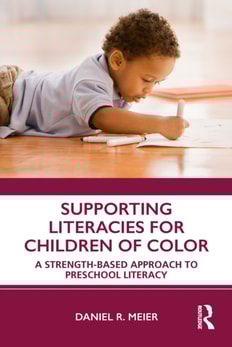
A comprehensive theory-to-practice guidebook, Supporting Literacies for Children of Color argues for a new strength-based view of teaching to support the literacy talents and abilities of preschool-aged children of Color.
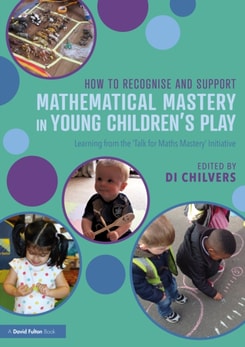
This book explains how young children develop mathematically in their earliest years and shows the support and teaching needed by adults to accelerate their progress and attainment, helping them master mathematical concepts and skills.
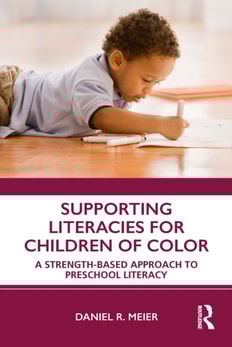
A comprehensive theory-to-practice guidebook, Supporting Literacies for Children of Color argues for a new strength-based view of teaching to support the literacy talents and abilities of preschool-aged children of Color.
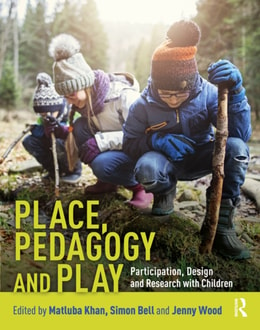
This book brings a refreshing Vygotskian perspective to the importance of children's play, and the role it has in the physical, social, emotional and cognitive development of young children.
Now in a fully updated second edition, Nature Education and Young Children remains a thoughtful, sophisticated teacher resource that blends theory and practice on nature education, children's inquiry-based learning, and reflective teaching.
As the number of students with anxiety increases in schools and classrooms, this book serves as the go-to guide for teachers and educators who strive to provide a welcoming environment conducive to students' learning.
This book explains how young children develop mathematically in their earliest years and shows the support and teaching needed by adults to accelerate their progress and attainment, helping them master mathematical concepts and skills.
This book brings a refreshing Vygotskian perspective to the importance of children's play, and the role it has in the physical, social, emotional and cognitive development of young children.
Now in a fully updated second edition, Nature Education and Young Children remains a thoughtful, sophisticated teacher resource that blends theory and practice on nature education, children's inquiry-based learning, and reflective teaching.
As the number of students with anxiety increases in schools and classrooms, this book serves as the go-to guide for teachers and educators who strive to provide a welcoming environment conducive to students' learning.
Understanding Gender and Early Childhood is a comprehensive and accessible introduction into the main issues around gender and what these mean for our youngest children.
Much more than simply recording events, pedagogical documentation is a revolutionary educational approach that enables practitioners to capture and understand the ways in which children learn and think.
Neoliberalism, with its worldview of competition, choice and calculation, its economisation of everything, and its will to govern has 'sunk its roots deep' into Early Childhood Education and Care.
Attainment and Executive Functioning in the Early Years combines knowledge and understanding from research with operational skills from practice in the early years.
Understanding Gender and Early Childhood is a comprehensive and accessible introduction into the main issues around gender and what these mean for our youngest children.
Much more than simply recording events, pedagogical documentation is a revolutionary educational approach that enables practitioners to capture and understand the ways in which children learn and think.
Neoliberalism, with its worldview of competition, choice and calculation, its economisation of everything, and its will to govern has 'sunk its roots deep' into Early Childhood Education and Care.
Attainment and Executive Functioning in the Early Years combines knowledge and understanding from research with operational skills from practice in the early years.
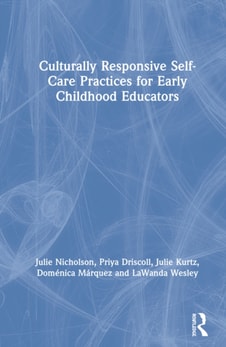
The first self-care book designed specifically for the early childhood field, Culturally Responsive Self-Care Practices for Early Childhood Educators is filled with helpful strategies and tools that you can implement immediately.
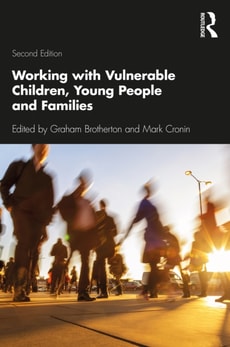
This fully revised and expanded edition considers the meaning of 'vulnerability' - a key concept in early intervention - and the relationship between vulnerability and the individual, communities and society.
The first self-care book designed specifically for the early childhood field, Culturally Responsive Self-Care Practices for Early Childhood Educators is filled with helpful strategies and tools that you can implement immediately.
This fully revised and expanded edition considers the meaning of 'vulnerability' - a key concept in early intervention - and the relationship between vulnerability and the individual, communities and society.
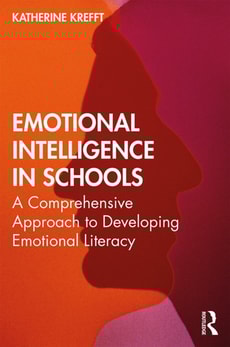
This text presents a methodical, organized approach to counseling students in emotional intelligence (EI) by detailing how to understand and direct emotions, while also keying counselors directly to the underlying emotional motivations behind the behaviors.
This text presents a methodical, organized approach to counseling students in emotional intelligence (EI) by detailing how to understand and direct emotions, while also keying counselors directly to the underlying emotional motivations behind the behaviors.
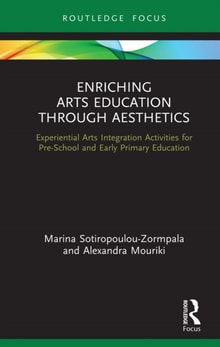
Enriching Arts Education through Aesthetics examines the use of aesthetic theory as the foundation to design and implement arts activities suitable for integration in school curricula in pre-school and primary school education.
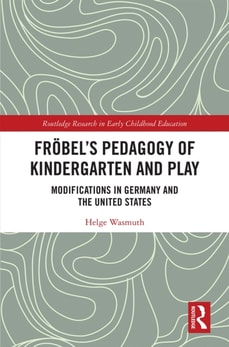
This text provides a comprehensive analysis of historical archives, letters, and primary sources to offer unique insight into how Frobel's pedagogy of kindergarten and play has been understood, interpreted, and modified throughout history and in particular, as a consequence of it's adoption in the US.
Enriching Arts Education through Aesthetics examines the use of aesthetic theory as the foundation to design and implement arts activities suitable for integration in school curricula in pre-school and primary school education.
This text provides a comprehensive analysis of historical archives, letters, and primary sources to offer unique insight into how Frobel's pedagogy of kindergarten and play has been understood, interpreted, and modified throughout history and in particular, as a consequence of it's adoption in the US.
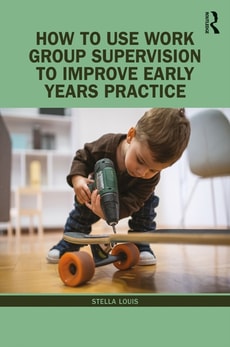
How to Use Work Group Supervision to Improve Early Years Practice presents a new model for supervision as a collaborative process, and explores how this process can benefit practitioners at all stages in their career to reflect on and improve their own practice.
How to Use Work Group Supervision to Improve Early Years Practice presents a new model for supervision as a collaborative process, and explores how this process can benefit practitioners at all stages in their career to reflect on and improve their own practice.
This book, at the intersection of early childhood and reconceptualizing practice, looks at how practitioners, theorists, and teachers are supporting young children to care about the environment differently.
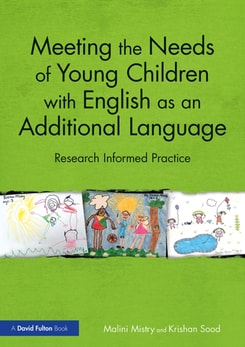
Drawing on the latest research into how young children learn, this book considers how early years practitioners can best meet the needs of children with English as an Additional Language.
This book, at the intersection of early childhood and reconceptualizing practice, looks at how practitioners, theorists, and teachers are supporting young children to care about the environment differently.
Drawing on the latest research into how young children learn, this book considers how early years practitioners can best meet the needs of children with English as an Additional Language.
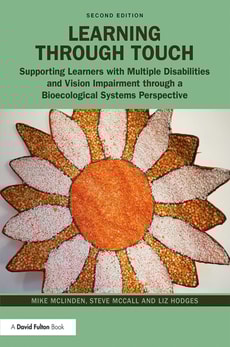
This fully revised and updated second edition of Learning through Touch is essential reading for practitioners who support learners with multiple disabilities and vision impairment.
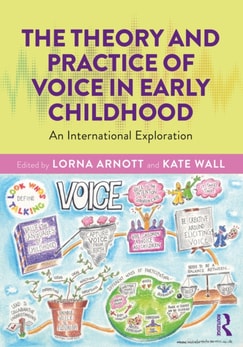
Seeing young children as competent and capable social actors, The Theory and Practice of Voice in Early Childhood looks at how we can better understand young children's perspectives.
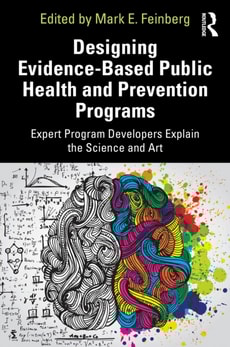
Demonstrating that public health and prevention program development is as much art as science, this book brings together expert program developers to offer practical guidance and principles in developing effective behavior-change curricula.
This fully revised and updated second edition of Learning through Touch is essential reading for practitioners who support learners with multiple disabilities and vision impairment.
Seeing young children as competent and capable social actors, The Theory and Practice of Voice in Early Childhood looks at how we can better understand young children's perspectives.
Demonstrating that public health and prevention program development is as much art as science, this book brings together expert program developers to offer practical guidance and principles in developing effective behavior-change curricula.