The Power of Presence: A Guide to Mindfulness Practices in Early Childhood is written for today's educators who feel pressured by unrealistic demands, are overwhelmed by the daily chaos of early childhood teaching, and seek to find peace in their classrooms.
Art Across the Alphabet contains art-centered activities for children ages three to six to reinforce letter recognition, build phonemic awareness and pre-reading skills, and associate reading with FUN!
Most early childhood teachers are using learning centers in the classroom, but donot approach them in ways that fully support a variety of learning opportunities.
With 52 weeks of fantastic art projects using easy-to-find, everyday materials,Art with Anythingprovides a year of creativity, imagination, and fun for children ages 4-10!
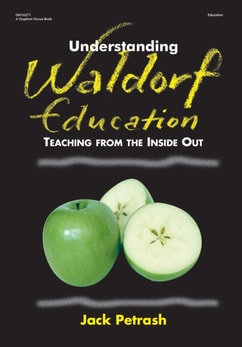
Written by a teacher with more than 25 years of experience, this book offers a jargon-free view of Waldorf education and its philosophy of the importance of a three-dimensional education.
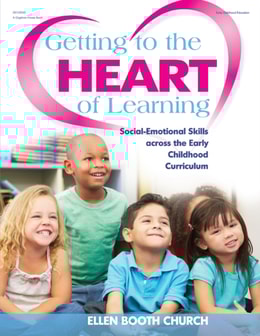
Emphasizing essential interpersonal skills that should be developed in early childhood, this guide offers a holistic approach to developing classroom communities in which each child feels recognized, appreciated, and able to contribute.
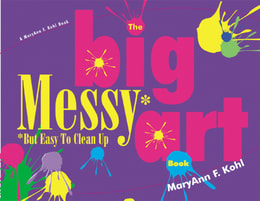
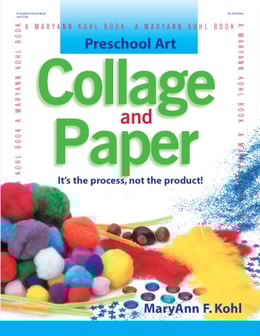
Excerpted from the national best-seller Preschool Art, MaryAnn Kohl brings you 50 great ways to create with chalk, crayons, stencils, textures and more.
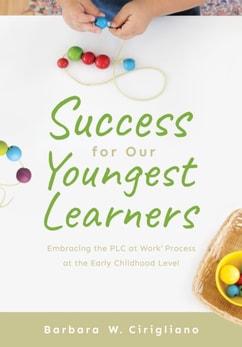
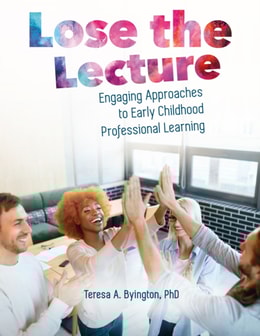
Professional development is important, but early childhood professionals get just as bored, worn out, and disengaged from learning as their younger counterparts do.
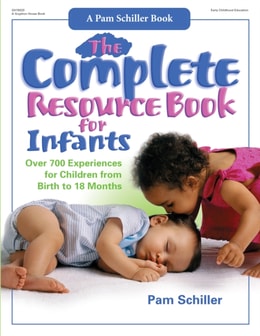
The Complete Resource Book for Infantsis a collection of experiences and activities that maximize learning and development for children from birth to eighteen months.
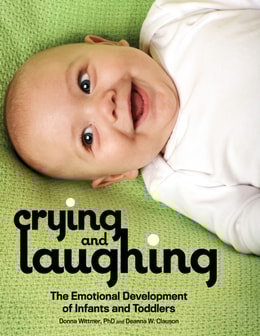
The authors of the acclaimed book From Biting to Hugging: Understanding Social Development in Infants and Toddlers bring educators another go-to infant and toddler resource in Crying and Laughing: The Emotional Development of Infants and Toddlers.
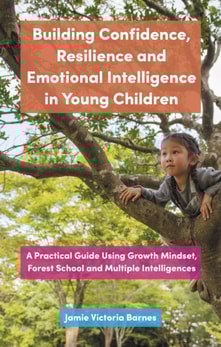
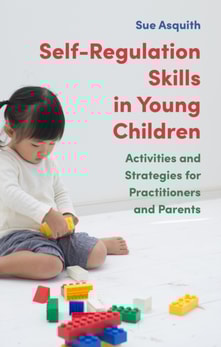
Confidence, emotional intelligence and resilience are vital to children's mental wellbeing, and this book gives early years practitioners all the tools they need to promote these skills in young children.
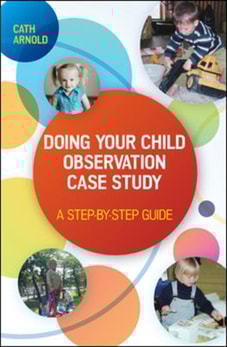
Many early years students and practitioners can struggle with how to observe children, knowing what makes good observations, as well as how to use them and why they matter so much.
Organized by age for easy referencing, the dozens of creative activities in Everyday Play are perfect for children aged three to five, and they develop the fine motor skills every child needs for school.
An early childhood classroom should reinforce and enhance young children'ssense of belonging and connection to their environment, each other, theirfamilies, and their community.
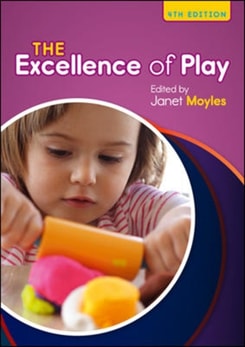
When young children are engaged in imaginative play, they are not just having fun; they are developing skills and concepts that are foundational to their learning.
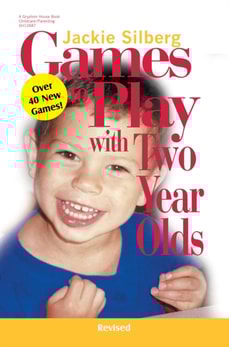
Packed with opportunities to build confidence and to enhance language, coordination, social interactions, and problem-solving skills, Games to Play with Two Year Olds is a must-have for anyone caring for a child between the ages of two and three.
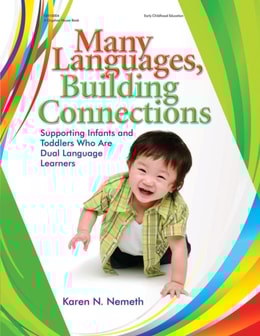
In classrooms across the country, teachers are encountering more children who are learning English, come from diverse backgrounds, and who speak a variety of languages.