Despite vast possible differences across geographic locations, cultural practices, community values, and curricular priorities, there are everyday events that are intimately familiar in the context of early childhood care and education centres.
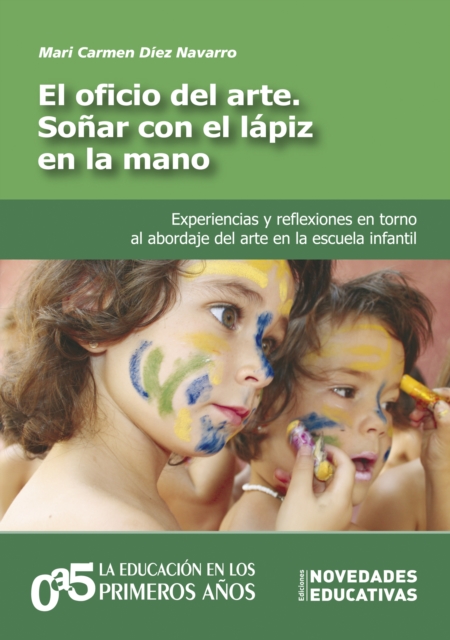
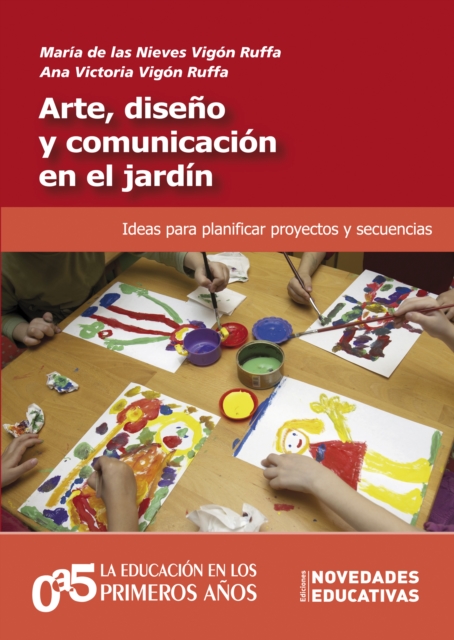
En este libro se reúnen y sistematizan diversas experiencias que suceden en los espacios de formación y en las instituciones del Nivel Inicial vinculadas a la enseñanza del arte, proponiendo un equilibrio entre teoría y práctica.
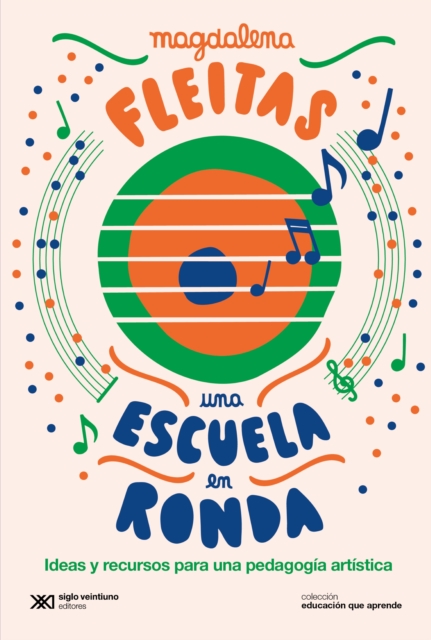
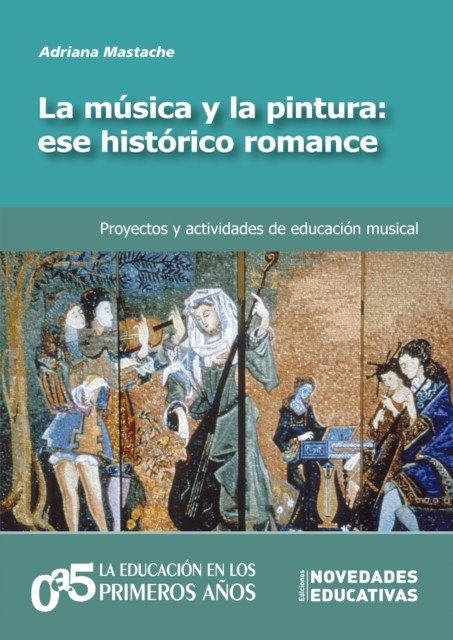
Este libro anda por tres caminos que se cruzan y se encuentran, por suerte, muchas veces y amorosamente: el del lenguaje musical, el de las infancias y el de la vida en las instituciones educativas.
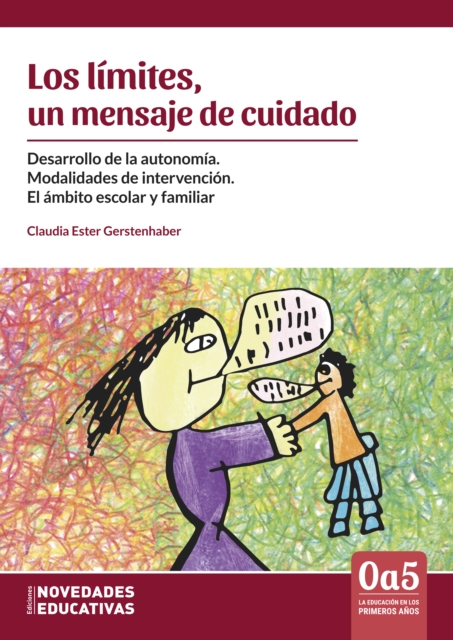
El abordaje de los límites en el ámbito educativo está determinado por múltiples factores personales, sociales e institucionales y constituye un factor de considerable incidencia en los procesos de socialización y aprendizaje: configura el clima del aula y marca el estilo de las relaciones vinculares.
Nuestra didáctica necesita ser un espacio con permisos, con muchas voces, donde los autores inviten a hacer, pero también a pensar, a crear, a inventar y a experimentar.
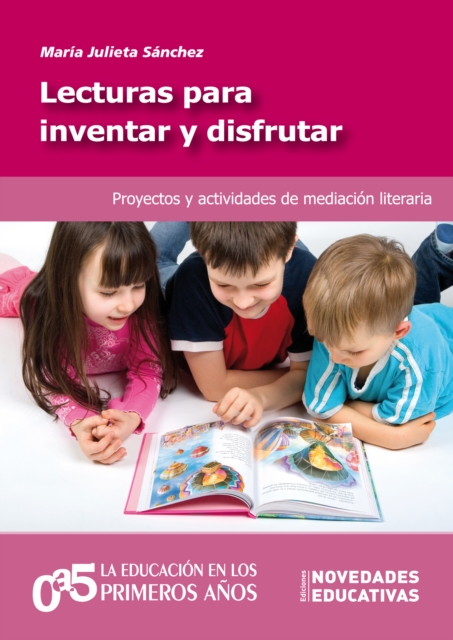
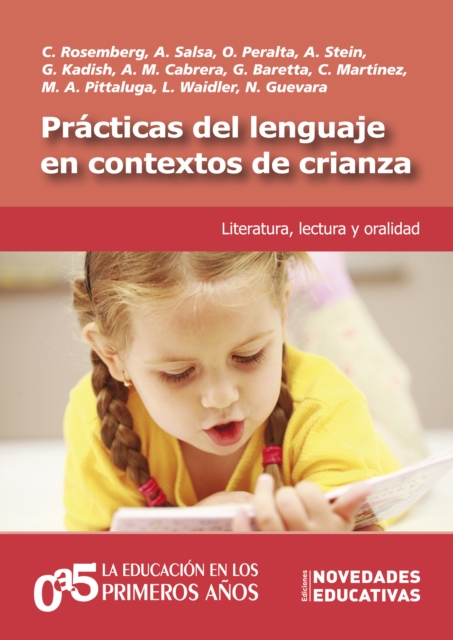
Este libro, dirigido principalmente a docentes de nivel inicial, bibliotecarios y personas cuya labor gira en torno a la literatura y los niños, fortalece el rol de mediador en la animación a la lectura.
Se entrecruzan aquí investigaciones, reflexiones y propuestas didácticas que coinciden en destacar la importancia que tiene el desarrollo del lenguaje en el trabajo con niños pequeños.
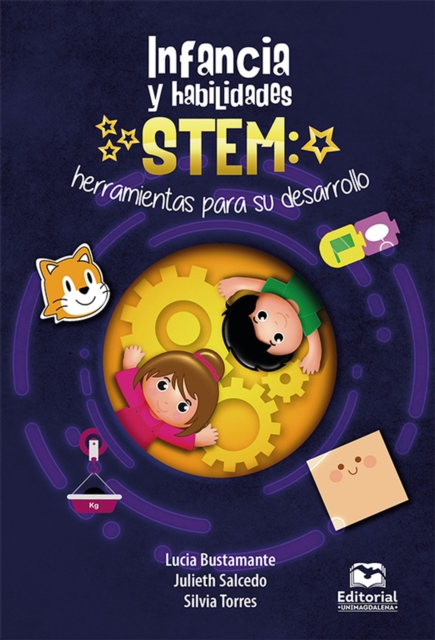
Infancia y habilidades STEM: herramientas para su desarrollo es un libro de texto que contiene actividades ludicas para que padres y docentes puedan acompanar a ninos a partir de los 4 anos en el mundo de la creacion con tecnologia y, en general, en la educacion STEM.
Este texto está dirigido a estudiantes de Licenciatura en Educación Infantil y a profesionales emprendedores que deseen conocer cuáles son los fundamentos básicos de la educación preescolar en Colombia.
Esta obra, que hace parte de la Colección ESCENARIOS PARA LA INFANCIA del Instituto de Estudios en Educación (IESE) de la Universidad del Norte y está dirigida a docentes y estudiantes de Licenciatura en Educación Infantil, contiene orientaciones básicas sobre la estructuración del currículo del nivel Preescolar en Colombia y un modelo pedagógico-didáctico cuyo propósito primordial es recuperar para el aula de clase la dinámica del recreo.
Todas las investigaciones, incluidas las más recientes, coinciden en señalar que, cuanto antes se empiece a aprender en la infancia, mejores son las expectativas de calidad de vida, tanto a nivel personal como social.
En los últimos años, y desde la implantación de los grados unversitarios, la Educación Infantil está ocupando el lugar que le correspondía como etapa inicial y relevante en educación.
La seguridad infantil debería ser prioridad a la hora de proyectar, diseñar, construir, equipar y gestionar un centro dedicado a la primera infancia, teniendo en cuenta desde el principio, que la mejor medida para evitar los accidentes infantiles es la prevención.
Un conjunto de 30 cuentos, dirigidos a niños y niñas de 3, 4 y 5 años, expresamente escritos para ayudar a maestras y maestros de educación infantil a iniciar a sus alumnos en múltiples competencias y conceptos matemáticos a través de la narración de cuentos.
Con mucha frecuencia observamos a nuestro alrededor adultos que se sienten insatisfechos con su realidad, pero apenas hacen nada por cambiarla, personas sumidas en estados depresivos que les impiden disfrutar de los detalles cotidianos de la vida, hombres y mujeres que tienen grandes dificultades para relacionarse con otros seres humanos y se sienten atormentados por los comentarios o las conductas de los demás.
Gracias a la neurociencia, los educadores tenemos la oportunidad de llevar a cabo nuevas prácticas y estrategias conscientes para ayudar a un óptimo desarrollo del cerebro del niño.
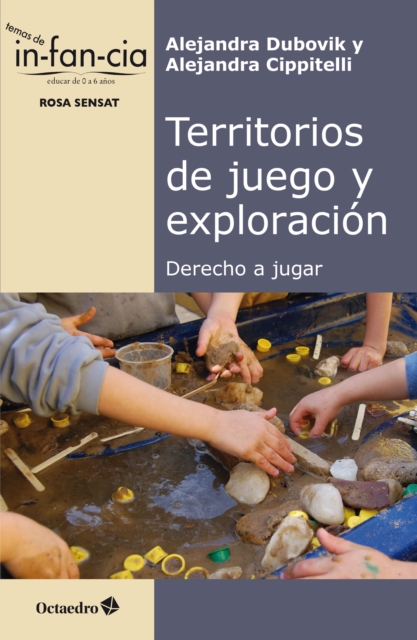
Este libro habla de territorios de juego y de experimentación entendidos como espacios que ofrecen las condiciones óptimas a los niños para que los conquisten y los construyan desde su creatividad.
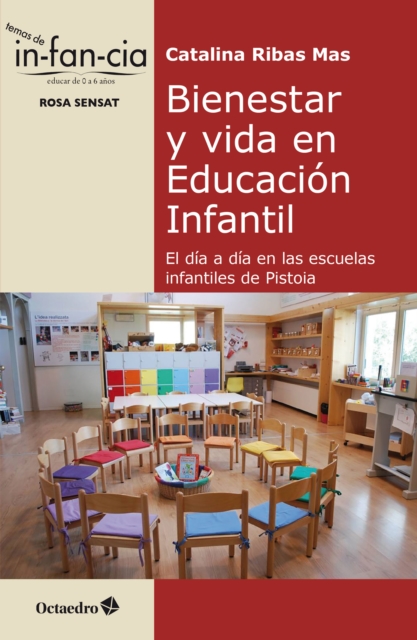
Este libro que tienen en sus manos es una invitación a mirar la escuela como un lugar de bienestar, entendiéndolo como la principal finalidad de la educación.
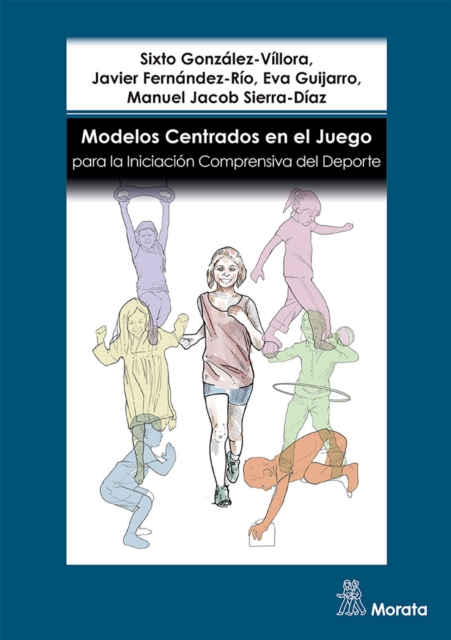
Bunker y Thorpe (1982) desarrollaron el modelo Teaching Games for Understanding (TGfU), en castellano, Enseñanza Comprensiva del Deporte, en el año 1982 como una nueva aproximación de enseñanza del deporte centrada en el juego y en el estudiante/jugador con el objetivo de superar las limitaciones encontradas en las prácticas tradicionales que utilizaban situaciones descontextualizadas.
Das Training von kognitiven Stützfunktionen und mathematischen Vorläuferfertigkeiten gilt als gewinnbringende Vorbereitung auf die schulischen Anforderungen des Mathematikunterrichts.