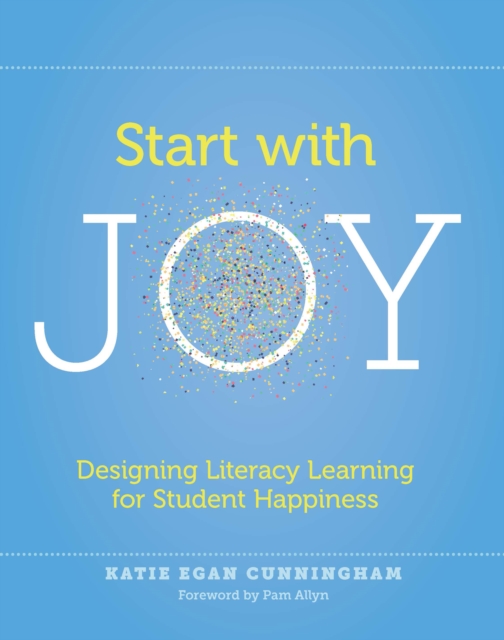
In Start with Joy: Designing Literacy Learning for Student Happiness, author Katie Cunningham links what we know from the science of happiness with what we know about effective literacy instruction.
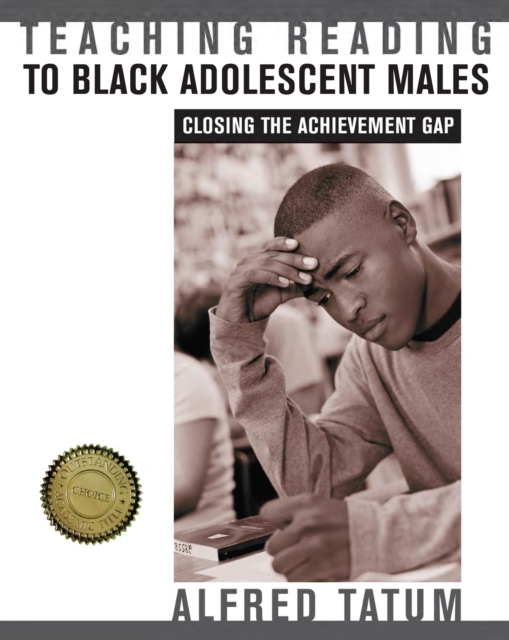
The racial achievement gap in literacy is one of the most difficult issues in education today, and nowhere does it manifest itself more perniciously than in the case of black adolescent males.
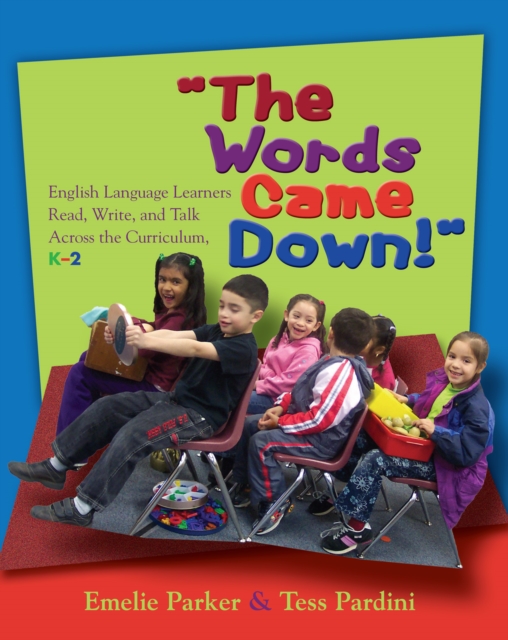
As teachers everywhere find more and more students with limited English in their classes, many are asking: How can I include ELL students in every aspect of the day?
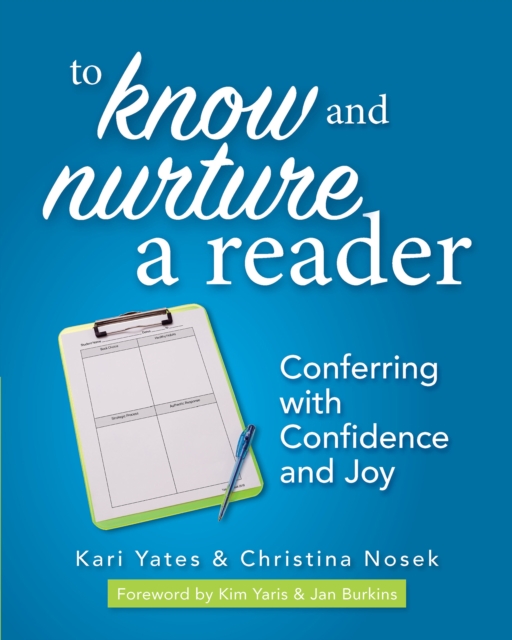
Conferring with students about reading allows for clearer access to one-on-one, in-the-moment teaching and learning, yet it can feel intimidating or overwhelming.
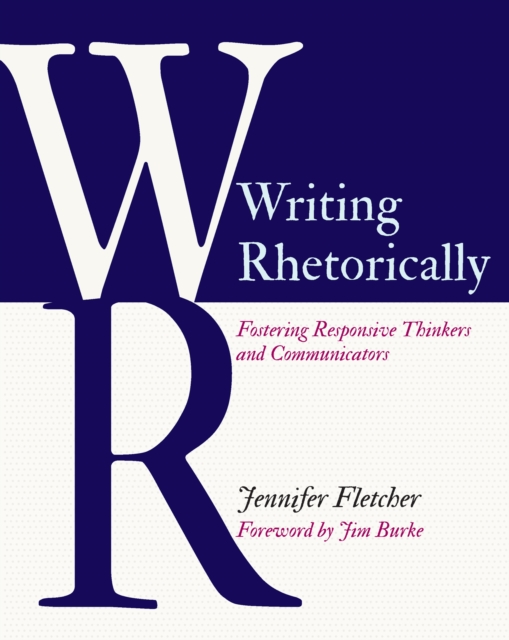
In Writing Rhetorically: Fostering Responsive Thinkers and Communicators, author Jennifer Fletcher aims to cultivate independent learners through rhetorical thinking.
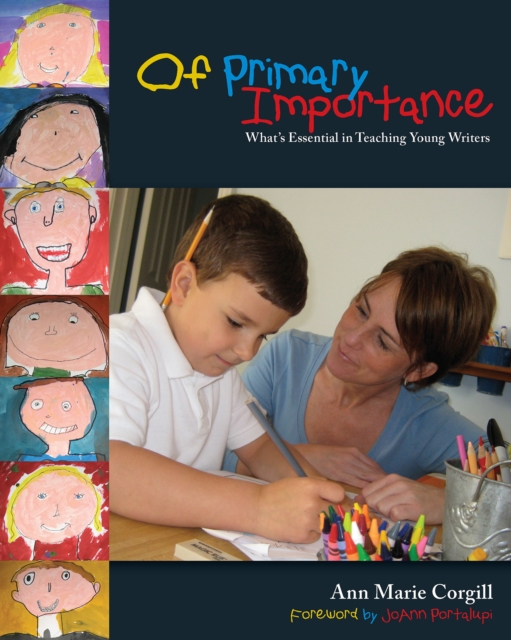
From the first chapter of Ann Marie Corgills Of Primary Importance: What's Essential in Teaching Young Writers, you experience the swirling energy, the sights, and the sounds of a primary classroom.
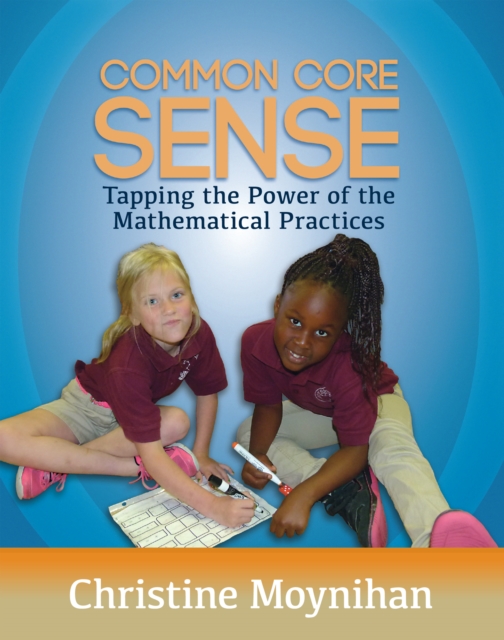
Since the introduction of Common Core State Standards, many elementary teachers struggled with unpacking these processes and figuring out how to implement them in the classroom.
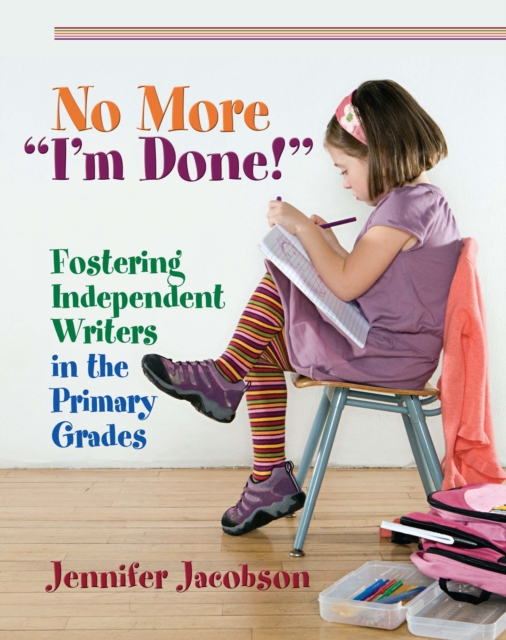
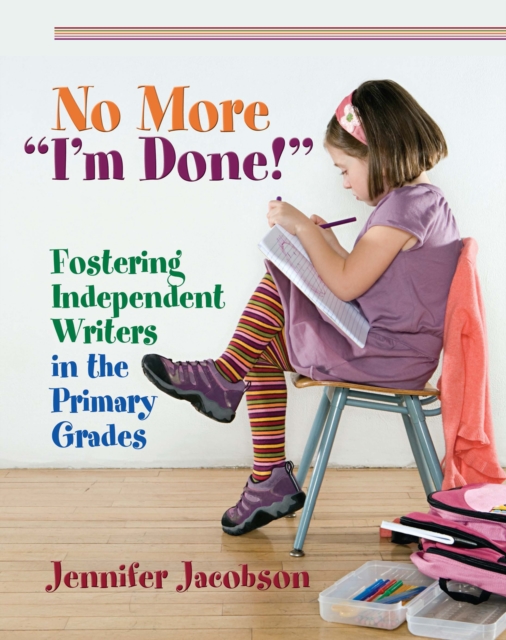
Disregarding the false notion that writing instruction in the primary grades needs to be mostly teacher directed, Jennifer Jacobson shows teachers how to develop a primary writer' s workshop that helps nurture independent, engaged writers.
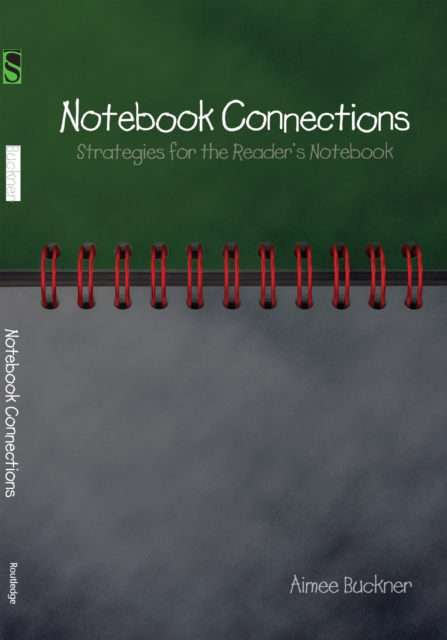
In Notebook Connections: Strategies for the Reader's Notebook , author Aimee Buckner focuses on the reading workshop and how teachers can transform students from couch potato- readers who read and answer basic questions about a text to readers who critically think beyond their reading.
With every lesson grounded in the critical strategy of writers talking out their revisions, Patterns of Revision will establish routines, practices, and mindsets to set you and your students up for success from day one.
The Literacy Workshop: Where Reading and Writing Converge is a first-of-its-kind resource that offers a practical process for creating an integrated literacy workshop using demonstration lessons that align with current curriculum standards.
When writing workshops first blossomed in classrooms, its hallmarks were genuine curiosity, individual choice, quality conversations, and engaging children's literature.
In Reading Reasons: Motivational Mini-Lessons for Middle and High School, author and teacher Kelly Gallagher offers a series of mini-lessons specifically tailored to motivate middle and high school students to read, and in doing so, to help them understand the importance and relevance reading will take in their lives.
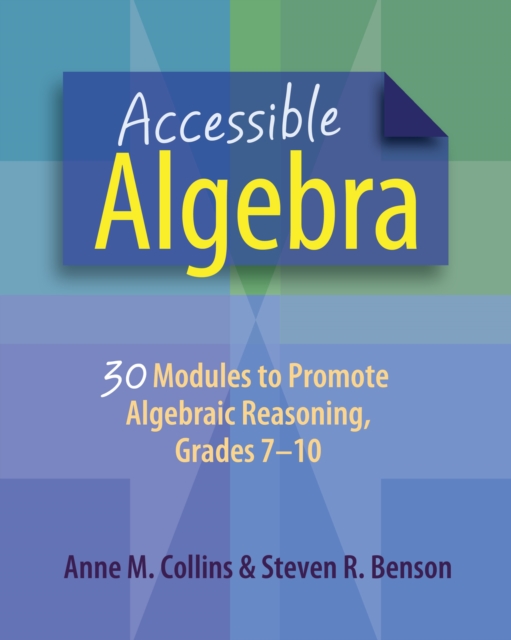
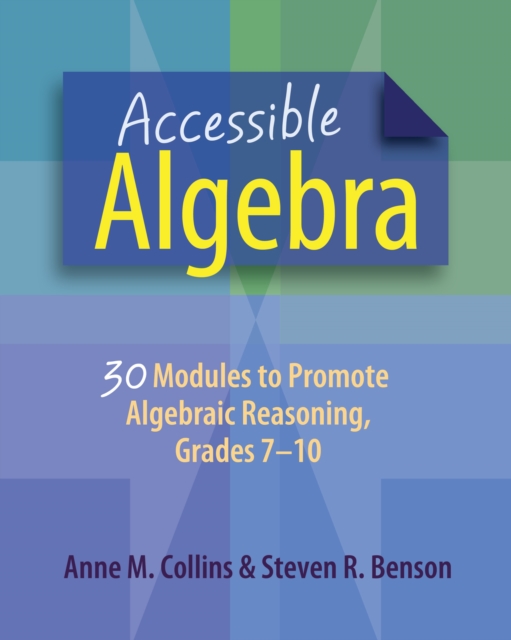
Accessible Algebra: 30 Modules to Promote Algebraic Reasoning, Grades 7-10 is for any pre-algebra or algebra teacher who wants to provide a rich and fulfilling experience for students as they develop new ways of thinking through and about algebra.
When writing workshops first blossomed in classrooms, its hallmarks were genuine curiosity, individual choice, quality conversations, and engaging children's literature.
Disregarding the false notion that writing instruction in the primary grades needs to be mostly teacher directed, Jennifer Jacobson shows teachers how to develop a primary writer' s workshop that helps nurture independent, engaged writers.
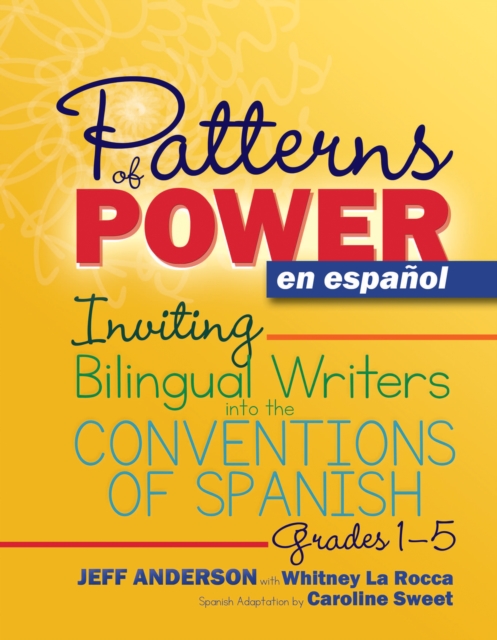
Author Jeff Anderson and bilingual teacher and coach Caroline Sweet lead a vibrant approach to grammar instruction in Patterns of Power en espanol, Grades 1-5: Inviting Bilingual Writers into the Conventions of Spanish.
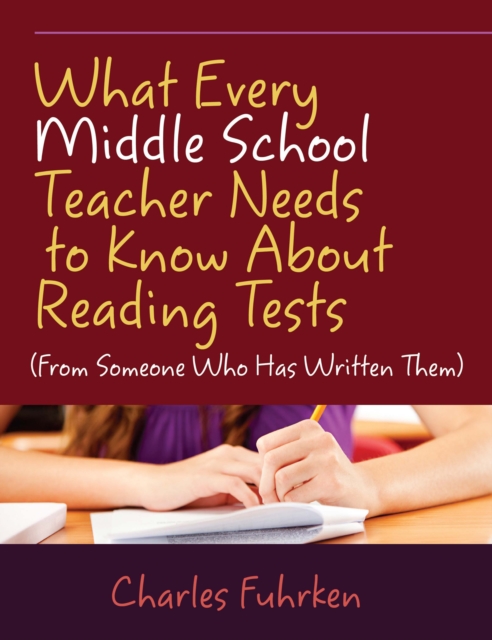
Tests require a special kind of savvy, a kind of critical thinking and knowledge application that is not always a part of classroom reading experiences.
Accessible Algebra: 30 Modules to Promote Algebraic Reasoning, Grades 7-10 is for any pre-algebra or algebra teacher who wants to provide a rich and fulfilling experience for students as they develop new ways of thinking through and about algebra.
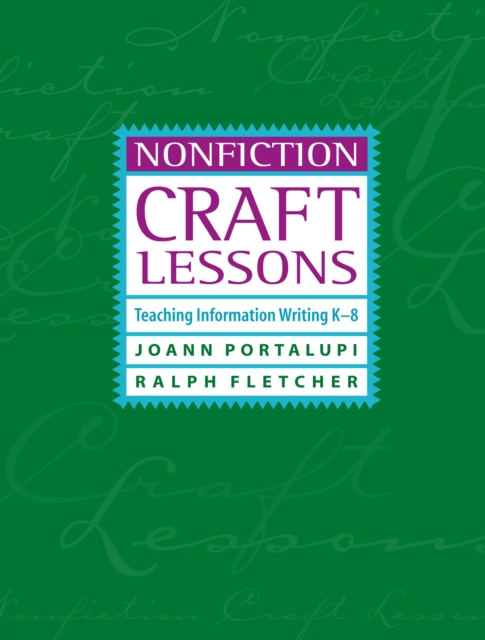
Writing nonfiction represents a big step for most students, yet when they try to create a report or persuasive essay, they are often anxious and frustrated.
Publishing podcasts, writing digital stories with choose your own adventure endings, and collaborating with students around the country through wikis, Skype, and VoiceThread, Julie D.
In Writing Rhetorically: Fostering Responsive Thinkers and Communicators, author Jennifer Fletcher aims to cultivate independent learners through rhetorical thinking.
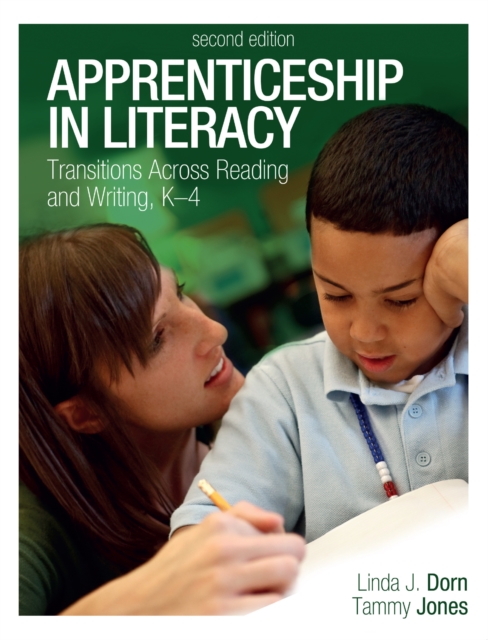
Grounded in social and cognitive learning theories, the second edition of Apprenticeship in Literacy: Transitions Across Reading and Writing, K-4 still details the seven principles of apprenticeship learning and helps K -4 teachers implement and assess guided reading, assisted writing, literature discussion groups, word study lessons, and literacy centers across an integrated curriculum.
The essays collected together in Critics Not Caretakers argue that the study of religion must be rethought as an ordinary aspect of social, historical existence, a stance that makes the scholar of religion a critic of cultural and historical practices rather than a caretaker of religious tradition or a font of timeless wisdom and deep meaning.
Whether writing a blog entry or a high-stakes test essay, fiction or nonfiction, short story or argumentation, students need to know certain things in order to write effectively.
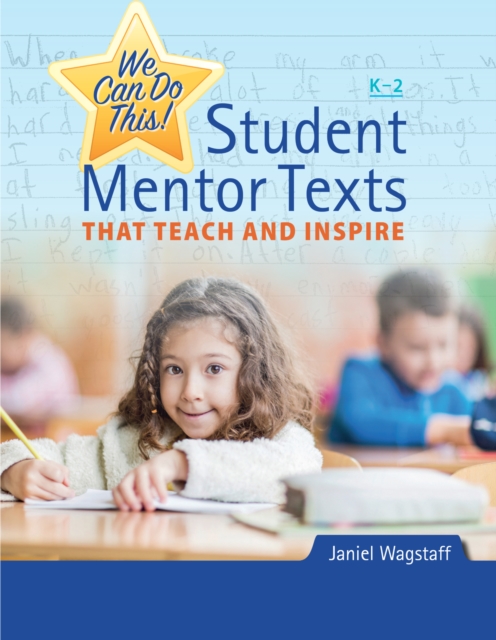
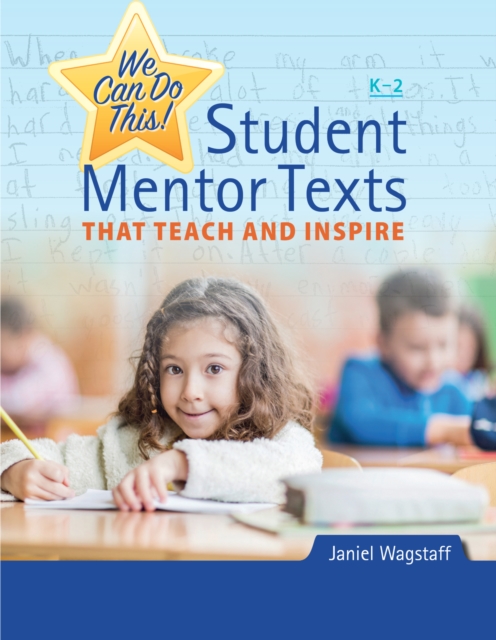
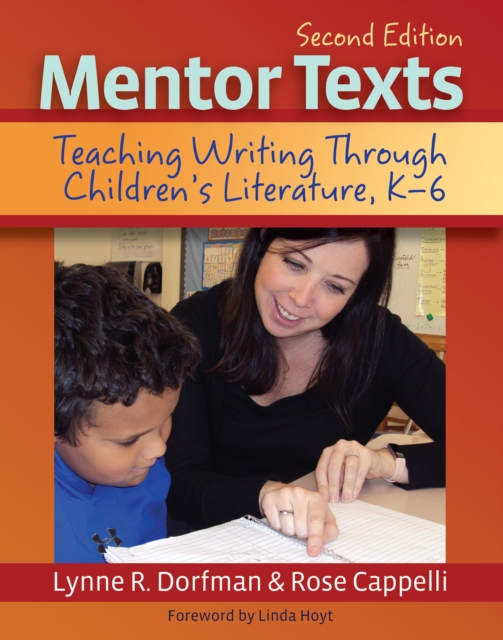
In their first edition of Mentor Texts, authors Lynne Dorfman and Rose Cappelli helped teachers across the country make the most of high-quality children's literature in their writing instruction.
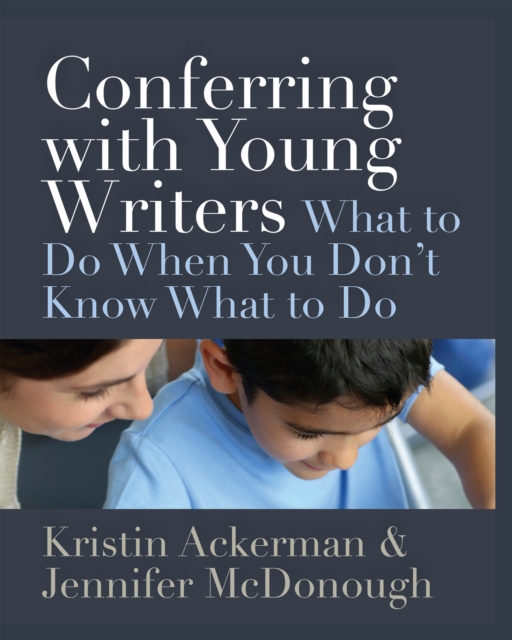
If you've ever sat down to confer with a child and felt at a loss for what to say or how to help move him or her forward as a writer, this book is for you.
This volume provides a comprehensive treatment of telecollaboration as a learning mode in translator education, surveying the state-of-the-art, exploring its distinctive challenges and affordances and outlining future directions in both theoretical and practical terms.
If you've ever sat down to confer with a child and felt at a loss for what to say or how to help move him or her forward as a writer, this book is for you.