Playing to Learn: Video Games in the Classroom is one of first practical resources that helps teachers integrate the study of video games into the classroom.
In this practical guide, educators learn 25 ready-to-use, research-based teaching strategies aligned to the science of reading to scaffold learning from grade-level texts for a range of readers to accelerate literacy achievement.
This comprehensive resource equips emerging and experienced sexuality educators with contemporary frameworks for trauma-informed, equitable, and anti-oppressive education.
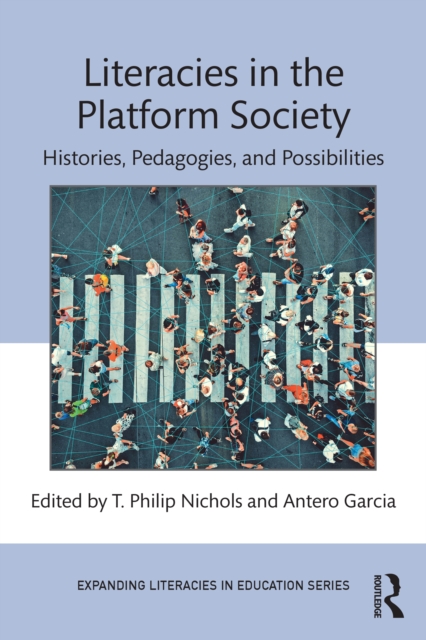
As digital platforms become increasingly common and even the norm for literacy learning environments, established frameworks, pedagogies, and theories do not always translate neatly to these new contexts.
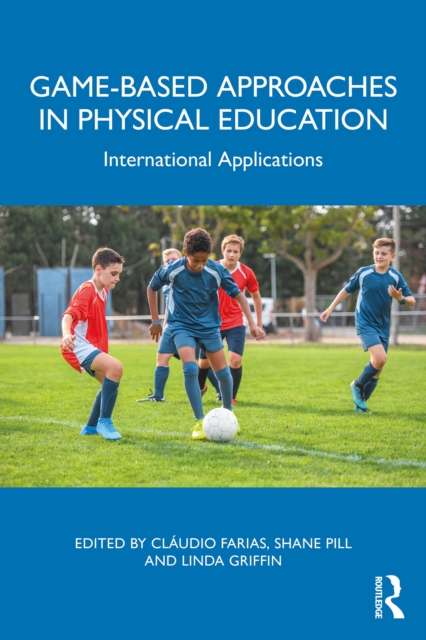
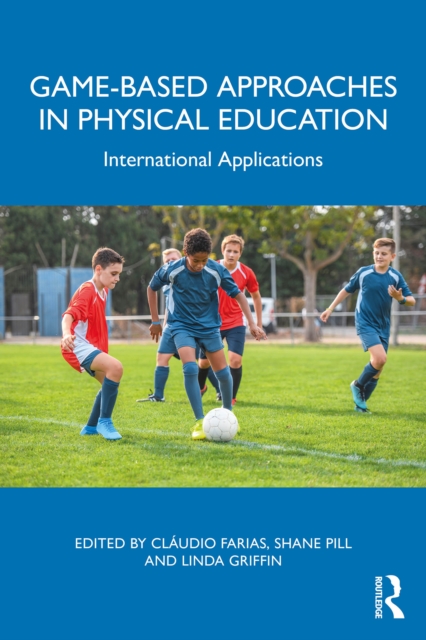
Game-Based Approaches in Physical Education: International Applications presents 22 chapters, including 18 teaching units to be applied in physical education or youth sport, divided into 4 categories of games and an additional category of performance activities.
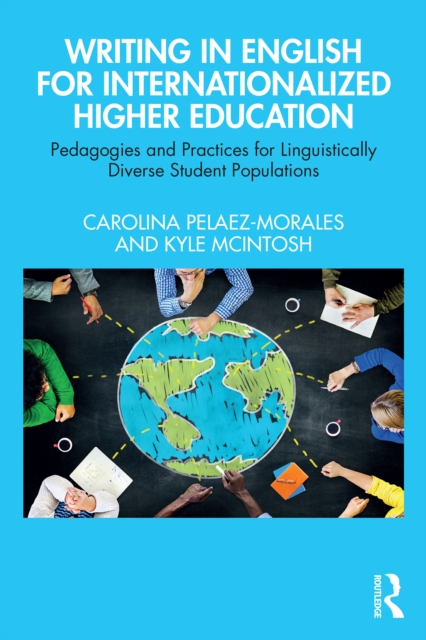
This book is a user-friendly resource designed to help teachers meet the needs of linguistically, culturally, geographically, and educationally diverse students in the contemporary college composition classroom.
Game-Based Approaches in Physical Education: International Applications presents 22 chapters, including 18 teaching units to be applied in physical education or youth sport, divided into 4 categories of games and an additional category of performance activities.
As digital platforms become increasingly common and even the norm for literacy learning environments, established frameworks, pedagogies, and theories do not always translate neatly to these new contexts.
This book is a user-friendly resource designed to help teachers meet the needs of linguistically, culturally, geographically, and educationally diverse students in the contemporary college composition classroom.
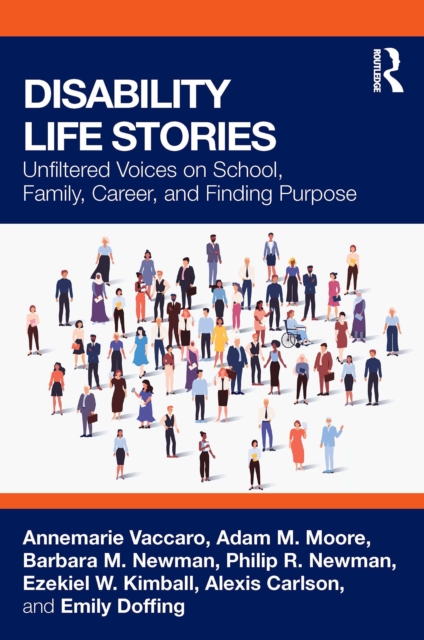
Based on a 10-year longitudinal study in the United States, this much-needed text offers insight into the developmental trajectories of people with disabilities from childhood through adulthood using their language and amplifying their voices.
Introducing English for Academic Purposes is an accessible and engaging textbook which presents a wide-ranging introduction to the field, covering the global and institutional position of EAP as well as its manifestations in classrooms and research contexts around the world.
El texto busca ser una lectura complementaria a los contenidos obligatorios sobre prácticas pedagógicas propias de cada institución de educación superior, en donde se pueda tener una mirada del proceso, considerando, de manera específica, cada uno de los niveles que se espera que el estudiantado vivencie y desarrolle a lo largo de su itinerario formativo.
The Bloomsbury Curriculum Basics series provides non-specialist primary school teachers with subject knowledge and teaching plan ideas in a variety of key primary curriculum subjects.
"e;English for Everyday Life: A2-B1 Practical Conversations"e;This eBook is perfect for learners at the A2-B1 level who want to improve their everyday English skills.
The Business Side of Learning Design and Technologies provides actionable tools and techniques for recognizing the impact of learning design/technology decisions at the project, business unit, and organizational levels.
World Literature: Approaches, Practices, and Pedagogy combines theoretical explorations and pedagogy to explore approaches to teaching some of the key concepts, issues, and topics in world literary studies.
Secondary English for Generation Alpha seeks to promote a humane, responsive and creative pedagogy for English that will develop and enrich understanding and enjoyment of language in all its forms (speaking, listening, reading and writing) and help students develop into successful members of their home and wider communities.
Practicing Archetype addresses performer training, specifically the self-pedagogy of actors who train solo, on their own, as an independent learning process, an opportunity for embodied research, and a form of critical pedagogy.
This comprehensive guidebook shows teachers how to implement high-quality evidence-based interactive reading lessons for children with extensive support needs.
This comprehensive guidebook shows teachers how to implement high-quality evidence-based interactive reading lessons for children with extensive support needs.
This is a collection of 46 essays by specialists in Asian literature, who offer a wide range of possibilities for introducing Asian literature to English-speaking students.
A presence for decades in individuals' everyday life practices and identity formation, the Walt Disney Company has more recently also become an influential element within the "e;big"e; curriculum of public and private spaces outside of yet in proximity to formal educational institutions.
Get a behind-the-scenes glimpse of what it takes to be considered one of the worst figures in history, with this fourth book in a nonfiction series that focuses on the most nefarious historical figures.
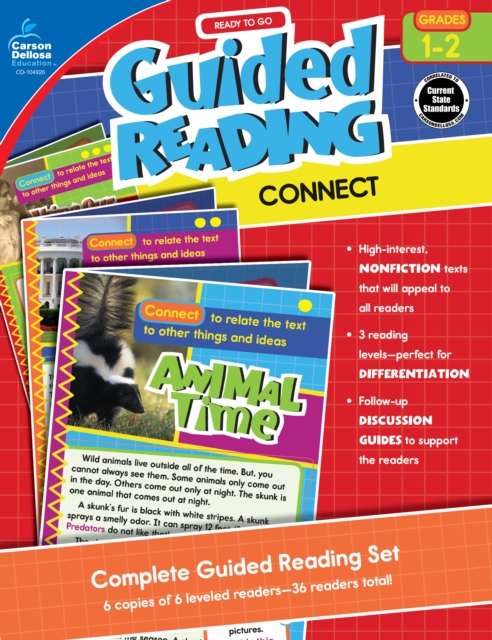
A perfect addition to your language arts lesson plan, Guided Reading: Connect for first and second grades includes six sets of readers, two each for below-, on-, and above-level student readers.