Es ist das erklärte Ziel von acatech, das Interesse an Berufen im technisch-naturwissenschaftlichen Bereich nachhaltig zu fördern und die Zahl der Absolventinnen und Absolventen in den MINT-Fächern zu erhöhen.
A brightly illustrated rhyming story about an ambitious dung beetle who takes on a large and stinky challenge with the help of his friends, We Love a Challenge teaches children that no task is too tough when you work together.
Obwohl Schülerinnen und Schüler bereits im Alltag und in der Grundschule erste Erfahrungen im Umgang mit Brüchen sammeln, zeigen sich auch nach einer systematischen Behandlung im Mathematikunterricht Schwierigkeiten beim Aufbau tragfähiger Vorstellungen.
Obwohl Schülerinnen und Schüler bereits im Alltag und in der Grundschule erste Erfahrungen im Umgang mit Brüchen sammeln, zeigen sich auch nach einer systematischen Behandlung im Mathematikunterricht Schwierigkeiten beim Aufbau tragfähiger Vorstellungen.
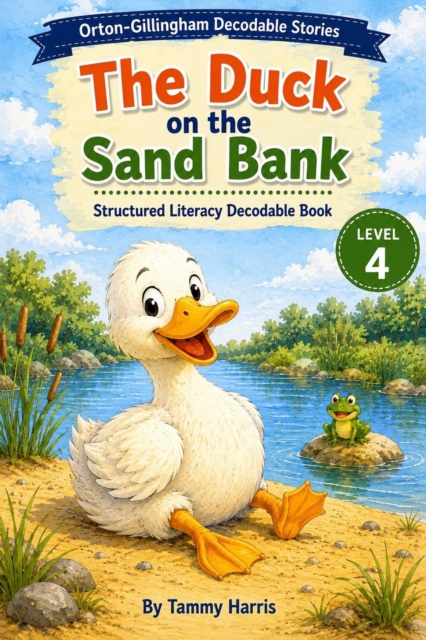
The Duck on the Sand Bank is a Level 4 structured literacy decodable reader designed for children learning to apply foundational phonics skills through controlled text.
This handbook introduces the concept of transformational wisdom as the missing component to build a more sustainable future and address the world’s most pressing challenges.
This handbook introduces the concept of transformational wisdom as the missing component to build a more sustainable future and address the world’s most pressing challenges.
Mastering Business Presentations: From Preparation to Delivery is a complete, professional guide for developing and delivering powerful, effective presentations in today's global business environment.
Masterarbeit aus dem Jahr 2025 im Fachbereich Pädagogik - Sozialpädagogik, Note: gut, Sigmund Freud Privatuniversität Wien, Sprache: Deutsch, Abstract: Was passiert, wenn junge Menschen mit 18 Jahren plötzlich auf sich allein gestellt sind – und kein Zuhause haben?
Masterarbeit aus dem Jahr 2025 im Fachbereich Didaktik - Mathematik, Note: 1,0, Bergische Universität Wuppertal (Mathematikdidaktik), Sprache: Deutsch, Abstract: Mathematikunterricht in der Grundschule soll Kinder befähigen, Zahlenbeziehungen zu verstehen, Rechenoperationen flexibel zu nutzen und eigene Lösungswege zu entwickeln.
Studienarbeit aus dem Jahr 2026 im Fachbereich Didaktik - Kunst, Note: 2,0, Leuphana Universität Lüneburg (Institut für Kunst, Musik und ihre Vermittlung (IKMV)), Veranstaltung: Kunst als demokratische Erfahrung.
Studienarbeit aus dem Jahr 2026 im Fachbereich Didaktik für das Fach Deutsch - Deutsch als Fremdsprache, DaF, Note: 1,3, Leuphana Universität Lüneburg (Institut für Deutsche Sprache und Literatur und ihre Didaktik (IDD)), Veranstaltung: Sprachliche Diversität im Deutschunterricht, Sprache: Deutsch, Abstract: Wie kann Lehrkräftehandeln dazu beitragen, neu zugewanderte Schüler*innen mit geringen Deutschkenntnissen im Unterricht einer Regelklasse sprachlich zu fördern und ihre Teilhabe am Unterricht zu ermöglichen?
Examensarbeit aus dem Jahr 2024 im Fachbereich Didaktik - Ethik, Note: 1,7, Friedrich-Schiller-Universität Jena (Philosophische Fakultät), Sprache: Deutsch, Abstract: Diese wissenschaftliche Arbeit untersucht das didaktische Potenzial von J.
Bachelorarbeit aus dem Jahr 2025 im Fachbereich Pädagogik - Inklusion, Note: 1,3, Technische Universität Chemnitz (TUCed - An-Institut für Transfer und Weiterbildung), Veranstaltung: Abschlussarbeit, Sprache: Deutsch, Abstract: Die vorliegende Arbeit soll Möglichkeiten aufzeigen, wie die Lerntherapie in Regelschulen, speziell Grundschulen mit dem Profil "Inklusion", sinnvoll eingebunden werden kann, damit allen Kindern mit Lernschwierigkeiten, eine niedrigschwellige Intervention zugänglich wird.
Bachelorarbeit aus dem Jahr 2024 im Fachbereich Pädagogik - Sozialpädagogik, Note: 1,0, Universität Trier, Sprache: Deutsch, Abstract: Wann wird Lernen zu Bildung?
Diplomarbeit aus dem Jahr 2026 im Fachbereich Didaktik für das Fach Deutsch - Deutsch als Fremdsprache, DaF, Note: 1,0, Ελληνικό Ανοικτό Πανεπιστήμιο (Fernuniversität Patras) (Didaktik des Deutschen als Fremdsprache), Veranstaltung: Abschlussarbeit, Sprache: Deutsch, Abstract: Die vorliegende Diplomarbeit untersucht die Wirksamkeit des Liechtenstein Languages-Anasatzes (LLA) im DaF/DaZ-Unterricht auf dem A1-Sprachniveau.
Unterrichtsentwurf aus dem Jahr 2023 im Fachbereich Didaktik - Ethik, , Sprache: Deutsch, Abstract: In diesem Unterrichtsentwurf zum Thema Freiheit und Verantwortung fur eine 9.
Studienarbeit aus dem Jahr 2024 im Fachbereich Pädagogik - Integration, Note: 1,3, , Sprache: Deutsch, Abstract: Deutschland ist längst eine Einwanderungsgesellschaft – doch gleiche Chancen für alle sind noch immer keine Selbstverständlichkeit.
Fachbuch aus dem Jahr 2024 im Fachbereich Didaktik - Ethik, , Veranstaltung: Vorträge in Schulen mit der SEK 1 und SEK 2, Sprache: Deutsch, Abstract: Dieses Buch nimmt die brennenden Fragen aus dem Bereich Ethik auf und bietet Möglichkeiten, wie man diese Themen in den Unterricht einbauen kann; eine Möglichkeit zeigt sich dabei in der fachübergreifenden Unterrichtung.
Studienarbeit aus dem Jahr 2025 im Fachbereich Pädagogik - Sozialpädagogik, Note: 1,0, , Veranstaltung: Pädagogische Beziehungen und Professionalität, Sprache: Deutsch, Abstract: Welche Aspekte sind für professionelles Handeln in der sozialen Arbeit von Bedeutung, und wie beeinflusst ein anerkennender pädagogischer Stil die Qualität der pädagogischen Beziehungen sowie den Erfolg der sozialen Arbeit?
Masterarbeit aus dem Jahr 2024 im Fachbereich Pädagogik - Sozialpädagogik, Note: 1, Sigmund Freud Privatuniversität Wien (Fakultät für Psychologie), Veranstaltung: Beratungswissenschaften und Management sozialer Systeme, Sprache: Deutsch, Abstract: Ziel dieser wissenschaftlichen Arbeit ist es, Erkenntnisse darüber zu gewinnen, inwieweit Menschen durch Bildungssprache mit Verständnisproblemen konfrontiert sind.
Studienarbeit aus dem Jahr 2025 im Fachbereich Pädagogik - Integration, Note: 1,0, Albert-Ludwigs-Universität Freiburg (Erziehungswissenschaft), Veranstaltung: Grundlagen des Bildungsmanagements, Sprache: Deutsch, Abstract: Deutschland gilt seit langem als Einwanderungsland.
Bachelorarbeit aus dem Jahr 2024 im Fachbereich Pädagogik - Inklusion, Hochschule Darmstadt, Sprache: Deutsch, Abstract: Diese Bachelorarbeit untersucht die Inklusion von Menschen mit Behinderungen in Kindertageseinrichtungen, wobei auch die Inklusion von Kindern mit Migrationshintergrund berücksichtigt wird.
Fallstudie aus dem Jahr 2025 im Fachbereich Pädagogik - Sozialpädagogik, Note: 1,3, , Sprache: Deutsch, Abstract: Die vorliegende Fallstudie thematisiert die Berufswahl als zentrale entwicklungspsychologische Aufgabe im Leben von Kindern und Jugendlichen.
Studienarbeit aus dem Jahr 2024 im Fachbereich Didaktik für das Fach Deutsch - Deutsch als Fremdsprache, DaF, Note: 1,7, Friedrich-Schiller-Universität Jena (Institut für Deutsche als Fremd-und Zweitsprache), Veranstaltung: Kultur: Landeskunde, Literatur und interkulturelle Begegnung, Sprache: Deutsch, Abstract: Diese Arbeit zeigt, wie der gezielte Einsatz von Bildmaterial die Sprechkompetenz der Lernenden maßgeblich verbessert.
Bachelorarbeit aus dem Jahr 2023 im Fachbereich Pädagogik - Inklusion, Note: 1,0, Fachhochschule Nordhausen (Fachbereich Wirtschafts- und Sozialwissenschaften), Sprache: Deutsch, Abstract: Diese Arbeit untersucht den Einsatz von Leichter Sprache im Gesamtplanverfahren des Freistaats Thüringen, um die Partizipation von erwachsenen Menschen mit sogenannter geistiger Behinderung zu verbessern.
Studienarbeit aus dem Jahr 2023 im Fachbereich Didaktik fur das Fach Deutsch - Deutsch als Fremdsprache, DaF, Note: 1,7, Universitat Hildesheim (Stiftung) (Institut fur Interkulturelle Kommunikation), Veranstaltung: Methoden im DaF-Unterricht, Sprache: Deutsch, Abstract: Die Aussprache stellt eine zentrale Herausforderung beim Erlernen des Deutschen als Fremdsprache dar.
Studienarbeit aus dem Jahr 2024 im Fachbereich Didaktik - Sport, Sportpadagogik, Note: 2, IST-Hochschule fur Management (IST-Studieninstitut), Veranstaltung: Abschlussprufung Sport- und Gesundheitstrainer, Sprache: Deutsch, Abstract: Dieser Text umfasst den Bereich Koordination und das Koordinationstraining mit ubergewichtigen Kunden.
Studienarbeit aus dem Jahr 2023 im Fachbereich Didaktik für das Fach Deutsch - Deutsch als Zweitsprache, DaZ, Note: 1,7, Universität Hildesheim (Stiftung) (Institut für die deutsche Sprache), Veranstaltung: Schriftlinguistik der deutschen Sprache, Sprache: Deutsch, Abstract: Diese Hausarbeit untersucht die Herausforderungen russischer Jugendlicher beim Erwerb der deutschen Schriftsprache, mit Fokus auf Groß- und Kleinschreibung sowie Nominalflexion.
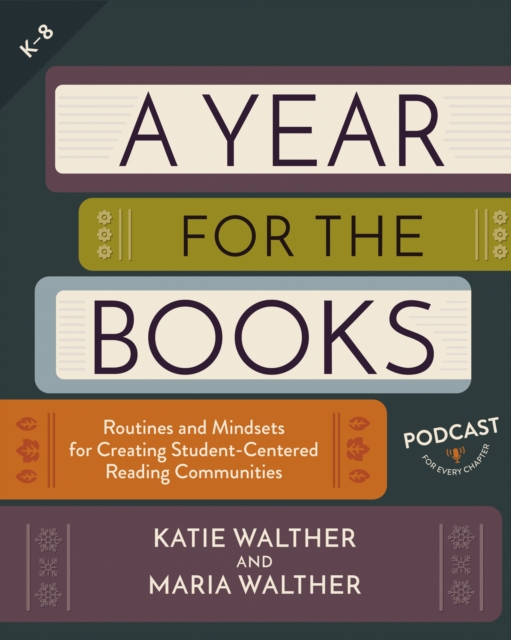
With a focus on fostering a deep love for reading and prioritizing student growth, A Year for the Books: Routines and Mindsets for Creating Student-Centered Reading Communities is a must-have for educators from kindergarten through middle school.
Orton Gillingham Decodable Stories Level 5: Kim's Plan is a structured decodable reader designed for developing readers learning through the Orton Gillingham approach.