Building on the formative work of High Leverage Practices (HLP) for Inclusive Classrooms, this critical companion explores how HLP can be applied to the education of students with extensive support needs (ESN).
Building on the formative work of High Leverage Practices (HLP) for Inclusive Classrooms, this critical companion explores how HLP can be applied to the education of students with extensive support needs (ESN).
This timely book tackles underlying issues that see disproportionate numbers of African American males with dyslexia undiagnosed, untreated, and falling behind their peers in terms of literacy achievement.
This timely book tackles underlying issues that see disproportionate numbers of African American males with dyslexia undiagnosed, untreated, and falling behind their peers in terms of literacy achievement.
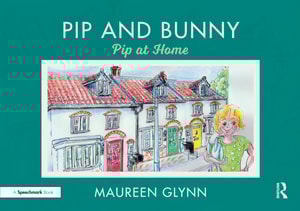
Pip at Home is the sixth book in the invaluable 'Pip and Bunny' collection; a set of six picture books with an accompanying handbook and e-resources carefully written and illustrated to support the development of visual and literary skills.
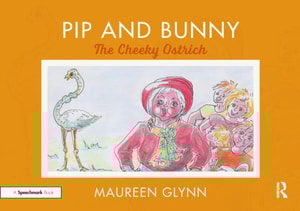
The Cheeky Ostrich is the fifth book in the invaluable 'Pip and Bunny' collection; a set of six picture books with an accompanying handbook and e-resources carefully written and illustrated to support the development of visual and literary skills.
Pip at the Seaside is the fourth book in the invaluable 'Pip and Bunny' collection; a set of six picture books with an accompanying handbook and e-resources carefully written and illustrated to support the development of visual and literary skills.
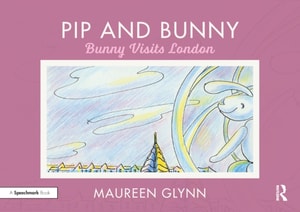
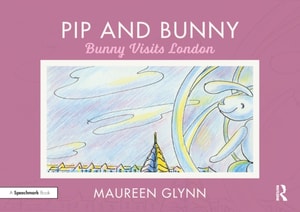
Bunny Visits London is the third book in the invaluable 'Pip and Bunny' collection; a set of six picture books with an accompanying handbook and e-resources carefully written and illustrated to support the development of visual and literary skills.
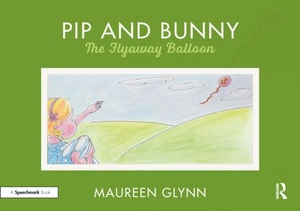
Pip and the Flyaway Balloon is the second book in the invaluable 'Pip and Bunny' collection; a set of six picture books with an accompanying handbook and e-resources carefully written and illustrated to support the development of visual and literary skills.
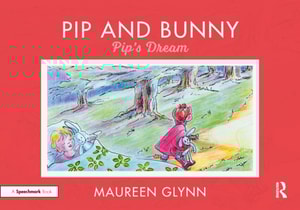
Pip's Dream is the first book in the invaluable 'Pip and Bunny' collection; a set of six picture books with an accompanying handbook and e-resources carefully written and illustrated to support the development of visual and literary skills.
Bunny Visits London is the third book in the invaluable 'Pip and Bunny' collection; a set of six picture books with an accompanying handbook and e-resources carefully written and illustrated to support the development of visual and literary skills.
Pip and the Flyaway Balloon is the second book in the invaluable 'Pip and Bunny' collection; a set of six picture books with an accompanying handbook and e-resources carefully written and illustrated to support the development of visual and literary skills.
Pip's Dream is the first book in the invaluable 'Pip and Bunny' collection; a set of six picture books with an accompanying handbook and e-resources carefully written and illustrated to support the development of visual and literary skills.
Pip at Home is the sixth book in the invaluable 'Pip and Bunny' collection; a set of six picture books with an accompanying handbook and e-resources carefully written and illustrated to support the development of visual and literary skills.
The Cheeky Ostrich is the fifth book in the invaluable 'Pip and Bunny' collection; a set of six picture books with an accompanying handbook and e-resources carefully written and illustrated to support the development of visual and literary skills.
Pip at the Seaside is the fourth book in the invaluable 'Pip and Bunny' collection; a set of six picture books with an accompanying handbook and e-resources carefully written and illustrated to support the development of visual and literary skills.
Despite an increasing awareness of Developmental Language Disorder, there are very few tools available to help people understand and live with a diagnosis of DLD.
Despite an increasing awareness of Developmental Language Disorder, there are very few tools available to help people understand and live with a diagnosis of DLD.
Clinical Cases in Dysfluency is an imperative work that introduces dysfluency in clinical and cultural contexts while encouraging reflection on clinical decision-making involving the assessment and management of clients.
Clinical Cases in Dysfluency is an imperative work that introduces dysfluency in clinical and cultural contexts while encouraging reflection on clinical decision-making involving the assessment and management of clients.
Promoting Equitable Access to Education for Children and Young People with Vision Impairment offers a suitable vocabulary and developmental route map to examine the changing influences on promoting equitable access to education for learners with vision impairment in different contexts and settings, throughout a given educational pathway.
Promoting Equitable Access to Education for Children and Young People with Vision Impairment offers a suitable vocabulary and developmental route map to examine the changing influences on promoting equitable access to education for learners with vision impairment in different contexts and settings, throughout a given educational pathway.
Fully revised and expanded, this book presents a unique visual approach to academic writing and composition tailored to the needs of students with dyslexia in Higher Education.
Fully revised and expanded, this book presents a unique visual approach to academic writing and composition tailored to the needs of students with dyslexia in Higher Education.
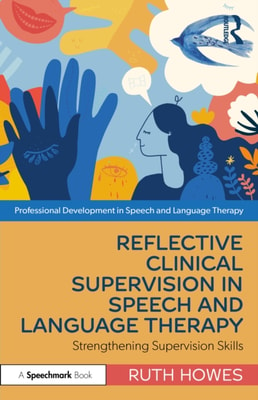
There is so much to consider in any clinical consultation: identifying the individual is the one you expected, who is with the individual, which therapy intervention, resources, signposting, referrals, being cued in to responses for contextual information, evaluation and outcomes, planning next steps .
There is so much to consider in any clinical consultation: identifying the individual is the one you expected, who is with the individual, which therapy intervention, resources, signposting, referrals, being cued in to responses for contextual information, evaluation and outcomes, planning next steps .