Continuous professional development of chemistry teachers is essential for any effective chemistry teaching due to the evolving nature of the subject matter and its instructional techniques.
Professional learning networks (PLNs) have been promoted as one way of improving practice in research methodologies and frameworks aimed at the improvement of practice.
Professional learning networks (PLNs) have been promoted as one way of improving practice in research methodologies and frameworks aimed at the improvement of practice.
This volume explores how Self-Study in Teacher Education Practices (S-STEP) contribute to teacher education in culturally and linguistically diverse communities and contexts.
"e;Intimatescholarship"e; refers to qualitative methodologies, such as self-study and autoethnography, that directly engage the personalexperience, knowledge, and/or practices of the researcher(s) as the focus ofinquiry.
"e;Intimatescholarship"e; refers to qualitative methodologies, such as self-study and autoethnography, that directly engage the personalexperience, knowledge, and/or practices of the researcher(s) as the focus ofinquiry.
This volume explores how Self-Study in Teacher Education Practices (S-STEP) contribute to teacher education in culturally and linguistically diverse communities and contexts.
While previous research in educational administration has focused on how to combat students' tardiness, absenteeism, and disciplinary problems, only a few studies have focused on teachers' withdrawal behaviors, such as absenteeism and the intent to leave.
Winner of the Association of Educational Computing and Technology (AECT) 2018 Design and Development Outstanding Book Award Educators and researchers worldwide are confronted by a tantalizing challenge how should contemporary technologies be used to enhance learning?
While previous research in educational administration has focused on how to combat students' tardiness, absenteeism, and disciplinary problems, only a few studies have focused on teachers' withdrawal behaviors, such as absenteeism and the intent to leave.
Fifty years ago, in 1967, free education was introduced in Ireland for attendance at second-level schools and great expansion of provision of education at both this and third-level followed.
Fifty years ago, in 1967, free education was introduced in Ireland for attendance at second-level schools and great expansion of provision of education at both this and third-level followed.
Winner of the Association of Educational Computing and Technology (AECT) 2018 Design and Development Outstanding Book Award Educators and researchers worldwide are confronted by a tantalizing challenge how should contemporary technologies be used to enhance learning?
Put Google Classroom to work while teaching your students and make your life easierKey Features[*] This is the first book to guide educators step by step through teaching with Google Classroom[*] It s focused on you, your students, and providing great learning experiences easily[*] It s easy to follow, with everything you need to get started and keep going even if you re not a technology fanBook DescriptionGoogle Classroom helps teachers bring their work online.
In Leadership for Tomorrow: Beyond the School Improvement Horizon Malcolm Groves, Andrew Hobbs, and John West-Burnhampresent a vision-led analysis of what needs to change if schools are really to equip children and young people to thrive in our ever-changing world.
Written by Kamalagita Hughes, The Mindful Teacher's Handbook: How to step out of busyness and find peace is a practical guide to mindfulness that will empower teachers and school staff to take better care of their well-being and find calm in the day-to-day hustle and bustle of the school setting.
Written by Richard James, Chess for Schools: From simple strategy games to clubs and competitions is a great resource to help teachers encourage children to enjoy the benefits and challenges of the chess gameChess is a game of extraordinary excitement and beauty and all children should have the opportunity to experience it.
Writing in the practical, engaging style of the award-winning Making Every Lesson Count, Louise and Dawn provide teachers of religious education with the means to help their pupils unpick the big questions of religious belief and practice, and of morality and philosophy - the things that make us human.
Emily Hunt's 15-Minute STEM Book 2: More quick, creative science, technology, engineering and mathematics activities for 5-11-year-olds offers a stimulating selection of easy-to-resource STEM activities designed to engage and inspire young learners.
Brings clarity to the complexity surrounding cognitive load theory (CLT) and provides a user-friendly toolkit of techniques designed to help teachers optimise their pupils' learning.
Written by Paul Garvey, Taking Control 2: How to prepare for Ofsted under the education inspection framework equips teachers, subject leaders and school leaders with the tools and know-how to enable them to prepare for their next inspection with confidence.
In Zest for Learning: Developing curious learners who relish real-world challenges, Bill Lucas and Ellen Spencer explore the ways in which teachers can help their pupils to find their passions, develop independence and challenge themselves to become more expansive learners.
Opening Doors to a Richer English Curriculum for Ages 6 to 9 takes Bob Cox's award-winning 'Opening Doors' series into bold new territories, providing a treasury of techniques and strategies all carefully selected to support the design of a deeper, more creative and more expansive curriculum.
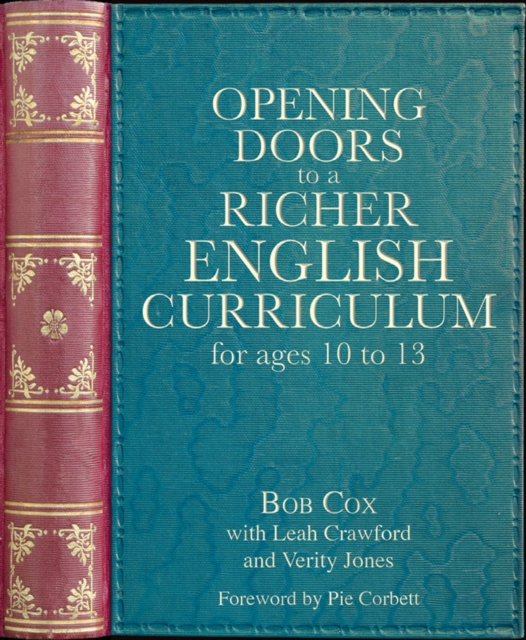
Opening Doors to a Richer English Curriculum for Ages 10 to 13 takes Bob Cox's award-winning 'Opening Doors' series into bold new territories, providing a treasury of techniques and strategies all carefully selected to support the design of a deeper, more creative and more expansive curriculum.
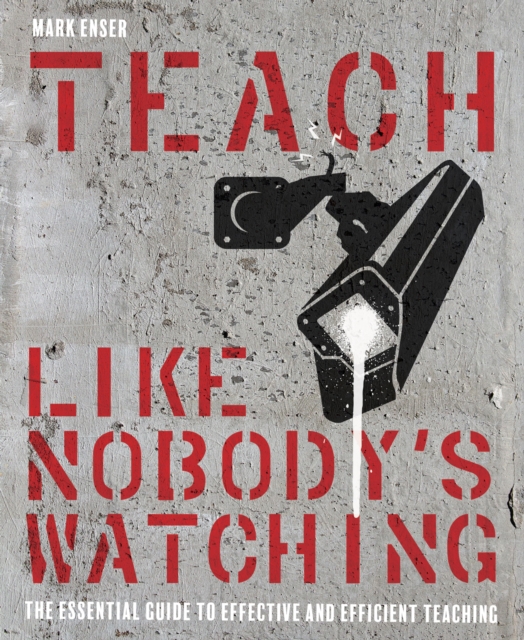
In Teach Like Nobody's Watching: The essential guide to effective and efficient teaching, Mark Enser sets out a time-efficient approach to teaching that will reduce teachers' workload and enhance their pupils' levels of engagement and attainment.
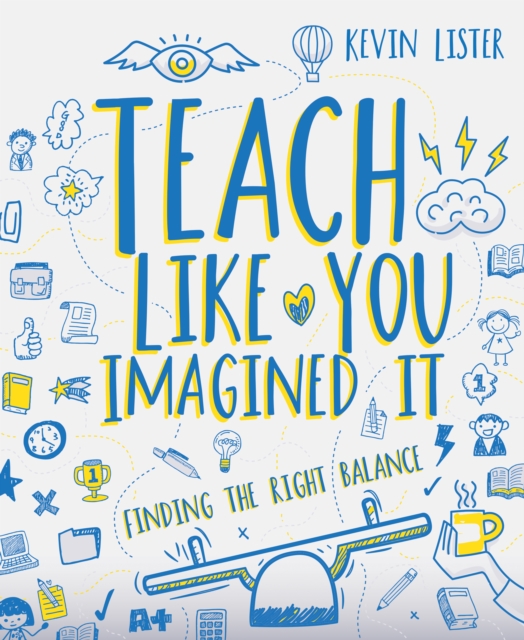
Kevin Lister's Teach Like You Imagined It: Finding the right balance shares a wealth of tools, ideas and encouragement to help teachers manage the conflicting pressures of teaching and become the educators they imagined.
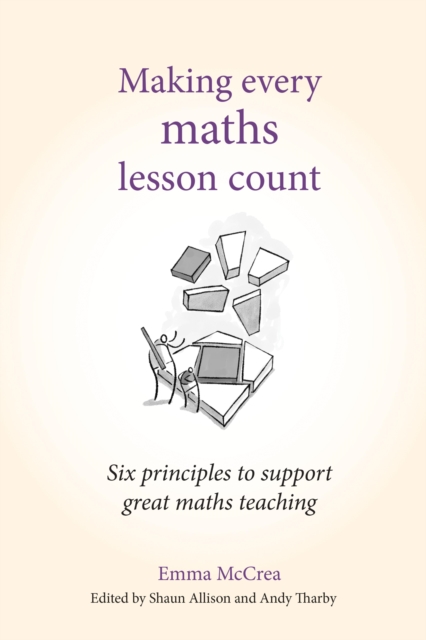
In Making Every Maths Lesson Count: Six principles to support great maths teaching, experienced maths teacher and lecturer Emma McCrea takes away the guesswork as she sums up the key components of effective maths teaching.
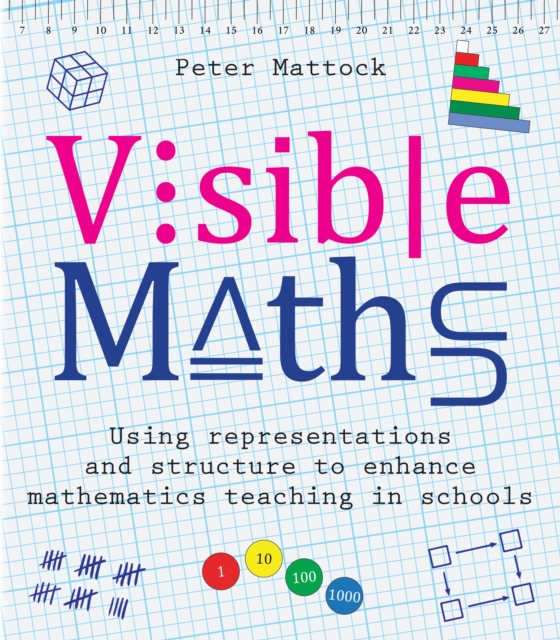
Peter Mattock's Visible Maths: Using representations and structure to enhance mathematics teaching in schools supports teachers in their use of concrete and pictorial representations to illustrate key mathematical ideas and operations.
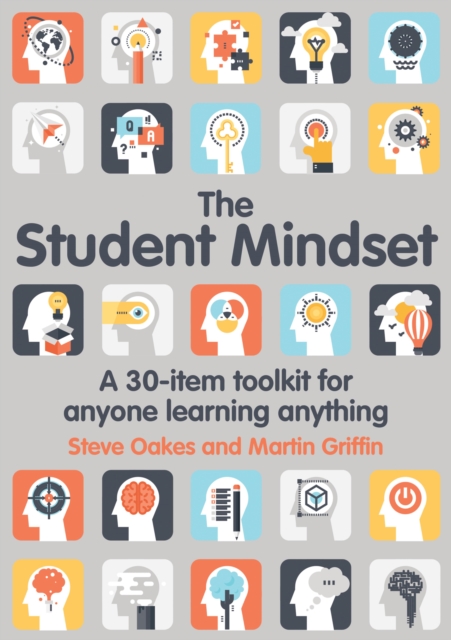
In The Student Mindset: A 30-item toolkit for anyone learning anything, Steve Oakes and Martin Griffin provide clear, effective and engaging tools designed to help students plan, organise and execute successful learning.
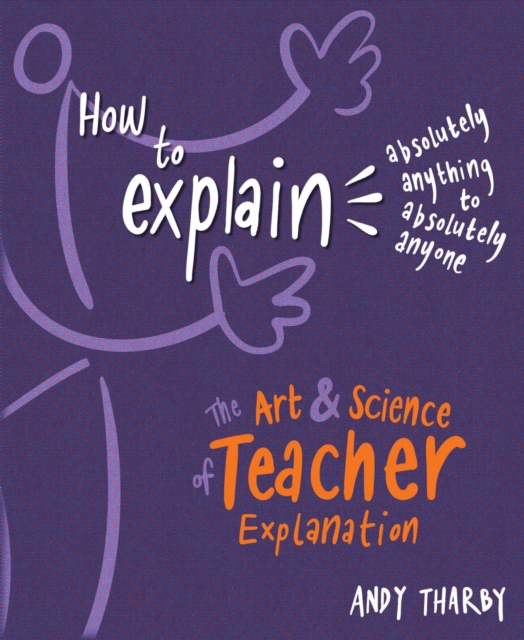
In How to Explain Absolutely Anything to Absolutely Anyone: The art and science of teacher explanation, Andy Tharby talks teachers through a set of remarkably simple techniques that will help revolutionise the precision and clarity of their message.
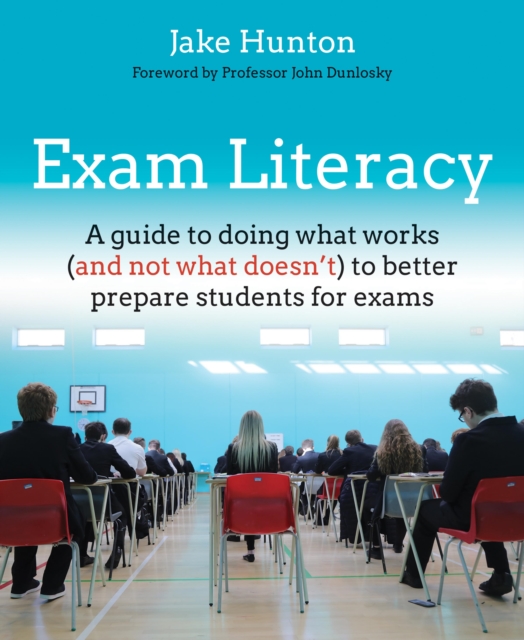
In Exam Literacy: A guide to doing what works (and not what doesn't) to better prepare students for exams, Jake Hunton focuses on the latest cognitive research into revision techniques and delivers proven strategies which actually work.