This book simultaneously provides multiple analyses of critical pedagogy in the twenty-first century while showcasing the scholarship of this new generation of critical scholar-educators.
Teaching Social Studies: A Methods Book for Methods Teachers, features tasks designed to take preservice teachers deep into schools in general and into social studies education in particular.
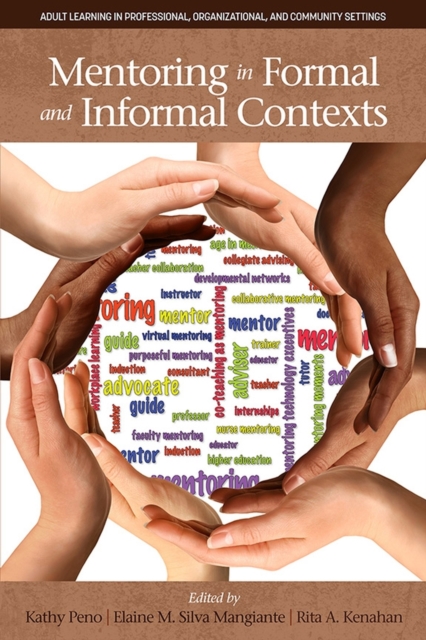
In response to changes in the workforce, scholars are calling for mentoring that is more fluid, flexible, and responsive to the needs of diverse groups of individuals, whether culturally (Kochan & Pascarelli, 2012; Kochan, Searby, George, & Mitchell Edge, 2015) or intergenerationally (Thorpe, 2012) diverse.
Peer Coaching is a collaborative, reciprocal practice where faculty members observe, reflect, and improve their instructional practices with the goal of improved learning for all students.
Much of the research and writing on faculty of color and persistence in the Academy speaks to mentoring, recruitment, retention, job satisfaction, and the Imposter Syndrome.
Project-Based Learning; it's a term that most educators have heard and probably have heard good things about, Often, though, they aren't quite sure precisely what its defining characteristics are other than involving students in projects that are supposed to somehow result in their learning things of value.
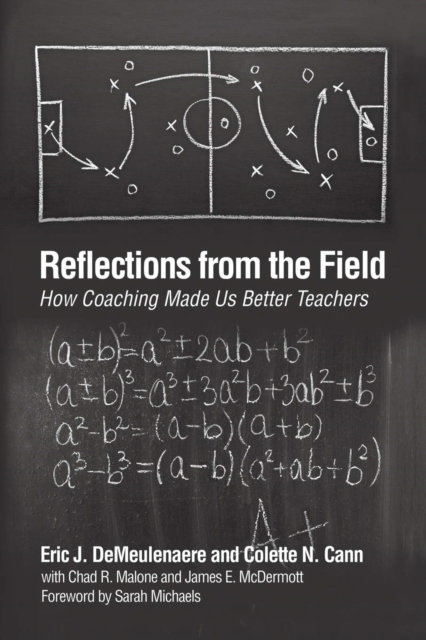
The coaching metaphor first entered the educational literature over twenty-five year ago when Ted Sizer urged classroom teachers to model the pedagogical relationship between coaches and athletes.
In our current systems of education, there is a trend toward compartmentalizing knowledge, standardizing assessments of learning, and focusing primarily on quantifiable and positivist forms of inquiry.
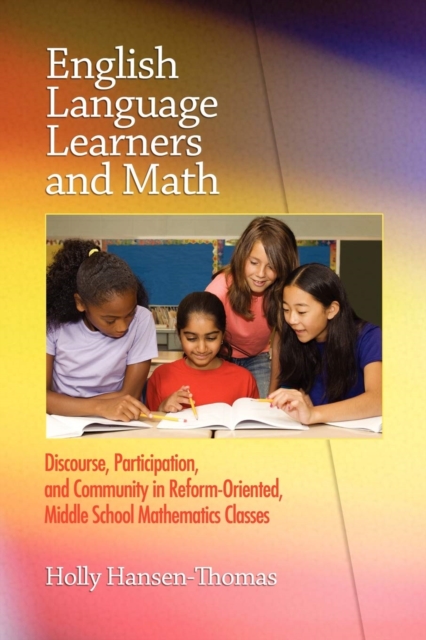
Taking a community of practice perspective that highlights the learner as part of a community, rather than a lone individual responsible for her/his learning, this ethnographically-influenced study investigates how Latina/o English Language Learners (ELLs) in middle school mathematics classes negotiated their learning of mathematics and mathematical discourse.
This book takes stories of learning relationships from popular films, television programmes and literature, and uses them as a catalyst for beginners and experts alike to reflect critically on their own mentoring and coaching practice.
(Orginally published in 2008)The goal of AMTE Monograph 4, "e;Cases in Mathematics Teacher Education: Tools for Developing Knowledge Needed for Teaching"e;, is to provide detailed accounts of case use that will inform the mathematics teacher education community on the range of ways in which cases can be used to foster teacher learning and the capacity to reflect on and learn from teaching.
The twin objectives of the series Psychological Perspectives on Contemporary Educational Issues are: (1) to identify issues in education that are relevant to professional educators and researchers; and (2) to address those issues from research and theory in educational psychology, psychology, and related disciplines.
Professional Development Schools are complex and comprehensive school university partnerships focusing on professional development of new teachers and veteran teachers while providing high quality education to P-12 students.
The American Educational History Journal is a peer-reviewed, national research journal devoted to the examination of educational topics using perspectives from a variety of disciplines.
The American Educational History Journal is a peer-reviewed, national research journal devoted to the examination of educational topics using perspectives from a variety of disciplines.
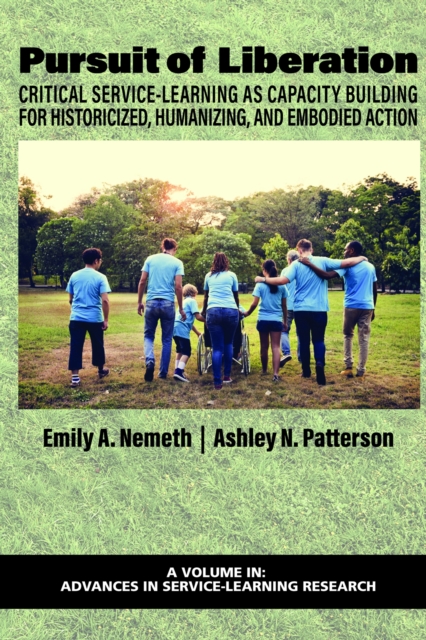
The authors of this volume collectively demonstrate the importance of critical service-learning in this historic moment as we participate in, and witness ongoing struggles for justice around the world.
Leading faculty members in educational psychology, who are expert classroom teachers, describe inherent difficulties encountered when teaching different subject matter in educational psychology to diverse populations of students, including undergraduate teacher candidates, psychology and child development majors, and graduate students in education and psychology.
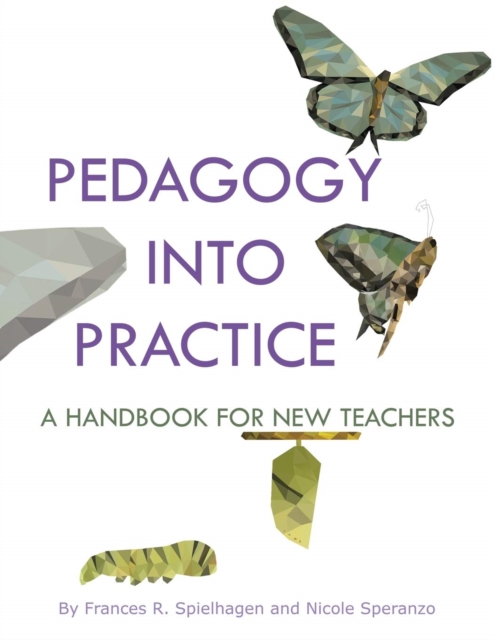
The purpose of this book is to help new teachers transition from students in education courses to proactive educators who can translate what they have learned in methods classes into realistic practices as novice teachers.
Curriculum and Teaching Dialogue (CTD) is a publication of the American Association of Teaching and Curriculum (AATC), a national learned society for the scholarly fields of teaching and curriculum.
The American Educational History Journal is a peer-reviewed, national research journal devoted to the examination of educational topics using perspectives from a variety of disciplines.
Family and Community Partnerships: Promising Practices for Teachers and Teacher Educators, offers a fresh new look at the competencies, strategies, and practices that effective educators develop to build strong partnerships with families and communities.
The purpose of this book is to guide teachers to understand theory related to teaching multilingual students and put it into practice in their classrooms.
(Orginally published in 2009)The sixth monograph of AMTE highlights examples of the important scholarship of the mathematics teacher education community.
The intent of this playbook is to enable PK-12 teachers, teachers-in-training, counselors, and coaches to use character and peace education lessons to enrich their curriculum and help students expand their knowledge and understanding of themes and content in each of the book's chapters.
This guidebook is designed to be the elementary school teacher's friend in addressing a wide variety of questions regarding the use of educational and instructional technologies.
There is much variability with regard to the type, depth and effectiveness of training teachers receive in understanding and meeting the needs of English language learners (ELLs) in public schools across the country, yet the rise in the number of learners has been substantial.
For most of US history, most of America's Latino population has lived in nine states-California, Arizona, New Mexico, Colorado, Texas, Illinois, Florida, New Jersey, and New York.