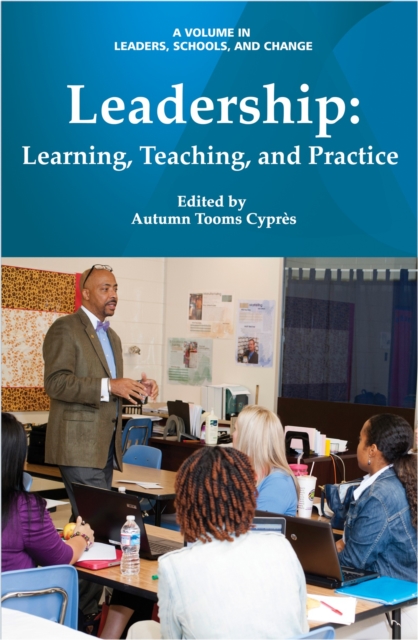
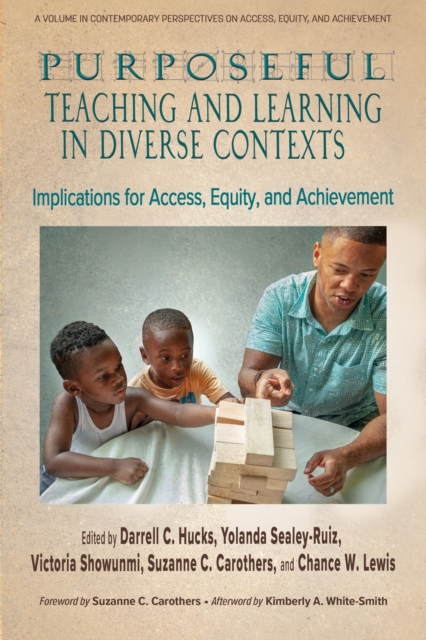
The purpose of this book is to examine the tensions, gaps, and intersections between the practices of leadership in educational systems, school leadership preparation programs, and the often different worlds of academia and k12 schools.
This text highlights partnerships between schools and teacher preparation programs where candidates have opportunities to learn in their coursework alongside teachers in the classroom in clinical settings, bridging the theory-practice divide and helping candidates better understand the simultaneous and multi-dimensional nature of teaching and learning in schools.
The global networking promoted by technology, globalization and migration that are occurring at a large scale, requires school systems that develop in the students new types of skills, based on the ability to understand the world and its problems and instill a sense of responsibility and cooperation to enhance the resolution of the great problems of mankind.
Substantial research has been put forth calling for the field of social studies education to engage in work dealing with the influence of race and racism within education and society (Branch, 2003; Chandler, 2015; Chandler & Hawley, 2017; Husband, 2010; King & Chandler, 2016; Ladson-Billings, 2003; Ooka Pang, Rivera & Gillette, 1998).
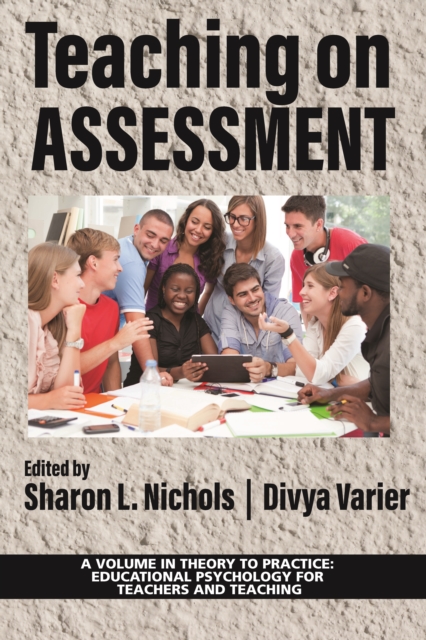
Given the complexity of learning, an increasingly diverse student population, and growing demands on today's teachers, educational psychology has never been more relevant for informing instructional practice.
Personal story telling is a powerful and interesting medium through which one can share experiences, insights, successes, and difficulties in meaningful contexts.
Teaching Social Studies: A Methods Book for Methods Teachers, features tasks designed to take preservice teachers deep into schools in general and into social studies education in particular.
Cultural Competence in America's Schools: Leadership, Engagement and Understanding focuses on explicating the impact of culture and issues of race and ethnicity on student learning, teacher and leadership efficacy, and educational policy making in our nation's public school system.
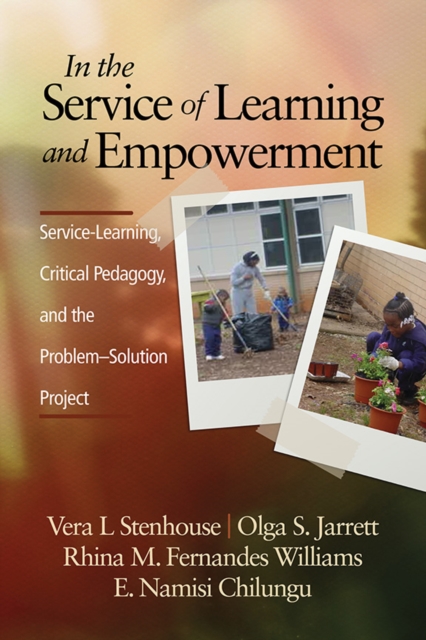
Too often teachers and students doubt their own abilities to forge collective work and dynamic critical learning in the midst of education reform practices that limit their opportunities to do so.
Mathematics as the Science of Patterns: Making the Invisible Visible to Students through Teaching introduces the reader to a collection of thoughtful, research-based works by authors that represent current thinking about mathematics, mathematics education, and the preparation of mathematics teachers.
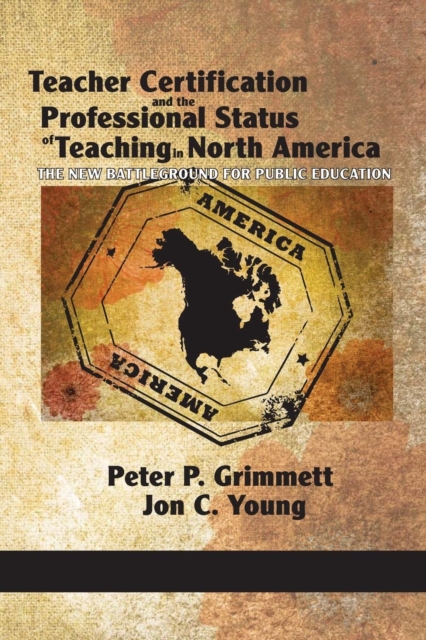
This book locates recent developments in teacher certification in North America within a broader, international policy context characterized as hegemonic neo-liberalism wherein economic rationalism has begun to trump professional judgment.
This book is a valuable one for teacher educators and teacher education programs in the United States and Europe, since it is organized around numerous data sources.
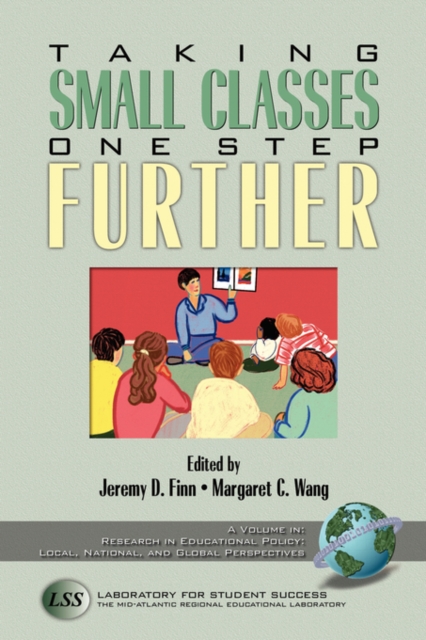
This volume on teaching small classes is divided into the sections: lessons learned about best teaching practices in small classes; implementing and supporting small class programmes; evaluating small class initiatives; and teachers voices.
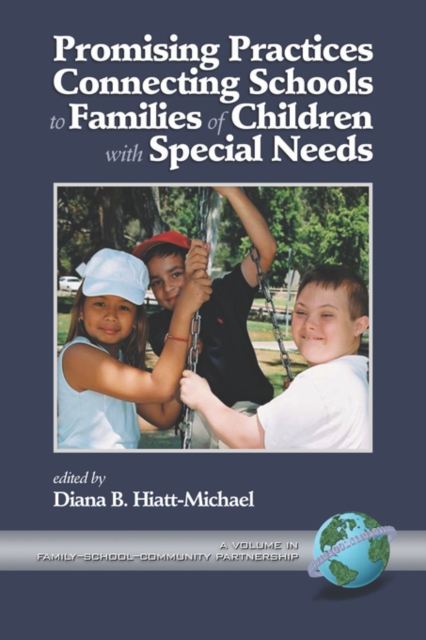
Focusing on parent involvement in children's education in the USA, this volume covers such topics as: government support; parent-school communication; parent-child literacy projects; preparation for teachers; and parent centres.
This volume is the seventh in the Advances in Service-Learning Research series, and presents a collection of papers selected from those presented at the Sixth International Service-learning Research, hosted by Portland State University in Portland, Oregon in October 2006.
This volume covers topics including: A New Theoretical Framework for Education, University Curriculum Reforms and Curriculum and Teaching in an Age of School Reform
Comprises three sections: emerging models for connecting community services reform; the impact of school- and community-based interventions and children's learning and development; and state and federal policies for building partnerships to improve outcomes for children and families.
The purpose of this text is to elicit discussion, reflection, and action specific to pedagogy within education, especially higher education, and circles of experiential learning, community organizing, conflict resolution and youth empowerment work.
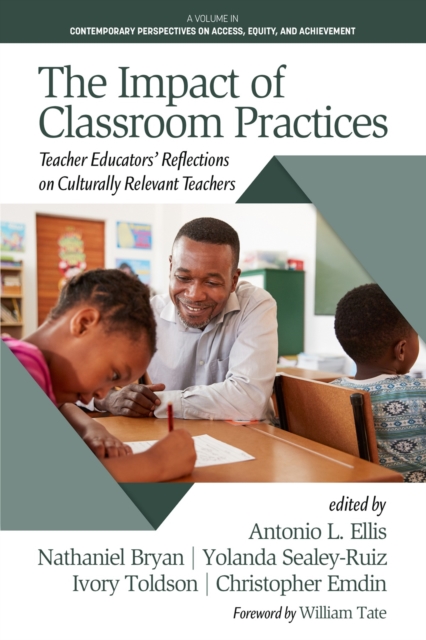
Debates regarding the qualities, skills, and dispositions of culturally relevant teachers and teaching have raged in teacher education for several decades.
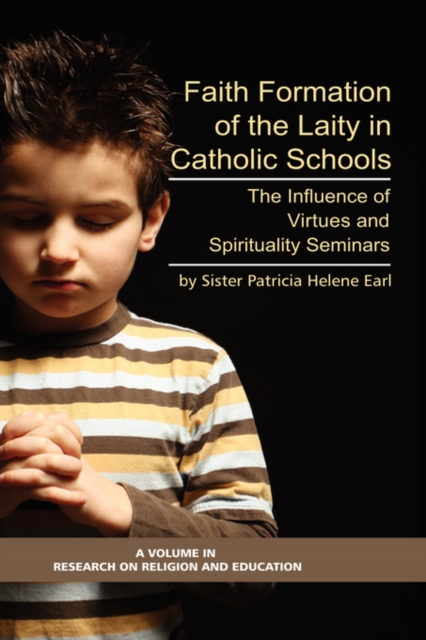
Two major real-world problems prompted this study: maintaining the Catholic identity of the Catholic schools, and increasing interest in character education.
(Sponsored by SIG-Research on the Education of Asian and Pacific Americans of the American Educational Research Association and National Association for Asian and Pacific American Education)This research anthology is the fifth volume in a series sponsored by the Special Interest Group - Research on the Education of Asian and Pacific Americans (SIG - REAPA) of the American Educational Research Association and National Association for Asian and Pacific American Education.
Project-Based Learning; it's a term that most educators have heard and probably have heard good things about, Often, though, they aren't quite sure precisely what its defining characteristics are other than involving students in projects that are supposed to somehow result in their learning things of value.
The purpose of this book is to examine the tensions, gaps, and intersections between the practices of leadership in educational systems, school leadership preparation programs, and the often different worlds of academia and k12 schools.
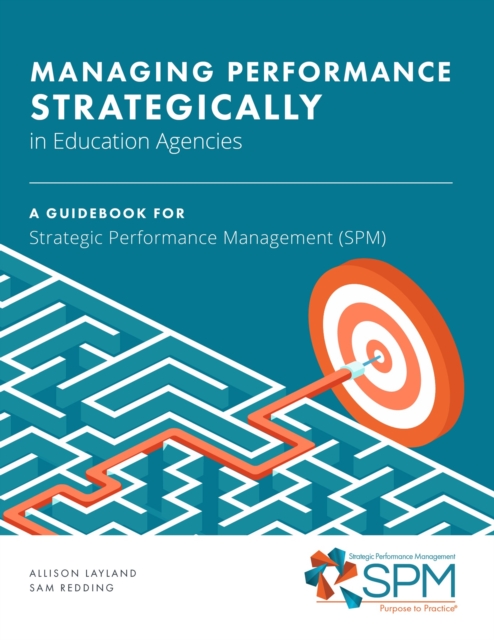
This book gives an education leader a practical path to organizational effectiveness, shared sense of direction, and clear focus on outcomes for students.
The Curriculum and Pedagogy book series is an enactment of the mission and values espoused by the Curriculum and Pedagogy Group, an international educational organization serving those who share a common faith in democracy and a commitment to public moral leadership in schools and society.
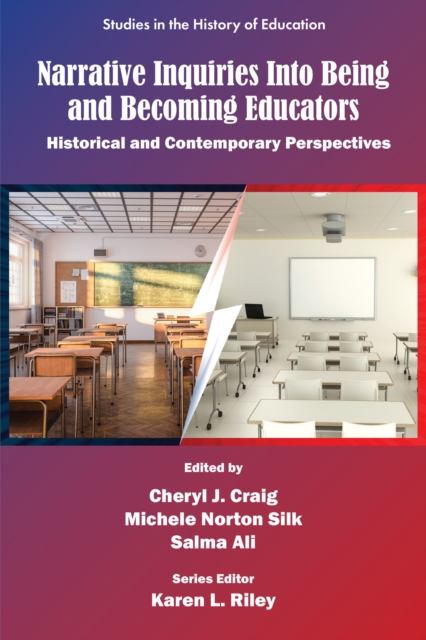
Narrative Inquiries Into Being and Becoming Educators: Historical and Contemporary Perspectives provides stories and narratives of the struggle and strengths of the teachers within the educational landscape.
In an age where the quality of teacher education programs has been called into question, it is more important than ever that teachers have a fundamental understanding of the principles of human learning, motivation, and development.
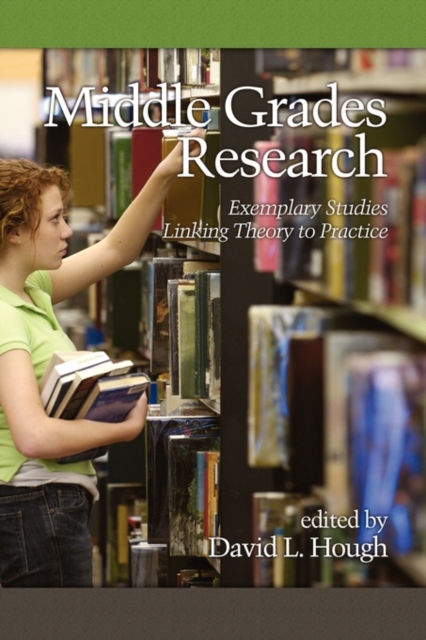
Middle Grades Research: Exemplary Studies Linking Theory to Practice is the first and only book to present what is perhaps the most thoroughly scrutinized group of studies focusing on middle grades education issues ever assembled.
International Education Inquiries is a book series dedicated to realizing the global vision of The United Nations' (2015) Transforming Our World: The 2030 Agenda for Sustainable Development.
From the team that brought you Walkabouts - Activating the Modern Classroom presents research and provides engaging, easy-to-implement classroom activities to help elementary-grade teachers address some of today's most pressing challenges.
Debates about the identity of school history and about the nature and purpose of the learning that does, can and should take place in history classrooms continue in many countries around the world.