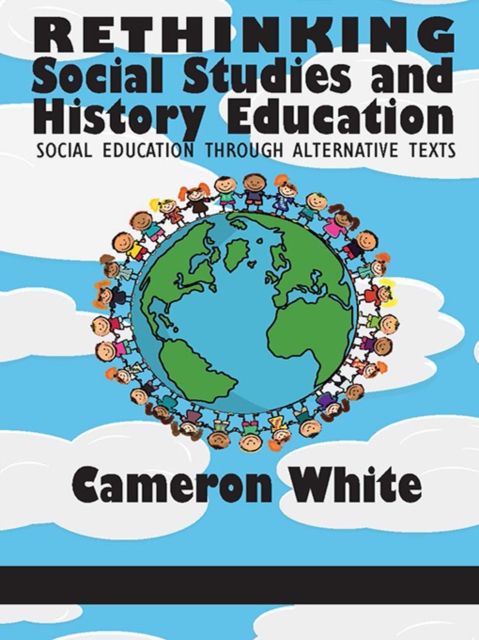
In our current systems of education, there is a trend toward compartmentalizing knowledge, standardizing assessments of learning, and focusing primarily on quantifiable and positivist forms of inquiry.
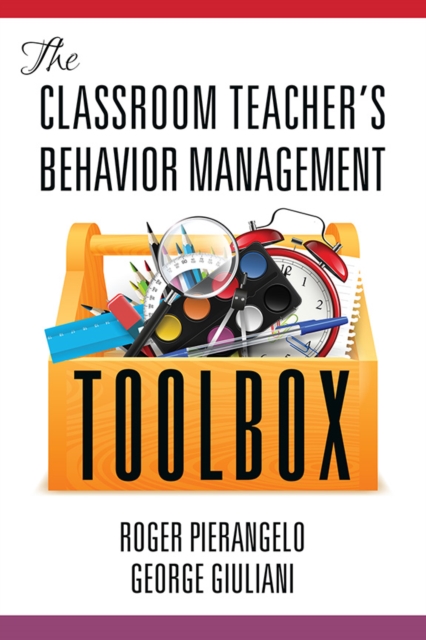
The purpose of this book is to help new teachers transition from students in education courses to proactive educators who can translate what they have learned in methods classes into realistic practices as novice teachers.
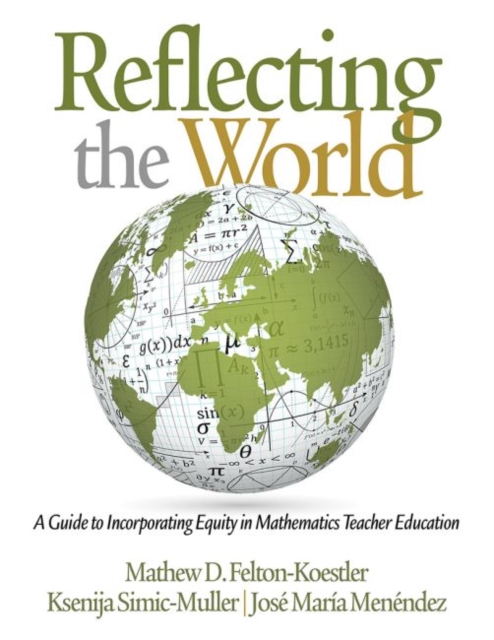
Reflecting the World: A Guide to Incorporating Equity in Mathematics Teacher Education is a guide for mathematics teacher educators interested in incorporating equity concerns into their teaching.
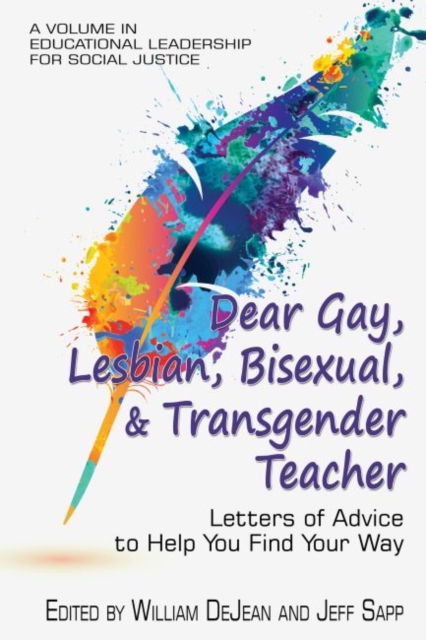
Dear Gay, Lesbian, Bisexual, And Transgender Teacher: Letters Of Advice To Help You Find Your Way is full of the voices of queer educators and calls for educational leaders to be allies in their social justice leadership roles.
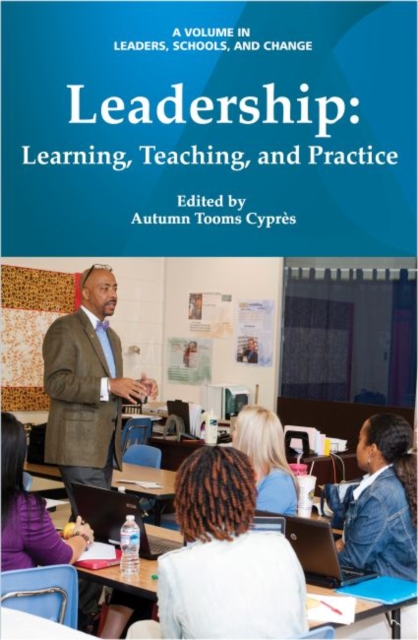
The purpose of this book is to examine the tensions, gaps, and intersections between the practices of leadership in educational systems, school leadership preparation programs, and the often different worlds of academia and k12 schools.
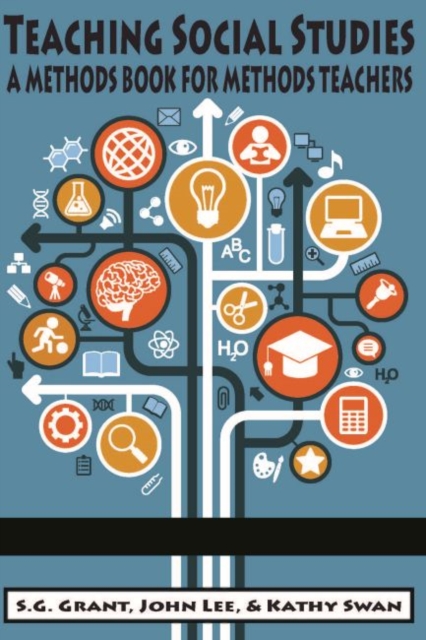
Teaching Social Studies: A Methods Book for Methods Teachers, features tasks designed to take preservice teachers deep into schools in general and into social studies education in particular.
Leading faculty members in educational psychology, who are expert classroom teachers, describe inherent difficulties encountered when teaching different subject matter in educational psychology to diverse populations of students, including undergraduate teacher candidates, psychology and child development majors, and graduate students in education and psychology.
There is much variability with regard to the type, depth and effectiveness of training teachers receive in understanding and meeting the needs of English language learners (ELLs) in public schools across the country, yet the rise in the number of learners has been substantial.
Learning the Left examines the ways in which young people and adults learned (and continue to learn) the tenets of liberal politics in the United States through the popular media and the arts from the turn of the twentieth century to the present.
Debates about the identity of school history and about the nature and purpose of the learning that does, can and should take place in history classrooms continue in many countries around the world.
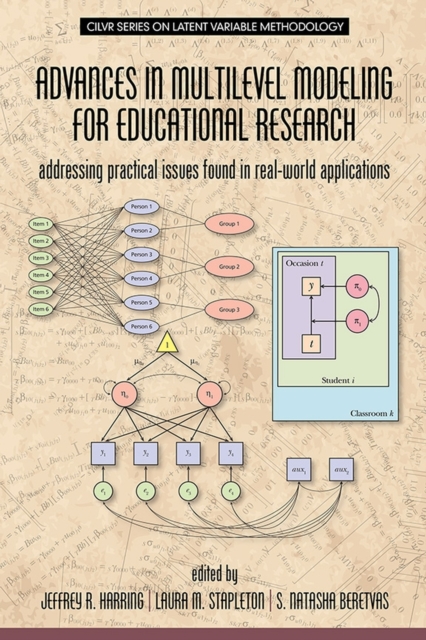
The significance that practitioners are placing on the use of multilevel models is undeniable as researchers want to both accurately partition variance stemming from complex sampling designs and understand relations within and between variables describing the hierarchical levels of these nested data structures.
The global networking promoted by technology, globalization and migration that are occurring at a large scale, requires school systems that develop in the students new types of skills, based on the ability to understand the world and its problems and instill a sense of responsibility and cooperation to enhance the resolution of the great problems of mankind.
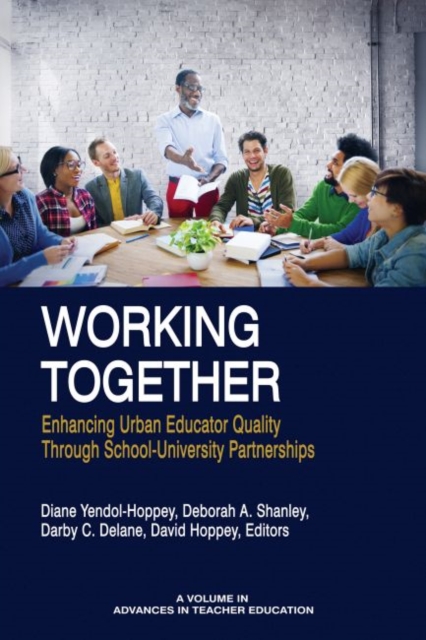
This text highlights partnerships between schools and teacher preparation programs where candidates have opportunities to learn in their coursework alongside teachers in the classroom in clinical settings, bridging the theory-practice divide and helping candidates better understand the simultaneous and multi-dimensional nature of teaching and learning in schools.
Project-Based Learning; it's a term that most educators have heard and probably have heard good things about, Often, though, they aren't quite sure precisely what its defining characteristics are other than involving students in projects that are supposed to somehow result in their learning things of value.
The significance that practitioners are placing on the use of multilevel models is undeniable as researchers want to both accurately partition variance stemming from complex sampling designs and understand relations within and between variables describing the hierarchical levels of these nested data structures.
Education and the politics of time: temporal governance in teaching and learning explores how time—its organization, regulation, and lived experience—structures education across diverse contexts.
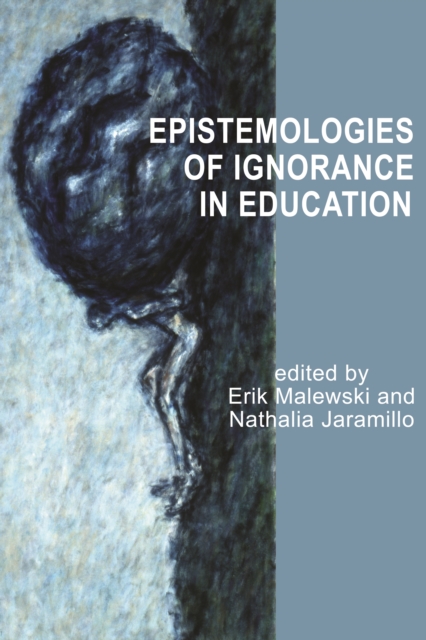
Epistemologies of Ignorance provide educators a distinct epistemological view on questions of marginalization, oppression, relations of power and dominance, difference, philosophy, and even death among our youth.
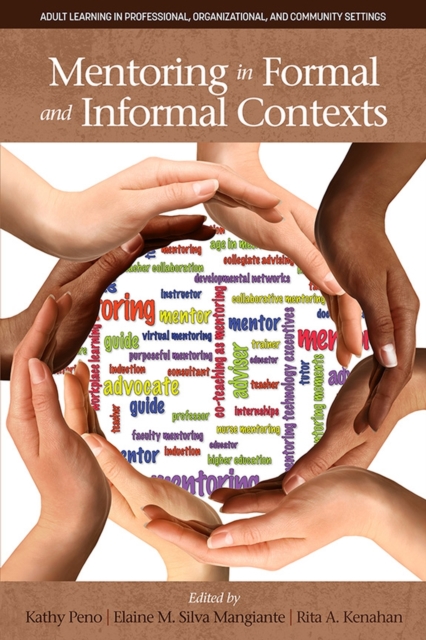
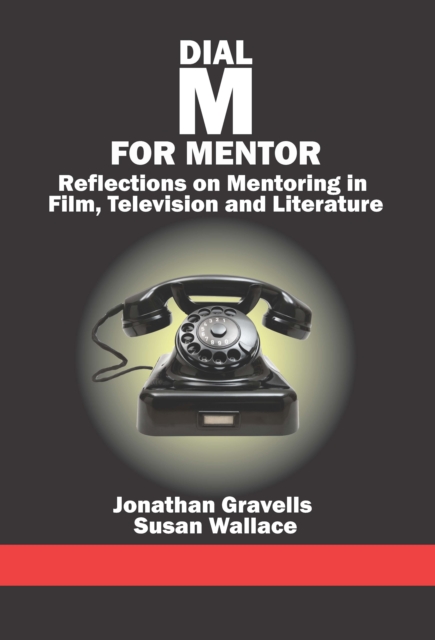
This book takes stories of learning relationships from popular films, television programmes and literature, and uses them as a catalyst for beginners and experts alike to reflect critically on their own mentoring and coaching practice.