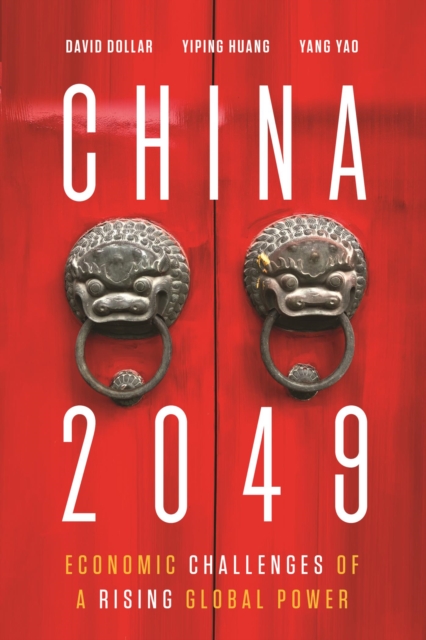
Describes how China is in the lead in transforming finance for the digital ageThis book is the product of a joint research project between economists at the National School of Development, especially the affiliated Institute of Digital Finance, at Peking University and at the Brookings Institution.
The Politics of Compassion explores the manifold obstacles that hinder our individual and collective capacity to care for the vulnerable, offering insights from history, religion, ethics, cognitive and social sciences, international relations, public policy, and contemporary politics.
This CEPS book comprises a first-ever economic and regulatory analysis of a possible Free Trade Area (FTA) between China and the EU, whose design is supposed to be 'deep and comprehensive'.
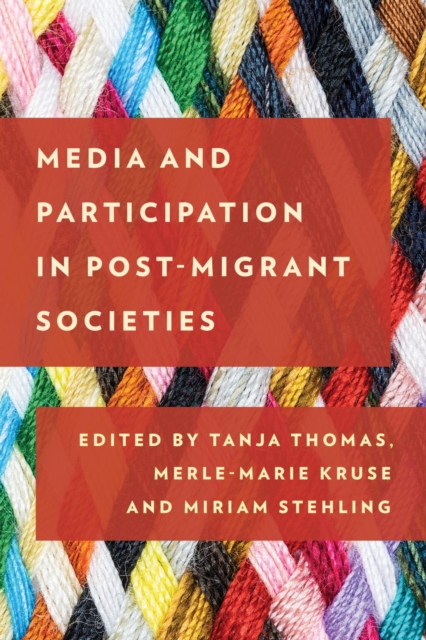
In contemporary media cultures, media are part of the most important sites where collectiverepresentations and narrations of a post-migrant civic culture are (re-)negotiated.
Assessing the legal and practical questions posed by the use of artificial intelligence in national security mattersThe increasing use of artificial intelligence poses challenges and opportunities for nearly all aspects of society, including the military and other elements of the national security establishment.
The ambitious 15-year agenda known as the Sustainable Development Goals, adopted in 2015 by all members of the United Nations, contains a pledge that "e;no one will be left behind.
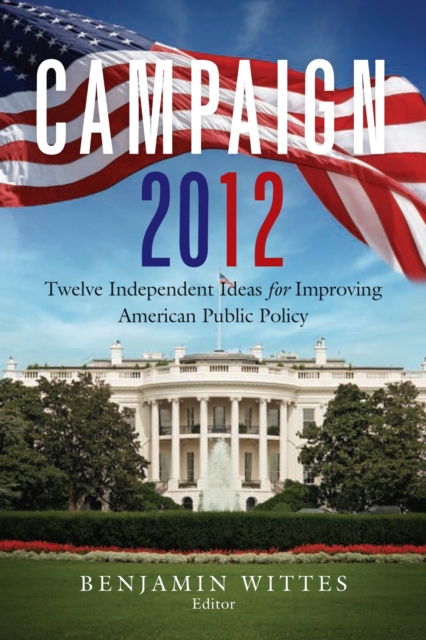
Campaign 2012: Twelve Independent Ideas for Improving American Public Policy is an indispensable guide to the questions facing White House hopefuls in 2012, as well as the challenges awaiting the winner.
How a public-private partnership led to the largest emergency response system in the worldEmergency medical response systems are a critical component of any nation's healthcare system.
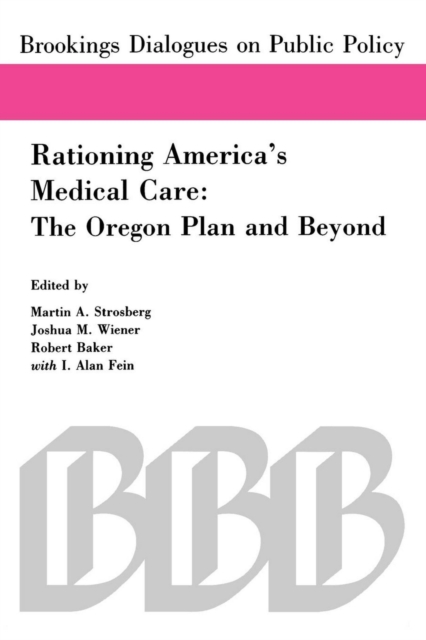
As Americans struggle with the dual problems of exploding health care costs and ensuring access to health care for the uninsured, health care rationing has moved to the center of the public policy debate.
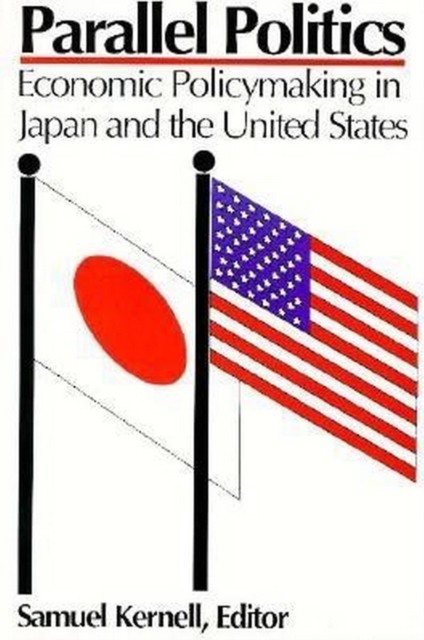
While much has been written about economic competition between the United States and Japan, it is easy to lose sight of the fact that their relationship is founded essentially on each sides' domestic political concerns.
The United States spends more on health care than any other nation in the world, yet millions of Americans cannot afford basic care for acute illnesses, few are insured against the costs of long-term care, and many frequently used medical procedures have never been fully evaluated.
Sun Tzu in Space provides a novel way of thinking about the future, connecting international relations, history, and science fiction to better understand some of the various paths for future human activities in space.
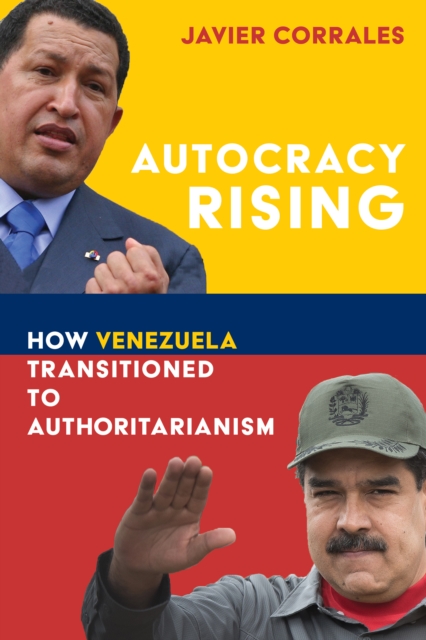
How Nicolas Maduro reinvented authoritarianism for the twenty-first centurVenezuela, which once enjoyed periods of democratically elected governments in the latter half of the twentieth century, has descended into autocratic rule, coupled with economic collapse.
Proposing an entirely new governance model to unleash innovation throughout local governmentAt a time when trust is dropping precipitously and American government at the national level has fallen into a state of long-term, partisan-based gridlock, local government can still be effective indeed more effective and even more responsive to the needs of its citizens.
Exploring how cross-sector collaboration can solve seemingly intractable societal problemsMany people tend to think of the public, non-profit and private sectors as being distinctive components of the economy and broader society each with its own missions and problems to address.
Leading scholars analyze three disruptions in the 2020 presidential campaign and election: disruptions to the status quo caused by the renewed quest for racial justice and greater diversity of candidates, pandemic disruptions to traditional campaigning, and disruptions to democratic norms.
Focusing on how rape, sexual assault, and harassment relate to underrepresentation of women in public authority, this book provides an insightful exploration of the policy context that impedes women's advancement to positions of power.
Highlighting American cultural and political contexts, this book provides an in-depth assessment of the breadth and magnitude of the United States' errors in its response to the COVID-19 pandemic.
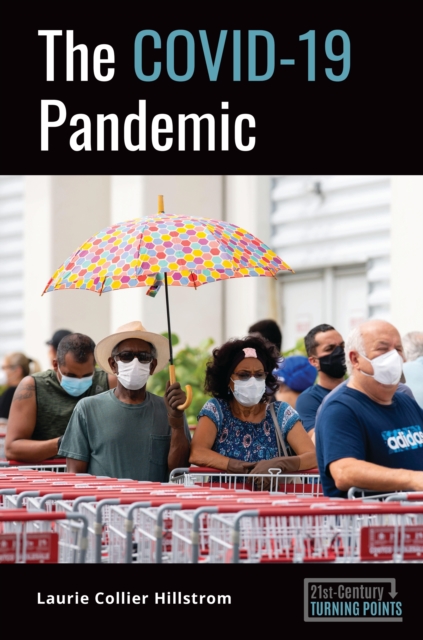
This authoritative work provides a thorough overview of the COVID-19 pandemic that swept the globe in 2020, devoting particular attention to its impact on all aspects of American society.
This two-volume set offers a comprehensive overview of major challenges faced by cities worldwide in the 21st century, and how cities in different geographic, economic, and political conditions are finding solutions to them.
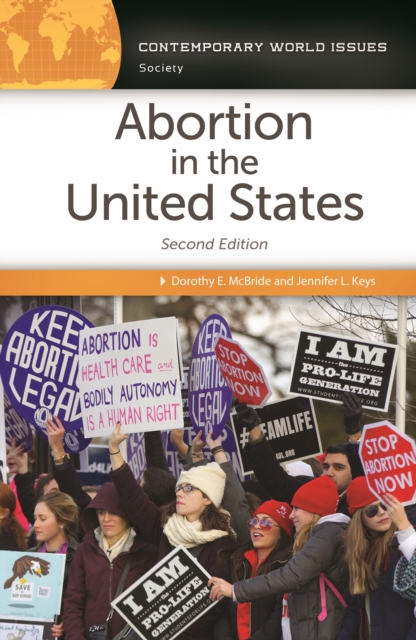
Distinctive in its use of two disciplinary lenses-sociology and political science-Abortion in the United States provides a balanced scholarly analysis of the most salient issues in the pro-life/pro-choice debate.
This book examines the politics of cancer, explains how our government is intrinsically tied to cancer research efforts, and documents how major political actors make cancer policy and are influenced in their decision making by political, social, scientific, and economic variables.