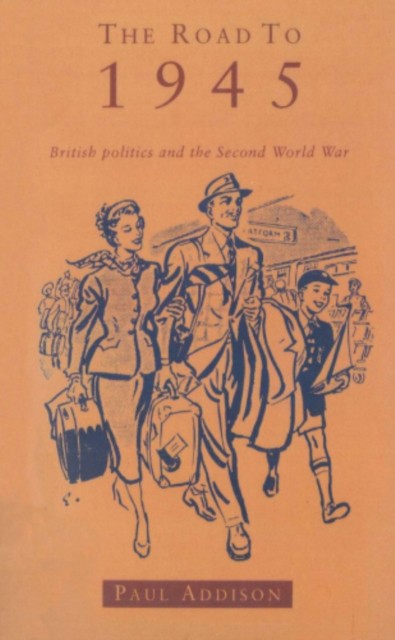
The Road to 1945 is a rigorously researched study of the crucial moment when political parties put aside their differences to unite under Churchill and focus on the task of war.
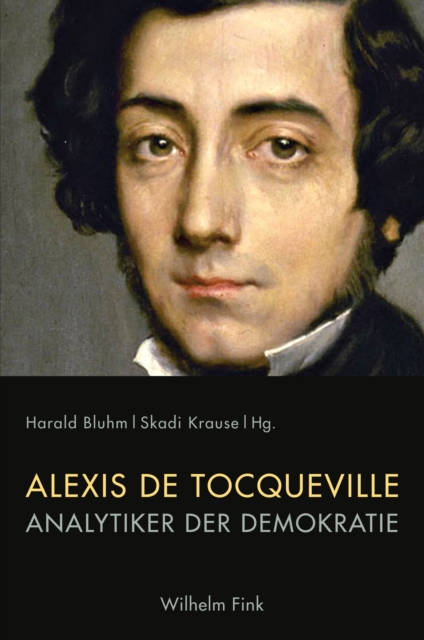
Die moderne Demokratie wurde zuerst von Alexis de Tocqueville wegweisend und in einer nach wie vor aktuellen, komplexen, aber zu wenig untersuchten »neuen Wissenschaft der Politik« analysiert.
People/States/Territories examines the role of state personnel in shaping, and being shaped by, state organizations and territories, and demonstrates how agents have actively contributed to the reproduction and transformation of the British state over the long term.
Part analysis of contemporary change and part vision of the future, post-Fordism lends its name to a set of challenging, essential and controversial debates over the nature of capitalism's newest age.
A Brief History of Justice traces the development of the idea of justice from the ancient world until the present day, with special attention to the emergence of the modern idea of social justice.
A Brief History of Justice traces the development of the idea of justice from the ancient world until the present day, with special attention to the emergence of the modern idea of social justice.
AFTER GLOBALIZATION Relentlessly, remorselessly, endlessly, we are told there is no alternative to globalization, whether our lecturers are bourgeois economists, progressive journalists, or imaginative litterateurs.
AFTER GLOBALIZATION Relentlessly, remorselessly, endlessly, we are told there is no alternative to globalization, whether our lecturers are bourgeois economists, progressive journalists, or imaginative litterateurs.
The Wiley-Blackwell Companion to Political Sociology is a complete reference guide, reflecting the scope and quality of the discipline, and highlighting emerging topics in the field.
The Wiley-Blackwell Companion to Political Sociology is a complete reference guide, reflecting the scope and quality of the discipline, and highlighting emerging topics in the field.
Through a fusion of philosophical, social scientific, and historical methods, A Brief History of Liberty provides a comprehensive, philosophically-informed portrait of the elusive nature of one of our most cherished ideals.
Through a fusion of philosophical, social scientific, and historical methods, A Brief History of Liberty provides a comprehensive, philosophically-informed portrait of the elusive nature of one of our most cherished ideals.
A COMPANION TO GREEK AND ROMAN POLITICAL THOUGHT Justice, virtue, and citizenship were at the center of political life in ancient Greece and Rome and were frequently discussed by classical poets, historians, and philosophers.
This collection of 24 essays, written by eminent philosophers and political theorists, brings together fresh debates on some of the most fundamental questions in contemporary political philosophy, including human rights, equality, constitutionalism, the value of democracy, identity and political neutrality.
Written by Phil Parvin and Clare Chambers, who are current political philosophy lecturers and leading researchers, Political Philosophy - The Essentials is designed to give you everything you need to succeed, all in one place.
The Magna Carta, or "e;The Great Charter of the Liberties"e; is one of the most important historical documents in English history and serves as a philosophical basis for democratic monarchy and civil liberties.
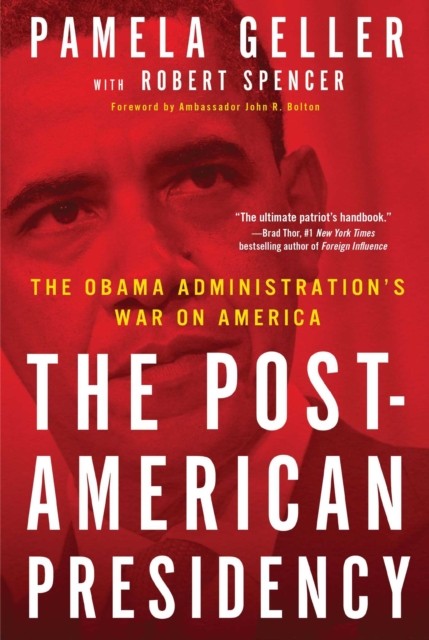
Popular conservative blogger Pamela Geller and New York Times bestselling author Robert Spencer sound a wake-up call for Americans to stop the Obama administration from limiting our hard-won freedoms, silencing our democratic voices, and irreparably harming America for generations to come.
A New York Times Notable Book of the YearWinner of the Istvan Hont Book Prize, Institute of Intellectual HistoryFinalist for the Cundill History PrizeA sweeping history of the rise of personal choice in the modern world and how it became equated with freedomChoice touches virtually every aspect of our lives, from what to buy and where to live to whom to love, what profession to practice, and even what to believe.
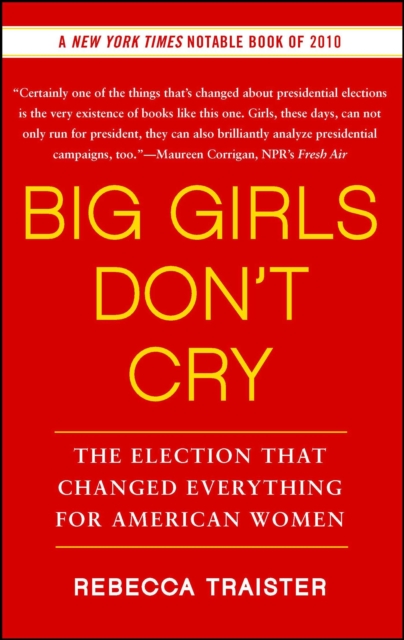
Journalist and Salon writer Rebecca Traister investigates the 2008 presidential election and its impact on American politics, women and cultural feminism.
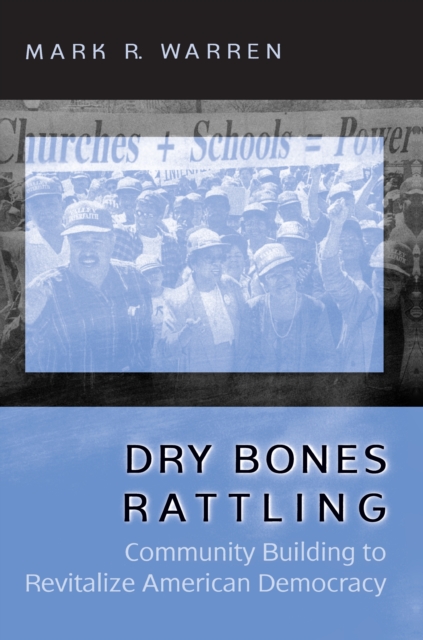
Dry Bones Rattling offers the first in-depth treatment of how to rebuild the social capital of America's communities while promoting racially inclusive, democratic participation.
Ordinary Equality digs into the fascinating and little-known history of the ERA and the lives of the incredible-and often overlooked-women and queer people who have helped shape the U.
The Arab youth gained the world's conviction and approval before achieving the demands of their revolutions, but in order to advance on the correct path that they accepted, they must know and study the difficulties surrounding them, whether internal or external.
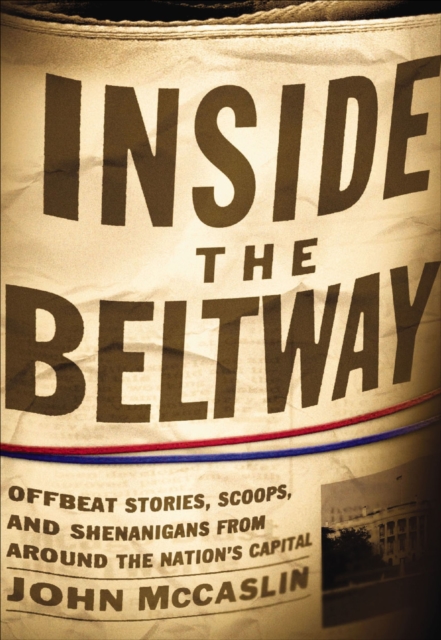
The Washington Times columnist shares a revealing insider's view of Washington, DC: "e;Whether you are a Democrat of a Republican, you will love this book.
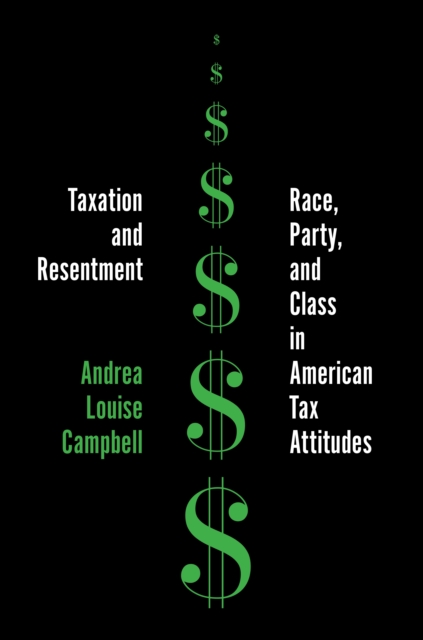
Why Americans favor progressive taxation in principle but not in practiceMost Americans support progressive taxation in principle, and want the rich to pay more.
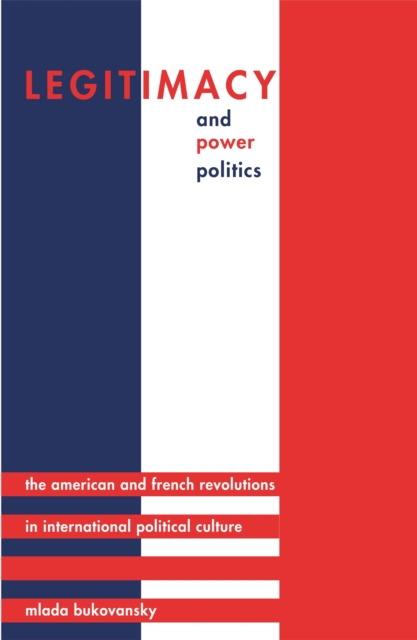
This book examines the causes and consequences of a major transformation in both domestic and international politics: the shift from dynastically legitimated monarchical sovereignty to popularly legitimated national sovereignty.
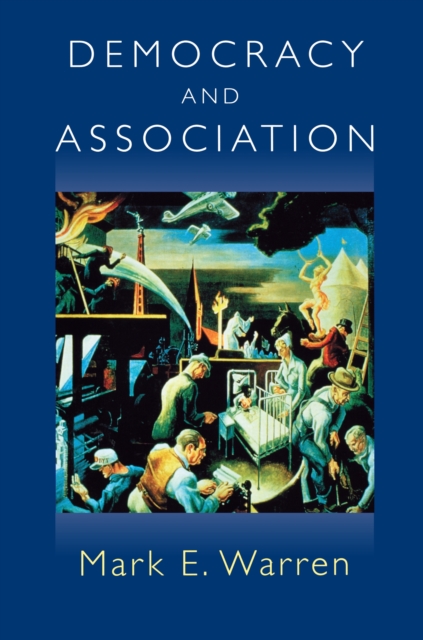
Tocqueville's view that a virtuous and viable democracy depends on robust associational life has become a cornerstone of contemporary democratic theory.
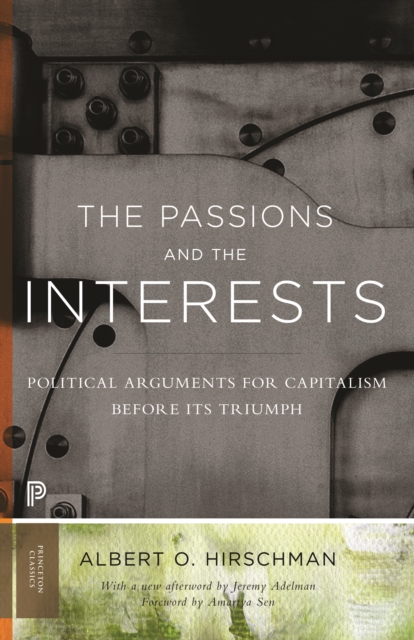
In this volume, Albert Hirschman reconstructs the intellectual climate of the seventeenth and eighteenth centuries to illuminate the intricate ideological transformation that occurred, wherein the pursuit of material interests--so long condemned as the deadly sin of avarice--was assigned the role of containing the unruly and destructive passions of man.
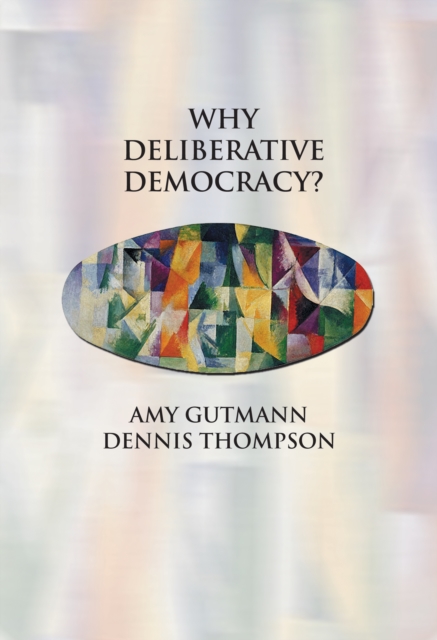
The most widely debated conception of democracy in recent years is deliberative democracy--the idea that citizens or their representatives owe each other mutually acceptable reasons for the laws they enact.
A history of three transnational political projects designed to overcome the inequities of imperialismAfter the dissolution of empires, was the nation-state the only way to unite people politically, culturally, and economically?
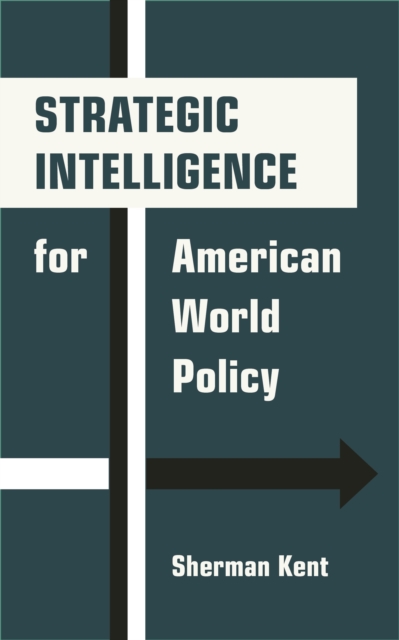
The classic book that established the principles and methods of modern intelligence analysisWith the outbreak of the Second World War, historian Sherman Kent left his classroom at Yale to join the Office of Strategic Servicesthe forerunner of the Central Intelligence Agencywhere he adapted scholarly methods to the rigors and unique challenges of producing actionable intelligence in support of the war effort.
A leading foreign policy thinker uses Chinese political theory to explain why some powers rise as others decline and what this means for the international orderWhile work in international relations has closely examined the decline of great powers, not much attention has been paid to the question of their rise.
An incisive history of the changing relationship between democracy and capitalismThe twentieth century witnessed the triumph of democratic capitalism in the industrialized West, with widespread popular support for both free markets and representative elections.
How disputes over privacy and security have shaped the relationship between the European Union and the United States and what this means for the futureWe live in an interconnected world, where security problems like terrorism are spilling across borders, and globalized data networks and e-commerce platforms are reshaping the world economy.