Using as his example post-World War I Italy and the government's interest in the size, growth rate, and "e;vitality"e; of its national population, David Horn suggests a genealogy for our present understanding of procreation as a site for technological intervention and political contestation.
In Moral Clarity, Susan Neiman shows how the philosophical resources of the eighteenth-century Englightenment can help us to construct a politics that does not repeat the mistakes of Marxism or succumb to the temptation of a cynicism that masquerade as realism.
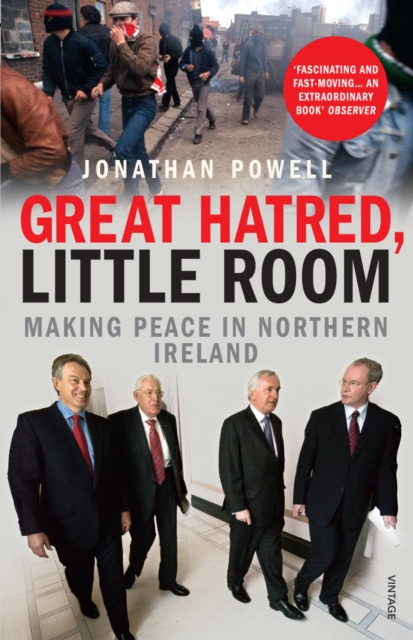
Making peace in Northern Ireland was the greatest success of the Blair government, and one of the greatest achievements in British politics since the Second World War.
Following World War II, the Catholic Church in Europe faced the challenge of establishing political influence with newly emerging democratic governments.
One of the most enduring dreams is of a Utopian society in which all possessions are held in common ownership, and there is never a quarrel over "e;mine"e; and "e;thine"e;.
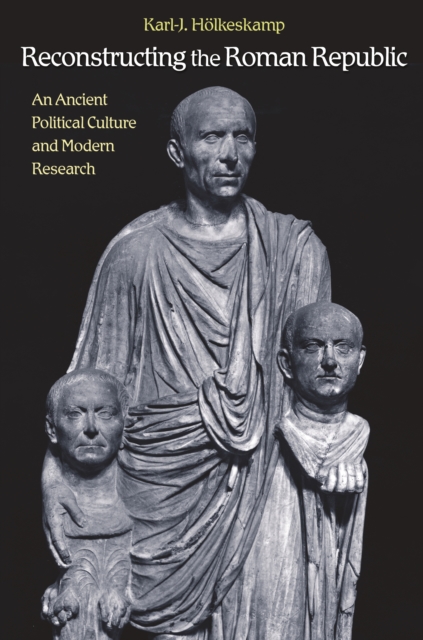
In recent decades, scholars have argued that the Roman Republic's political culture was essentially democratic in nature, stressing the central role of the 'sovereign' people and their assemblies.
The dizzying exuberance of the Internet driven marketplace offers unprecedented opportunities and an ever-expanding choice of deals, products, investments, and jobs - ranging from the merely attractive to the nearly irresistible for the people with the right talent and skills.
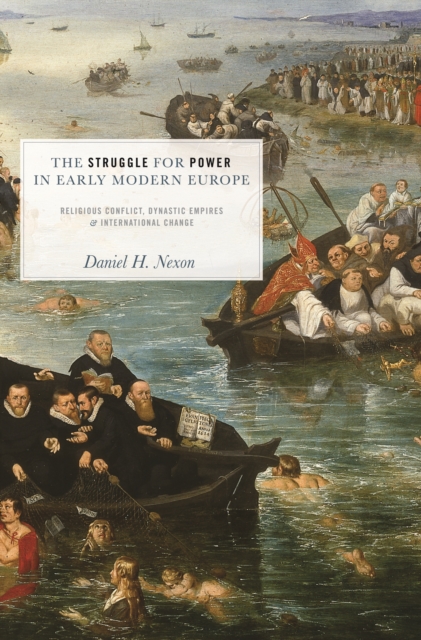
Scholars have long argued over whether the 1648 Peace of Westphalia, which ended more than a century of religious conflict arising from the Protestant Reformations, inaugurated the modern sovereign-state system.
Since they were pioneered in the 1970s by Robert Keohane and others, the broad range of neoliberal institutionalist theories of international relations have grown in importance.
Robert Wokler was one of the world's leading experts on Rousseau and the Enlightenment, but some of his best work was published in the form of widely scattered and difficult-to-find essays.
A bold new history of the rise of the medieval Italian communeAmid the disintegration of the Kingdom of Italy in the eleventh and twelfth centuries, a new form of collective government-the commune-arose in the cities of northern and central Italy.
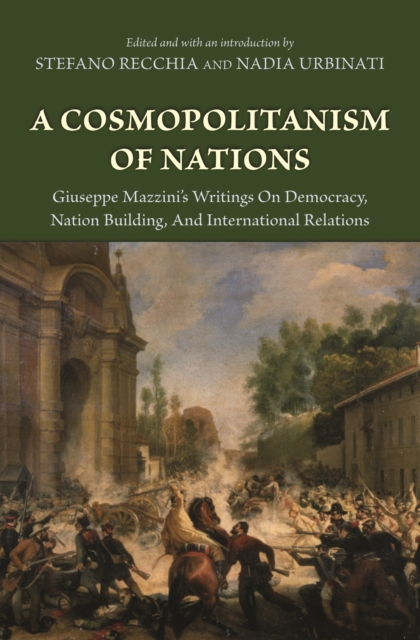
This anthology gathers Giuseppe Mazzini's most important essays on democracy, nation building, and international relations, including some that have never before been translated into English.
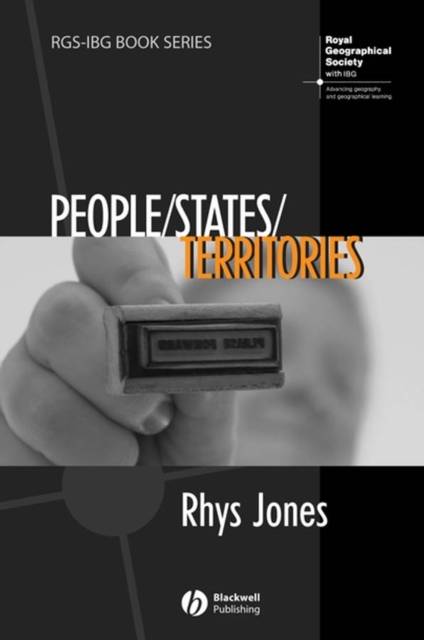
People/States/Territories examines the role of state personnel in shaping, and being shaped by, state organizations and territories, and demonstrates how agents have actively contributed to the reproduction and transformation of the British state over the long term.
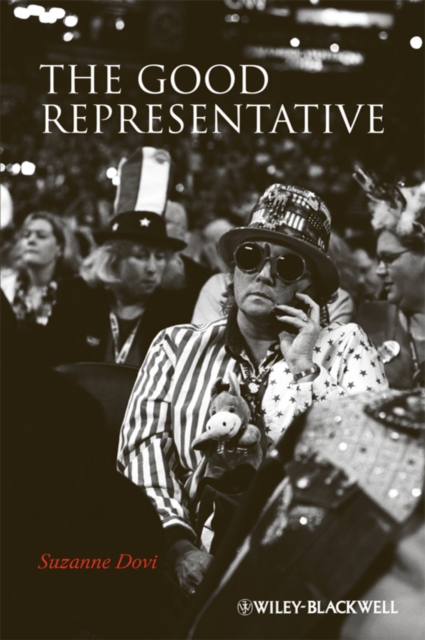
In The Good Representative, Suzanne Dovi argues that democratic citizens should assess their representatives by their display of three virtues: they must be fair-minded, build critical trust, and be good gatekeepers.
This major intervention into debates about the postcolonial and the global proposes that theory should embody unevenness as symptom even as it envisions strategies to get beyond unevenness.
How to sustain an international system of cooperation in the midst of geopolitical struggleCan the international economic and legal system survive today's fractured geopolitics?
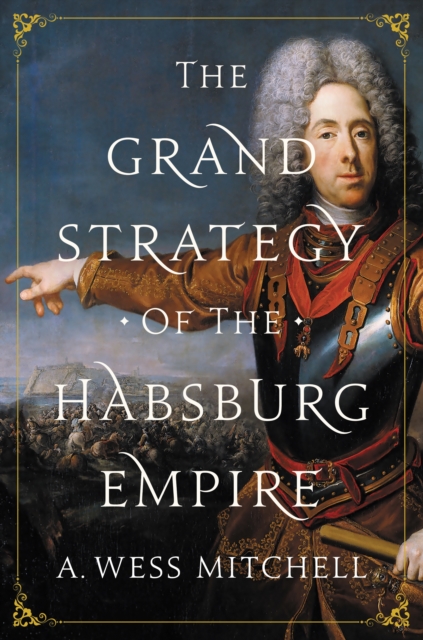
The Habsburg Empire's grand strategy for outmaneuvering and outlasting stronger rivals in a complicated geopolitical worldThe Empire of Habsburg Austria faced more enemies than any other European great power.
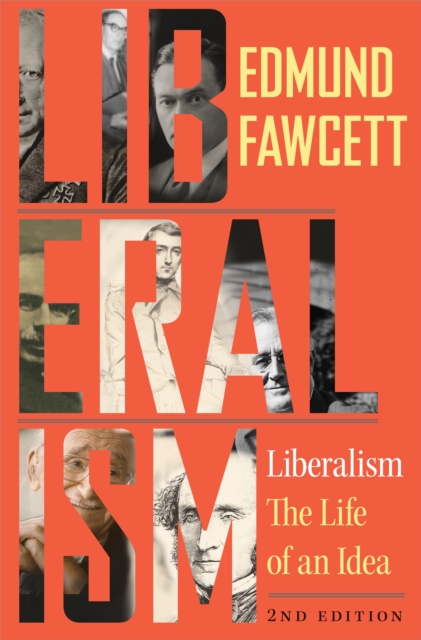
A compelling history of liberalism from the nineteenth century to todayDespite playing a decisive role in shaping the past two hundred years of American and European politics, liberalism is no longer the dominant force it once was.
America in Italy examines the influence of the American political experience on the imagination of Italian political thinkers between the late eighteenth century and the unification of Italy in the 1860s.
Why our workplaces are authoritarian private governments-and why we can't see itOne in four American workers says their workplace is a "e;dictatorship.
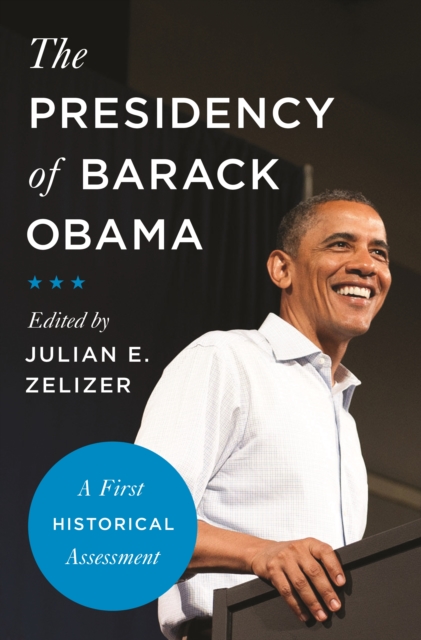
An original and engaging account of the Obama years from a group of leading political historiansBarack Obama's election as the first African American president seemed to usher in a new era, and he took office in 2009 with great expectations.
Since its original publication in 1976, Perception and Misperception in International Politics has become a landmark book in its field, hailed by the New York Times as "e;the seminal statement of principles underlying political psychology.
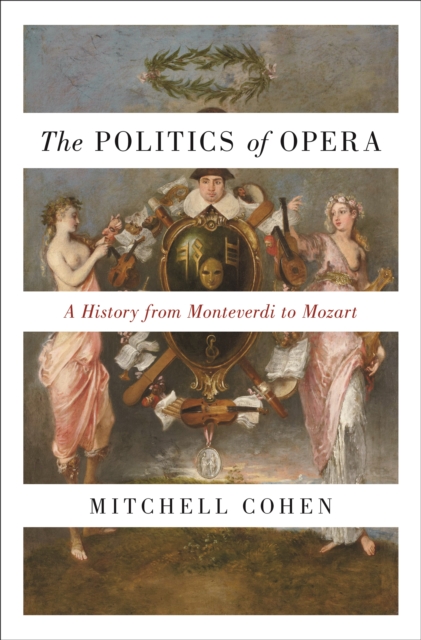
A wide-ranging look at the interplay of opera and political ideas through the centuriesThe Politics of Opera takes readers on a fascinating journey into the entwined development of opera and politics, from the Renaissance through the turn of the nineteenth century.
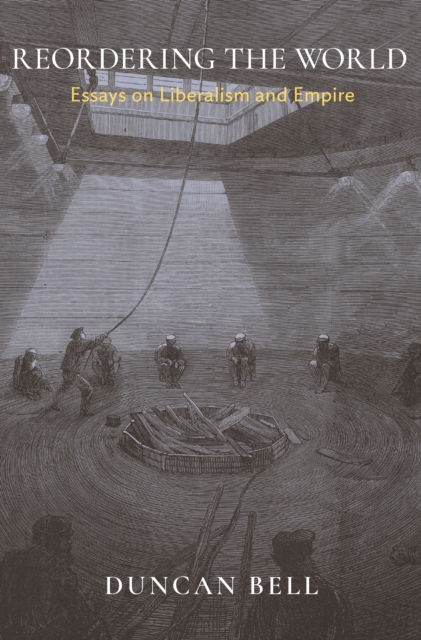
A leading scholar of British political thought explores the relationship between liberalism and empireReordering the World is a penetrating account of the complexity and contradictions found in liberal visions of empire.
Aristotle was the first philosopher in the Western tradition to address politics systematically and empirically, and he remains a central figure in political theory.
Recent debates about inequality have focused almost exclusively on the distribution of wealth and disparities in income, but little notice has been paid to the distribution of free time.
In the history of political thought, the emergence of the modern state in early modern England has usually been treated as the development of an increasingly centralizing and expansive national sovereignty.
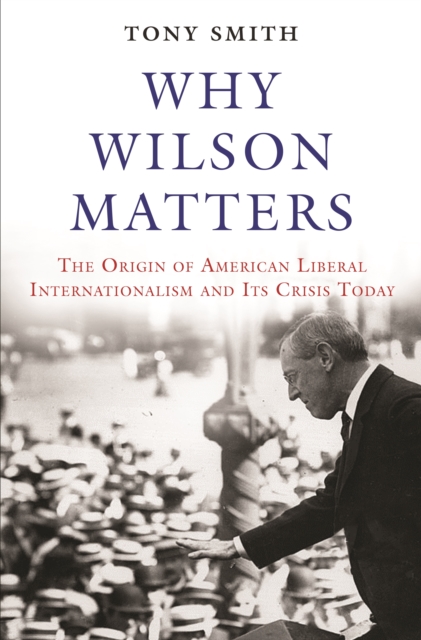
How Woodrow Wilson's vision of making the world safe for democracy has been betrayed-and how America can fulfill it againThe liberal internationalist tradition is credited with America's greatest triumphs as a world power-and also its biggest failures.
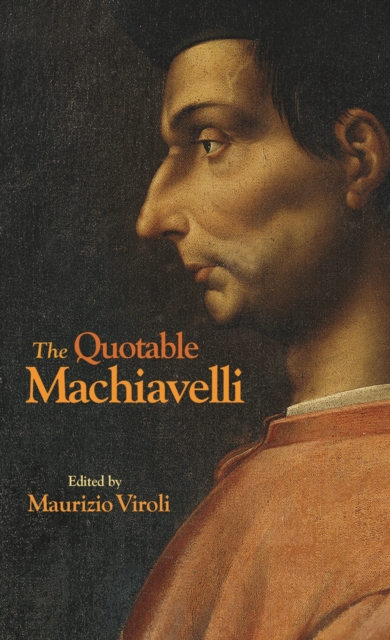
A collection of insightful and revealing quotations on a wide range of subjects from the father of modern politicsNiccolo Machiavelli (1469-1527) is the father of modern political thought, but he is also one of the greatest writers of the Renaissance and his wisdom and style extend far beyond politics to encompass a compelling philosophy of life as well.
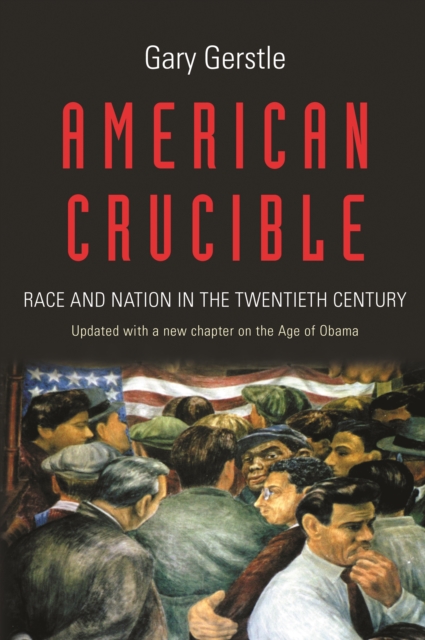
This sweeping history of twentieth-century America follows the changing and often conflicting ideas about the fundamental nature of American society: Is the United States a social melting pot, as our civic creed warrants, or is full citizenship somehow reserved for those who are white and of the "e;right"e; ancestry?