How four revolutionary ideas from the Enlightenment shaped today's worldThis panoramic book tells the story of how revolutionary ideas from the Enlightenment about freedom, equality, evolution, and democracy have reverberated through modern history and shaped the world as we know it today.
The first in-depth look at Stael's political life and writingsGermaine de Stael (1766-1817) is perhaps best known today as a novelist, literary critic, and outspoken and independent thinker.
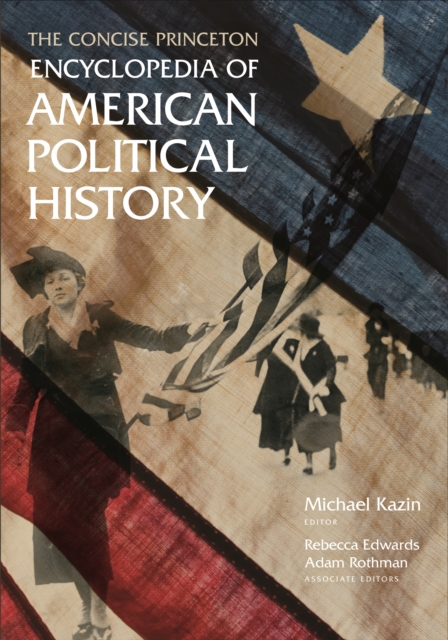
Throughout American history, some social movements, such as organized labor and the Christian Right, have forged influential alliances with political parties, while others, such as the antiwar movement, have not.
How propaganda undermines democracy and why we need to pay attentionOur democracy today is fraught with political campaigns, lobbyists, liberal media, and Fox News commentators, all using language to influence the way we think and reason about public issues.
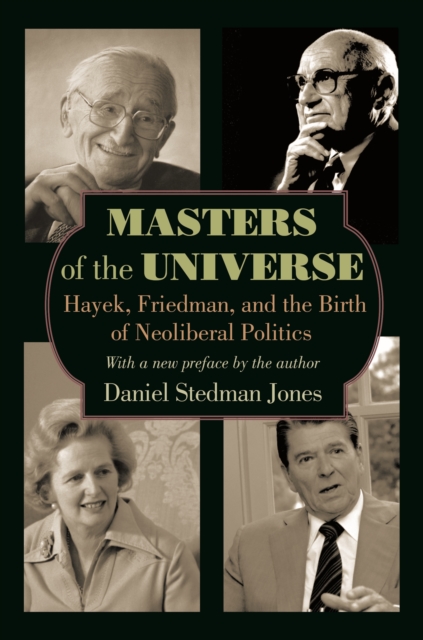
How radical free-market ideas achieved mainstream dominance in postwar America and BritainBased on archival research and interviews with leading participants in the movement, Masters of the Universe traces the ascendancy of neoliberalism from the academy of interwar Europe to supremacy under Reagan and Thatcher and in the decades since.
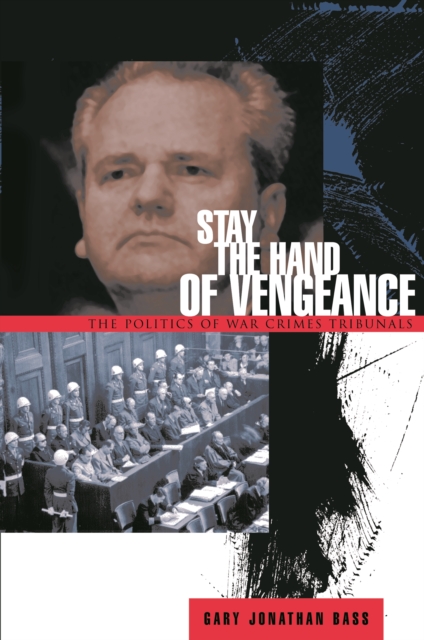
International justice has become a crucial part of the ongoing political debates about the future of shattered societies like Bosnia, Kosovo, Rwanda, Cambodia, and Chile.
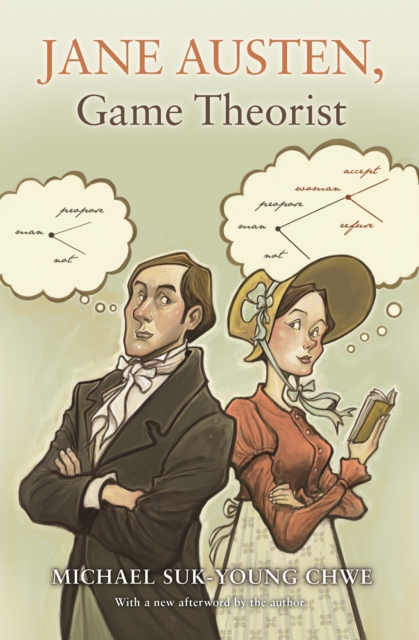
How the works of Jane Austen show that game theory is present in all human behaviorGame theory-the study of how people make choices while interacting with others-is one of the most popular technical approaches in social science today.
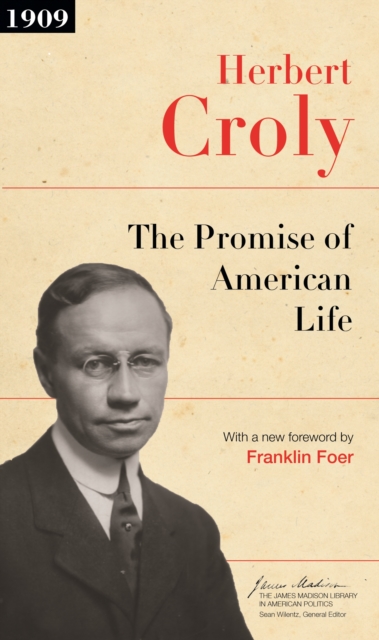
The Promise of American Life is part of the bedrock of American liberalism, a classic that had a spectacular impact on national politics when it was first published in 1909 and that has been recognized ever since as a defining text of liberal reform.
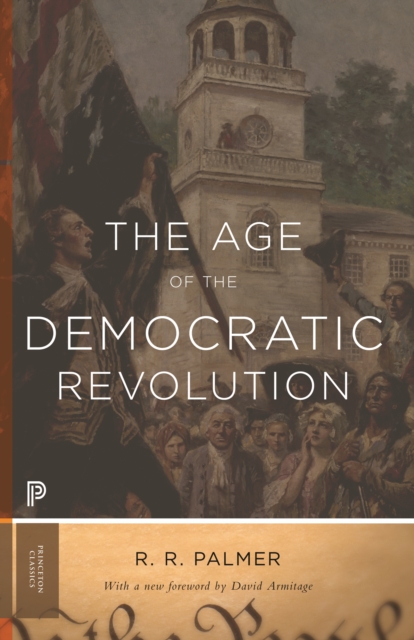
For the Western world, the period from 1760 to 1800 was the great revolutionary era in which the outlines of the modern democratic state came into being.
A comprehensive look at the intellectual and cultural innovations of the Weimar periodDuring its short lifespan, the Weimar Republic (1918-33) witnessed an unprecedented flowering of achievements in many areas, including psychology, political theory, physics, philosophy, literary and cultural criticism, and the arts.
A major intellectual biography of Toqueville that restores democracy in America to its essential contextMany American readers like to regard Alexis de Tocqueville as an honorary American and democrat-as the young French aristocrat who came to early America and, enthralled by what he saw, proceeded to write an American book explaining democratic America to itself.
A sweeping history of the drama, intrigue, and rivalry behind the creation of the postwar economic orderWhen turmoil strikes world monetary and financial markets, leaders invariably call for 'a new Bretton Woods' to prevent catastrophic economic disorder and defuse political conflict.
How presidents forged the American centuryThis book examines the foreign policy decisions of the presidents who presided over the most critical phases of America's rise to world primacy in the twentieth century, and assesses the effectiveness and ethics of their choices.
A colorful, comprehensive, and authoritative account of Machiavelli's life and thoughtThis is a colorful, comprehensive, and authoritative introduction to the life and work of the Florentine statesman, writer, and political philosopher Niccolo Machiavelli (1469-1527).
From China's most influential foreign policy thinker, a vision for a "e;Beijing Consensus"e; for international relationsThe rise of China could be the most important political development of the twenty-first century.
A fresh introduction to-and bold new interpretation of-Machiavelli's PrinceIn Redeeming "e;The Prince,"e; one of the world's leading Machiavelli scholars puts forth a startling new interpretation of arguably the most influential but widely misunderstood book in the Western political tradition.
Hume's Politics provides a comprehensive examination of David Hume's political theory, and is the first book to focus on Hume's monumental History of England as the key to his distinctly political ideas.
A philosophical investigation into the connections between trust and violenceThe limiting of violence through state powers is one of the central projects of the modern age.
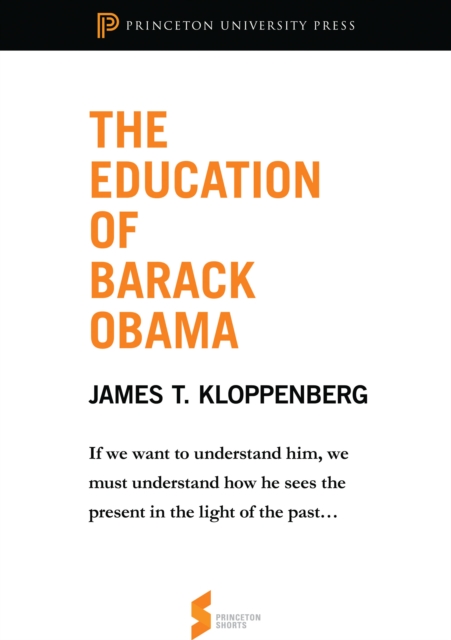
A leading intellectual historian traces the origins of Barack Obama's ideasDerided by the Right as dangerous and by the Left as spineless, Barack Obama puzzles observers.
One of the world's leading political thinkers explores the history, nature, and prospects of the liberal traditionThe Making of Modern Liberalism is a deep and wide-ranging exploration of the origins and nature of liberalism from the Enlightenment through its triumphs and setbacks in the twentieth century and beyond.
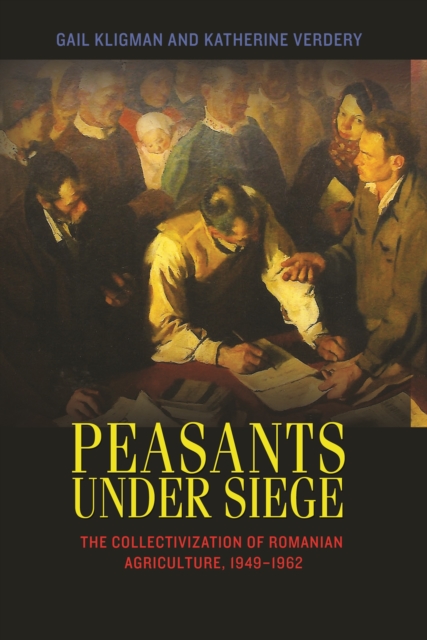
In 1949, Romania's fledgling communist regime unleashed a radical and brutal campaign to collectivize agriculture in this largely agrarian country, following the Soviet model.
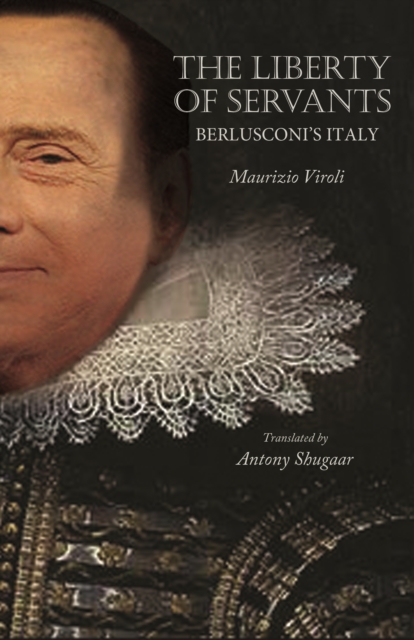
A compelling look at how a people can be unfree even though they are not oppressedItaly is a country of free political institutions, yet it has become a nation of servile courtesans, with Silvio Berlusconi as their prince.
Ideally suited to upper-undergraduate and graduate students, Analyzing the Global Political Economy critically assesses the convergence between IPE, comparative political economy, and economics.
The general assumption that social policy should be utilitarian--that society should be organized to yield the greatest level of welfare--leads inexorably to increased government interventions.
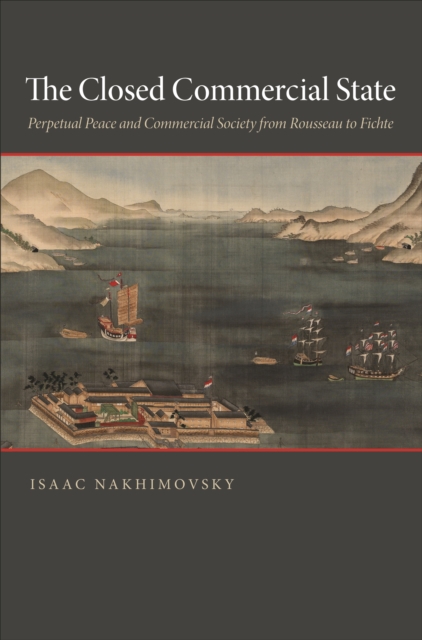
This book presents an important new account of Johann Gottlieb Fichte's Closed Commercial State, a major early nineteenth-century development of Rousseau and Kant's political thought.
A new vision for the American world orderIn the second half of the twentieth century, the United States engaged in the most ambitious and far-reaching liberal order building the world had yet seen.
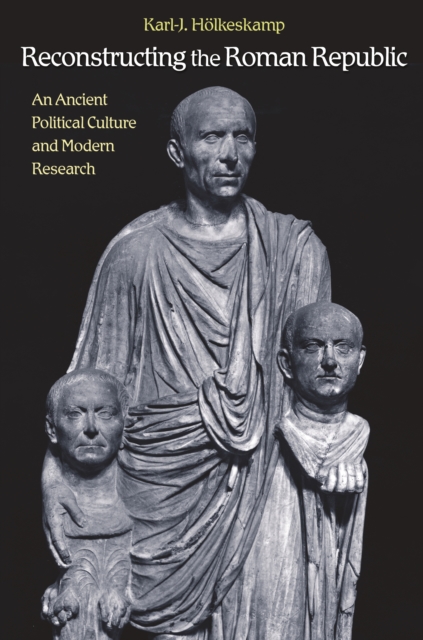
In recent decades, scholars have argued that the Roman Republic's political culture was essentially democratic in nature, stressing the central role of the 'sovereign' people and their assemblies.