Examining the social and political upheavals that characterized the collapse of public judgment in early modern Europe, Liberating Judgment offers a unique account of the achievement of liberal democracy and self-government.
The Judge as Political Theorist examines opinions by constitutional courts in liberal democracies to better understand the logic and nature of constitutional review.
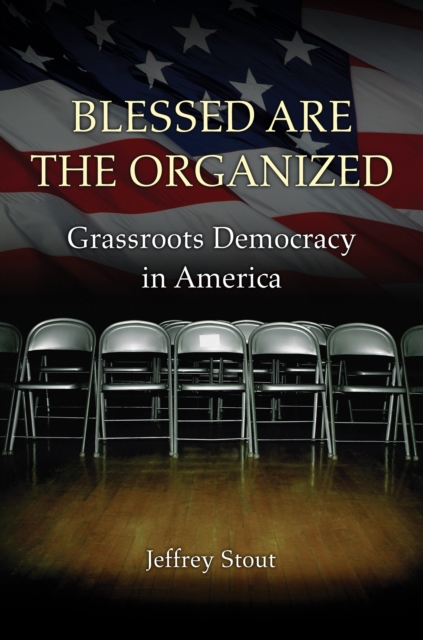
How ordinary citizens band together to bring about real changeIn an America where the rich and fortunate have free rein to do as they please, can the ideal of liberty and justice for all be anything but an empty slogan?
How happiness became mandatory-and why we should reject the demand to "e;be happy"e;Happiness today is not just a possibility or an option but a requirement and a duty.
The 1990s saw global flows of foreign direct investment increase some sevenfold, spurring economists to explore FDI from a micro- or trade-based perspective.
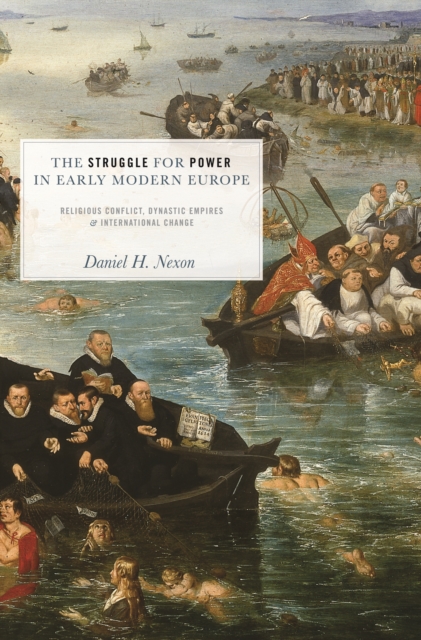
Scholars have long argued over whether the 1648 Peace of Westphalia, which ended more than a century of religious conflict arising from the Protestant Reformations, inaugurated the modern sovereign-state system.
Since they were pioneered in the 1970s by Robert Keohane and others, the broad range of neoliberal institutionalist theories of international relations have grown in importance.
Alexis de Tocqueville (1805-59) has long been recognized as a major political and social thinker as well as historian, but his writings also contain a wealth of little-known insights into economic life and its connection to the rest of society.
The analysis of how institutions are formed, how they operate and change, and how they influence behavior in society has become a major subject of inquiry in politics, sociology, and economics.
"e;Luck egalitarianism"e;--the idea that justice requires correcting disadvantages resulting from brute luck--has gained ground in recent years and is now the main rival to John Rawls's theory of distributive justice.
Timely and pathbreaking, Securing the Peace is the first book to explore the complete spectrum of civil war terminations, including negotiated settlements, military victories by governments and rebels, and stalemates and ceasefires.
Dry Bones Rattling offers the first in-depth treatment of how to rebuild the social capital of America's communities while promoting racially inclusive, democratic participation.
A political history of the most famous desegregation crisis in AmericaThe desegregation crisis in Little Rock is a landmark of American history: on September 4, 1957, after the Supreme Court struck down racial segregation in public schools, Arkansas Governor Orval Faubus called up the National Guard to surround Little Rock Central High School, preventing black students from going in.
Since emerging in the late nineteenth century, political science has undergone a radical shift--from constructing grand narratives of national political development to producing empirical studies of individual political phenomena.
Liberty and the News is Walter Lippman's classic account of how the press threatens democracy whenever it has an agenda other than the free flow of ideas.
Focusing on the new theories of human motivation that emerged during the transition from feudalism to the modern period, this is the first book of new essays on the relationship between politics and the passions from Machiavelli to Bentham.
Covenantal Rights is a groundbreaking work of political theory: a comprehensive, philosophically sophisticated attempt to bring insights from the Jewish political tradition into current political and legal debates about rights and to bring rights discourse more fully into Jewish thought.