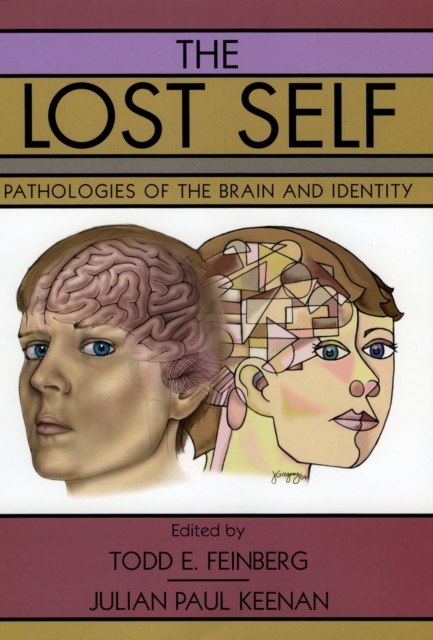
The Lost Self: Pathologies of the Brain and Identity is an in-depth exploration into one of the most mysterious and controversial topics in neuroscience, neurology, psychiatry, and psychology-namely, the search for the biological basis of the self.
Creativity often leads to the development of original ideas that are useful or influential, and maintaining creativity is crucial for the continued development of organizations in particular and society in general.
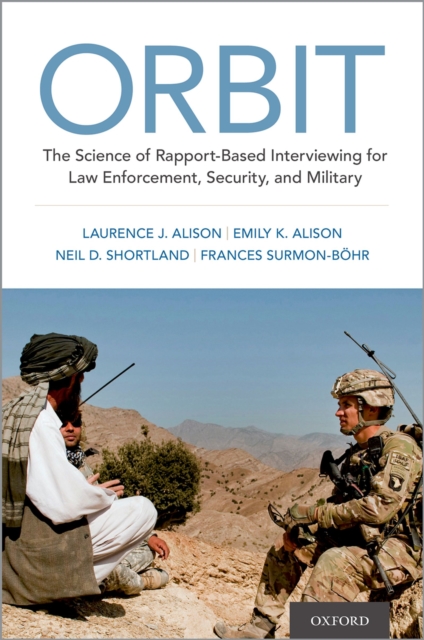
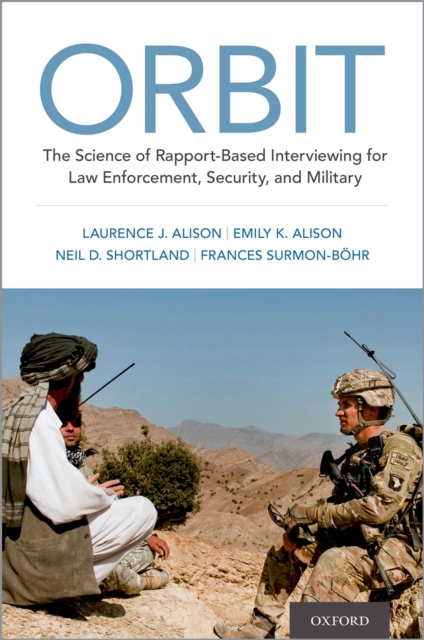
ORBIT (Observing Rapport Based Interpersonal Techniques) is an approach to interviewing high-value detainees, encompassing not only analysis and research into the methodology, but also a framework for training.
ORBIT (Observing Rapport Based Interpersonal Techniques) is an approach to interviewing high-value detainees, encompassing not only analysis and research into the methodology, but also a framework for training.
Between 1917 and 1920--from the Bolshevik Revolution to the definitive statement of American opposition to Bolshevik Russia--Soviets and Americans searched for ways to effect meaningful interactions between their two nations in the absence of formal diplomatic relations.
This work explores three key topics in social psychology: the manner in which labor unions shape organizational behavior, a relationship which has been effectively ignored in the literature; the organization of the union itself, a fascinating test case for the organizational psychologist; and the way in which theories and methods of organizational psychology may assist labor organizations in achieving their goals.
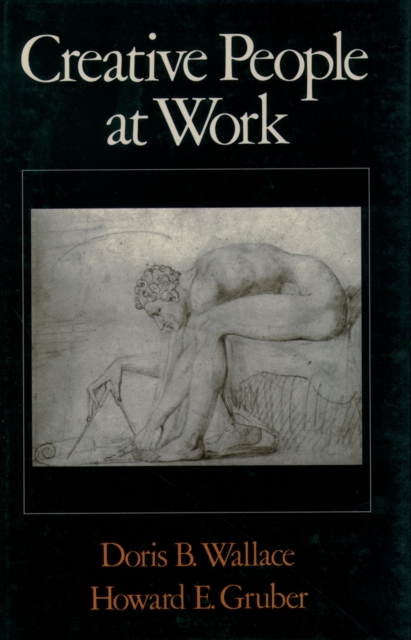
To demystify creative work without reducing it to simplistic formulas, Doris Wallace and Howard Gruber, one of the world's foremost authorities on creativity, have produced a unique book exploring the creative process in the arts and sciences.
Offering students and practitioners an applied approach to the subject, Organizational Culture in Action (OCA) walks them through a six-step model for analyzing an organization's culture.
Digital work has become increasingly common, taking a wide variety of forms including working from home, mobile work, gig work, crowdsourcing, and online volunteering.
Digital work has become increasingly common, taking a wide variety of forms including working from home, mobile work, gig work, crowdsourcing, and online volunteering.
In a globalized world, where multinational companies have extensive power over a huge number of other organizations and millions of people, building positive organizational performance requires global leaders with virtues.
Motivation in Public Management: The Call of Public Service joins a long-standing debate about what drives the behavior of government employees and others who are engaged in the public's business.
In a globalized world, where multinational companies have extensive power over a huge number of other organizations and millions of people, building positive organizational performance requires global leaders with virtues.
Although creativity is often considered an individual ability or activity, innovation in teams and organizations involves collaboration of people with diverse perspectives, knowledge, and skills.
Career Pathways: From School to Retirement brings together leading workforce researchers and practitioners to provide new perspectives on school-to-work and workplace career pathways.
Career Pathways: From School to Retirement brings together leading workforce researchers and practitioners to provide new perspectives on school-to-work and workplace career pathways.
The Oxford Handbook of Organizational Citizenship Behavior provides a broad and interdisciplinary review of state-of-the-art research on organizational citizenship behaviors (OCBs), and related constructs such as contextual performance, spontaneous organizational behavior, prosocial behavior, and proactive behavior in the workplace.
This volume is the definitive work on strategic 360 feedback, an approach to performance management that is characterized by: (1) having content derived from the organization's strategy and values; (2) creating data that is sufficiently reliable and valid to be used for decision making; (3) integration with talent management and development systems; and (4) being inclusive of all candidates for assessment.