In a sweeping synthesis of American history, Mary Ryan demonstrates how the meaning of male and female has evolved, changed, and varied over a span of 500 years and across major social and ethnic boundaries.
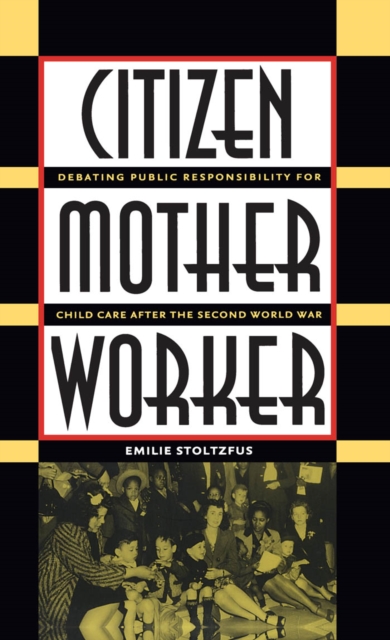
In 1996, Democratic president Bill Clinton and the Republican-controlled Congress ended welfare as we know it and trumpeted workfare as a dramatic break from the past.
Studienarbeit aus dem Jahr 2021 im Fachbereich Geschlechterstudien / Gender Studies, Note: 1,7, Georg-August-Universität Göttingen, Sprache: Deutsch, Abstract: Diese Ausarbeitung widmet sich nun der Frage ob, und wenn ja, wie sich die Vorstellungen und Denkfiguren innerhalb rechtspopulistischer und rechtsextremer Diskurse im Kontext von Geschlecht und Gender unterscheiden lassen können und welche Funktionen diese jeweils innerhalb ihrer Referenzräume erfüllen.
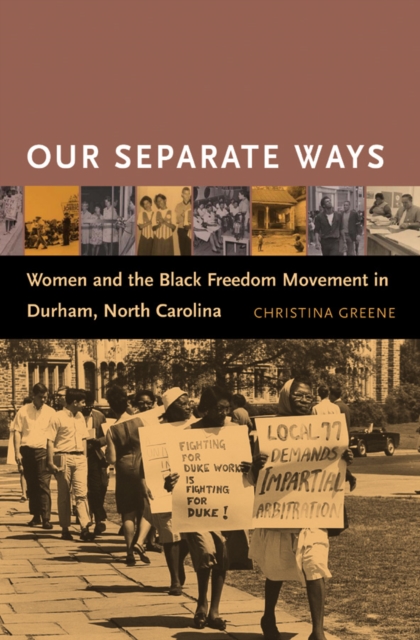
In an in-depth community study of women in the civil rights movement, Christina Greene examines how several generations of black and white women, low-income as well as more affluent, shaped the struggle for black freedom in Durham, North Carolina.
On a summer day in 1846 two years before the Seneca Falls convention that launched the movement for womans rights in the United States six women in rural upstate New York sat down to write a petition to their states constitutional convention, demanding equal, and civil and political rights with men.
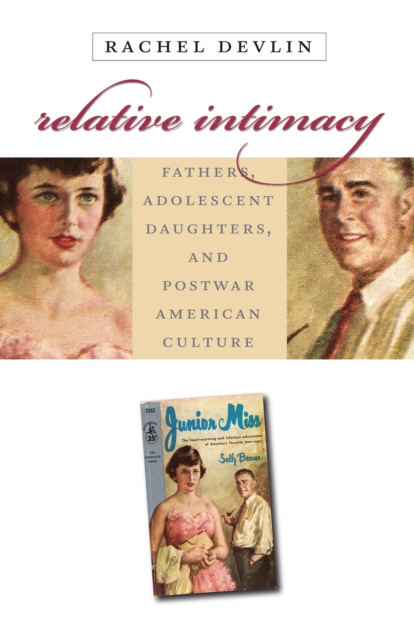
Celebrated as new consumers and condemned for their growing delinquencies, teenage girls emerged as one of the most visible segments of American society during and after World War II.
Thirteenth-century Sufi poet, mystic, and legal scholar Muhyi al-Din ibn al-'Arabi gave deep and sustained attention to gender as integral to questions of human existence and moral personhood.
A landmark work of womens history originally published in 1967, Gerda Lerners best-selling biography of Sarah and Angelina Grimk explores the lives and ideas of the only southern women to become antislavery agents in the North and pioneers for womens rights.
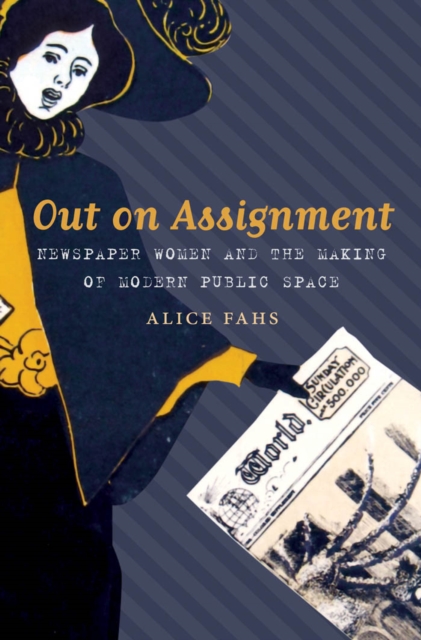
Out on Assignment illuminates the lives and writings of a lost world of women who wrote for major metropolitan newspapers at the start of the twentieth century.
Volume 3 of A History of the Book in America narrates the emergence of a national book trade in the nineteenth century, as changes in manufacturing, distribution, and publishing conditioned, and were conditioned by, the evolving practices of authors and readers.
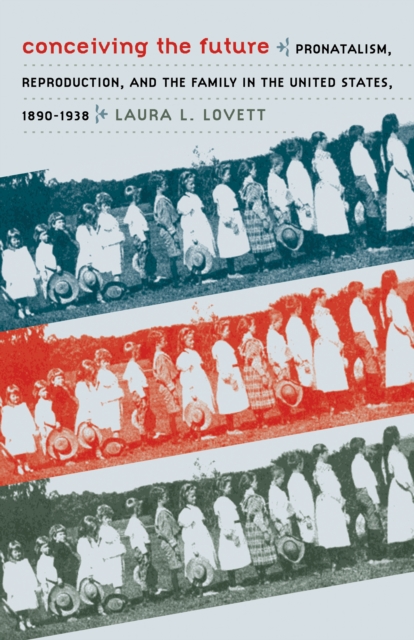
Through nostalgic idealizations of motherhood, family, and the home, influential leaders in early twentieth-century America constructed and legitimated a range of reforms that promoted human reproduction.
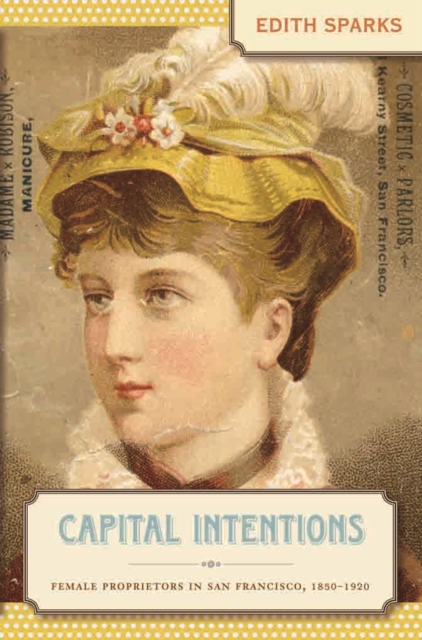
Late nineteenth-century San Francisco was an ethnically diverse but male-dominated society bustling from a rowdy gold rush, earthquakes, and explosive economic growth.
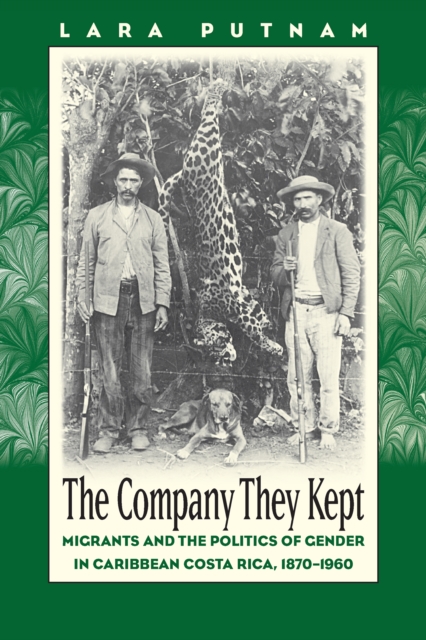
In the late nineteenth century, migrants from Jamaica, Colombia, Barbados, and beyond poured into Caribbean Central America, building railroads, digging canals, selling meals, and farming homesteads.
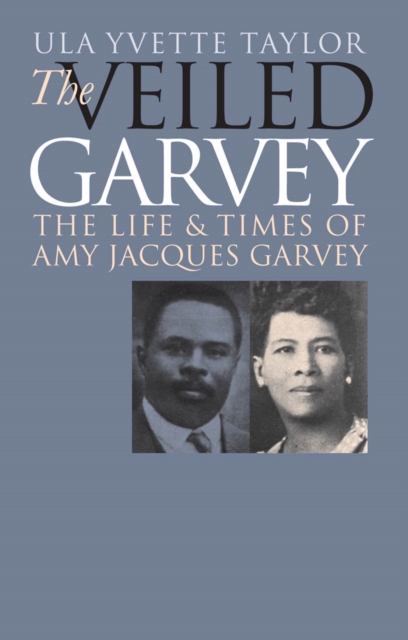
In this biography, Ula Taylor explores the life and ideas of one of the most important, if largely unsung, Pan-African freedom fighters of the twentieth century: Amy Jacques Garvey (18951973).
In Women and the Historical Enterprise in America, Julie Des Jardins explores American womens participation in the practice of history from the late nineteenth century through the end of World War II, a period in which history became professionalized as an increasingly masculine field of scientific inquiry.
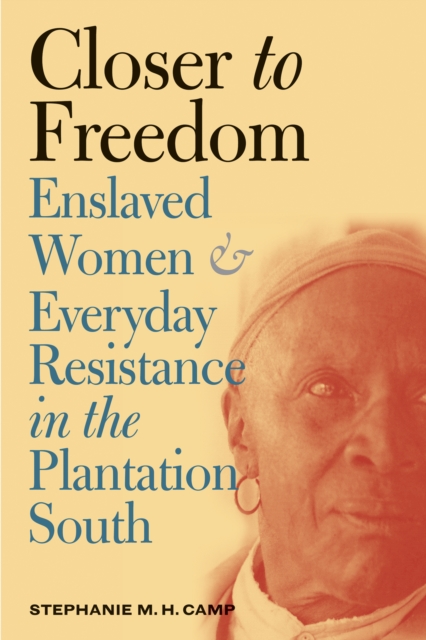
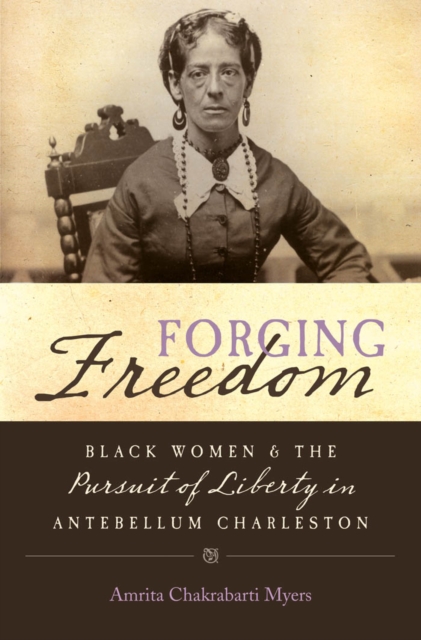
Although historians over the past two decades have written extensively on the plantation mistress and the slave woman, they have largely neglected the world of the working woman.
Women in public office are often assumed to make a difference for women, as women in other words, to represent their female constituents better than do their male counterparts.
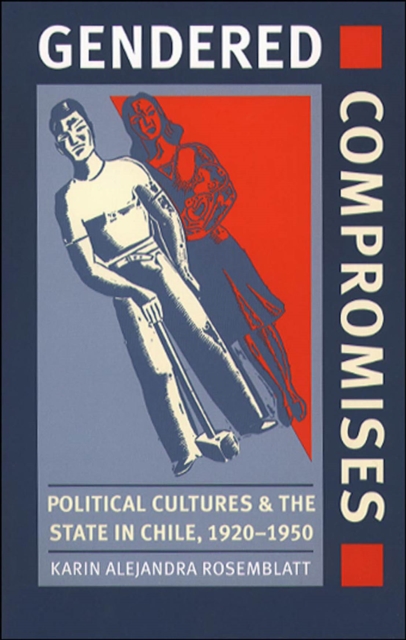
With this book, Karin Rosemblatt presents a gendered history of the politics and political compromise that emerged in Chile during the 1930s and 1940s, when reformist popular-front coalitions held power.
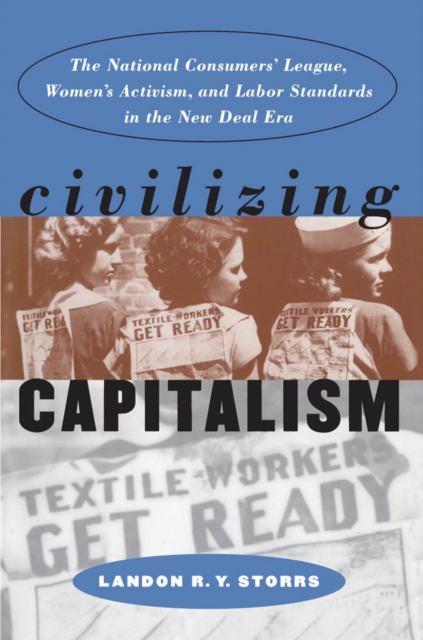
Offering fresh insights into the history of labor policy, the New Deal, feminism, and southern politics, Landon Storrs examines the New Deal era of the National Consumers' League, one of the most influential reform organizations of the early twentieth century.
This volume explores the lives and works of nine Northern women who wrote during the Civil War period, examining the ways in which, through their writing, they engaged in the national debates of the time.
Offering fresh insights into the history of labor policy, the New Deal, feminism, and southern politics, Landon Storrs examines the New Deal era of the National Consumers' League, one of the most influential reform organizations of the early twentieth century.
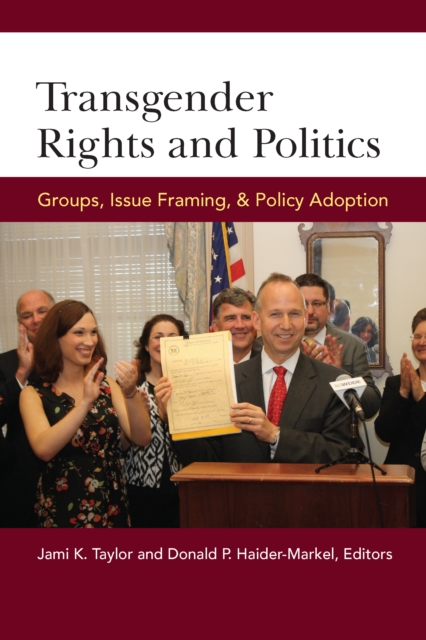
To date, media and scholarly attention to gay politics and policy has focused on the morality debates over sexual orientation and the legal aspects of rights for non-heterosexuals.
Late nineteenth-century San Francisco was an ethnically diverse but male-dominated society bustling from a rowdy gold rush, earthquakes, and explosive economic growth.
Through nostalgic idealizations of motherhood, family, and the home, influential leaders in early twentieth-century America constructed and legitimated a range of reforms that promoted human reproduction.
In the late nineteenth century, migrants from Jamaica, Colombia, Barbados, and beyond poured into Caribbean Central America, building railroads, digging canals, selling meals, and farming homesteads.
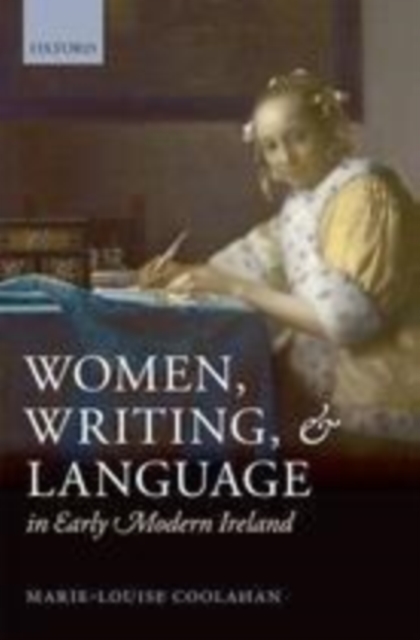
This book examines writing in English, Irish, and Spanish by women living in Ireland and by Irish women living on the continent between the years 1574 and 1676.
A profound, compelling argument for abolition feminismto protect criminalized survivors of gender-based violence, we must dismantle the carceral system.
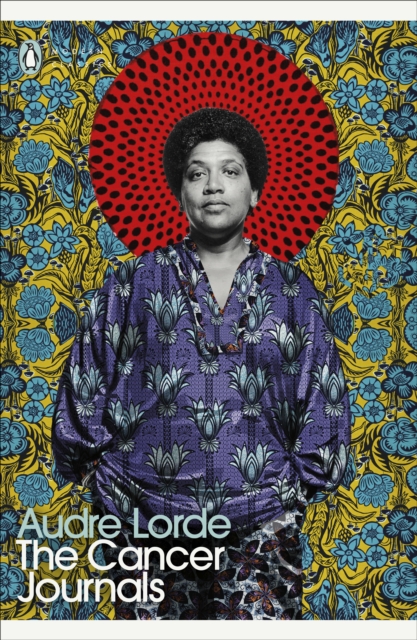
'A brave, beautiful book that could double as a handbook to accompany anyone on their journey through cancer' Jackie Kay, New StatesmanThe Cancer Journals is an intimate, poetic and invigorating account of the experience of breast cancer, from biopsy to mastectomy, told by the great feminist and activist Audre Lorde.
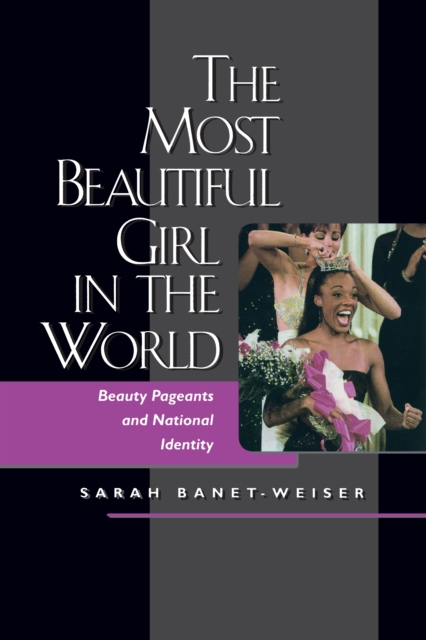
Sarah Banet-Weiser complicates the standard feminist take on beauty pageants in this intriguing look at a hotly contested but enduringly popular American ritual.