Volume 1: Theories, Methods and Ideas explores the mobility of ideas through time and space and how interdisciplinary theories and methodological approaches used in mobilities studies can be profitably utilised within the humanities and social sciences.
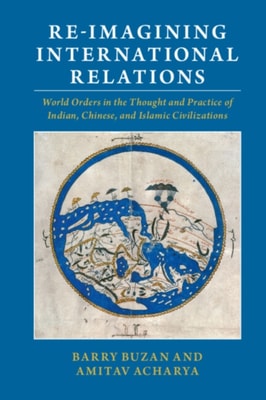
A novel introduction to the thought and practice of international relations from premodern India, China and the Islamic world, and how it relates to modern IR.
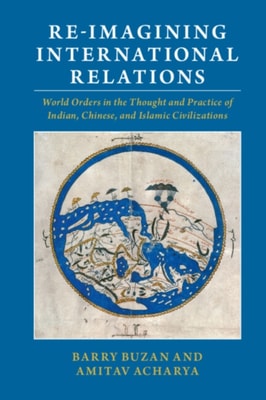
A novel introduction to the thought and practice of international relations from premodern India, China and the Islamic world, and how it relates to modern IR.
Perspectivism: A Contribution to the Philosophy of the Social Sciences advances the philosophy of perspectivism, showing how its capacity to assess competing views of a particular concept by approaching them as different 'sides' of a multi-dimensional object supports a concept of 'adequate' rather than 'absolute' truth.
Perspectivism: A Contribution to the Philosophy of the Social Sciences advances the philosophy of perspectivism, showing how its capacity to assess competing views of a particular concept by approaching them as different 'sides' of a multi-dimensional object supports a concept of 'adequate' rather than 'absolute' truth.
Feminist approaches to international law have been mischaracterised by the mainstream of the discipline as being a niche field that pertains only to women's lived experiences and their participation in decision-making processes.
Feminist approaches to international law have been mischaracterised by the mainstream of the discipline as being a niche field that pertains only to women's lived experiences and their participation in decision-making processes.
Liminal Politics in the New Age of Disease explores the phenomenon of 'liminal politics': an open-ended 'state of exception' in which normal rules no longer apply, and things which were previously unimaginable become possible - even appearing remarkably quickly to represent a 'new normal'.
Liminal Politics in the New Age of Disease explores the phenomenon of 'liminal politics': an open-ended 'state of exception' in which normal rules no longer apply, and things which were previously unimaginable become possible - even appearing remarkably quickly to represent a 'new normal'.
Ludic Ubuntu Ethics develops a positive peace vision, taking a bold look at African and Indigenous justice practices and proposes new relational justice models.
Ludic Ubuntu Ethics develops a positive peace vision, taking a bold look at African and Indigenous justice practices and proposes new relational justice models.
This book takes the form of intellectual histories of eight major representative figures of the twentieth century, who inherited and responded to the spiritual problematic left by Nietzsche.