Water and Environment addresses imbalances between availability and demand, degradation of surface and ground waters, inter-sectorial, inter-regional and international competition in water management.
Faced with challenges of resource scarcity and environmental degradation, it is important to adopt innovative farming systems that maximize resource efficiency while protecting the environment.
This volume offers a detailed treatise on agricultural irrigation, including information on water quantities, sewage, reservoirs, and various methods of irrigation.
This study on sustainable irrigation development identified growing markets for irrigated products as an important driving force behind the expansion of irrigation which has given rise to new technologies.
As the world's population increases and the demand for water increases apace there is a rising demand for information concerning the reuse of wastewater, particularly for the irrigation of key food crops worldwide.
As the world's population increases and the demand for water increases apace there is a rising demand for information concerning the reuse of wastewater, particularly for the irrigation of key food crops worldwide.
Increases in populations have created an increasing demand for food crops while increases in demand for biofuels have created an increase in demand for fuel crops.
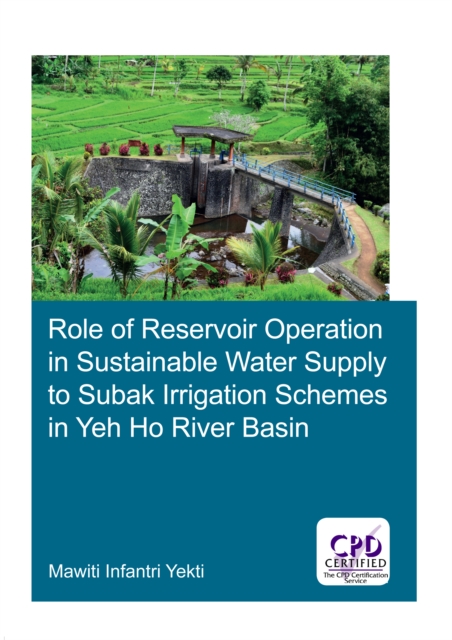
Quantitative research with respect to the combination of engineering and socialcultural- religious aspects based on the Tri Hita Karana philosophy in Subak irrigation schemes is original in the field of land and water development.
The agri-food chain consumes about one third of the world's energy production with about 12% of it for crop production and nearly 80% for processing, distribution, retail, preparation and cooking.
The agri-food chain consumes about one third of the world's energy production with about 12% of it for crop production and nearly 80% for processing, distribution, retail, preparation and cooking.
Quantitative research with respect to the combination of engineering and socialcultural- religious aspects based on the Tri Hita Karana philosophy in Subak irrigation schemes is original in the field of land and water development.
Advances in Soil and Water Conservation provides an in-depth, scholarly treatment of the most important developments and influences shaping soil and water conservation in the last 50 years.
Advances in Soil and Water Conservation provides an in-depth, scholarly treatment of the most important developments and influences shaping soil and water conservation in the last 50 years.
This volume covers such areas in the field of soil salinity and water quality as: origin and distribution of salt-affected soils; management of alkali soils; quality criteria of irrigation water; wastewaters as a source of irrigation; and grasses and trees in the management of salt-affected soils.
This volume covers such areas in the field of soil salinity and water quality as: origin and distribution of salt-affected soils; management of alkali soils; quality criteria of irrigation water; wastewaters as a source of irrigation; and grasses and trees in the management of salt-affected soils.
Biotreatment of Agricultural Wastewater is based on a symposium held in Lake Arrowhead, California in 1986, supported by a coalition of federal, state, and local agencies, and sponsored by the engineering firm of Swanson/Oswald Associates (Lafayette, California) and the research and development firms of Aquasearch, Inc.
Biotreatment of Agricultural Wastewater is based on a symposium held in Lake Arrowhead, California in 1986, supported by a coalition of federal, state, and local agencies, and sponsored by the engineering firm of Swanson/Oswald Associates (Lafayette, California) and the research and development firms of Aquasearch, Inc.
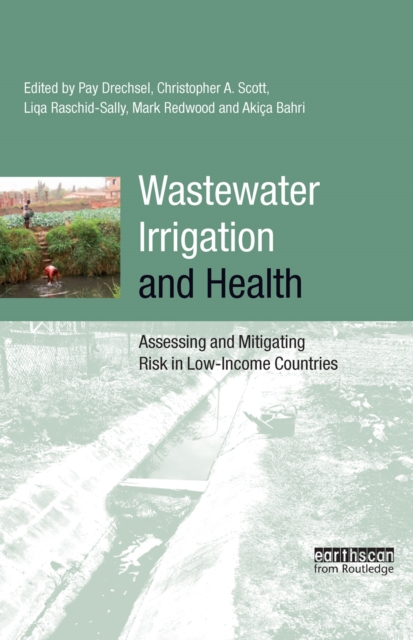
In most developing countries wastewater treatment systems are hardly functioning or have a very low coverage, resulting in large scale water pollution and the use of very poor quality water for crop irrigation especially in the vicinity of urban centres.
In most developing countries wastewater treatment systems are hardly functioning or have a very low coverage, resulting in large scale water pollution and the use of very poor quality water for crop irrigation especially in the vicinity of urban centres.
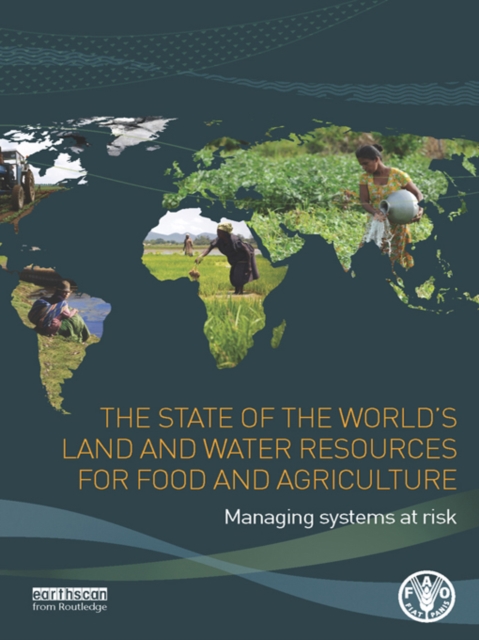
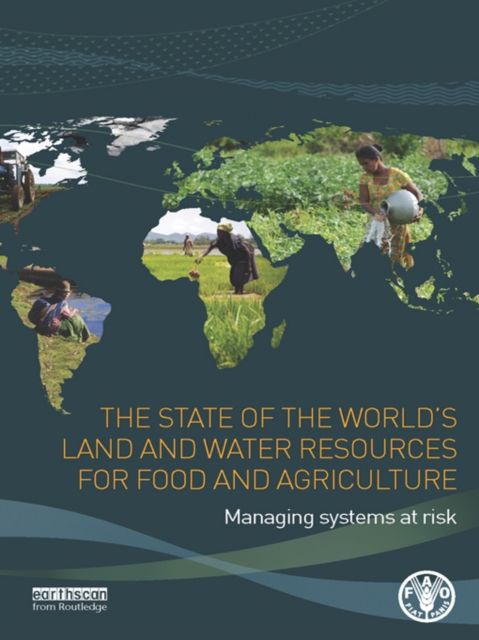
The State of the World's Land and Water Resources for Food and Agriculture is FAO's first flagship publication on the global status of land and water resources.
The State of the World's Land and Water Resources for Food and Agriculture is FAO's first flagship publication on the global status of land and water resources.
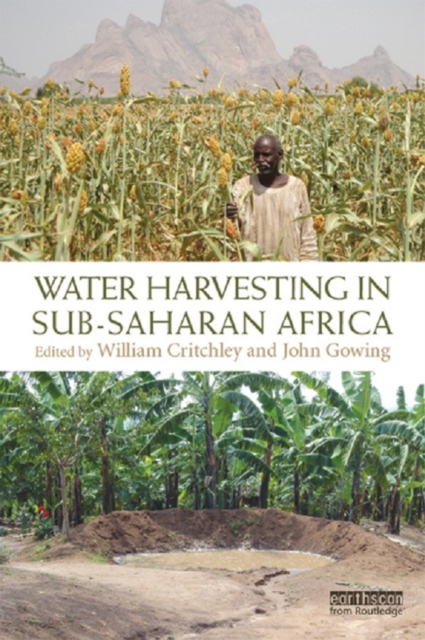
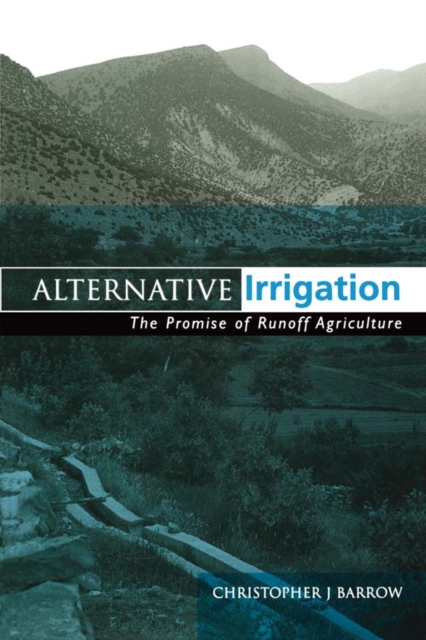
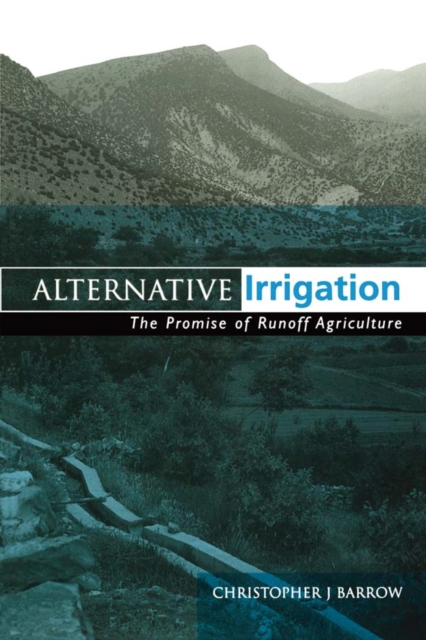
An introduction to runoff agriculture - a form of agricultural irrigation - this text describes how the use of surface and subsurface water, often overlooked and wasted, enables both small farmers and commercial agriculturists to improve yields and the security of harvest, even in harsh and remote environments.
An introduction to runoff agriculture - a form of agricultural irrigation - this text describes how the use of surface and subsurface water, often overlooked and wasted, enables both small farmers and commercial agriculturists to improve yields and the security of harvest, even in harsh and remote environments.
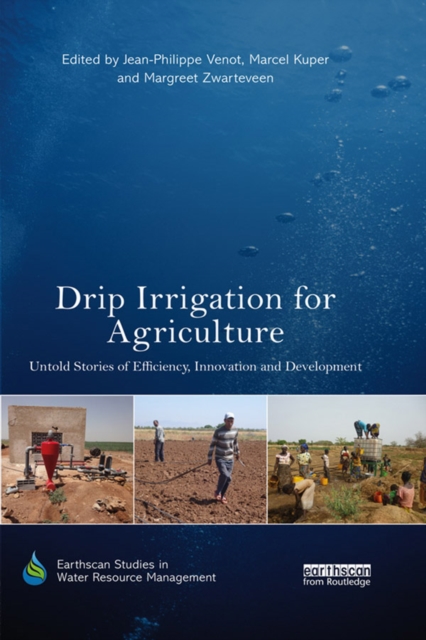
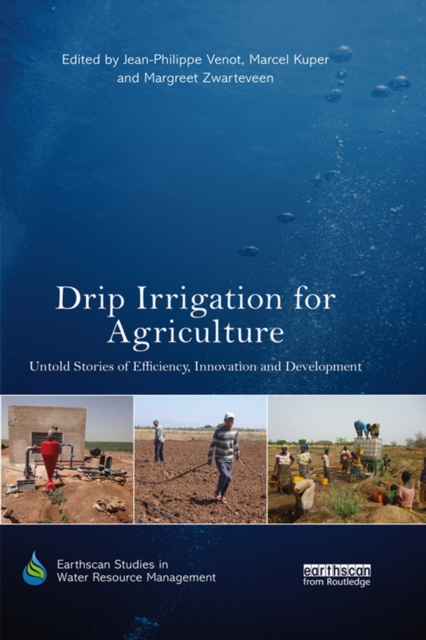
Initially associated with hi-tech irrigated agriculture, drip irrigation is now being used by a much wider range of farmers in emerging and developing countries.
Initially associated with hi-tech irrigated agriculture, drip irrigation is now being used by a much wider range of farmers in emerging and developing countries.
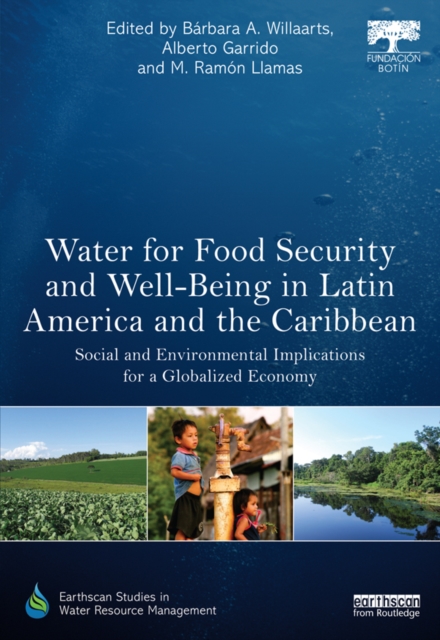
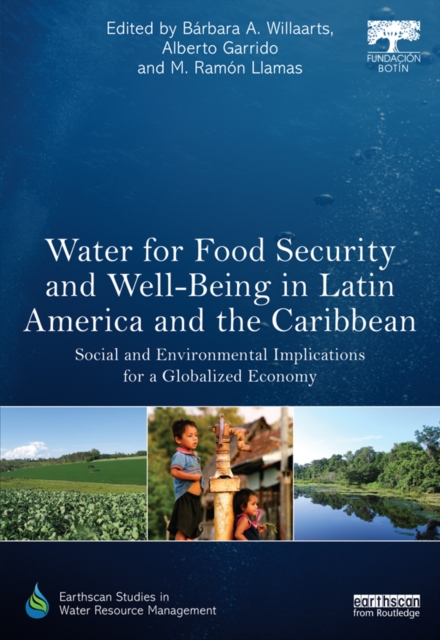
This volume provides an analytical and facts-based overview on the progress achieved in water security in Latin America and the Caribbean (LAC) region over during the last decade, and its links to regional development, food security and human well-being.
This volume provides an analytical and facts-based overview on the progress achieved in water security in Latin America and the Caribbean (LAC) region over during the last decade, and its links to regional development, food security and human well-being.