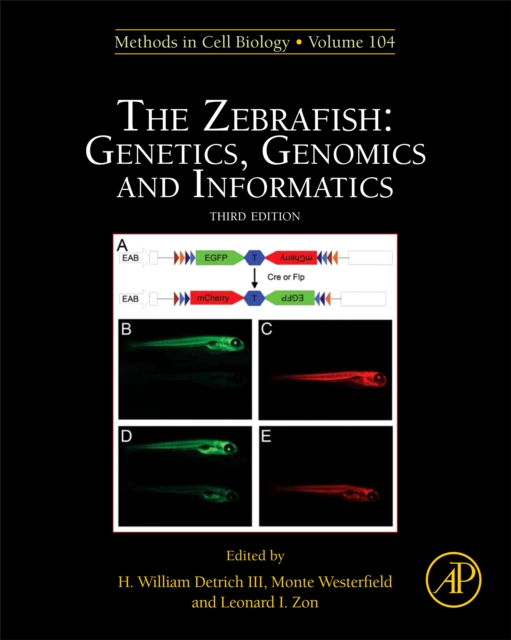
In the last 20 years, research activity using the zebrafish Danio rerio has increased dramatically, due in part to the ease of breeding and raising them, their genetic tractability, embryonic accessibility, and their imaging potential.
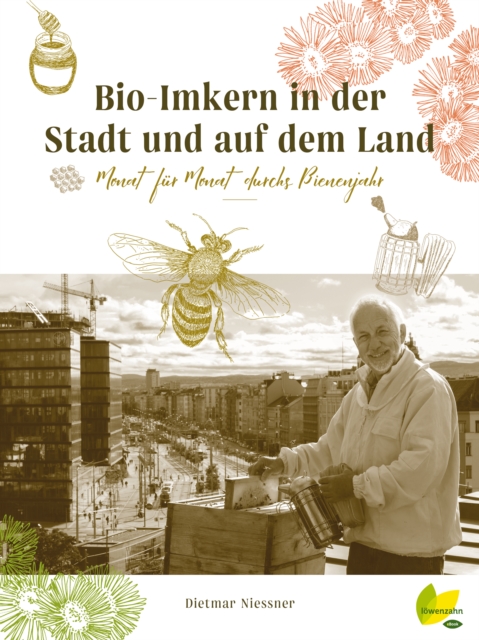
DEM GESCHMACK DES HONIGS AUF DER SPURWenn die Bäume im Frühling in voller Blüte stehen, zieht Wanderimker Johannes Gruber mit seinen Bienenvölkern von Weide zu Weide und fängt den Geschmack der Landschaft ein.
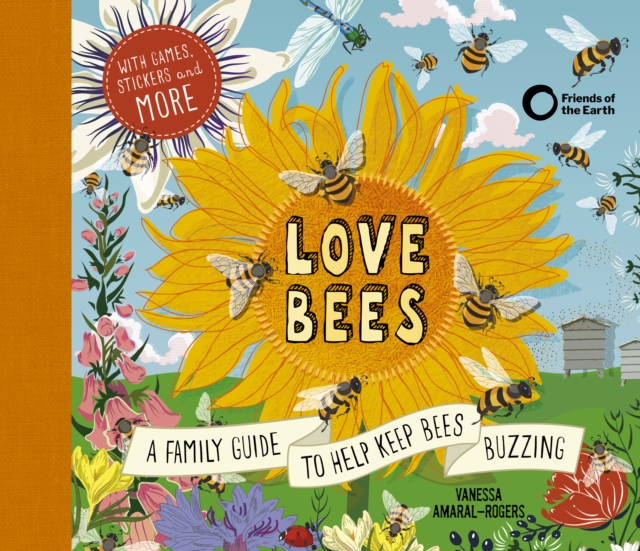
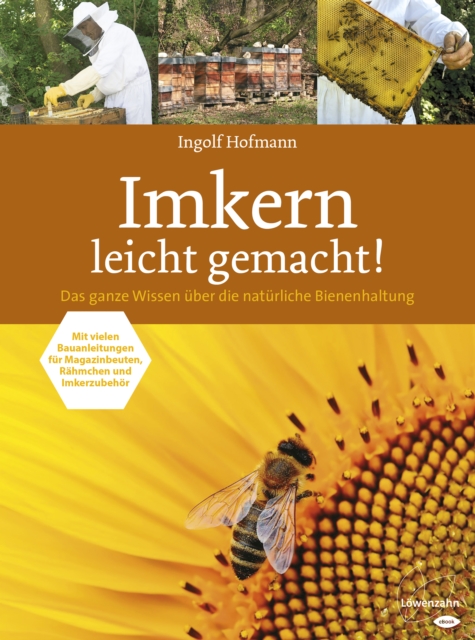
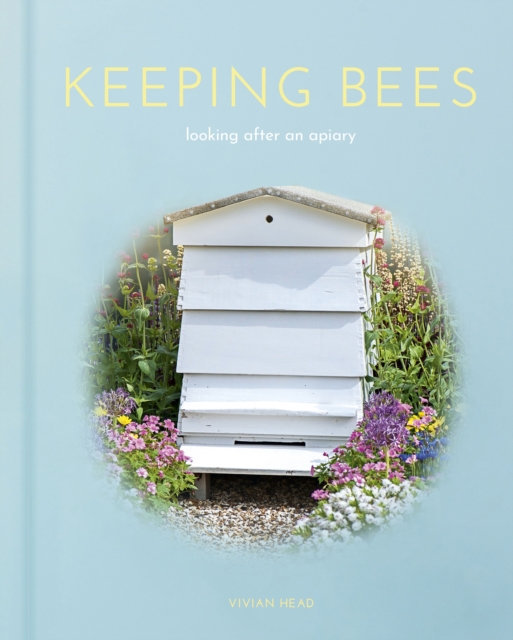
Bees are an integral part of our environment, and by keeping your own you can contribute to their survival as well as ensuring a constant supply of tasty, nutritious honey.
Essential Oils: Extraction, Characterization and Applications covers sixteen essential oils from different herbal and aromatic plants, including production, composition and extraction techniques such as distillation, chemistry and properties, characterization and applications.
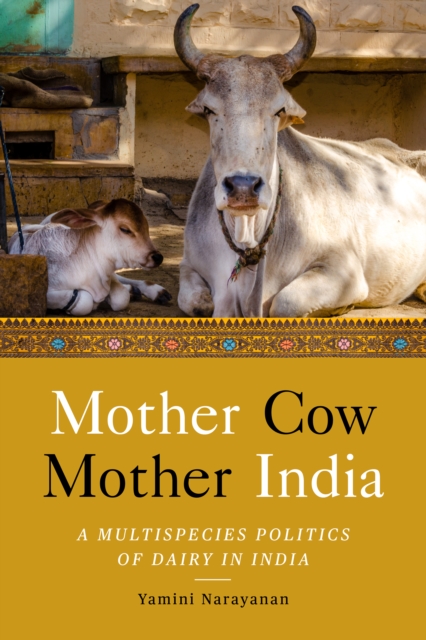
India imposes stringent criminal penalties, including life imprisonment in some states, for cow slaughter, based on a Hindu ethic of revering the cow as sacred.
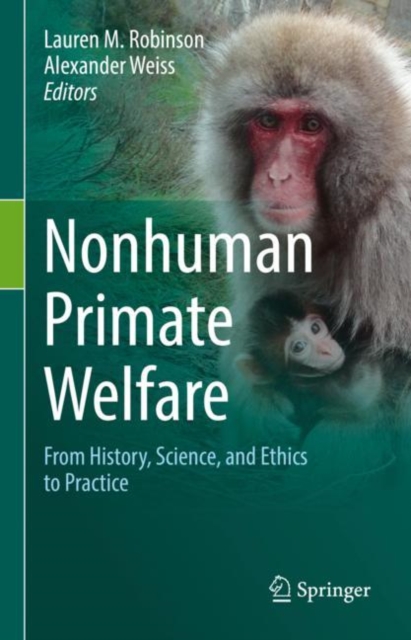
The field of primatology has expanded substantially in the last twenty years, particularly with regard to studies of primates in human-altered landscapes.
The 2nd edition of this comprehensive book provides one of the most complete overviews of the aquatic beetles in the family Dytiscidae, also known as predaceous diving beetles.
This book shows how and why quality assurance programmes should be implemented in laboratory rodent facilities to monitor animal health and genetic status.
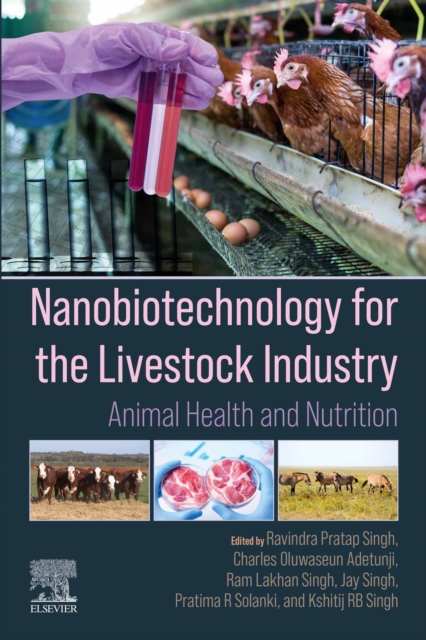
Nanobiotechnology for the Livestock Industry: Animal Health and Nutrition delivers a multidisciplinary reference of nanobiotechnology applications in various sectors, including farming practices, healthcare and breeding practices, market and economic analysis/benefits, biosafety, regulation, and more.
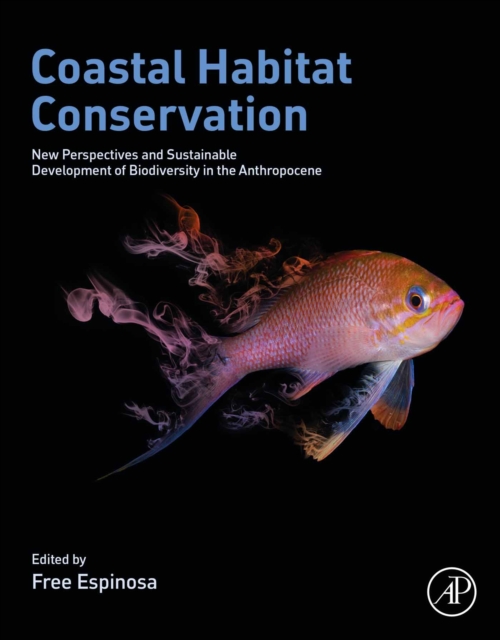
Coastal Habitat Conservation: New Perspectives and Sustainable Development of Biodiversity in the Anthropocene offers the latest research and approaches to biodiversity conservation in coastal areas.
Von Gemüsebeeten, Ziegen und Einmachgläsern: dein Weg in die SelbstversorgungSehnst du dich danach, jeden Morgen eine Runde durch den Garten zu drehen, knallrote Tomaten und frische Kräuter zu ernten und sie gleich auf eine krosse, selbstgemachte Butterbrotscheibe zu bugsieren?
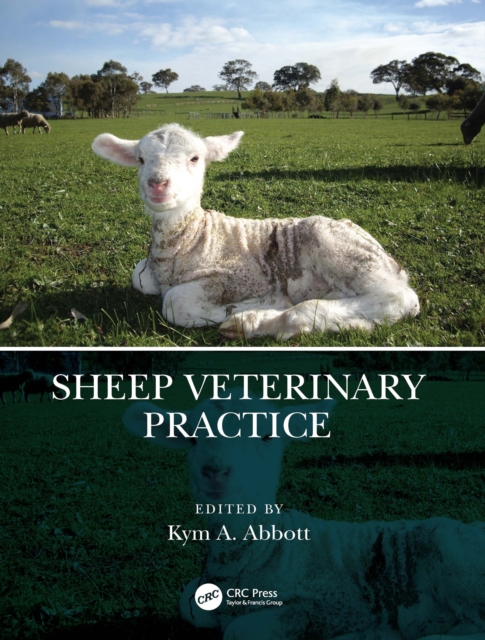
Sheep Veterinary Practice is the ideal reference for veterinarians in farm animal practice, veterinary and animal science students, agriculturalists and sheep producers.
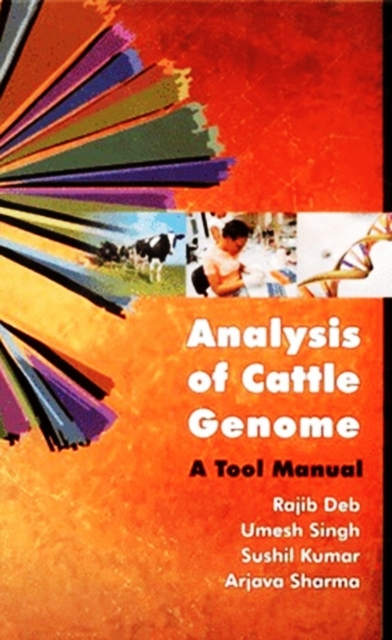
This manual will be helpful for the scientific community and researchers as the concept of genomic research in cattle has been particularly described vividly which will be helpful for them in applying new sequencing and mapping technologies in the field of research on cattle.
Raise a gaggle of geese, the unsung heroes of the small farm While chickens preen in the spotlight, geese are the historic unsung heroes of small farms and homesteads.
Goats have been used for their dairy products for hundreds of years, providing a wide array of milk, butter, yogurt, and cheeses that provide the unique flavors that make Mediterranean cuisine so special.
The first book to compile the clinical signs associated with deficiencies, toxicities, imbalances, or exposures to minerals, trace elements, and rare earth elements in humans and animal species, Clinical Signs in Humans and Animals Associated With Minerals, Trace Elements, and Rare Earth Elements aims to increase awareness to improve diagnosis and to encourage further investigation based on comparative data.
Most of the students go through a large number of text books as well as reference books, to memorize all the information given there is a difficult task, keeping this in mind, the book keynotes of livestock production management and veterinary extension education is being compiled by referring many books and periodical and journals.
The first modern scholarly synthesis of animal domesticationAcross the globe and at different times in the past millennia, the evolutionary history of domesticated animals has been greatly affected by the myriad, complex, and diverse interactions humans have had with the animals closest to them.
The diploma courses in animal husbandry have been introduced in almost all agriculture and veterinary universities of India including Indian Council of Agriculture Research (ICAR) institutions.
This volume on genetics, genomics, and informatics, will cover new technologies in forward and reverse genetics, transgenesis, the zebrafish genome and mapping technologies, informatics and comparative genomics, and Infrastructure.
This Brief discusses potential alternative sources for feeds in aquaculture fish diet, and explains that the future of aquaculture's development is dependent on the costs of fishmeal and fish oil.
This volume presents a reconstruction of the formation of the environmental conditions and biota in the present-day Baltic Sea area during the last glacial cycle and thereafter under the influence of extra-terrestrial, climatic and geological factors.
The aim of this book is to systematize and discuss population genetic studies of freshwater fish in a region that harbors the greatest diversity of species among all inland water ecosystems.
This book is the first to present in a systematic manner the application of game theory to fisheries management at both international and national levels.
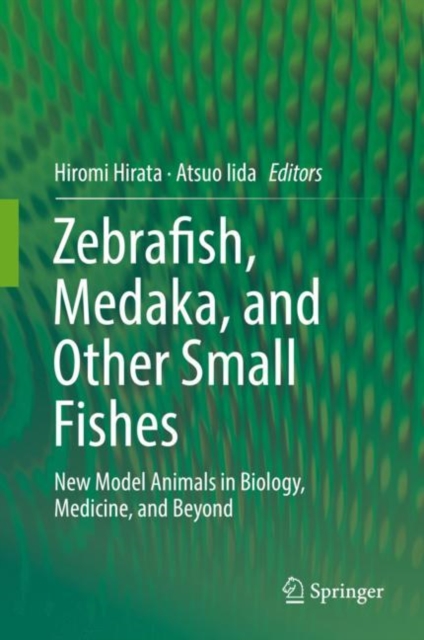
This book provides cutting-edge studies and technologies using small fishes, including zebrafish, medaka, and other fishes as new model animals for molecular biology, developmental biology, and medicine.
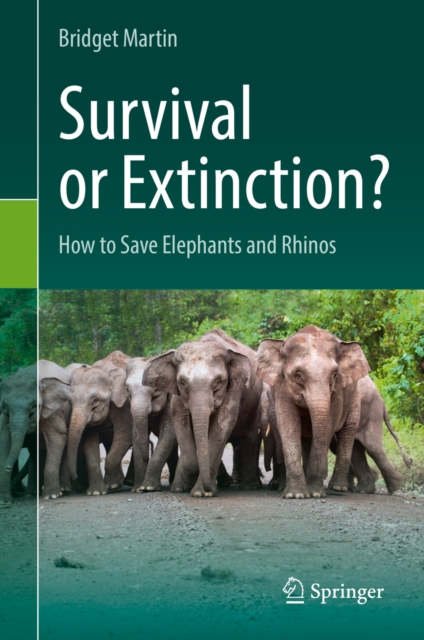
Written with passion for anyone interested in seeing an end to the illegal trade in elephant ivory and rhino horn, this book shows how, by working together, people all over the world who care about these animals are gradually bringing about change for the better.
This book, published in two volumes, provides the most comprehensive review of lamprey biology since Hardisty and Potter's "e;The Biology of Lampreys"e; published more than 30 years ago.
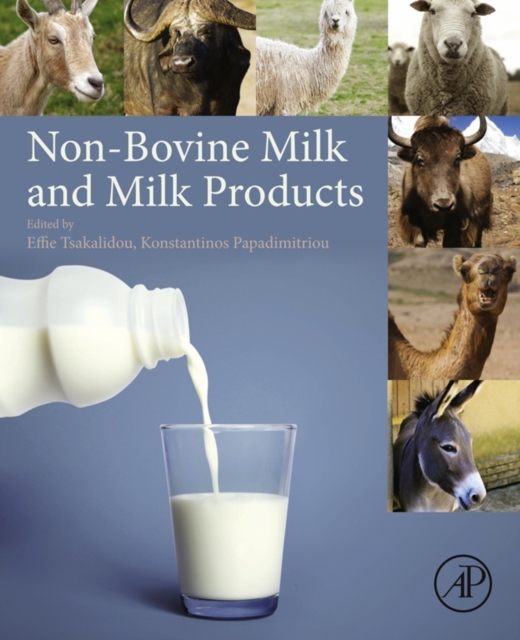
Non-Bovine Milk and Milk Products presents a compiled and renewed vision of the knowledge existing as well as the emerging challenges on animal husbandry and non-cow milk production, technology, chemistry, microbiology, safety, nutrition, and health, including current policies and practices.
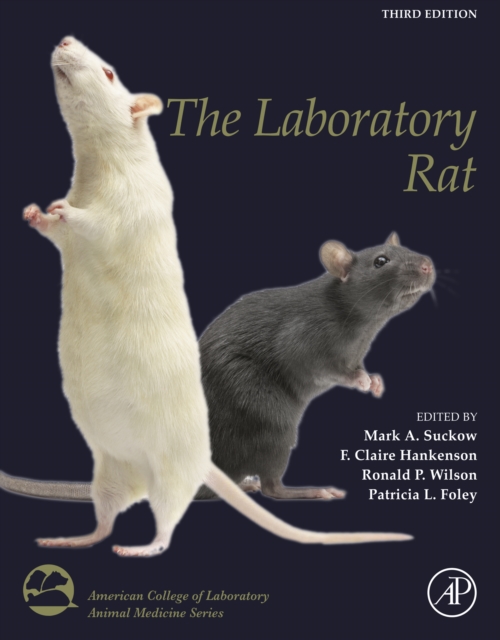
The third edition of The Laboratory Rat features updated information on a variety of topics, including rats as research models for basic and translational research in areas such as genomics, alcoholism, diabetes, metabolic syndrome, obesity, neuroscience, spinal cord injury, traumatic brain injury, regenerative medicine, and infectious disease.
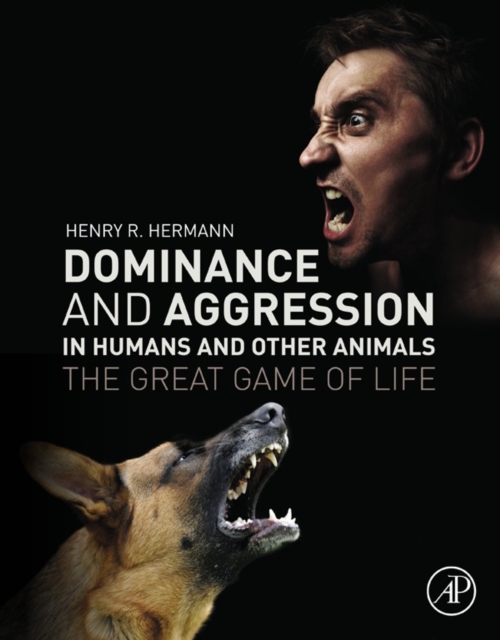
Dominance and Aggression in Humans and Other Animals: The Great Game of Life examines human nature and the influence of evolution, genetics, chemistry, nurture, and the sociopolitical environment as a way of understanding how and why humans behave in aggressive and dominant ways.
The Endocannabinoid System: Genetics, Biochemistry, Brain Disorders, and Therapy examines the cellular, biochemical, genetic, and therapeutic aspects of the endocannabinoid system.
Advances in the Study of Behavior was initiated over 40 years ago to serve the increasing number of scientists engaged in the study of animal behavior.