During the past five years increased awareness of environmental contamination by nitroaromatic compounds has led to a dramatic increase in research on their biodegradation.
This book is based on an international meeting organized by the University of Tokyo and the University of Rochester, and is published as one belonging to the series of Rochester International Conferences in Environmental Toxicity.
Biochemistry of Halogenated Organic Compounds has been written as a general reference source for researchers in several related areas, including organic chemists, medicinal chemists, pharmacologists, toxicologists, and medical researchers.
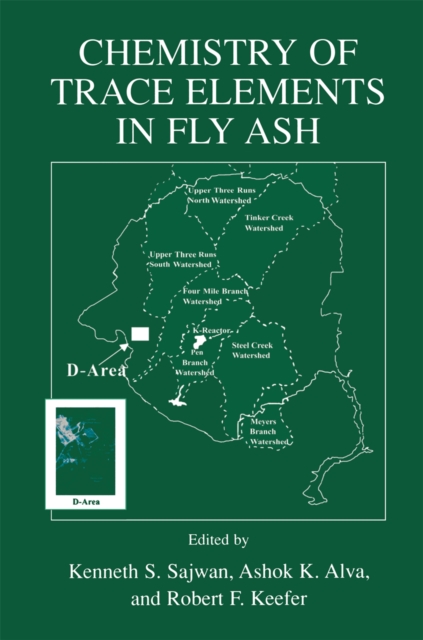
The accumulation of large amounts of ash from fossil fuel combustion for electric power plant generation is becoming a major environmental concern in the United States.
This book offers a comprehensive and authoritative review of the key environmental areas and compartments where fragrances have been found and discusses the current challenges of their presence and potential hazards.
The use of biotechnical processes in control of environmental pollution and in haz- ardous waste treatment is viewed as an advantageous alternative or adduct to phys- ical chemical treatment technologies.
As we enter the nineties, there is worldwide awareness that the future of all mankind is inexorably linked by the world we share, and its response to man's activities.
Contained in this volume are the proceedings of the international conference on the "e;Genetic Toxicology of Complex Mixtures,"e; held from July 4-7, 1989, in Washington, DC.
The elements in group 17 (VIlA) of the periodic table of elements-fluorine (F), chlorine (CI), bromine (Br), and iodine (I)-were designated by Berzelius as "e;halogens"e; (Greek hals, sea salt; gennao, I beget) because of their propensity to form salts.
As society has become increasingly aware of the potential threats to human health due to exposures to toxic chemicals in the environment and the workplace and in consumer products, it has placed increased demands upon the still-fledgling science of toxicology.
This series is dedicated to serving the growing community of scholars and practitioners concerned with the principles and applications of environmental management.
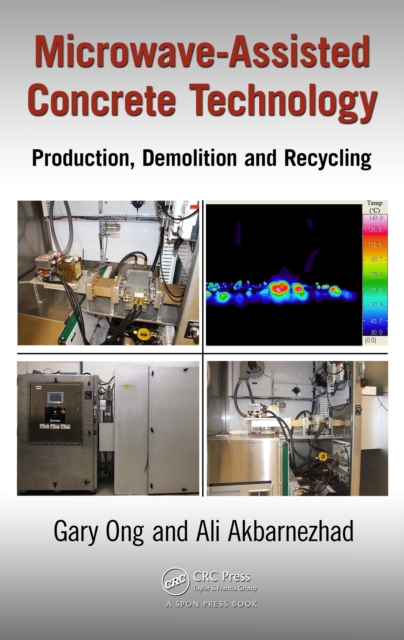
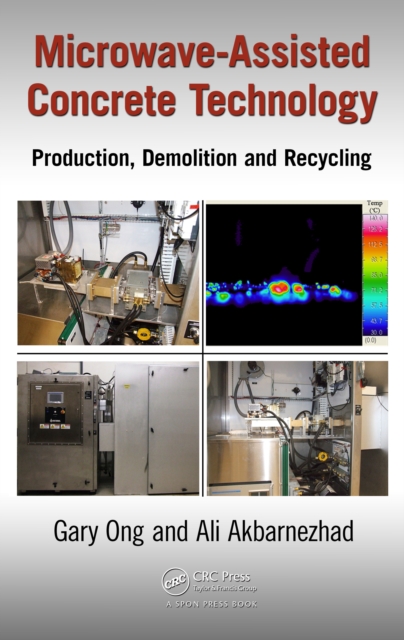
Microwave Technology: A Powerful TechniqueThe first book to combine microwave-assisted heating technology and concrete technology (covering production, demolition, and recycling), Microwave-Assisted Concrete Technology: Production, Demolition and Recycling explains the underlying concepts and fundamentals involved in the microwave-assisted heating of concrete.
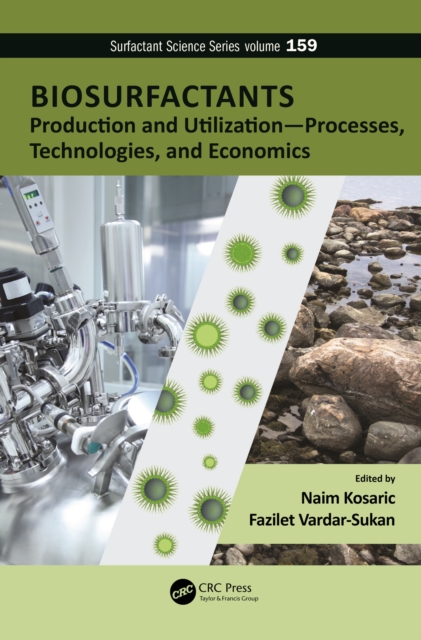
Stresses the Potential Applications of Biosurfactants in Various IndustriesEnvironmental concerns and a demand for sustainable chemical production have become important issues in recent years.
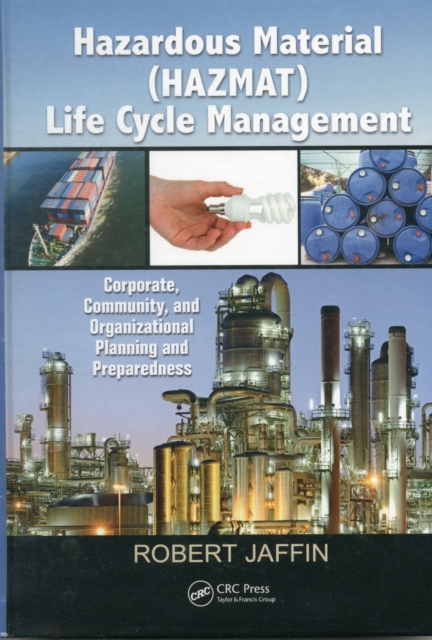
It is well known that fluorescent light bulbs and consumer appliances such as televisions, computers, and monitors contain mercury, dangerous chemicals, and other harmful components.
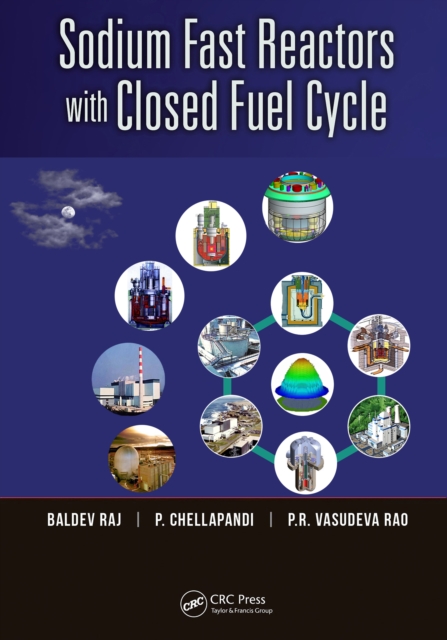
Sodium Fast Reactors with Closed Fuel Cycle delivers a detailed discussion of an important technology that is being harnessed for commercial energy production in many parts of the world.
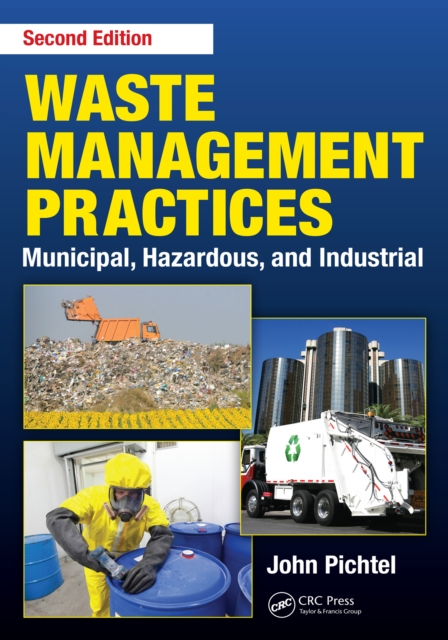
Waste Management Practices: Municipal, Hazardous, and Industrial, Second Edition addresses the three main categories of wastes (hazardous, municipal, and "e;special"e; wastes) covered under federal regulation outlined in the Resource Conservation and Recovery Act (RCRA), an established framework for managing the generation, transportation, treat
Microwave Technology: A Powerful TechniqueThe first book to combine microwave-assisted heating technology and concrete technology (covering production, demolition, and recycling), Microwave-Assisted Concrete Technology: Production, Demolition and Recycling explains the underlying concepts and fundamentals involved in the microwave-assisted heating of concrete.
This book contains the findings of a study, which examines the potential energy savings available to the Commission of the European Communities through the recovery of selected waste materials.
The private sector involvement in public service is intended to achieve efficiency gain and better service quality through increasing private sector finance and expertise.
As computers become faster, use more energy, and older models become obsolete more quickly, the question is often asked: What can the engineering and computer science community do to make computing greener?
During late 1978, a symposium entitled "e;Science Underlying Radioactive Waste Management"e; was one component of the Annual Meet- ing of the Materials Research Society held in Boston, Massachusetts.
Proceedings of the International Workshop, Thermal Solid Waste Utilization in Regular and Industrial Facilities, held in Kazimierz Dolny, Poland, November 28-30, 1999.
The accumulation of large amounts of ash from fossil fuel combustion for electric power generation is becoming a major environmental concern in the United States.
In 1949, when the North Atlantic Treaty was ratified, one of its articles explicitly noted '1hat member countries should contribute towards the further development of peaceful and friendly international relations.
Over the last decade and a half, an environmental conference series has emerged to become one of the major international forums on the chemical aspects of environmental protection.
Chemical pretreatment of nuclear wastes refers to the sequence of separations processes used to partition such wastes into a small volume of high-level waste for deep geologic disposal and a larger volume of low-level waste for disposal in a near-surface facility.