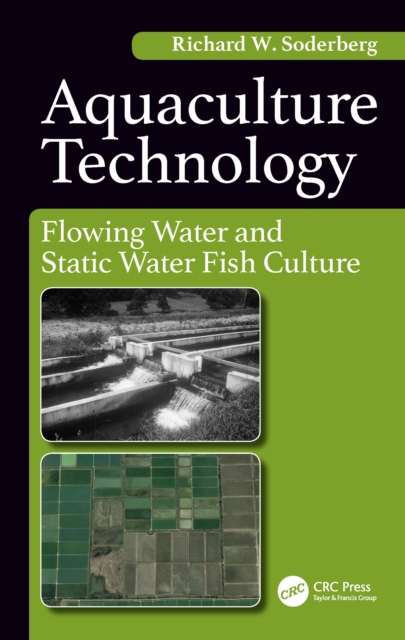
Key features: Takes a quantitative approach to the science of aquaculture Covers the complete landscape of the scientific basis of fish culture Promotes problem solving and critical thinking Includes sample problems at the end of most chapters Guides the reader through the technical considerations of intensive aquaculture, including fish growth rates, hydraulic characteristics of fish rearing units, oxygen consumption rates in relation to oxygen solubility and fish tolerance of hypoxia, and water reconditioning by reaeration and ammonia filtration.
Dioxin - Environmental Fate and Health/Ecological Consequences offers a unique, and comprehensive coverage of dioxins and their congeners once they are released to the environment.
Dioxin - Environmental Fate and Health/Ecological Consequences offers a unique, and comprehensive coverage of dioxins and their congeners once they are released to the environment.
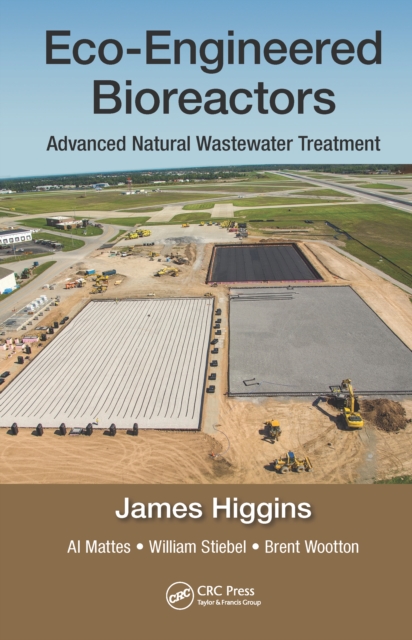
This book provides a comprehensive understanding of a highly innovative method of natural wastewater treatment using advanced in-groundbioreactors called Eco-Engineered Bioreactors (EEBs), and traces their evolution from the earliest aerated gravel bed versions once known as Engineered Wetlands (EWs) and now known as BREW Bioreactors (BBRs) all the way to today's wide slate of aerobic and anaerobic varieties.
This book provides a comprehensive understanding of a highly innovative method of natural wastewater treatment using advanced in-groundbioreactors called Eco-Engineered Bioreactors (EEBs), and traces their evolution from the earliest aerated gravel bed versions once known as Engineered Wetlands (EWs) and now known as BREW Bioreactors (BBRs) all the way to today's wide slate of aerobic and anaerobic varieties.
This volume provides in-depth coverage of environmental pollution sources, waste characteristics, control technologies, management strategies, facility innovations, process alternatives, costs, case histories, effluent standards, and future trends in the process industries.
This volume provides in-depth coverage of environmental pollution sources, waste characteristics, control technologies, management strategies, facility innovations, process alternatives, costs, case histories, effluent standards, and future trends in the process industries.
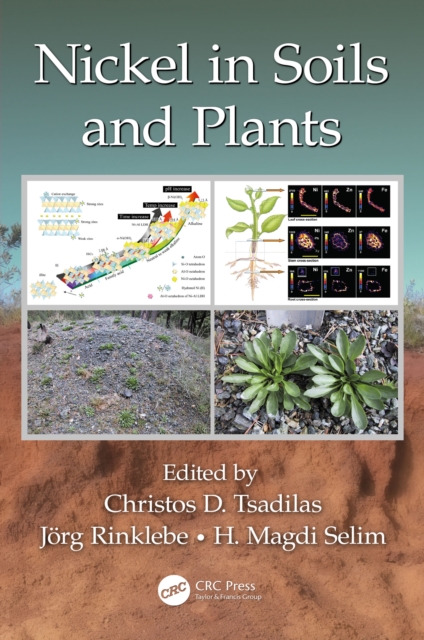
Phytoremediation aids to augment bioremediation as it uses broad range plants to remediate soil, sediment, surface water and ground water that have been contaminated with toxic metals, organic, pesticides and radionuclides.
Phytoremediation aids to augment bioremediation as it uses broad range plants to remediate soil, sediment, surface water and ground water that have been contaminated with toxic metals, organic, pesticides and radionuclides.
The enhanced biological removal of phosphorus (EBPR) is a popular process due to high removal efficiency, low operational costs, and the possibility of phosphorus recovery.
Exponential growth in population and improved standards of living demand increasing amount of freshwater and are putting serious strain on the quantity of naturally available freshwater worldwide.
On a global scale, sewage represents the main point-source of water pollution and is also the predominant source of nitrogen contamination in urban regions.
The assessment, remediation, and redevelopment of manufactured gas plant (MGP) sites pose a significant technical and financial challenge to successor property owners, including municipalities and other public entities undertaking brownfields revitalization, and to their consulting environmental engineers.
Highly recommended by CHOICE, Oct 2018Extremophiles are nature's ultimate survivors, thriving in environments ranging from the frozen Antarctic to abyssal hot hydrothermal vents.
Increasingly stringent environmental regulations and industry adoption of waste minimization guidelines have thus, stimulated the need for the development of recycling and reuse options for metal related waste.
Human excreta is a valuable fertilizer for improving soil quality and crop productivity, with a potential to replace or complement the mineral fertilizers.
The enhanced biological removal of phosphorus (EBPR) is a popular process due to high removal efficiency, low operational costs, and the possibility of phosphorus recovery.
On a global scale, sewage represents the main point-source of water pollution and is also the predominant source of nitrogen contamination in urban regions.
Sub- and Supercritical Hydrothermal Technology: Industrial Applications offers a practical view of a variety of industrial applications and their challenges, offering a deep understanding of the application of sub- and supercritical fluids and their techno-economic viability.
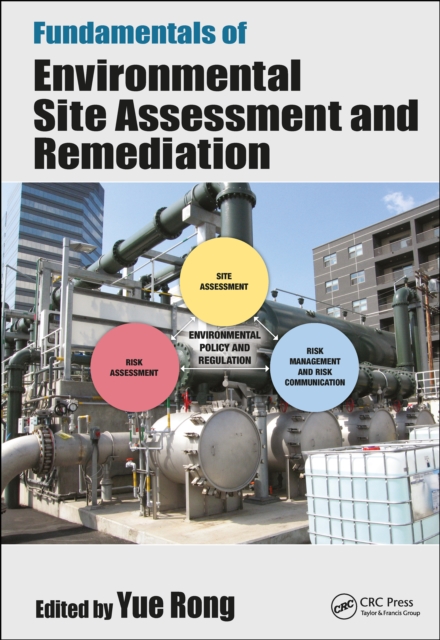
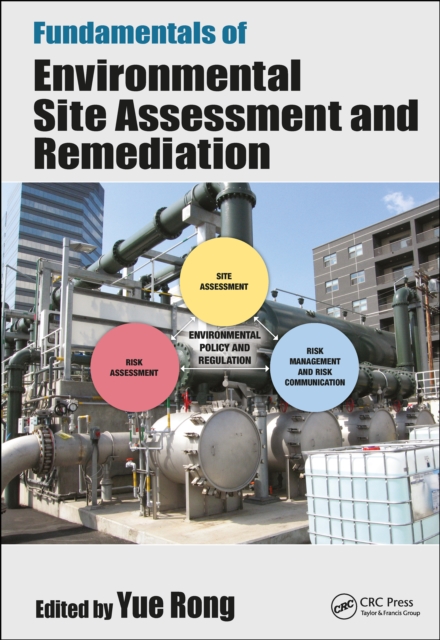
Fundamentals of Environmental Site Assessment and Remediation examines all aspects of environmental site assessment and remediation and outlines the interdisciplinary skills needed to work in the field.
Fundamentals of Environmental Site Assessment and Remediation examines all aspects of environmental site assessment and remediation and outlines the interdisciplinary skills needed to work in the field.
Within technical overview sections on such emerging areas as bioprocessing, bioconversion, biosolubilization, biosystems and biocleaning, this handsomely illustrated reference specifically surveys pioneering work in the genetic production of sulfatase enzymes for removing organic sulfur from coal; r
Within technical overview sections on such emerging areas as bioprocessing, bioconversion, biosolubilization, biosystems and biocleaning, this handsomely illustrated reference specifically surveys pioneering work in the genetic production of sulfatase enzymes for removing organic sulfur from coal; r