Affordable and effective domestic wastewater treatment is a critical issue in public health and disease prevention around the world, particularly so in developing countries which often lack the financial and technical resources necessary for proper treatment facilities.
Affordable and effective domestic wastewater treatment is a critical issue in public health and disease prevention around the world, particularly so in developing countries which often lack the financial and technical resources necessary for proper treatment facilities.
The Millennium Development Goals, adopted at the UN Millennium Summit in 2000, are the world's targets for dramatically reducing extreme poverty in its many dimensions by 2015 income poverty, hunger, disease, exclusion, lack of infrastructure and shelter while promoting gender equality, education, health and environmental sustainability.
The Millennium Development Goals, adopted at the UN Millennium Summit in 2000, are the world's targets for dramatically reducing extreme poverty in its many dimensions by 2015 income poverty, hunger, disease, exclusion, lack of infrastructure and shelter while promoting gender equality, education, health and environmental sustainability.
In this concise, engaging, and provocative work, Richard Porter introduces readers to the economic tools that can be applied to problems involved in handling a diverse range of waste products from business and households.
In this concise, engaging, and provocative work, Richard Porter introduces readers to the economic tools that can be applied to problems involved in handling a diverse range of waste products from business and households.
India has moved along an impressive growth path over the last decade, marked with falling share of agriculture, stagnating manufacturing, expanding services segment, growing trade orientation, enhanced FDI inflows etc.
India has moved along an impressive growth path over the last decade, marked with falling share of agriculture, stagnating manufacturing, expanding services segment, growing trade orientation, enhanced FDI inflows etc.
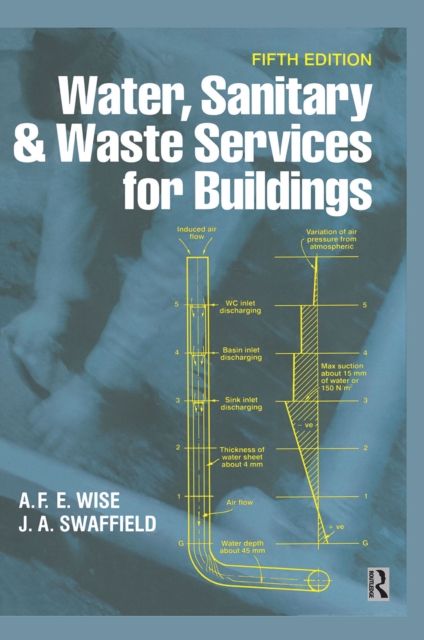
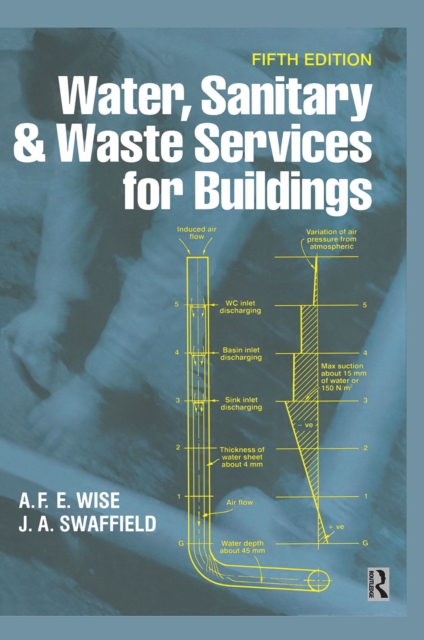
Water, sanitary and waste services represent a substantial proportion of the cost of construction, averaging 10% of the capital costs of building and with continuing costs in operation and maintenance.
Water, sanitary and waste services represent a substantial proportion of the cost of construction, averaging 10% of the capital costs of building and with continuing costs in operation and maintenance.
Offering broad coverage of both basic and advanced principles and applications, Control of Heavy Metals in the Environment series provides environmental and chemical engineers with the most complete resources available on the remediation of heavy metal contaminants with an emphasis on innovative approaches.
Biological and chemical processes play a key role in the treatment of domestic wastewater and are becoming increasingly important in tackling the problems caused by industrial wastes.
Biological and chemical processes play a key role in the treatment of domestic wastewater and are becoming increasingly important in tackling the problems caused by industrial wastes.
This new edition provides a detailed reference source of the use in residential buildings of materials known or suspected to harm health and the environment.
This new edition provides a detailed reference source of the use in residential buildings of materials known or suspected to harm health and the environment.
The safe disposal and reuse of industrial and consumer rubber waste continues to pose a serious threat to environmental safety and health, despite the fact that the technology now exits for its effective recycling and reuse.
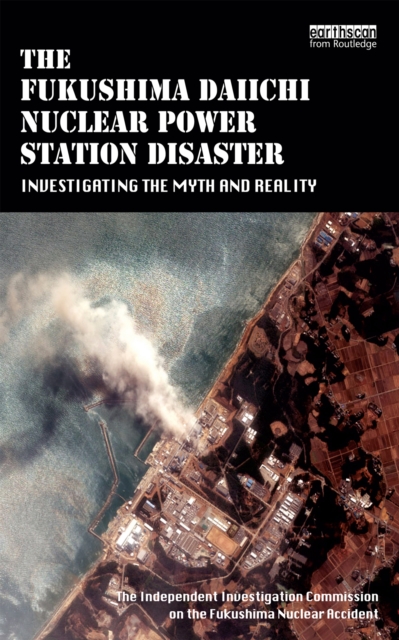
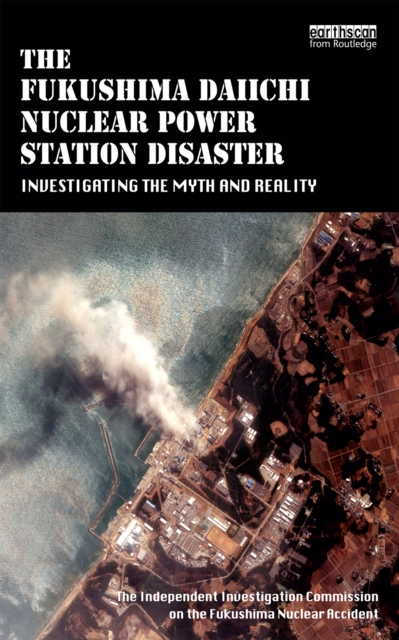
When the Nuclear Safety Commission in Japan reviewed safety-design guidelines for nuclear plants in 1990, the regulatory agency explicitly ruled out the need to consider prolonged AC power loss.
When the Nuclear Safety Commission in Japan reviewed safety-design guidelines for nuclear plants in 1990, the regulatory agency explicitly ruled out the need to consider prolonged AC power loss.
This book encompasses various approaches to electrochemical water treatment, emphasizing a well-structured framework within the nexus of electrochemistry, water, and energy.
With growing public pressure and increasingly stringent environmental legislation, the waste industry is now being called upon to develop more sustainable methods of dealing with refuse.