This is the second volume in a series of critical reviews of the chemical thermodynamic data of those elements of particular importance in the safety assessment modeling of high-level radioactive waste storage and disposal facilities.
This book demonstrates that the long-term safety of nuclear waste repositories, special waste disposal and carbon storage (CCS) is highly challenging and monitoring may contribute to substantiate evidence, support decision making and legitimise the programme.
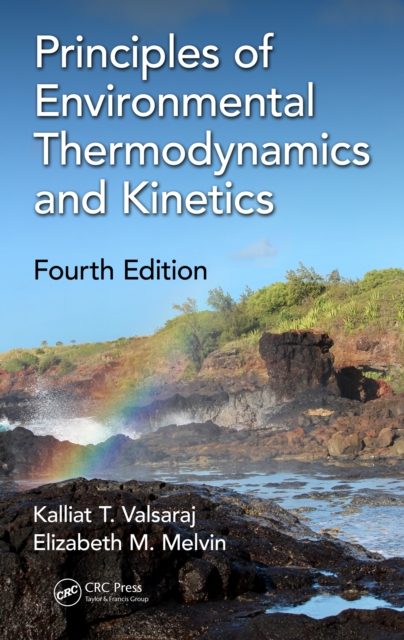
Environmental engineering, is by its very nature, interdisciplinary and it is a challenge to develop courses that will provide students with a thorough broad-based curriculum that includes every aspect of the environmental engineering profession.
Environmental engineering, is by its very nature, interdisciplinary and it is a challenge to develop courses that will provide students with a thorough broad-based curriculum that includes every aspect of the environmental engineering profession.
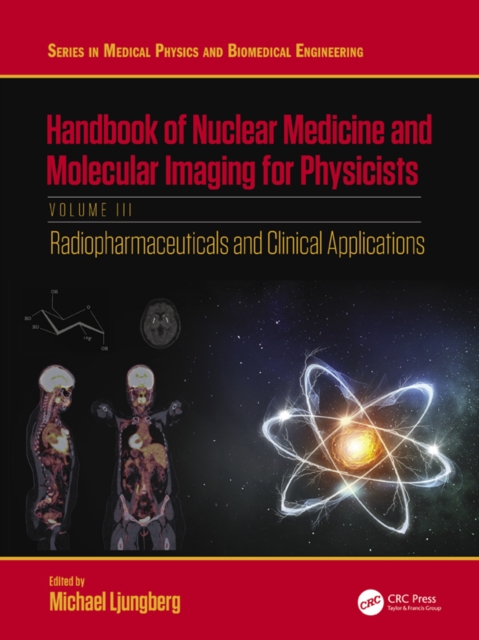
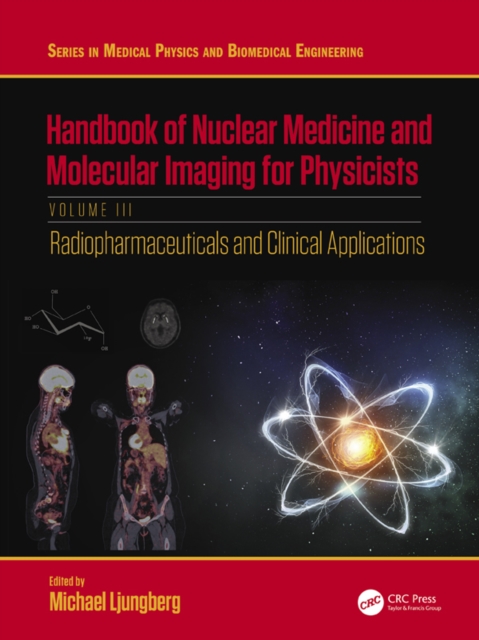
This state-of-the-art handbook, the third and final in a series that provides medical physicists with a comprehensive overview into the field of nuclear medicine, focuses on highlighting the production and application of radiopharmaceuticals.
This state-of-the-art handbook, the third and final in a series that provides medical physicists with a comprehensive overview into the field of nuclear medicine, focuses on highlighting the production and application of radiopharmaceuticals.
Per- and polyfluorinated alkyl substances (PFAS), often referred to as per- (and poly) fluorinated compounds (PFCs), have been used for years in many everyday?
Per- and polyfluorinated alkyl substances (PFAS), often referred to as per- (and poly) fluorinated compounds (PFCs), have been used for years in many everyday?
Engineering Separations Unit Operations for Nuclear Processing provides insight into the fundamentals of separations in nuclear materials processing not covered in typical texts.
Written by a hazardous materials consultant with over 40 years of experience in emergency services, the five-volume Hazmatology: The Science of Hazardous Materials suggests a new approach dealing with the most common aspects of hazardous materials, containers, and the affected environment.
Written by a hazardous materials consultant with over 40 years of experience in emergency services, the five-volume Hazmatology: The Science of Hazardous Materials suggests a new approach dealing with the most common aspects of hazardous materials, containers, and the affected environment.
Written by a hazardous materials consultant with over 40 years of experience in emergency services, the five-volume Hazmatology: The Science of Hazardous Materials, suggests a new approach dealing with the most common aspects of hazardous materials, containers, and the affected environment.
Written by a hazardous materials consultant with over 40 years of experience in emergency services, the five-volume Hazmatology: The Science of Hazardous Materials, suggests a new approach dealing with the most common aspects of hazardous materials, containers, and the affected environment.
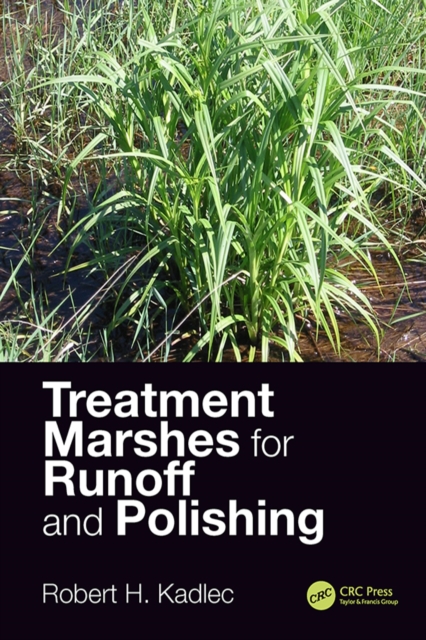
Treatment Marshes for Runoff and Polishing represents the most comprehensive and up-date-date resource for the design, construction, and operation of marsh treatment systems.
Treatment Marshes for Runoff and Polishing represents the most comprehensive and up-date-date resource for the design, construction, and operation of marsh treatment systems.
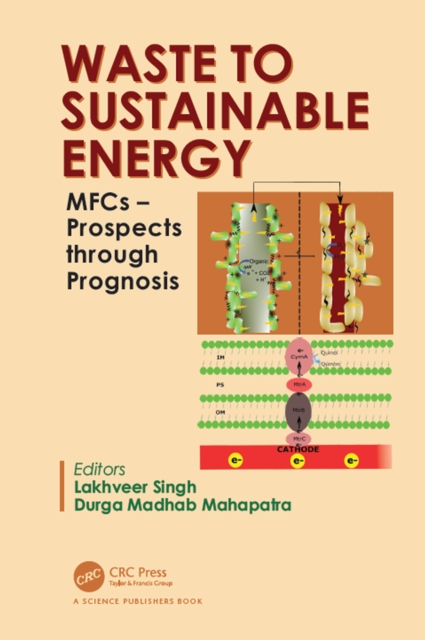
With no emissions and water as a byproduct, the globe could imagine a sustainable and resilient human kind that obliterates any possible chances of future climate change.
With no emissions and water as a byproduct, the globe could imagine a sustainable and resilient human kind that obliterates any possible chances of future climate change.
First published in 1997, this volume examines wastewater treatment plants in the UK and their counterparts in Germany in the wake of the International Study of the Effectiveness of Environmental Assessment (1996).
First published in 1997, this volume examines wastewater treatment plants in the UK and their counterparts in Germany in the wake of the International Study of the Effectiveness of Environmental Assessment (1996).
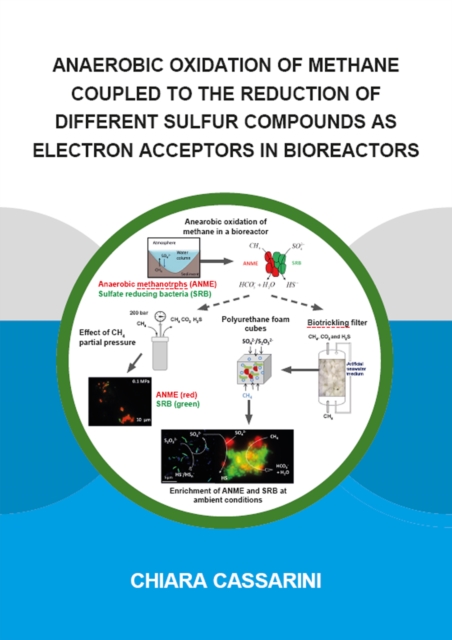
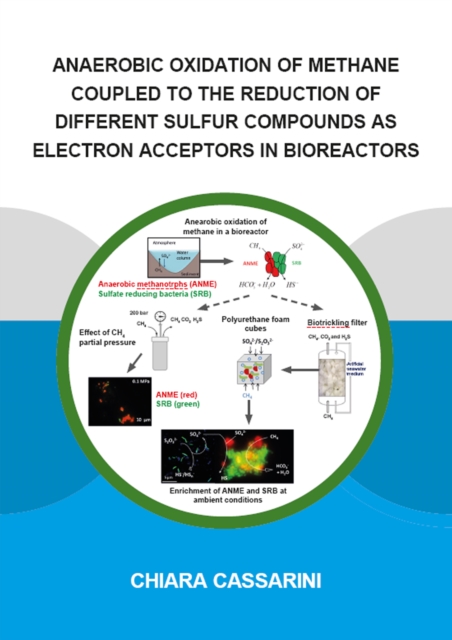
Anaerobic oxidation of methane (AOM) coupled to sulfate reduction (AOM-SR) is a biological process mediated by anaerobic methanotrophs (ANME) and sulfate reducing bacteria.
Anaerobic oxidation of methane (AOM) coupled to sulfate reduction (AOM-SR) is a biological process mediated by anaerobic methanotrophs (ANME) and sulfate reducing bacteria.
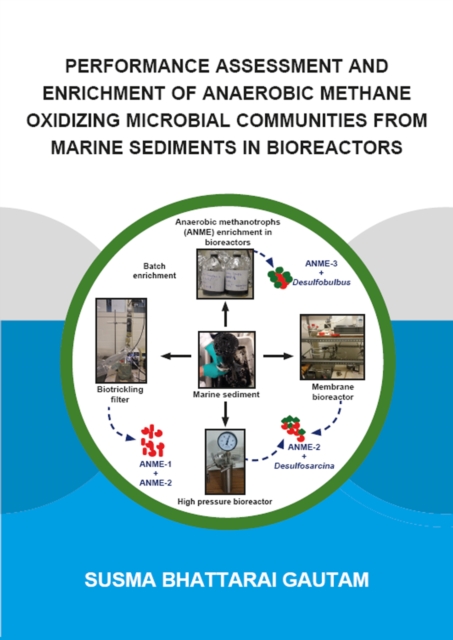
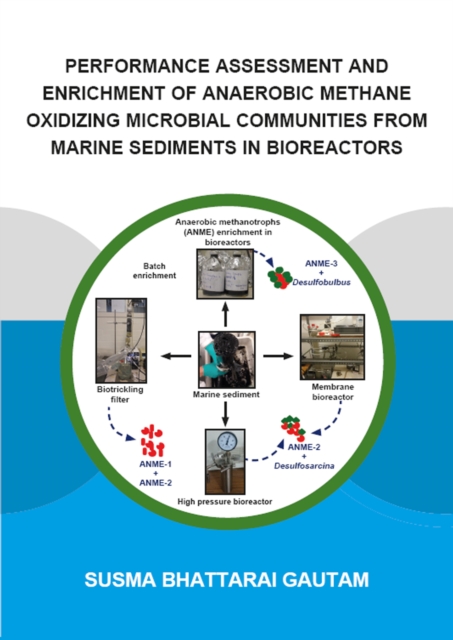
This research investigated new approaches to control anaerobic methane oxidation coupled to sulfate reduction (AOM-SR) and enrich anaerobic methanotrophs (ANME) and sulfate reducing bacteria (SRB) with the purpose of designing a suitable bioreactor for AOM-SR at ambient pressure and temperature.
This research investigated new approaches to control anaerobic methane oxidation coupled to sulfate reduction (AOM-SR) and enrich anaerobic methanotrophs (ANME) and sulfate reducing bacteria (SRB) with the purpose of designing a suitable bioreactor for AOM-SR at ambient pressure and temperature.
Recently, research efforts aiming to improve energy efficiency of wastewater treatment processes for large centralized wastewater treatment plants (WWTPs) have been increasing.
Recently, research efforts aiming to improve energy efficiency of wastewater treatment processes for large centralized wastewater treatment plants (WWTPs) have been increasing.
As global populations continue to increase, the application of biotechnological processes for disposal and control of waste has gained importance in recent years.
As global populations continue to increase, the application of biotechnological processes for disposal and control of waste has gained importance in recent years.
Five decades after the first splitting of the atom, the military and civilian applications of nuclear energy have reached a critical juncture, providing an unprecedented opportunity to reexamine both the national and international mechanisms for controlling nuclear energy.
Five decades after the first splitting of the atom, the military and civilian applications of nuclear energy have reached a critical juncture, providing an unprecedented opportunity to reexamine both the national and international mechanisms for controlling nuclear energy.