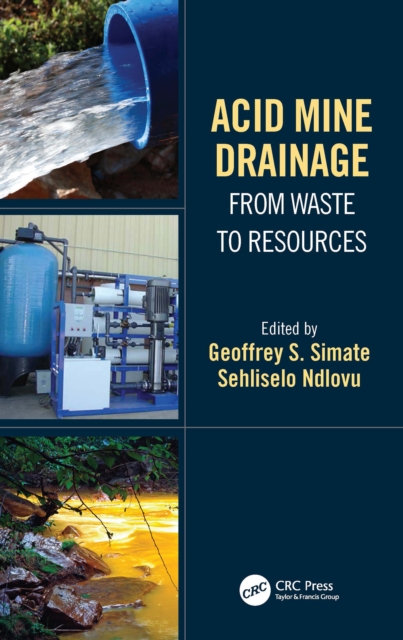
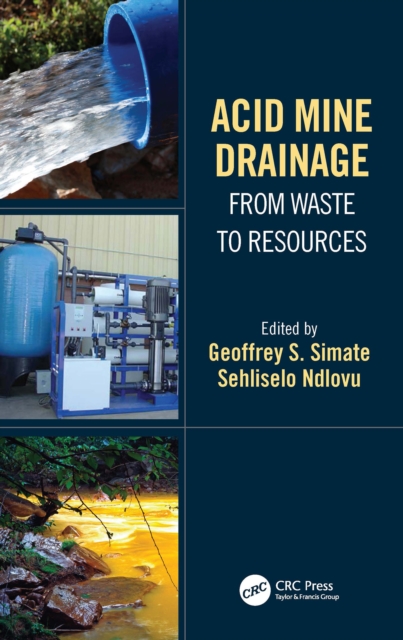
Acid mine drainage (AMD) is essentially the flow of water polluted with metals and other substances from existing/old mining areas and is considered to be one of the sources of pollution.
Acid mine drainage (AMD) is essentially the flow of water polluted with metals and other substances from existing/old mining areas and is considered to be one of the sources of pollution.
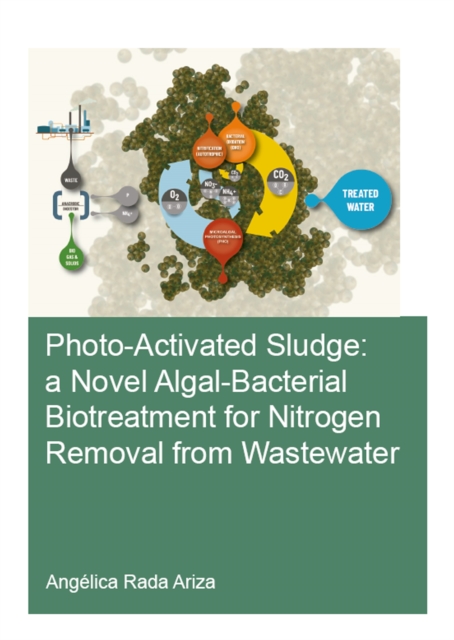
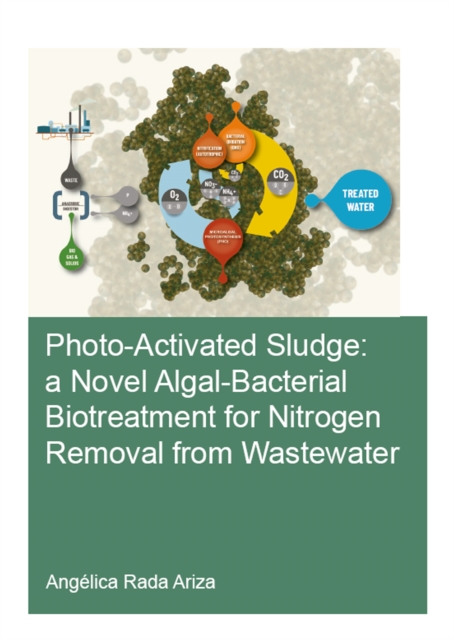
Nitrogen rich wastewaters (10-400 mg N L-1) are usually produced by municipal, industrial and agricultural wastes, such as effluents from anaerobic treatments.
Zero Waste: Management Practices for Environmental Sustainability presents approaches for resource management centered on reducing waste and reusing and recycling materials.
Zero Waste: Management Practices for Environmental Sustainability presents approaches for resource management centered on reducing waste and reusing and recycling materials.
Nitrogen rich wastewaters (10-400 mg N L-1) are usually produced by municipal, industrial and agricultural wastes, such as effluents from anaerobic treatments.
This book outlines the strategies used in the investigation, characterization, management, and restoration and remediation for various contaminated sites.
This book outlines the strategies used in the investigation, characterization, management, and restoration and remediation for various contaminated sites.
Intensifying Activated Sludge Using Media-Supported Biofilms will be of interest to practicing wastewater treatment process designers, along with those seeking more compact and energy-efficient wastewater treatment options.
Intensifying Activated Sludge Using Media-Supported Biofilms will be of interest to practicing wastewater treatment process designers, along with those seeking more compact and energy-efficient wastewater treatment options.
Constructed Wetlands: Hydraulic Design provides fundamental information on internal wetland hydraulic and biochemical processes, as well as practical guidance on the effective design of wetlands for water treatment.
Constructed Wetlands: Hydraulic Design provides fundamental information on internal wetland hydraulic and biochemical processes, as well as practical guidance on the effective design of wetlands for water treatment.
Biology and Ecology of Earthworms is established as a key valuable text for students of agriculture, soil science, and soil invertebrate zoology and ecology.
Reviews of Environmental Contamination and Toxicology attempts to provide concise, critical reviews of timely advances, philosophy and significant areas of accomplished or needed endeavor in the total field of xenobiotics, in any segment of the environment, as well as toxicological implications.
Reviews of Environmental Contamination and Toxicology attempts to provide concise, critical reviews of timely advances, philosophy and significant areas of accomplished or needed endeavor in the total field of xenobiotics, in any segment of the environment, as well as toxicological implications.
Marianne Horinko Executive Vice President, Global Environment and Technology Foundation On August 7, 1978, President Carter declared a state of emergency in the community of Love Canal, New York.
Chemistry for the Protection of the Environment 4 focuses on: - Environmental aspects of agricultural practices- Field characterization and quantification of chemical constituents- Fate of contaminants in the environment/environmental monitoring- Thermal treatment technologies- Remediation of contaminated sites- Wastewater treatment and sludge management- Environmental Security- Risk Assessment and Environmental ManagementThis volume is the proceedings of the first CPE conference in the new millennium and the thirteenth in a well-established series of conferences on Chemistry for the Protection of the Environment, first established in 1976.
Reviews of Environmental Contamination and Toxicology attempts to provide concise, critical reviews of timely advances, philosophy and significant areas of accomplished or needed endeavor in the total field of xenobiotics, in any segment of the environment, as well as toxicological implications.
Water, Land, and Forest Susceptibility and Sustainability, Volume 2: Insight Towards Management, Conservation and Ecosystem Services brings an interdisciplinary perspective to solving complex problems in sustainability, utilizing the latest research and technologies, and includes case studies that emphasize the applications of remote sensing, GIS, and image processing for addressing the current state and future needs to achieve sustainability.
Valorization of Microalgal Biomass and Wastewater Treatment provides tools, techniques, data and case studies to demonstrate the use of algal biomass in the production of valuable products like biofuels, food and fertilizers, etc.
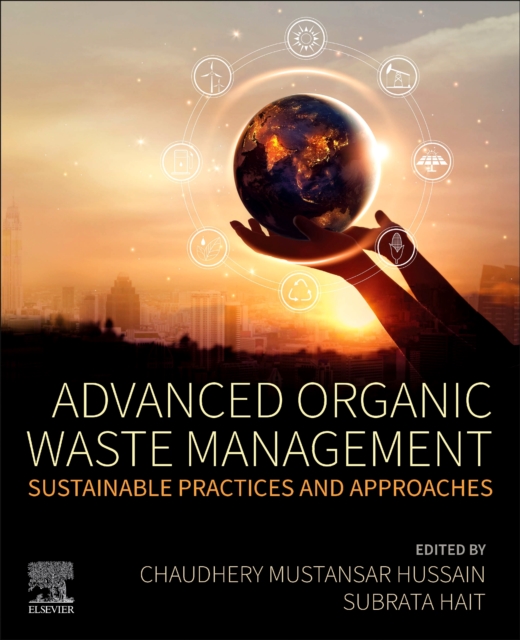
Advanced Organic Waste Management: Sustainable Practices and Approaches provides an integrated holistic approach to the challenges associated with organic waste management, particularly related to sustainability, lifecycle assessment, emerging regulations, and novel approaches for resource and energy recovery.
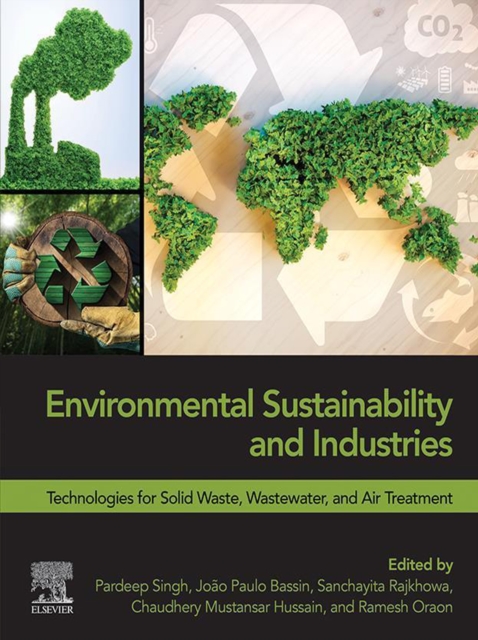
Environmental Sustainability and Industries identifies and discusses critical areas related to environmentally conscious industrial development of products and services that may support more sustainable and equitable societies.
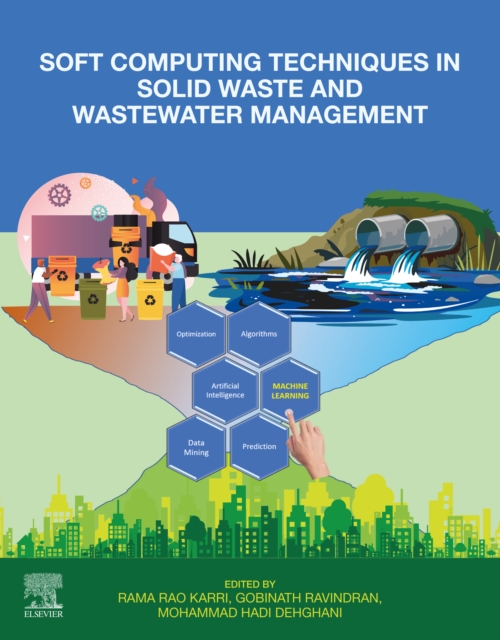
Soft Computing Techniques in Solid Waste and Wastewater Management is a thorough guide to computational solutions for researchers working in solid waste and wastewater management operations.
Pollution Control for Agriculture is a substantial revision of the "e;"e;Agricultural Waste Management"e;"e; book that discusses the implications and possible management systems for crop production.
Handbook of Hazardous Materials is a one-volume compendium of hazardous materials that discusses the toxic effects of these materials on human health and the global environment.
The proposed book aims to provide a comprehensive overview of the advancements and potential applications of nanotechnology in addressing the challenges of water and wastewater management.
The Definitive Guide to Solids Treatment and ManagementThis authoritative resource is essential for professionals involved in the design, approval, and operation of municipal solids treatment and disposal systems.
Implement successful solid waste analysis and minimization strategiesProvide sustainable solutions to solid waste issues with help from this hands-on guide.
In a world where waste incinerators are not an option and landfills are at over capacity, cities are hard pressed to find a solution to the problem of what to do with their solid waste.
A-Z guide to soil/plant/microbe-based wastewatertreatmentEngineers and planners eager to benefit from the costefficiencies and convenience of land treatment of waste will find practical guidelines in this comprehensive manual.
Expert help for designing and managing a biosolids programSo notoriously complex and occasionally controversial that it has paradoxically reduced biosolids applications in some locales, CFR Part 503 becomes understandable, manageable, and doable with this expert guide from experienced environmental engineer Michael J.
A-Z guide to hazardous waste clean-upOffering the time-saving guidance of leading specialists in the field, Handbook of Complex Environmental Remediation Problems introduces you to today's best methods of cleaning up hazardous waste.
This title examines the role of privatization, technology and multi-sectoral partnerships to provide answers to one of the most pressing environmental and social problems of the twenty-first century how to provide access to safe drinking water and adequate sanitation for some 2 billion of the world's poor in the next 15 years.