An A to Z Catalog of Innovative Spices and FlavoringsDesigned to be a practical tool for the many diverse professionals who develop and market foods, the Handbook of Spices, Seasonings, and Flavorings combines technical information about spices-forms, varieties, properties, applications, and quality specifications- with informatio
Written by world class authorities, this volume discusses formulation, sensory, and consumer testing, package design, commercial production, and product launch and marketing.
Enhanced concern for the quality and safety of food products, increased preference for natural products, and stricter regulations on the residual level of solvents, all contribute to the growing use of supercritical fluid technology as a primary alternative for the extraction, fractionation, and isolation of active ingredients.
Covering nutrition, dietary requirements, chemistry, preparation and cooking, hygiene, health and safety, commercial food production, labelling, packaging and public health, this dictionary provides clear, informative and up-to-date terms relating to all aspects of food science and nutrition.
There is widespread acknowledgement among anthropologists, archaeologists, ethnobotanists, as well as researchers in related disciplines that specific foods and cuisines are linked very strongly to the formation and maintenance of cultural identity and ethnicity.
Chemical Physics of Food Edited by Peter Belton Based on the principle that food science requires the same rigour as the more traditional physical sciences, Professor Peter Belton has drawn together an international team of authors to demonstrate the chemical physics approach to food.
The study of nutritional supplements has become increasingly important within orthodox establishments throughout the world, and as the market for these products continues to grow, so does the need for comprehensive scientifically sound information about the products, their properties s and potent6ial health effects.
The market for carbonated beverages has grown dramatically over recent years in most countries, and this growth has required changes in the way factories are run.
The Society of Dairy Technology (SDT) has joined with Blackwell Publishing to produce a series of technical dairy-related handbooks providing an invaluable resource for all those involved in the dairy industry; from practitioners to technologists working in both traditional and modern larged-scale dairy operations.
If all possible food packaging systems are listed and related to the materials from which they are made, it becomes clear that the key packaging materials glass, metal, plastics and paperboard are competing heavily with each other.
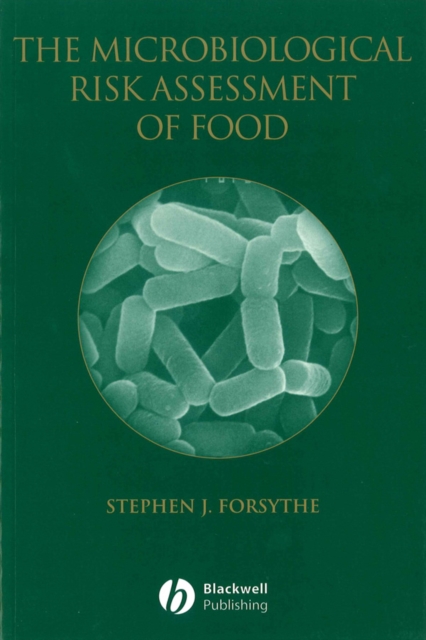
The Microbiological Risk Assessment of Food follows on from the author's successful book The Microbiology of Safe Food and provides a detailed analysis of the subject area including cutting-edge information on: foodborne pathogens in world trade; food safety, control and HACCP; risk analysis; the application of microbiological risk assessment (MRA) and likely future developments in the techniques and applications of MRA.
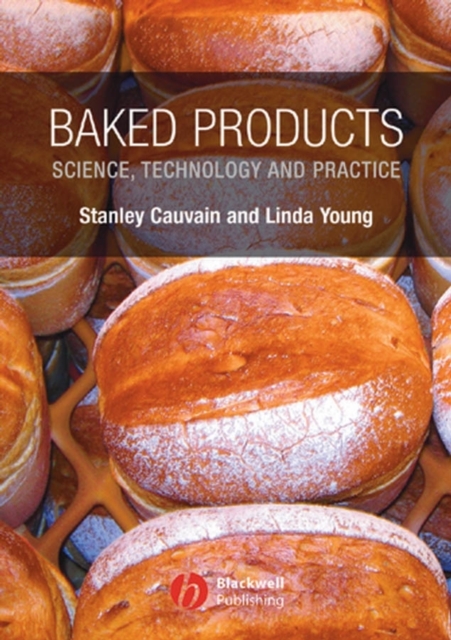
Taking a fresh approach to information on baked products, this exciting new book from industry consultants Cauvain and Young looks beyond the received notions of how foods from the bakery are categorised to explore the underlying themes which link the products in this commercially important area of the food industry.
Host the perfect book club discussion night or literary-themed party with 50 fun author-themed cocktails for the budding home mixologist and book lover!
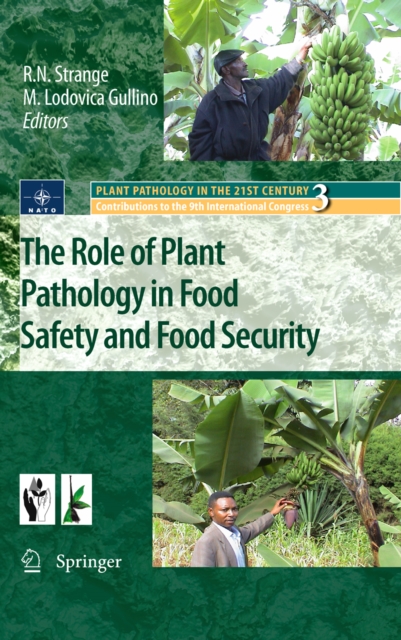
This collection of papers represents some of those given at the International Congress for Plant Pathology held in Turin in 2008 in the session with the title "e;The Role of Plant Pathology in Food Safety and Food Security"e;.
The international advanced research workshop funded by NATO and entitled "e;impact of pollutions on animal and animal products"e; was organized at Almaty (Kazakhstan) on 27-30 September 2007.
Opportunistic Infections: Toxoplasma, Sarcocystis, and Microsporidia will focus on two important Genera of Apicomplexan parasites, Toxoplasma gondii and Sarcocystis species, and the medically important members of the Phylum Microsporida.
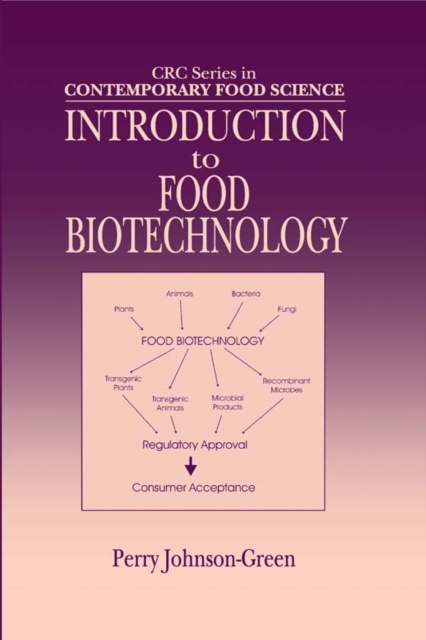
Agrifood biotechnology - the genetic transformation of plants and animals through recombinant means - has created controversy in the food system for more than twenty years.
Thermal drying has been recognized as an important unit operation as it is ener- intensive and has a decisive effect on the quality of most products that are dried commercially.
This specialist handbook is intended as a quick and easy reference guide for individuals and organisations that are involved with the production of food, from both agriculture and horticulture.
Encapsulation is a topic of interest across a wide range of scientific and industrial areas, from pharmaceutics to food and agriculture, for the protection and controlled release of various substances during transportation, storage, and consumption.
Encapsulation is a topic of interest across a wide range of scientific and industrial areas, from pharmaceutics to food and agriculture, for the protection and controlled release of various substances during transportation, storage, and consumption.
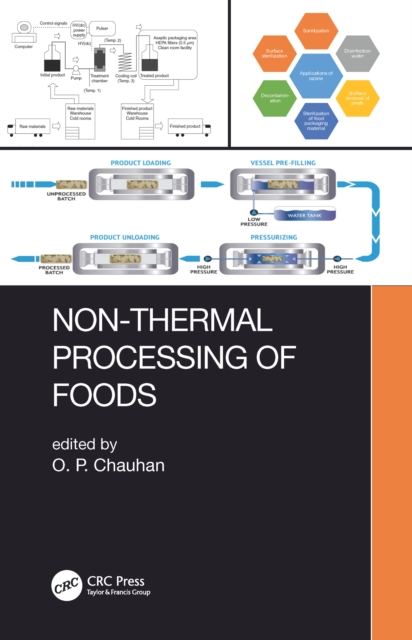
This book presents the latest developments in the area of non-thermal preservation of foods and covers various topics such as high-pressure processing, pulsed electric field processing, pulsed light processing, ozone processing, electron beam processing, pulsed magnetic field, ultrasonics, and plasma processing.
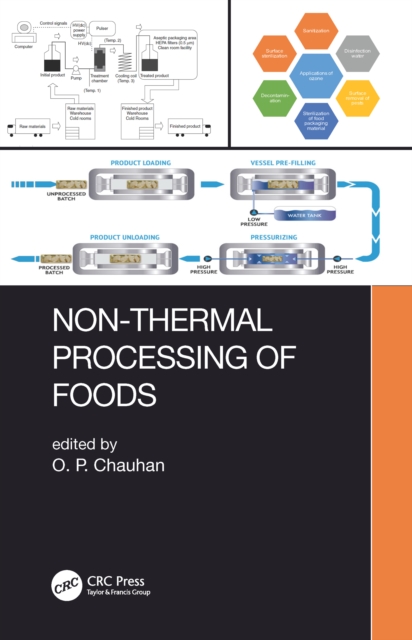
This book presents the latest developments in the area of non-thermal preservation of foods and covers various topics such as high-pressure processing, pulsed electric field processing, pulsed light processing, ozone processing, electron beam processing, pulsed magnetic field, ultrasonics, and plasma processing.
This new book, Food Process Engineering and Quality Assurance, provides an abundance of valuable new research and studies in novel technologies used in food processing and quality assurance issues of food.
This new book, Food Process Engineering and Quality Assurance, provides an abundance of valuable new research and studies in novel technologies used in food processing and quality assurance issues of food.
Following its bestselling predecessor, Dimensions of Food, Eighth Edition, provides beneficial classroom and independent, instructive material for students.
Following its bestselling predecessor, Dimensions of Food, Eighth Edition, provides beneficial classroom and independent, instructive material for students.
Ethnobotany of India: Volume 4: Western and Central Himalayas is the 4th volume of the 5-volume set, an informative book series on the ethnobotanical aspects of India.
This book reviews the use of fermentation to develop healthy and functional foods and beverages and the commercialization of fermented food products through the use of biotechnology.