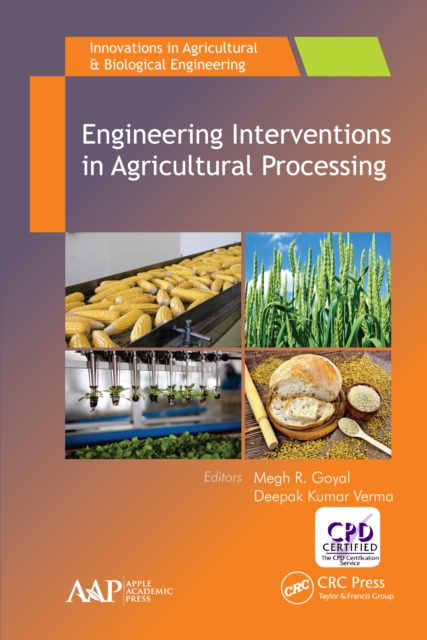
Engineering Interventions in Agricultural Processing presents recent advanced research on biological engineering, bioprocessing technologies, and their applications in agricultural food processing, and their applications in agriculture science and agricultural engineering, focusing on biological science, biological engineering, and bioprocessing technology.
Ethnobotany of India: Volume 4: Western and Central Himalayas is the 4th volume of the 5-volume set, an informative book series on the ethnobotanical aspects of India.
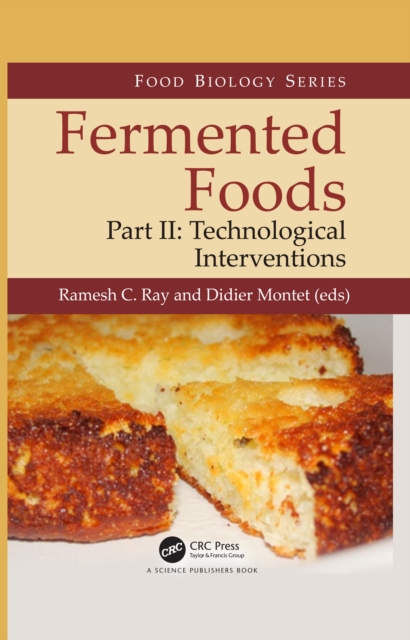
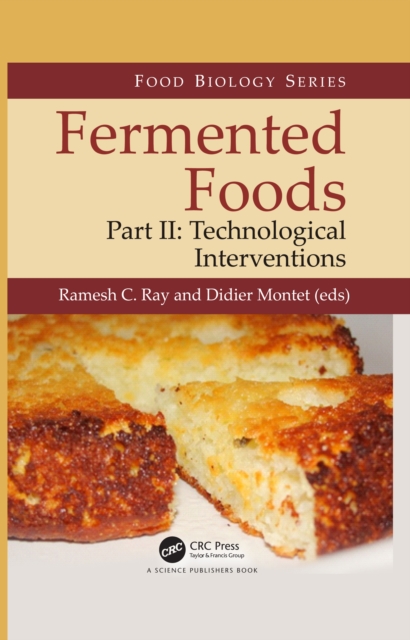
This book reviews the use of fermentation to develop healthy and functional foods and beverages and the commercialization of fermented food products through the use of biotechnology.
This book reviews the use of fermentation to develop healthy and functional foods and beverages and the commercialization of fermented food products through the use of biotechnology.
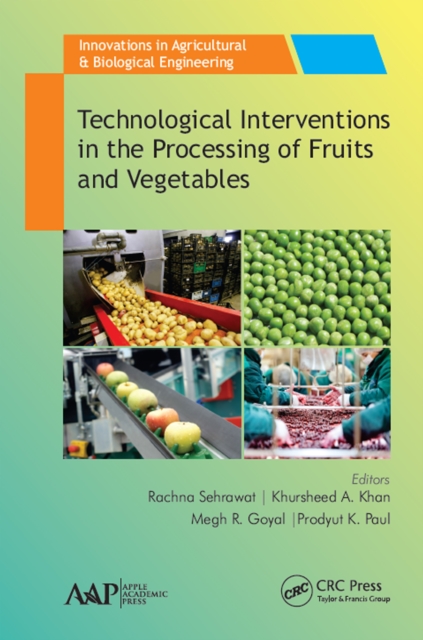
Technological Interventions in Processing of Fruits and Vegetables presents a wide selection of the latest concepts in the fast-changing field of processing of fruits and vegetables (FAV).
Technological Interventions in Processing of Fruits and Vegetables presents a wide selection of the latest concepts in the fast-changing field of processing of fruits and vegetables (FAV).
With contributions from a broad range of leading professors and scientists, this volume focuses on new areas of processing technologies in foods and plants to help meet the increasing food demand of the rapidly growing populations of the world.
With contributions from a broad range of leading professors and scientists, this volume focuses on new areas of processing technologies in foods and plants to help meet the increasing food demand of the rapidly growing populations of the world.
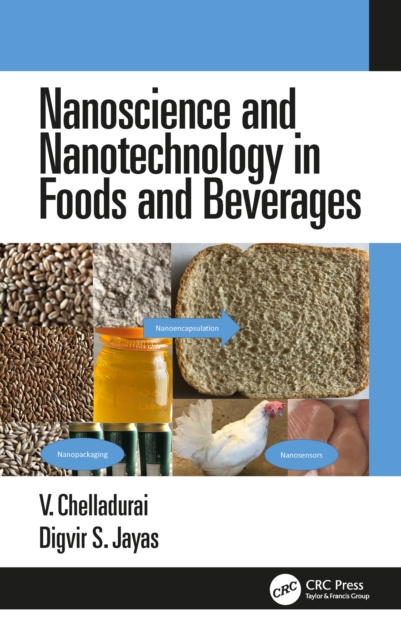
Nanotechnology can be used to address challenges faced by the food and bioprocessing industries for developing and implementing improved or novel systems that can produce safer, nutritious, healthier, sustainable, and environmental-friendly food products.
Nanotechnology can be used to address challenges faced by the food and bioprocessing industries for developing and implementing improved or novel systems that can produce safer, nutritious, healthier, sustainable, and environmental-friendly food products.
This volume covers a selection of important novel technological interventions in dairy science, from the physical properties of milk and other milk products to nonthermal processing of milk.
This volume covers a selection of important novel technological interventions in dairy science, from the physical properties of milk and other milk products to nonthermal processing of milk.
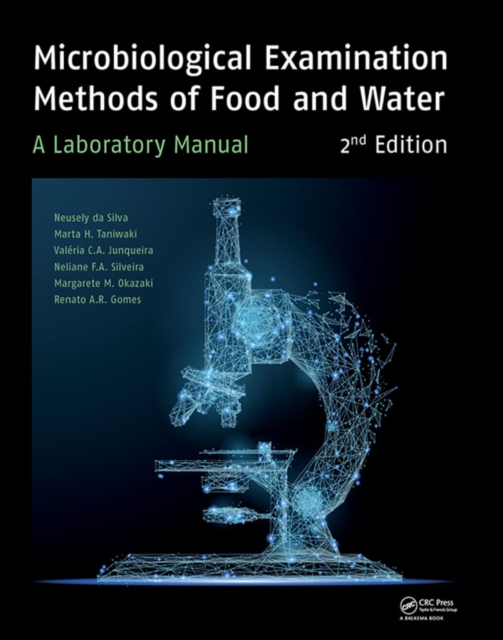
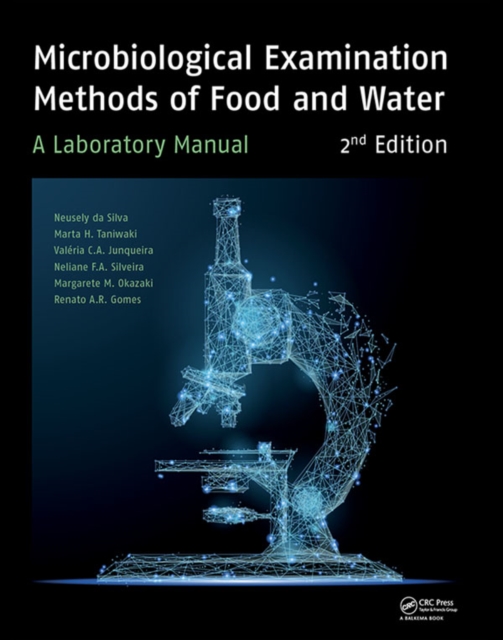
Microbiological Examination Methods of Food and Water (2nd edition) is an illustrated laboratory manual that provides an overview of current standard microbiological culture methods for the examination of food and water, adhered to by renowned international organizations, such as ISO, AOAC, APHA, FDA and FSIS/USDA.
Microbiological Examination Methods of Food and Water (2nd edition) is an illustrated laboratory manual that provides an overview of current standard microbiological culture methods for the examination of food and water, adhered to by renowned international organizations, such as ISO, AOAC, APHA, FDA and FSIS/USDA.
While most wine and spirits books focus on vineyard and crop management or fermentation and distillation processes, few address critical post process aspects of stabilization, aging, and spoilage.
Potential applications of nanotechnology in food industry include: encapsulation and delivery of substances in targeted sites, increasing flavor, introducing antibacterial nanoparticles into food, enhancing shelf life, sensing contamination, improved food storage, tracking, tracing, and brand protection.
As with the first edition, the main goal of Advanced Technologies for Meat Processing is to provide the reader with recent developments in new advanced technologies for the full meat- processing chain.
Global oilseeds industry is expected to expand in the future but would also constitute a platform for a variety of other products from processing waste such as protein meals and aromatic compounds.
Food forensics is a multi-disciplinary science involving advanced analytical techniques, plant and animal metabolism, and sophisticated data interpretation tools.
High pressure processing is a fast-growing food processing technology and opens the door to nearly-fresh products that retain their sensorial and nutritional qualities.
Until now, books addressing Halal issues have focused on helping Muslim consumers decide what to eat and what to avoid among products currently on the market.
The joint challenges of population increase, food security and conservation of agrobiodiversity demand a rethink of plant breeding and agricultural research from a different perspective.
The joint challenges of population increase, food security and conservation of agrobiodiversity demand a rethink of plant breeding and agricultural research from a different perspective.
With the advances in the field of molecular biology, new tools make it possible to conduct in-depth studies in food microbial communities from a molecular perspective.
With the advances in the field of molecular biology, new tools make it possible to conduct in-depth studies in food microbial communities from a molecular perspective.
This new volume, Food Safety: Rapid Detection and Effective Prevention of Foodborne Hazards, focuses on the general concepts, mechanisms, and new applications of analytical and molecular biology techniques for detecting, removing, and preventing chemical and biological hazards from food.
This new volume, Food Safety: Rapid Detection and Effective Prevention of Foodborne Hazards, focuses on the general concepts, mechanisms, and new applications of analytical and molecular biology techniques for detecting, removing, and preventing chemical and biological hazards from food.
This volume takes an eco-friendly approach to examining the advantages of using plant food by-products as food additives and nutraceuticals, turning solid wastes into value-added items.