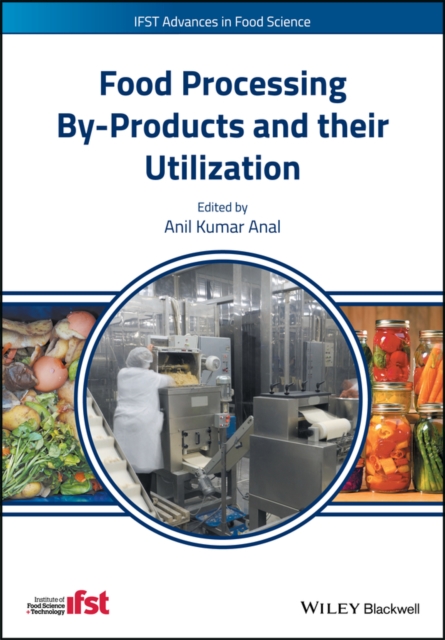
Food Processing By-Products and their Utilization An in-depth look at the economic and environmental benefits that food companies can achieve and the challenges and opportunities they may face by utilizing food processing by-products Food Processing By-Products and their Utilization is the first book dedicated to food processing by-products and their utilization in a broad spectrum.
Readers of this accessible book now in a revised and updated new edition are taken on a conceptual journey which passes every milestone and important feature of the HACCP landscape at a pace which is comfortable and productive.
Readers of this accessible book now in a revised and updated new edition are taken on a conceptual journey which passes every milestone and important feature of the HACCP landscape at a pace which is comfortable and productive.
Part of the IFT Press series, this book reviews the myriad published information on bioactive components derived from marine foods, enabling researchers and product developers to select appropriate functional ingredients for new products.
Part of the IFT Press series, this book reviews the myriad published information on bioactive components derived from marine foods, enabling researchers and product developers to select appropriate functional ingredients for new products.
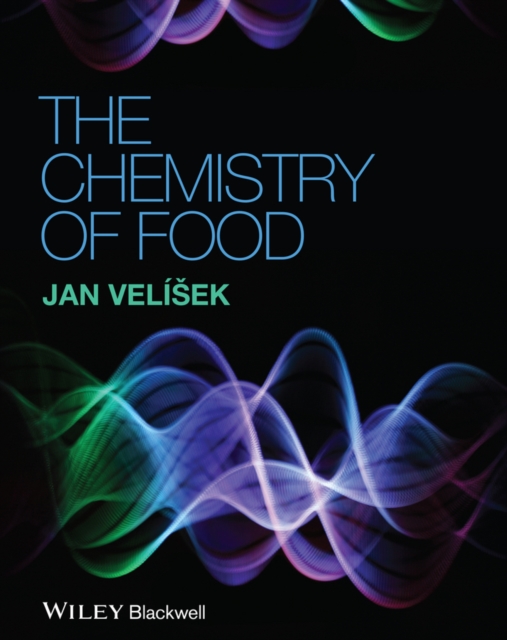
THE CHEMISTRY OF FOOD THE CHEMISTRY OF FOOD This advanced textbook covers all the main macro- and micronutrients and the essential nutritional factors that determine the nutritional and energy value of foods and raw food material.
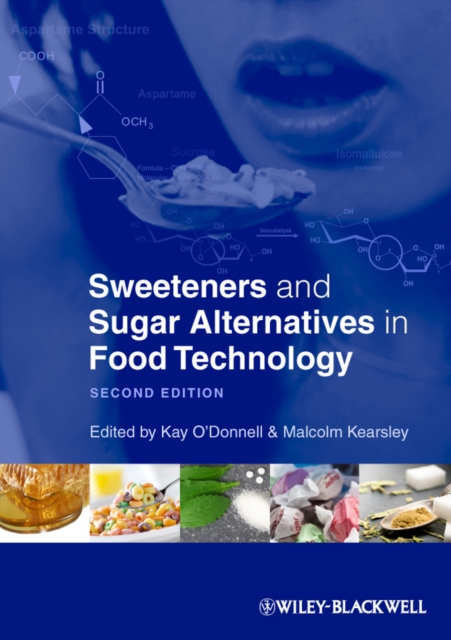
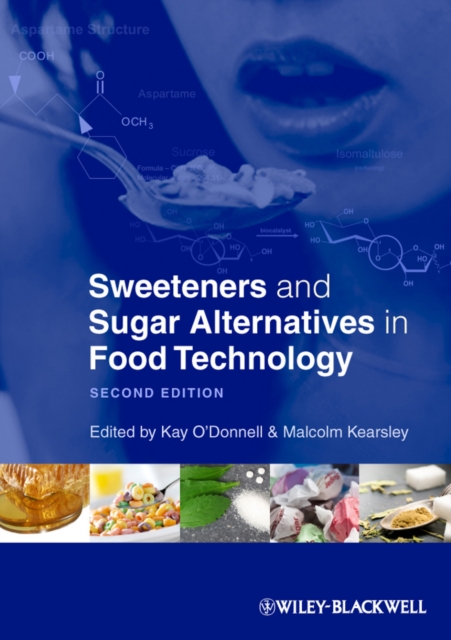
This book provides a comprehensive and accessible source of information on all types of sweeteners and functional ingredients, enabling manufacturers to produce low sugar versions of all types of foods that not only taste and perform as well as sugar-based products, but also offer consumer benefits such as calorie reduction, dental health benefits, digestive health benefits and improvements in long term disease risk through strategies such as dietary glycaemic control.
This book provides a comprehensive and accessible source of information on all types of sweeteners and functional ingredients, enabling manufacturers to produce low sugar versions of all types of foods that not only taste and perform as well as sugar-based products, but also offer consumer benefits such as calorie reduction, dental health benefits, digestive health benefits and improvements in long term disease risk through strategies such as dietary glycaemic control.
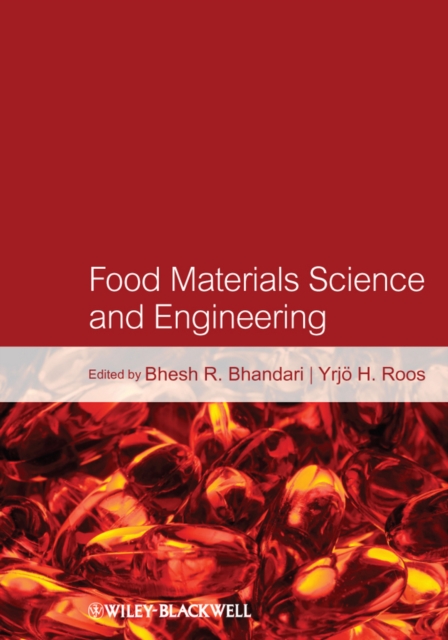
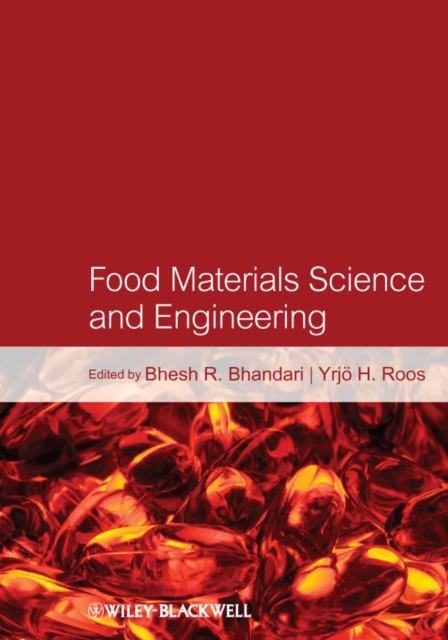
Food Materials Science and Engineering covers a comprehensive range of topics in relation to food materials, their properties and characterisation techniques, thus offering a new approach to understanding food production and quality control.
Food Materials Science and Engineering covers a comprehensive range of topics in relation to food materials, their properties and characterisation techniques, thus offering a new approach to understanding food production and quality control.
THE CHEMISTRY OF FOOD THE CHEMISTRY OF FOOD This advanced textbook covers all the main macro- and micronutrients and the essential nutritional factors that determine the nutritional and energy value of foods and raw food material.
Fundamentals of Food Biotechnology Food biotechnology is the application of modern biotechnological techniques to the manufacture and processing of food; for example, through fermentation of food (which is the oldest biotechnological process) and food additives, as well as plant and animal cell cultures.
Fundamentals of Food Biotechnology Food biotechnology is the application of modern biotechnological techniques to the manufacture and processing of food; for example, through fermentation of food (which is the oldest biotechnological process) and food additives, as well as plant and animal cell cultures.
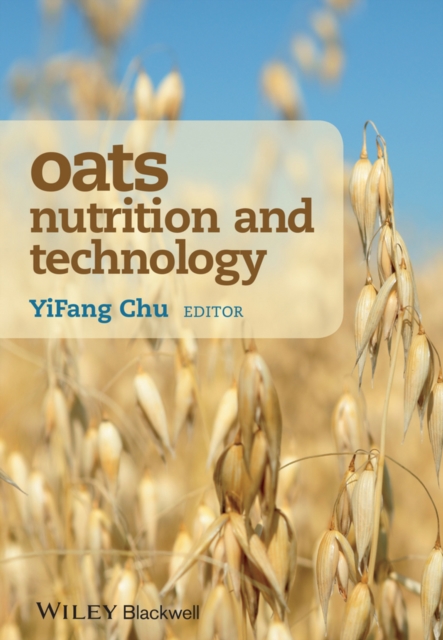
A considerable amount of research has emerged in recent years on the science, technology and health effects of oats but, until now, no book has gathered this work together.
A considerable amount of research has emerged in recent years on the science, technology and health effects of oats but, until now, no book has gathered this work together.
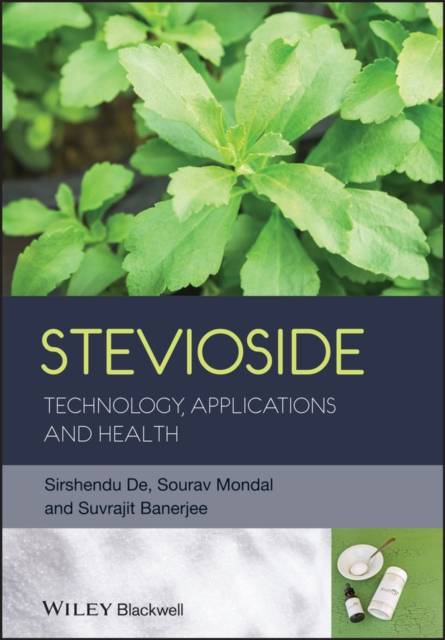
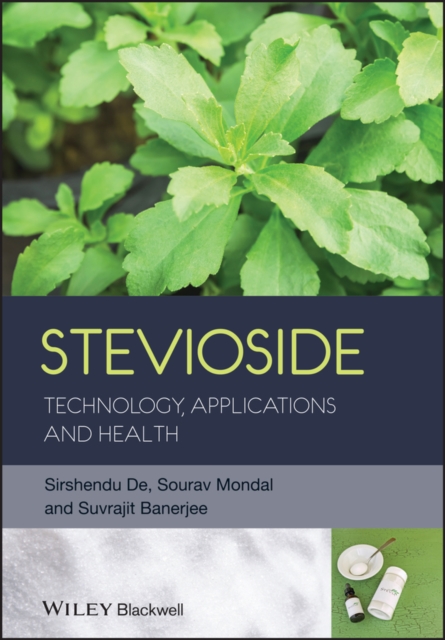
Stevioside is one of the naturally occurring sweeteners, belonging to the diterpene glycoside family, which can be widely applied in food, drinks, medicine and consumer chemicals.
Stevioside is one of the naturally occurring sweeteners, belonging to the diterpene glycoside family, which can be widely applied in food, drinks, medicine and consumer chemicals.
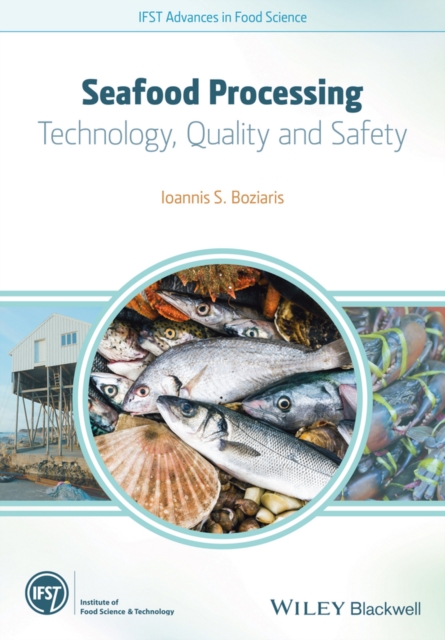
Part of the new IFST Advances in Food Science Series, Seafood Processing: Technology, Quality and Safety covers the whole range of current processes which are applied to seafood, as well as quality and safety aspects.
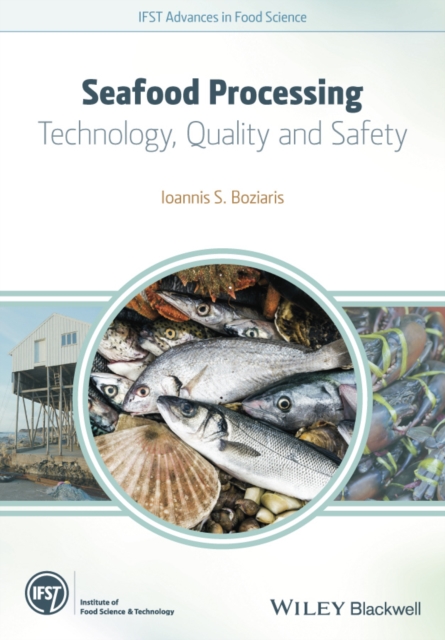
Part of the new IFST Advances in Food Science Series, Seafood Processing: Technology, Quality and Safety covers the whole range of current processes which are applied to seafood, as well as quality and safety aspects.
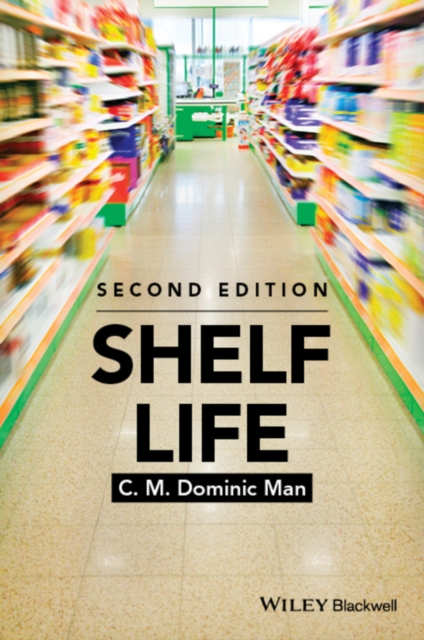
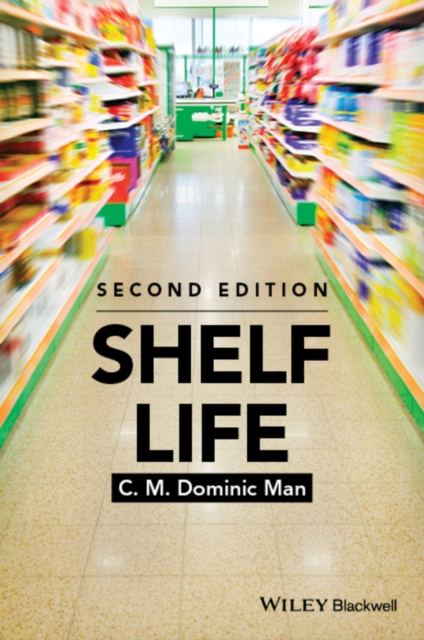
Shelf life, a term recognised in EU/UK food legislation, may be defined as the period of time for which a food product will remain safe and fit for use, provided that it is kept in defined storage conditions.
Shelf life, a term recognised in EU/UK food legislation, may be defined as the period of time for which a food product will remain safe and fit for use, provided that it is kept in defined storage conditions.
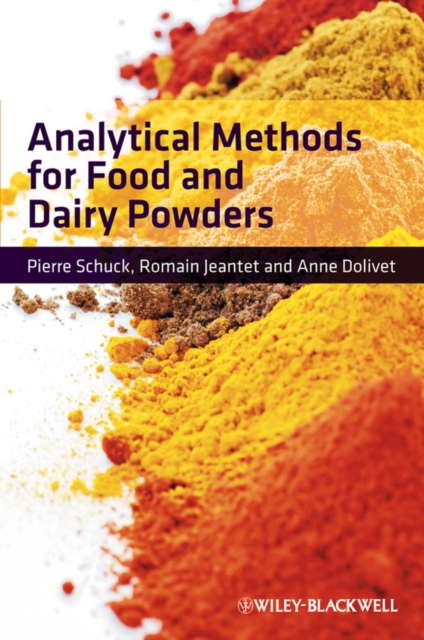
Food and dairy powders are created by dehydrating perishable produce, such as milk, eggs, fruit and meat, in order to extend their shelf life and stabilise them for storage or transport.
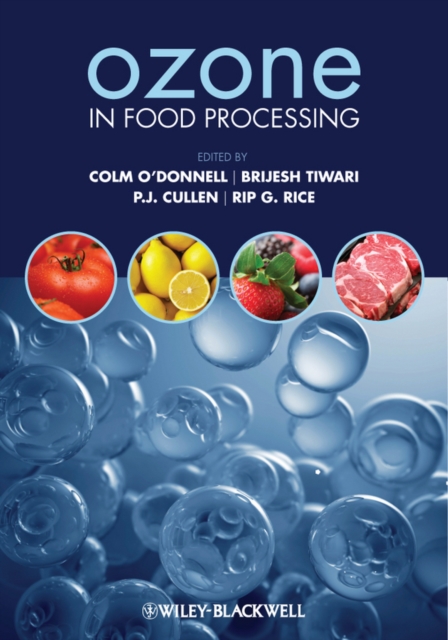
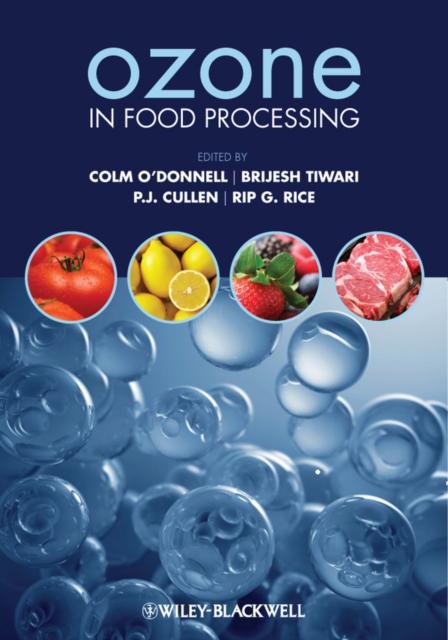
This book is the first to bring together essential information on the application of ozone in food processing, providing an insight into the current state-of-the-art and reviewing established and emerging applications in food processing, preservation and waste management.
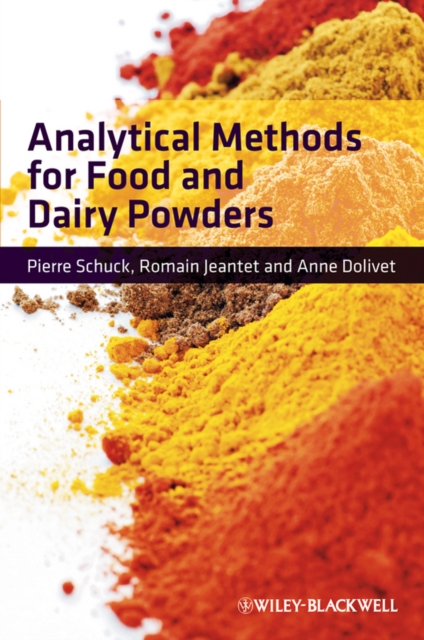
Food and dairy powders are created by dehydrating perishable produce, such as milk, eggs, fruit and meat, in order to extend their shelf life and stabilise them for storage or transport.
This book is the first to bring together essential information on the application of ozone in food processing, providing an insight into the current state-of-the-art and reviewing established and emerging applications in food processing, preservation and waste management.
Good Manufacturing Practice (GMP) refers to advice and guidance put in place to outline the aspects of production and testing that can impact the quality and safety of a product.
Good Manufacturing Practice (GMP) refers to advice and guidance put in place to outline the aspects of production and testing that can impact the quality and safety of a product.
Chemistry of Food Additives and Preservatives Food additives are chemicals or ingredients that are added to food during processing to improve quality, flavour, appearance or nutritional value, or to prevent chemical or microbial spoilage.
Chemistry of Food Additives and Preservatives Food additives are chemicals or ingredients that are added to food during processing to improve quality, flavour, appearance or nutritional value, or to prevent chemical or microbial spoilage.
The internet is rife with biased and unsubstantiated claims from the organic industry, and the treatment of issues such as food safety and quality by the media ("e;if it bleeds, it leads"e;) tends to have a negative impact on consumer perceptions about conventional food.
The internet is rife with biased and unsubstantiated claims from the organic industry, and the treatment of issues such as food safety and quality by the media ("e;if it bleeds, it leads"e;) tends to have a negative impact on consumer perceptions about conventional food.
To quantify antioxidants in natural sources, the application of chromatography techniques with different detectors followed by skillful sample preparation is necessary.
To quantify antioxidants in natural sources, the application of chromatography techniques with different detectors followed by skillful sample preparation is necessary.