This book presents cutting-edge technical solutions for better management of food loss and waste to transform the way we produce, manage, and utilize food resources.
This book introduces engineering students and practitioners to biopolymers, which are polymers derived partially or entirely from biobased (renewable) raw materials, and/or are biodegradable.
In recent years, the convergence of food science and nanotechnology has revolutionized the way bioactive compounds are extracted, delivered and utilized for therapeutic and functional purposes.
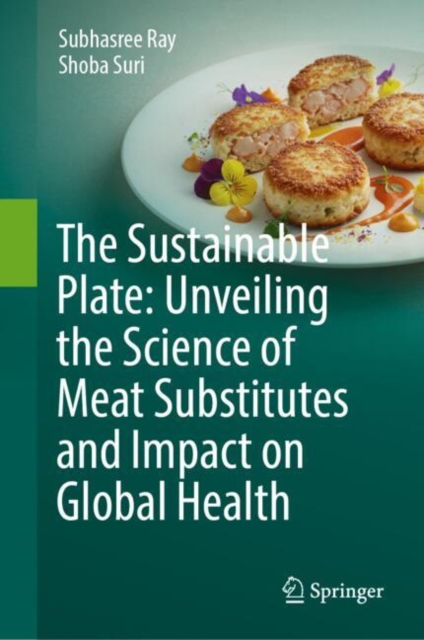
Meat substitutes and alternative meats, including those made from plants or produced in a lab, reduce the consumption of environmental resources and the production of greenhouse gases.
This edited volume discusses each millet, its climate resilience and nutrition supplementation properties in detail and help to understand and think forward the future studies.
The book offers a comprehensive exploration of Nutri-Ayur innovations, blending traditional Ayurvedic wisdom with advancements in nutrition and molecular biology.
In recent years, the convergence of food science and nanotechnology has revolutionized the way bioactive compounds are extracted, delivered and utilized for therapeutic and functional purposes.
This edited volume discusses each millet, its climate resilience and nutrition supplementation properties in detail and help to understand and think forward the future studies.
The book offers a comprehensive exploration of Nutri-Ayur innovations, blending traditional Ayurvedic wisdom with advancements in nutrition and molecular biology.
Meat substitutes and alternative meats, including those made from plants or produced in a lab, reduce the consumption of environmental resources and the production of greenhouse gases.
This book focuses on cutting-edge protocols for novel food analysis, covering advanced techniques for food safety, quality assessment, authentication, and nutritional profiling.
This volume details cutting-edge approaches to harnessing the potential of essential oils (EOs) extracted from food by-products, transforming waste into valuable resources for food preservation, enhanced nutrition, and functional food product development.
This volume details cutting-edge approaches to harnessing the potential of essential oils (EOs) extracted from food by-products, transforming waste into valuable resources for food preservation, enhanced nutrition, and functional food product development.
This book focuses on cutting-edge protocols for novel food analysis, covering advanced techniques for food safety, quality assessment, authentication, and nutritional profiling.
This volume provides detailed and comprehensive descriptions of the methodologies and procedures used to evaluate bioaccessibility in different food compounds.
This volume provides detailed and comprehensive descriptions of the methodologies and procedures used to evaluate bioaccessibility in different food compounds.
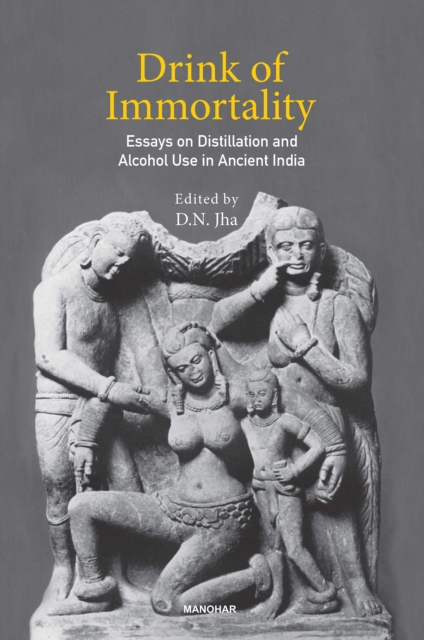
This collection contains ten articles, the first four of them dealing with the antiquity of distillation process in India which is central to the manufacture of alcohol.
The book highlights the importance of mushrooms and their effective application in the nutraceutical sector, along with their role in promoting environmental resilience.
Non-destructive quality analysis refers to a method of food testing that is designed explicitly to eliminate the potential of damage to the food quality.
This book details the process of building a Chinese-English machine translation system that automatically translates Chinese recipes into English through machine processing without human intervention (TransRecipe).
The book highlights the importance of mushrooms and their effective application in the nutraceutical sector, along with their role in promoting environmental resilience.
This book details the process of building a Chinese-English machine translation system that automatically translates Chinese recipes into English through machine processing without human intervention (TransRecipe).
Non-destructive quality analysis refers to a method of food testing that is designed explicitly to eliminate the potential of damage to the food quality.
Since the publication of the first edition of Grapes and Health, much research funding has been invested in the further examination of the health-promoting benefits of grapes, exploring areas such as brain health, eye and heart health, as well as more novel areas such as skin health and microbiomics.
Food Security and Sustainability: Global Challenges and Innovations, Volume 10 in the Advances in Food Security and Sustainability series highlights the latest developments in addressing food security concerns worldwide.
Safety and Sustainability Aspects of Food Packaging is a volume in the Sustainable Food Packaging series and serves as a comprehensive guide to the multifaceted world of food packaging.